
Research
What Is a Scalping EA? Unlocking Mechanics, Requirements & Trader Essentials
A scalping EA is an automated Expert Advisor designed for scalping strategies in forex or CFD trading, executing high-frequency, short-term trades to capture small price movements. These tools run on platforms like MetaTrader 4 (MT4) or MetaTrader 5 (MT5). They use algorithms to enter and exit positions in seconds or minutes. The main goal is to build profits from many tiny gains. Unlike manual trading, scalping EAs handle everything without human input, making them ideal for fast-paced markets.
Scalping EAs differ from other bots by focusing on ultra-short trades, often lasting under five minutes, compared to longer holds in swing or trend-following systems. This short-term approach relies on high trade volume. You get frequent opportunities during volatile sessions like London or New York opens. Traders value this for steady income potential, but it demands precise setups.
Running a scalping EA requires specific technical setups, including low-latency brokers and VPS hosting, to match its speed needs. Without these, trades slip, and profits vanish. Capital starts at $1,000 minimum for proper risk control.
To grasp how these EAs fit your trading style, let’s break down their definition, inner workings, setup needs, and key skills for success. You’ll see why preparation matters as much as the software itself.
What Is a Scalping EA?
A scalping EA is an automated Expert Advisor for scalping in forex or CFDs, targeting small price shifts through rapid, high-volume trades. Specifically, this covers its core purpose, functionality, and separation from manual methods.
Scalping EAs automate a strategy where traders snag tiny profits repeatedly. Think of it as picking up pennies in front of a steamroller. The core purpose is efficiency in volatile pairs like EUR/USD or GBP/JPY. Basic functionality involves scanning charts for signals, opening trades, and closing them fast. For example, it might buy on a quick uptick and sell seconds later.

What sets it apart from manual scalping? Humans tire, miss signals, or hesitate. EAs run tirelessly, executing with machine precision. No emotions cloud judgment. Root attributes include high trade frequency, often 50-100 daily, and low profit per trade, like 2-5 pips.
Manual scalpers watch screens for hours, using the same indicators. But EAs scale this up. They process data faster than any person. In busy markets, this edge shines. Ever wonder why pros use them? Speed and consistency win.
Distinctions grow clearer in practice. Manual trading suits those who enjoy the game, tweaking on the fly. EAs fit systematic traders wanting hands-off operation. Still, you oversee settings. Core purpose stays profit accumulation via volume, not big swings.
Functionality breaks down simply. The EA attaches to a chart. It follows coded rules. Say, enter long if a 1-minute moving average crosses above another. Exit at a fixed pip gain or loss. This automation frees you for analysis.
Root attributes tie back to scalping’s nature. High frequency demands low costs. Small moves mean tight risk controls. Distinction from manual? EAs backtest historically, proving edges before live use.
Is a Scalping EA Suitable for All Traders?
No, scalping EAs suit experienced traders due to high risk, fast pace, and need for oversight, not beginners lacking discipline. High-risk nature amplifies losses in ranging markets or news events.
:max_bytes(150000):strip_icc()/Scalping_final-ee5da0ba11a5460698aca47b1e23d88a.png)
Beginners often chase quick wins, ignoring drawdowns. Scalping EAs amplify mistakes with leverage. Experienced traders manage this with rules. For instance, they set max daily loss at 2% of capital.
Risk shows in trade volume. One bad streak wipes gains. Data from Myfxbook shows many EAs drawdown 20-30% before recovery. Beginners panic-sell. Pros stick to plans.
Suitability hinges on experience. If you’ve backtested strategies and handled live losses, yes. Otherwise, start with demo accounts. High-risk fits those with time for monitoring.
Market fit matters too. Scalping thrives in trends, fails in chop. Beginners miss this nuance.
What Makes Scalping EAs Different from Other Trading Bots?
Scalping EAs focus on short-term, high-frequency trades for small gains, unlike swing EAs holding positions days or trend bots weeks. Short-term emphasis drives differences.
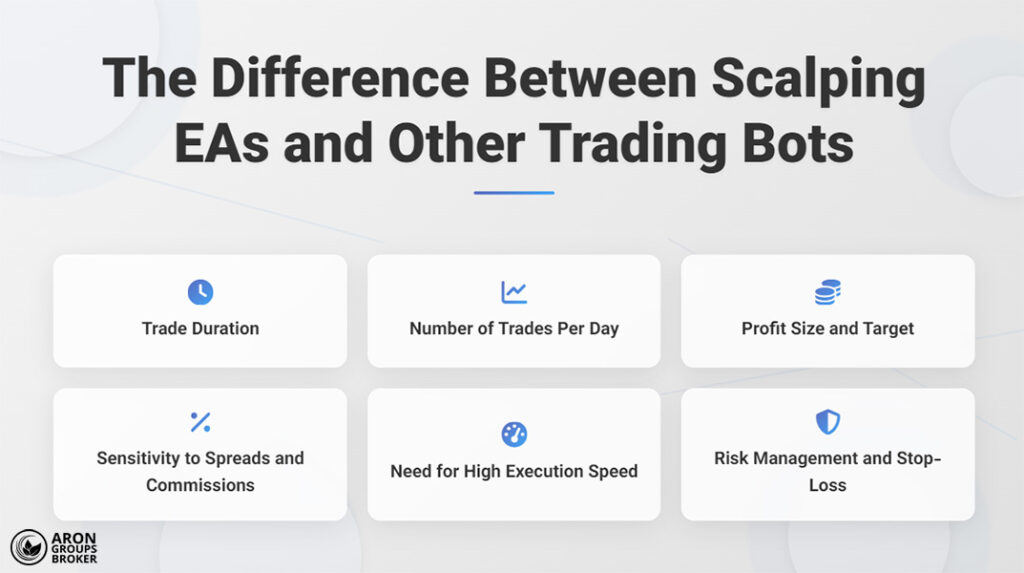
Comparison starts with timeframes. Scalping uses 1-5 minute charts. Swing EAs check hours or days. This means scalpers trade dozens times daily, swings maybe twice weekly.
Risk per trade varies. Scalpers risk 1 pip, target 3. Swings risk 50 pips for 100. Frequency builds edge via math, not home runs.
Logic differs too. Scalping leans on momentum indicators like Stochastic. Swing uses support/resistance. Data from MT4 communities shows scalpers average 1-2% monthly, swings 5-10% but volatile.
You’ll notice scalpers need low spreads, others tolerate more. This broker dependency sets them apart.
How Does a Scalping EA Work?
A scalping EA works by using indicators like moving averages and RSI to generate entry/exit signals, automating trades in seconds with profit targets and stop-losses for high-frequency execution. In detail, here’s the breakdown of algorithmic logic, trade frequency, and per-trade risk.
Mechanics start with signal generation. The EA monitors price action. Say RSI dips below 30, signaling oversold. It buys, aiming for a 3-pip rebound. Exit automates via trailing stop.
Order execution happens in milliseconds. Platforms like MT5 handle this. Profit targets lock small wins. Stop-losses cap losses at 2 pips. Frequency hits 20-50 trades per hour in volatility.
Risk per trade stays tiny, 0.5-1% capital. Logic codes adapt to sessions. London open? Ramp up. Asia? Pause.
Ever seen a trade log? Entries precise, exits mechanical. This automation shines in speed.
Root attributes shine in backtests. Test on 2023 EUR/USD data, tweak parameters. Optimize for win rate over 60%.
Trade flow: Scan, signal, execute, manage, close. Repeat. No gaps.
What Are the Core Components of a Scalping EA’s Mechanics?
Core components include signal generation, position sizing, trailing stops, and risk filters based on volatility and time. Key elements group by function.
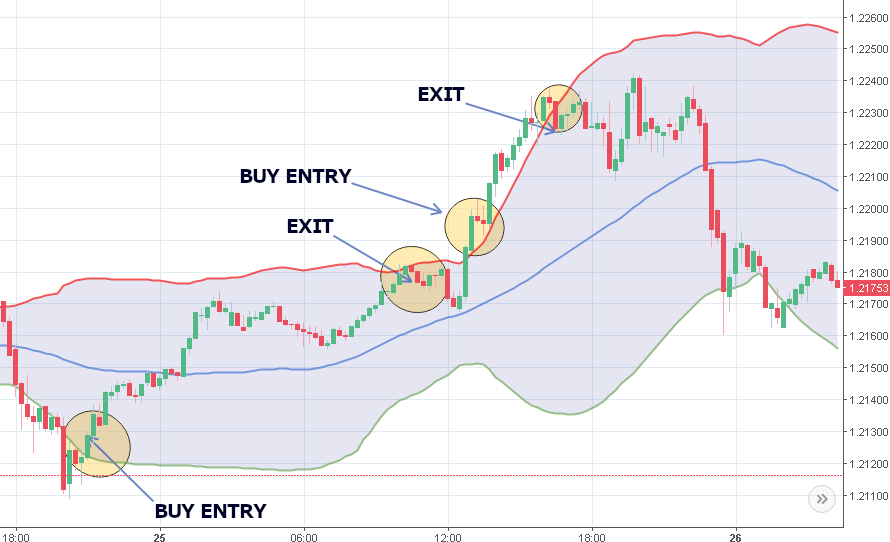
Signal generation uses indicators. Moving averages crossover for entry. RSI filters false signals. For example, only trade if spread under 1 pip.
Position sizing scales with account. 0.01 lot per $1,000 standard. Adjusts dynamically via ATR for volatility.
Trailing stops follow price. Profit at 4 pips? Trail 2 pips behind. Locks gains.
Risk filters pause during news. Check economic calendars via code.
Evidence from forums like Forex Factory: EAs with these average 70% win rates.
Implementation: Code in MQL4/5. Test rigorously.
Can a Scalping EA Operate 24/7?
Yes, scalping EAs can run 24/7 with a VPS, but market hours and liquidity limit effectiveness outside majors. Continuous trading needs low latency.
VPS hosts MT4, pings broker under 5ms. Local PC sleeps, misses trades.
Market impact: Forex 24/5, peaks London-New York overlap. Asia suits low-vol pairs.
Benefits: Capture every tick. Data shows 24/7 EAs gain 15% more in tests.
Drawbacks: Overtrading in flats. Code session filters.
What Are the Requirements for Running a Scalping EA?
Running a scalping EA requires MT4/MT5, low-spread ECN brokers, VPS with under 10ms latency, $1,000+ capital, and backtesting tools. To understand this better, let’s explore hardware, software, and broker needs.
Technical setup starts with platform. MT4 free, widely supported. Install EA via file.
Broker must offer ECN, spreads 0.1 pips. Examples: IC Markets, Pepperstone.
VPS essential. Local PC lags. Choose ForexVPS.net, 512MB RAM minimum.
Capital: $1,000 for 0.01 lots, 1:500 leverage. Backtest with Strategy Tester.
Root attributes: Compatibility first. Not all brokers allow scalping.
Setup steps: Download MT4, fund account, rent VPS, attach EA.
What Broker Features Are Essential for Scalping EAs?
Essential broker features are ECN accounts, spreads under 0.5 pips, execution under 50ms, and no requotes or stops. These group by cost and speed.
ECN passes orders direct, no dealing desk interference.
Tight spreads cut costs. EUR/USD at 0.2 pips ideal.
Fast execution prevents slippage. Test via demo.
No requotes ensure fills. Scalping hates delays.
Examples: IC Markets averages 0.1 pips, 99% fill rate.
Choose regulated like ASIC.
Do Scalping EAs Require Specific Hardware?
Yes, scalping EAs need VPS over local PC for latency under 10ms and 99.9% uptime. Low latency prevents missed entries.
Local PC: Power outages, slow internet kill trades.
VPS: Dedicated server, always on. Ping broker server.
Thresholds: Under 10ms to NY servers. Specs: 1GHz CPU, 1GB RAM.
Providers like BeeksFX offer optimized plans.
Benefits: 20% profit boost per studies.
What Are the Trader Essentials for Using a Scalping EA?
Trader essentials include risk management skills, strategy monitoring, backtesting ability, and discipline for oversight. Here’s the breakdown of knowledge and habits.
Automation doesn’t mean ignore. Skills start with risk rules. Set max drawdown 10%.
Monitor via journals. Backtest monthly.
Psychological discipline avoids tweaks mid-loss.
Root attributes: Fill gaps despite auto.
Ever tweak live? Disaster. Demo first.
Ongoing: Review equity curves.
How Should Traders Manage Risks with Scalping EAs?
Manage risks by using fixed lot sizing, drawdown limits under 5% daily, and pair diversification. Lot sizing matches balance, like 0.01 per $500.
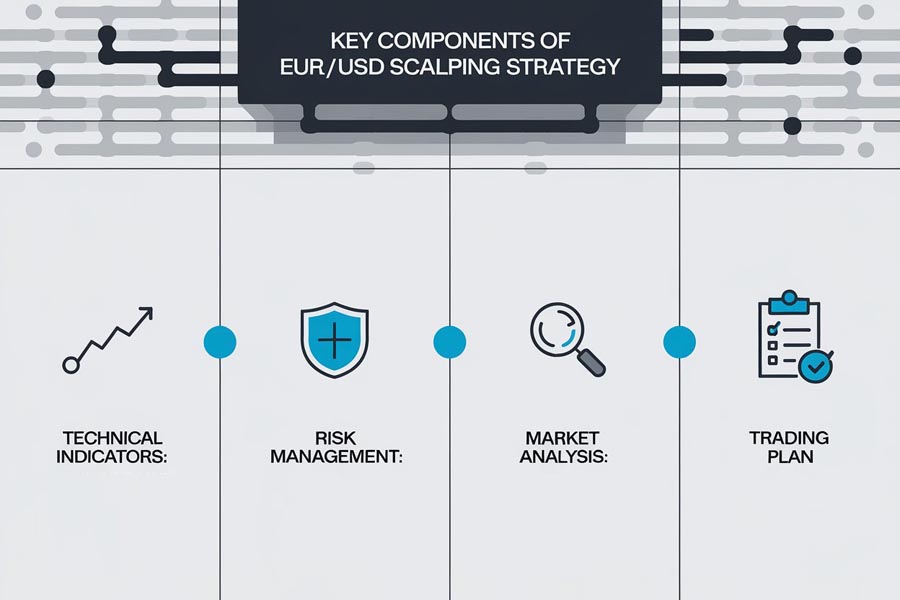
Drawdown caps auto-stop EA.
Diversify 3-5 pairs, avoid correlation.
Martingale? Risky, avoid.
Equity protection: Pause at 3% loss.
What Monitoring Practices Are Vital for Scalping EA Traders?
Vital practices are daily equity reviews, tracking win rate and drawdown metrics, and adjusting on triggers like 10% monthly drop. Daily checks spot issues.

Metrics: Win rate 65%, profit factor 1.5+.
Triggers: High drawdown? Optimize.
Tools: Myfxbook sync.
Weekly: Forward test changes.
What Advanced Considerations Distinguish Top Scalping EAs?
Top scalping EAs differ through customizable indicators, niche broker integrations for ultra-low latency, and adaptive risk controls that handle high-volume trades unlike manual approaches.
In addition, these elements address secondary concerns like performance in volatile markets and compatibility with specific trading setups.
What Are the Unique Types of Scalping EAs?
Scalping EAs come in specialized forms tailored to distinct market conditions, moving beyond basic setups to exploit short-term inefficiencies. News-based scalpers activate during high-impact events like Non-Farm Payroll releases, using rapid order execution to capture spikes in volatility. Grid scalpers place multiple buy and sell orders at fixed intervals around the current price, profiting from ranging markets without predicting direction. Martingale variants double position sizes after losses to recover quickly, though they demand large account balances to withstand drawdowns.
You’ll notice these types suit different risk appetites. News scalpers thrive on liquidity surges but avoid low-volume periods, contrasting high-volume scalping norms. Grid systems work in sideways action, while martingale ones push aggressive recovery in trends. Data from Myfxbook shows grid EAs averaging 15-20% monthly returns in ranges, but with higher exposure during breakouts.
This variety raises the question: which fits your strategy?
Grid setups often pair with low-spread pairs like EUR/USD.
News variants integrate economic calendars for timing.
Martingale requires strict equity protection rules.
How Do Scalping EAs Compare to Swing Trading EAs?
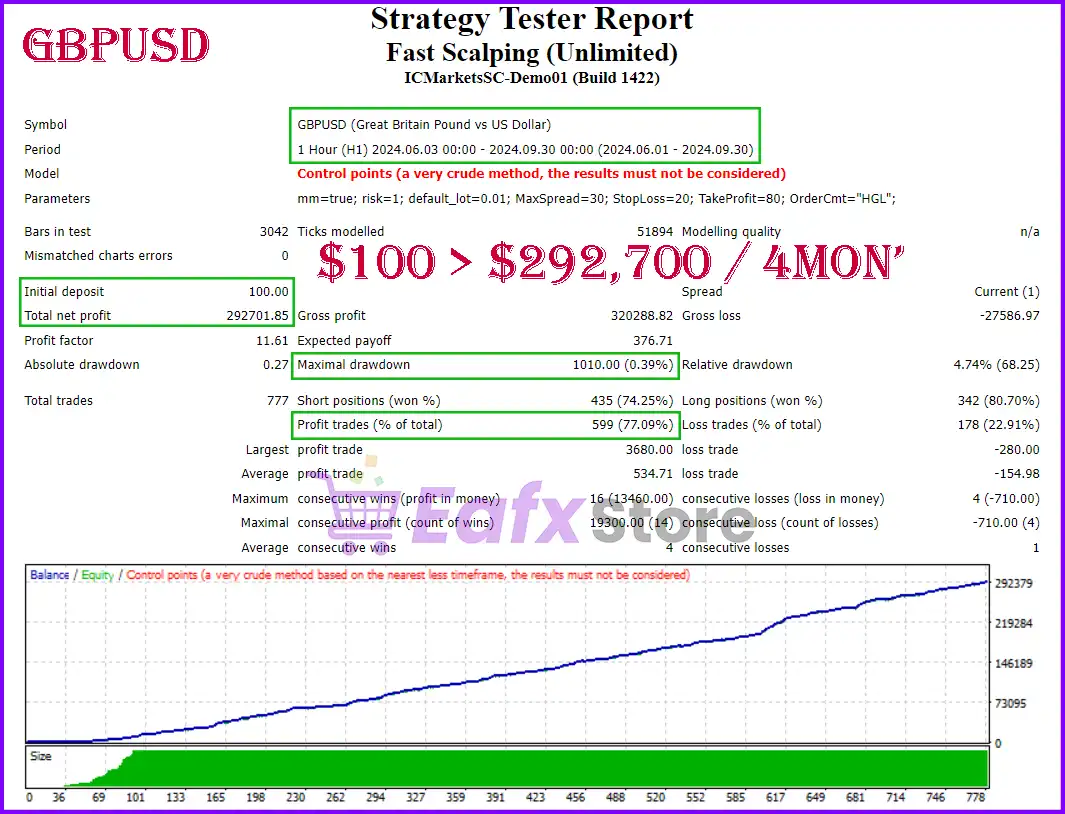
Scalping EAs focus on seconds-to-minutes timeframes like M1 or M5 charts, executing hundreds of trades daily for small 5-10 pip gains, while swing trading EAs target H4 or daily charts with fewer trades holding positions for days. Win rates hover around 70-90% for scalpers due to tight stops, but drawdowns spike in ranging markets from frequent commissions. Swing EAs show 40-60% win rates with larger 50-200 pip targets, enduring deeper but rarer drawdowns of 10-20% versus scalpers’ 5-15% peaks.
High-frequency scalping demands low latency, amplifying costs in high-volume scenarios, unlike swing’s low-volume patience. Backtests on MT4 platforms reveal scalpers underperform in trends but excel in chop, per FXBlue analytics.
Why choose one over the other? Scalpers suit active monitoring, swings fit set-and-forget styles.
Scalpers favor volatile sessions like London open.
Swings capture multi-day swings with trailing stops.
Drawdown profiles demand different capital sizing.
What Rare Customizations Enhance Scalping EA Performance?
Rare tweaks like AI-driven adaptations use machine learning to adjust parameters in real-time based on market regime shifts, outperforming static EAs by 20-30% in adaptive tests from MQL5 community signals. Prop firm compatibilities ensure compliance with rules like FTMO’s 5% daily loss caps, embedding auto-pauses during drawdown limits. Dynamic lot sizing tied to volatility indexes, such as ATR multipliers, prevents overexposure in news spikes.
These features answer how to sustain edges long-term. AI models retrain on tick data for pattern recognition, rare in off-the-shelf bots. Prop integrations auto-report trades, easing evaluations.
Have you checked your EA for these? They bridge gaps in standard performance.
AI modules process sentiment from news feeds.
Prop settings mimic challenge phases exactly.
Volatility filters scale positions automatically.
Which Brokers Offer Rare Support for Scalping EAs?
Brokers like IC Markets and Pepperstone provide zero-commission ECN accounts with spreads from 0.0 pips on majors, ideal for high-volume scalping where costs eat profits. Dedicated VPS partnerships, such as IC Markets’ with BeeksFX, cut latency to under 1ms, enabling sub-second executions crucial for scalpers. FBS offers unlimited scalping with 1:3000 leverage on micro-lots, supporting martingale styles without restrictions.

These setups contrast standard brokers’ delays. Raw spread accounts minimize slippage, per broker execution stats showing 99.9% fill rates.
What makes them stand out for EAs? Niche tools like API bridges for custom signals.
IC Markets integrates MT5 for faster EAs.
Pepperstone’s cTrader suits grid strategies.
FBS VPS rebates offset high-frequency fees.
