
Research
Choosing MT4 vs MT5 for EA: Performance vs. Compatibility for Automated Trading

Dec
When choosing between MT4 and MT5 for Expert Advisor (EA) trading, the decision centers on a trade-off: MT5 offers superior performance with faster, more accurate backtesting, while MT4 provides unparalleled compatibility with a massive existing library of EAs and a larger developer community. For traders who want to build complex, high-frequency strategies from scratch and require robust testing, MT5 is the modern choice. However, for those who prefer to leverage the vast, time-tested resources and community support built over a decade, MT4 remains a practical and accessible option.
In terms of performance, MT5 is the clear winner due to its 64-bit, multi-threaded architecture. This allows its Strategy Tester to use multiple CPU cores simultaneously, leading to dramatically faster backtesting and optimization. It can also use real tick data, providing a much more accurate simulation of historical market conditions compared to MT4’s method. This advanced testing environment helps traders develop more reliable automated strategies before risking real capital.
From a compatibility standpoint, MT4 holds a strong advantage because of its long history. The platform has accumulated a huge repository of pre-built EAs, indicators, and scripts over many years. Finding an MQL4 developer is generally easier and more affordable than finding one for MQL5. This extensive ecosystem makes it simpler for traders, especially beginners, to find and deploy automated trading solutions without needing to code them from the ground up.
The fundamental differences in programming language and order management systems are what create this split between the two platforms. An EA built for MT4 cannot run on MT5 without being completely rewritten. Let’s look into the specific technical distinctions that shape the performance and compatibility of each platform for automated trading.
What is the Fundamental Difference Between MT4 and MT5 for EA Trading?
The fundamental difference between MT4 and MT5 for EA trading lies in their core architecture: MT5 uses a more advanced, object-oriented programming language (MQL5) and a more flexible order accounting system, while MT4 relies on a simpler procedural language (MQL4) and a straightforward hedging system. These core distinctions directly influence an EA’s potential complexity, testing accuracy, and execution model.
To understand how these differences affect your choice, we will break down the components. We will first define what an Expert Advisor is, then compare the programming languages that power them, and finally look at how each platform handles your trades. This will give you a clear picture of why one platform might be better suited to your specific automated trading goals than the other.

What is an Expert Advisor (EA) in the Context of MetaTrader?
An Expert Advisor, or EA, is a piece of software that automates trading on the MetaTrader platform. It functions as a trading robot, programmed to execute trades on your behalf without any manual intervention. An EA follows a specific set of rules and market analysis criteria that you or its developer has coded into its logic. This allows trading to happen 24 hours a day based purely on the strategy’s parameters, removing emotion and the need for constant screen monitoring. EAs are written in the platform’s native programming language, which is MQL4 for MetaTrader 4 and MQL5 for MetaTrader 5.

To illustrate, an EA can be programmed to monitor several technical indicators, like Moving Averages and the Relative Strength Index (RSI). The developer can set a rule that if a fast Moving Average crosses above a slow Moving Average while the RSI is below a certain level, the EA should automatically open a buy order. It can also manage that trade by setting pre-defined stop-loss and take-profit levels, or even use a trailing stop to lock in profits as the price moves favorably. The primary function of an EA is to transform a subjective trading strategy into an objective, automated system.
How does the MQL4 programming language differ from MQL5?
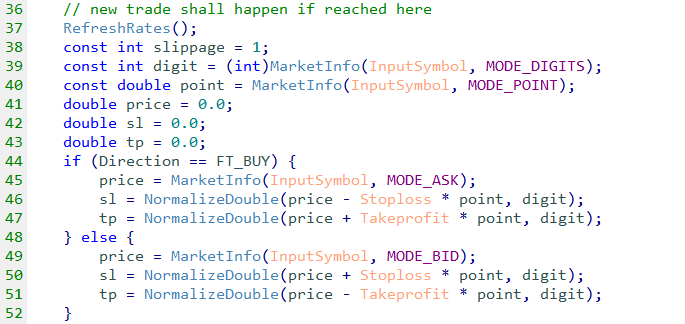
MQL4, the language of MT4, is a procedural programming language. This means its code executes in a step-by-step, linear fashion, much like a simple recipe. It is relatively easy for beginners to learn and has been the standard for forex EAs for over a decade. This simplicity makes it great for creating straightforward EAs that follow a clear set of instructions. However, its procedural nature can make it difficult to manage large, complex projects with many interacting parts. You’ll notice that code can become repetitive and hard to maintain as a strategy grows in complexity.
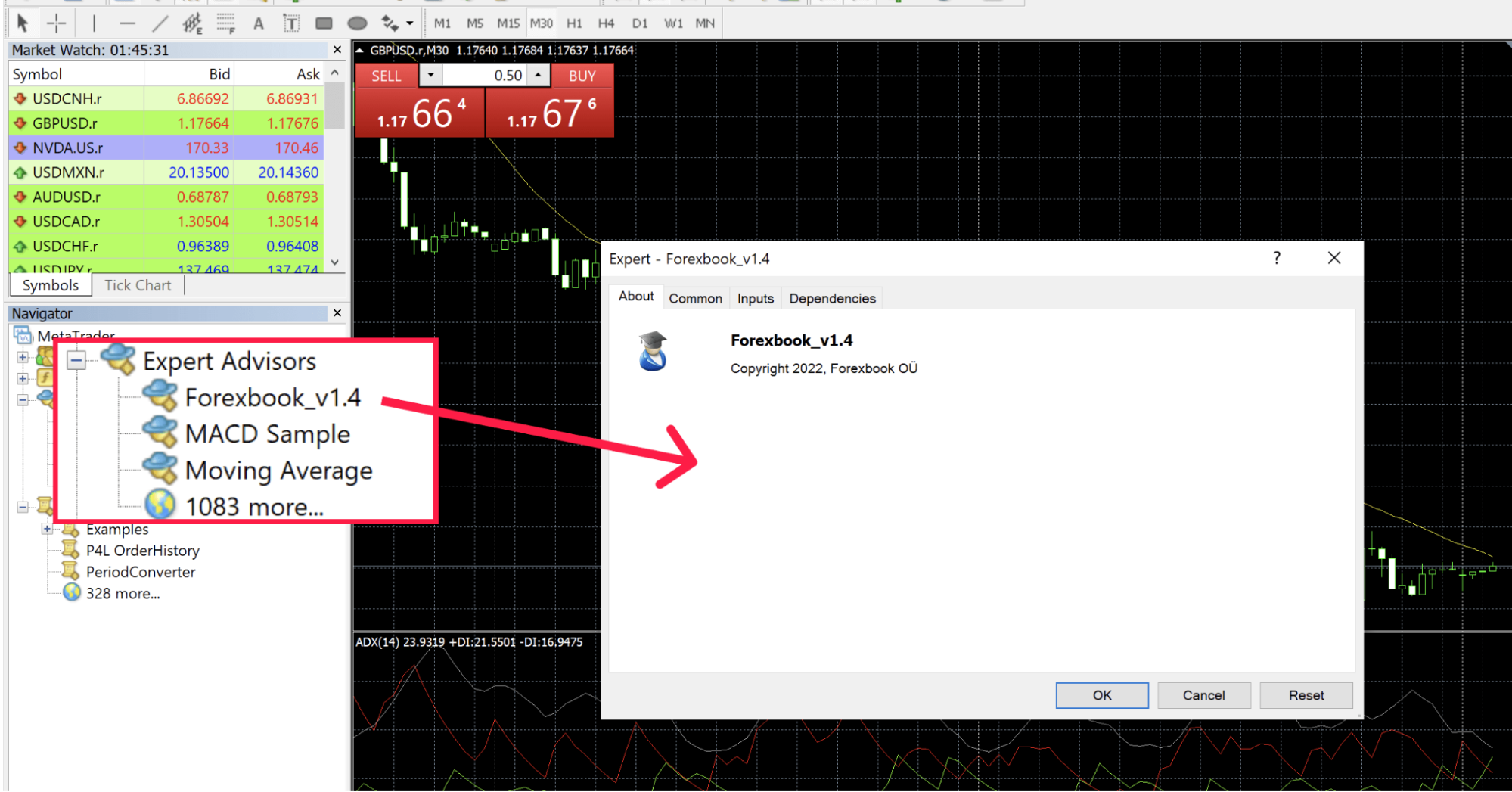
MQL5, the language for MT5, is an object-oriented programming (OOP) language. This structure is similar to modern languages like C++. Instead of just a list of instructions, MQL5 allows developers to create “objects” that contain both data and functions. For example, a developer could create a “trade” object that holds information like entry price and stop-loss level, along with functions to manage that specific trade. This OOP approach makes the code more organized, reusable, and easier to manage for highly complex EAs. It also gives developers access to more advanced tools, like a built-in debugger and a profiler for optimizing code speed.
How Does EA Performance Compare Between MT4 and MT5?
When comparing EA performance, MT5 generally offers superior speed and accuracy, particularly in its backtesting capabilities, due to its 64-bit, multi-threaded architecture. This advanced foundation allows for more thorough strategy testing and potentially faster live order execution. While MT4 is functional, MT5 was built from the ground up to handle more demanding computational tasks, which is a direct benefit for traders developing and running sophisticated EAs.
Next, we will look at the two key areas where performance matters most for automated trading. First, how does the backtesting environment compare? This is where you test your EA’s logic against historical data. Second, how does live execution speed differ between the platforms? This determines how quickly your EA can react to real-time market changes. Examining these aspects will show you where MT5’s technological advantages truly make a difference.
Is Backtesting Faster and More Accurate on MT5?
Yes, backtesting is significantly faster and more accurate on MT5. This is one of the most compelling reasons for an EA developer to choose the newer platform. The primary reason is that MT5’s Strategy Tester is a 64-bit, multi-threaded application. In simple terms, this means it can use the full processing power of modern multi-core CPUs. When you run an optimization, MT5 can assign different tasks to different cores, testing thousands of parameter combinations simultaneously. MT4, being a 32-bit application, can only use a single CPU core, making the same optimization process drastically slower.
Furthermore, MT5 provides a much higher level of accuracy. It allows for backtesting on real tick data, which is the most granular price data available, reflecting every single price fluctuation. MT4, by contrast, simulates ticks based on M1 candle data, which can lead to inaccuracies and unrealistic test results, especially for scalping EAs that rely on small price movements. MT5 also allows you to factor in real-world variables like variable spreads, commissions, and execution delays, giving you a much more realistic simulation of how your EA would have performed in the live market. This combination of speed and precision gives developers a powerful edge in creating robust and reliable trading algorithms.
Which Platform Offers Better Live Execution Speed for EAs?
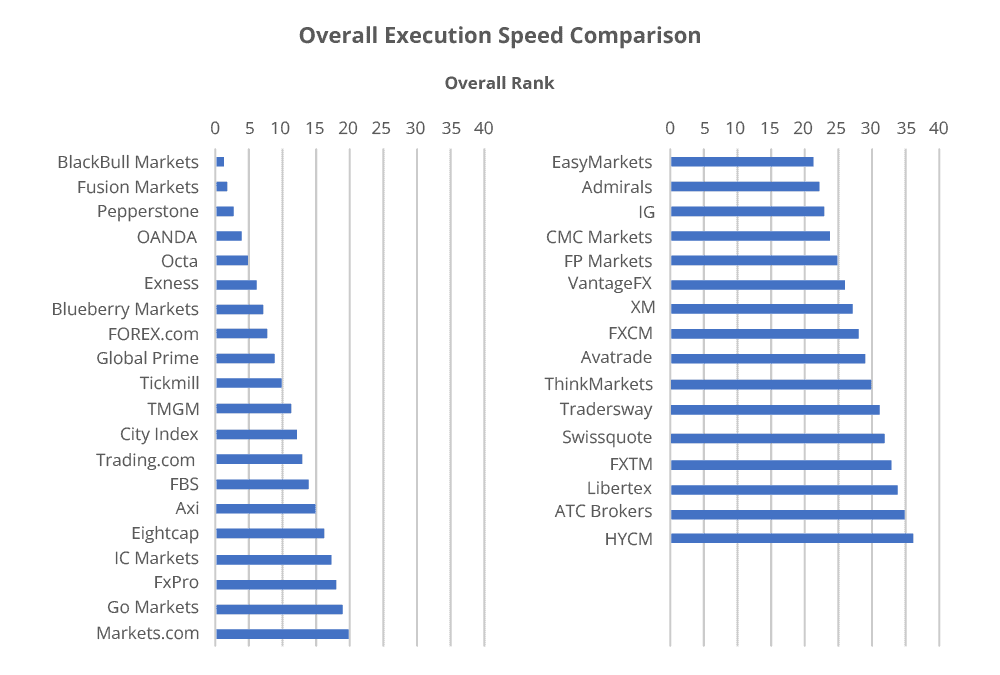
MT5 generally offers better live execution speed for EAs. The platform was designed with a more modern architecture that can process orders more efficiently. As a 64-bit platform, it can handle larger amounts of data and communicate with broker servers more effectively than the 32-bit MT4. This can result in lower latency, which is the delay between your EA sending an order and the broker’s server executing it. For high-frequency trading strategies where milliseconds can make a difference in profitability, MT5’s infrastructure provides a clear advantage.
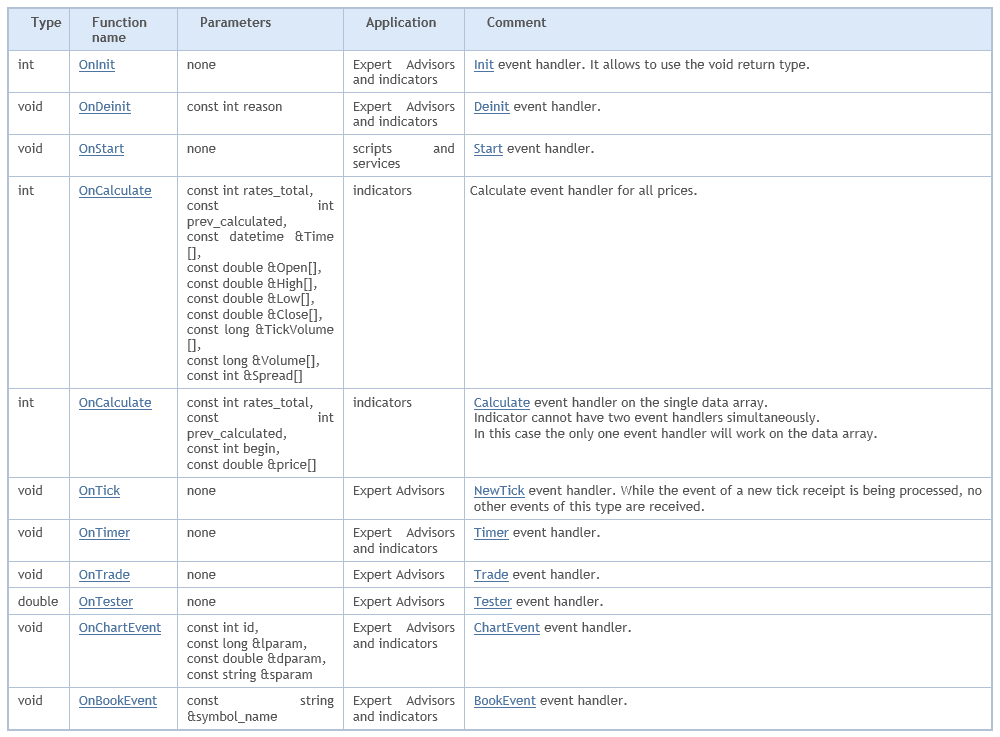
However, the actual execution speed you experience is not solely dependent on the platform itself. It is also heavily influenced by your broker’s server location, their connection to liquidity providers, and the overall network infrastructure. A trader using MT5 with a subpar broker might experience slower execution than someone using MT4 with a top-tier broker. While MT5 has the superior technical foundation for speed, the final result is a combination of the platform, the broker, and the network conditions. For most retail traders, the difference in live execution speed may not be dramatic, but for those running latency-sensitive strategies, MT5 is the technologically superior choice.
How Does EA Compatibility Differ Between MT4 and MT5?
EA compatibility differs greatly between MT4 and MT5, with MT4 having a massive advantage due to its much larger and more established ecosystem of existing EAs, indicators, and developers. Because MT4 has been the industry standard for so long, a vast library of tools has been built for it. In contrast, EAs coded for MT4 are not natively compatible with MT5, creating a significant barrier for traders wishing to migrate.
To properly weigh your decision, it’s helpful to understand the practical implications of this compatibility gap. Can you simply take your favorite EA from MT4 and use it on MT5? And what about the community? Let’s see which platform offers a larger library of resources and developers. This will help you decide if you prefer the vast, ready-made options of MT4 or the modern, but smaller, ecosystem of MT5.
Can EAs Developed for MT4 Run Directly on MT5?
No, EAs developed for MT4 cannot run directly on MT5. This is a common misconception and one of the biggest hurdles for traders considering a switch. The reason is that the two platforms use different and incompatible programming languages. MT4 EAs are written in MQL4, while MT5 EAs are written in MQL5. Although the languages have similar names and syntax, MQL5 is fundamentally different due to its object-oriented structure. This is not like upgrading from one version of a software to another; it’s like trying to run an application designed for Windows on a macOS computer without any conversion.

To use an MT4 EA on the MT5 platform, the source code must be rewritten or ported from MQL4 to MQL5. This process can range from a simple task to a complex and time-consuming project, depending on the EA’s complexity. For simple EAs, a programmer might be able to convert the code relatively quickly. However, for complex strategies with thousands of lines of code, the rewrite can be a major undertaking that requires significant time, effort, and testing to make sure the logic remains intact. If you don’t have the source code for your EA, migration is impossible.
Which Platform Has a Larger Library of Available EAs and Developers?
MT4 has a much larger and more established library of available EAs and a bigger pool of developers. Having been the dominant retail trading platform for over 15 years, a massive ecosystem has grown around it. The official MQL5 Community market (which, despite its name, also serves MT4) is filled with tens of thousands of EAs, indicators, and scripts specifically for MT4. You can find a ready-made solution for almost any trading strategy imaginable, often at a low cost or even for free. Similarly, there is a huge community of experienced MQL4 freelance developers available for custom projects, making it easier and more affordable to get a custom EA built.
In contrast, the MT5 ecosystem is smaller and still growing. While adoption is increasing, the sheer volume of resources available for it does not yet match that of MT4. The number of off-the-shelf EAs for MT5 is lower, and finding skilled MQL5 developers can sometimes be more challenging and expensive. For a trader who does not have coding skills and relies on purchasing EAs or hiring programmers, the vast and mature MT4 market presents a major practical advantage. It offers more choice, more competition among developers, and a wealth of community support and tutorials built up over many years.
What are the Advanced Considerations and Future Trends for EA Trading on MT4/MT5?
Advanced considerations for automated trading involve platform longevity, code migration paths, multi asset support, and the integration of external programming languages like Python for sophisticated strategies. Furthermore, looking at these aspects reveals the long term trajectory of each platform and helps traders decide which ecosystem better suits their future ambitions. A choice made today can have a lasting impact on the complexity and scope of the trading strategies you can develop and deploy tomorrow.
What are the Options for Migrating an EA from MQL4 to MQL5?
Moving an Expert Advisor from the MQL4 language of MT4 to the MQL5 language of MT5 is a common challenge for traders wishing to upgrade. Because MQL5 is an object oriented programming language, a direct copy and paste is not possible. The fundamental structure and functions are different, requiring a full code conversion. You’ll notice there are three primary paths to achieve this migration, each with its own set of trade offs between cost, time, and quality. Choosing the right method depends on your programming skill, budget, and the complexity of your EA.

Exploring your migration choices:
- Manual Recoding: This method involves a developer manually rewriting the entire EA from MQL4 to MQL5. It is the most time intensive option but often yields the best results. A skilled programmer can optimize the code for the MQL5 environment, ensuring stability and performance. This path gives you complete control over the final product, allowing for improvements and feature additions during the process.
- Conversion Tools and Services: Several third party tools and online services claim to automatically convert MQL4 code to MQL5. While this can be the fastest option, the quality of the output varies. These tools often struggle with complex EAs and may produce code that contains bugs or is inefficient. The resulting code almost always requires manual review and debugging by a developer to function correctly.
- Hiring a Professional Developer: For traders without the time or expertise to recode an EA themselves, hiring a freelance developer is a practical solution. This balances time and quality. A competent developer can complete the migration efficiently, but the cost can range from modest to high depending on the EA’s complexity. The final quality is entirely dependent on the skill of the person you hire.
How Does MT5’s Multi-Asset Support Affect EA Development?
The expanded asset support in MT5 fundamentally changes the scope of what an automated trading strategy can achieve. MT4 was built primarily for the decentralized forex market. In contrast, MT5 was designed from the ground up to connect to centralized exchanges, allowing it to handle not just forex but also stocks, futures, and commodities. This capability directly influences EA development by opening the door to more diverse and sophisticated strategies that were previously impractical on a single retail platform. What does this mean for your EA? It means your automated system can now operate across different markets simultaneously.

This expanded capability allows for the creation of multi asset EAs.
- Inter-Market Analysis: An EA can be programmed to analyze relationships between different asset classes. For example, a strategy could monitor the price of crude oil (a commodity future) and use that data to make trading decisions on a currency pair like USD/CAD, as the Canadian dollar is often correlated with oil prices.
- Advanced Hedging: A trader could develop an EA that manages a portfolio of stocks and automatically uses index futures to hedge against market downturns. This level of integrated risk management within a single automated strategy is a key advantage of the MT5 environment.
- Diversification: An EA is no longer confined to a single market. A single automated system can now trade a diversified portfolio of instruments, potentially spreading risk and capturing opportunities across the global financial landscape from one account and one platform.
Is it Possible to Integrate Python with MT5 for More Complex EA Strategies?
Yes, it is possible to integrate Python with the MT5 platform, providing a powerful toolkit for developing highly complex and data driven trading strategies. This is accomplished through an official Python integration package provided by MetaQuotes. This package allows Python scripts to communicate directly with the MT5 terminal, enabling them to request market data, analyze account information, and send trading orders for execution. This connection bridges the gap between a world class programming language for data analysis and a robust trading platform.

This integration opens up advanced strategic possibilities.
- Machine Learning Models: Traders can use Python’s extensive machine learning libraries, such as TensorFlow or scikit learn, to build predictive models. A Python script could analyze historical price data to identify patterns, make a forecast, and then instruct an EA in MT5 to place a trade based on that prediction.
- Advanced Data Analysis: Python libraries like Pandas and NumPy are industry standards for manipulating and analyzing large datasets. A trader could use a Python script to pull terabytes of alternative data, like economic reports or social media sentiment, process it, and generate trading signals that are then executed by MT5.
- Separation of Concerns: This integration allows for a clean separation of tasks. The heavy lifting of data analysis and signal generation can be handled in Python, where the tools are superior. The MQL5 EA can then be simplified to focus solely on trade execution, risk management, and communication with the broker’s server, making the entire system more modular and easier to manage.
Which Platform is Better for Advanced Charting and Analysis within an EA?
For complex charting and in depth analysis performed directly by an Expert Advisor, MT5 offers a more advanced and flexible environment compared to MT4. The platform provides a richer set of built in tools and data points that an EA can access programmatically. These enhancements allow for the development of more sophisticated analytical models inside a trading robot, giving it a clearer and more detailed view of the market. This superiority is not just about visual aids for human traders; it is about providing more raw material for an algorithm to work with.
Let’s see how MT5’s analytical tools compare for EA development.
- More Timeframes: MT5 provides 21 distinct timeframes, including unconventional ones like 2 minute, 8 hour, or 12 hour charts, whereas MT4 only offers 9. An EA can use these additional timeframes to conduct multi timeframe analysis with greater granularity, potentially identifying trends that are invisible on standard timeframes.
- Expanded Indicator Set: The platform comes with 38 built in technical indicators, compared to 30 in MT4. While custom indicators can be added to both, having a wider array of standard, optimized tools available from the start simplifies the development of EAs that rely on a combination of common analytical methods.
- Depth of Market (DOM) Access: A standout feature in MT5 is the ability for an EA to access Level 2 pricing data, also known as Depth of Market. This allows an EA to see the order book with the volume of buy and sell orders at different price levels. This information is invaluable for strategies based on order flow and liquidity analysis, a type of advanced trading not possible in MT4.
