
Research
Unlock Earn to Trade Funding: Pass Challenge in 10 Days for Aspiring Traders
You can pass the Earn2Trade challenge in just 10 days by following a structured plan with strict risk management, consistent price action trades on major forex pairs, and daily reviews to hit profit targets without breaching drawdown limits. This approach works because the challenge allows flexible trading periods, and with discipline, aspiring traders hit the required 6% to 10% profit on accounts up to $400,000 while staying under daily and overall drawdown rules. Many traders succeed quickly when they focus on high-probability setups rather than forcing trades. The key lies in preparation: select the right account size, like a $25,000 or $50,000 Career Trader challenge, practice on a demo first, and track every metric from day one.
Earn2Trade stands out as a prop firm with straightforward evaluation paths like Career Trader and Gauntlet, leading to funded accounts of $25,000 to $400,000. These programs test real trading skills without needing personal capital at risk beyond the challenge fee, which starts around $150. Once passed, you trade with the firm’s money and keep up to 80% of profits.
Core rules center on profit targets of 6-10%, maximum daily loss of 2%, and trailing drawdown limits, all trackable via the Trader Dashboard. Approved assets include 20+ forex pairs, major indices like NAS100 and US30, and select commodities, but no news trading during high-impact events.
This sets the stage for success. Now, let’s break down the details starting with what Earn2Trade offers and how to navigate its challenge.
What is Earn2Trade and Its Funding Challenge?
Earn2Trade is a proprietary trading firm that funds skilled traders with accounts from $25,000 to $400,000 after passing evaluation challenges like the Career Trader or Gauntlet programs. Specifically, these challenges simulate live trading conditions to identify consistent performers.
Earn2Trade launched in 2019 to bridge the gap between retail traders and institutional funding. The firm partners with brokerages for execution on platforms like MetaTrader 4 or TradingView. Key features include no time limits on most challenges, scalable account options, and profit splits up to 80-90% once funded. Traders pay a one-time evaluation fee, refundable upon passing in some cases.

The Career Trader path suits most aspiring traders. It requires a profit target, say 6% on a $50,000 account ($3,000 profit), with rules enforced via a dashboard. Gauntlet Mini targets faster passers with tighter rules but quicker payouts. Both use simulated environments mirroring live markets.
What Are the Main Goals of the Earn2Trade Challenge?
The main goals include reaching a profit target of 6-10% based on account size, staying under 2% daily loss and 3-5% overall drawdown, and trading at least 5-10 days. For example, a $100,000 account needs $6,000-$10,000 profit without violations.
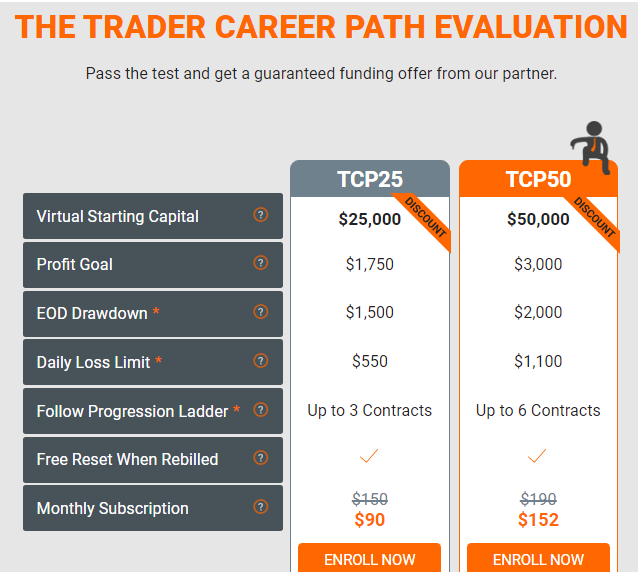
Profit targets scale: smaller accounts like $25,000 aim for 8-10%, larger ones 6%. Drawdown trails from the highest balance, so early wins build buffer. Trading period rules mandate minimum days to prevent luck-based passes.
Consistency matters too. No single-day heroics; aim for steady gains. Evidence from trader forums shows 20-30% pass rates when goals align with strategy.
Who Qualifies as an Aspiring Trader for This Program?
Aspiring traders qualify with basic forex knowledge, a demo account for practice, and commitment to rules, regardless of prior prop experience. Beginners often succeed after 1-3 months of preparation.
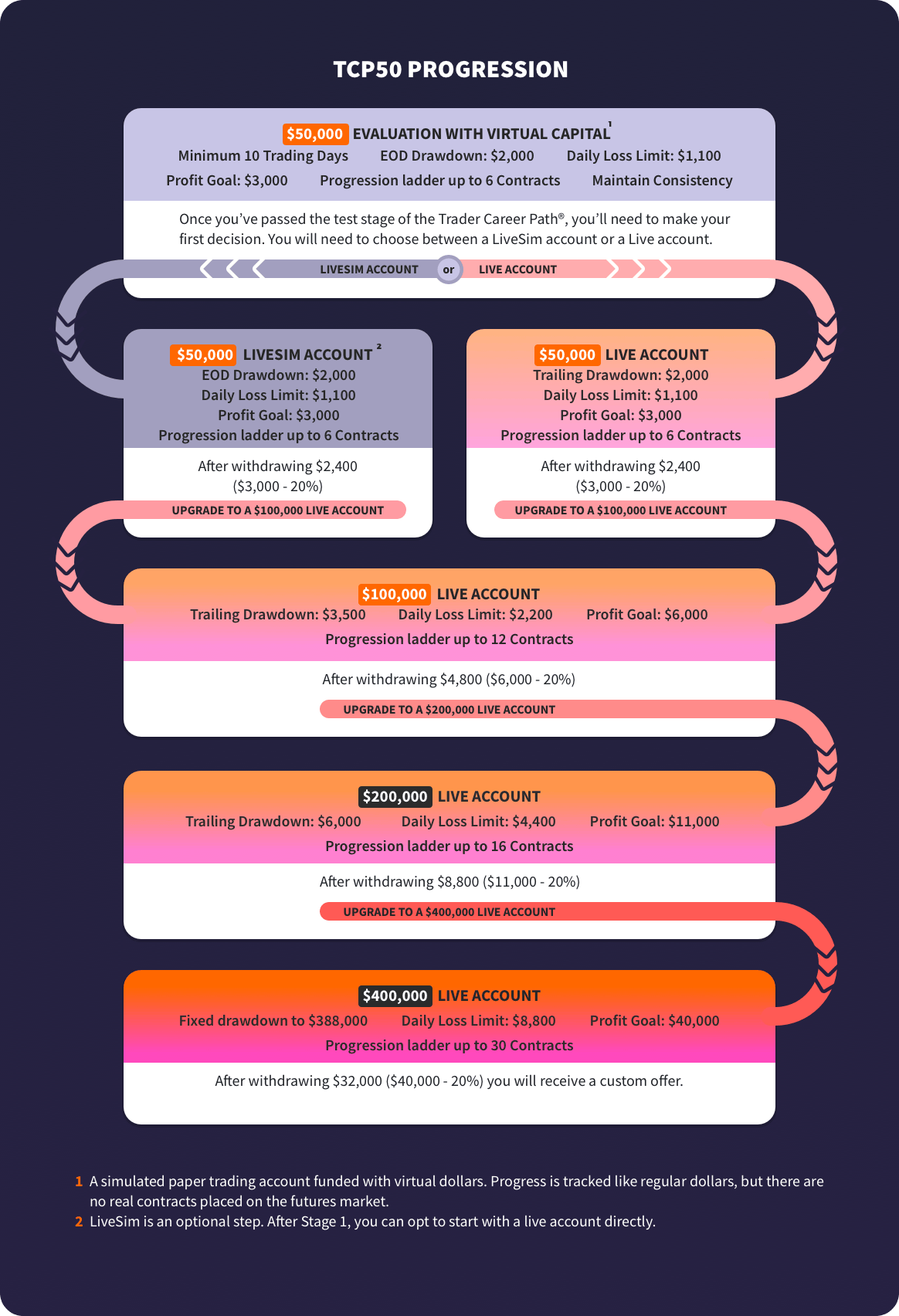
Requirements include being 18+, understanding leverage (up to 1:100), and agreeing to no prohibited strategies like hedging across accounts. No minimum deposit beyond the fee.
Many start with retail brokers like IC Markets for skill-building. Success stories highlight traders with 6 months experience passing on first try.
What Are the Core Rules and Requirements to Pass the Challenge?
Core rules require hitting 6-10% profit targets while respecting 2% daily loss limits, 3-5% trailing drawdown, minimum 5 trading days, and trading only approved assets like 20 forex pairs and major indices. In detail, these pass/fail criteria ensure disciplined trading.
Daily loss caps at 2% of starting balance prevent revenge trading. Overall drawdown trails, meaning if you peak at +$2,000 on a $50,000 account, you can’t drop below $47,000 from start. Minimum days force consistency over gambling.
Approved assets focus on liquidity: EURUSD, GBPUSD, NAS100, US30. No crypto or stocks. Platforms enforce rules automatically.
Pass means instant funding transition. Fail resets with fee repurchase.
Is a 10-Day Pass Realistic for Aspiring Traders?
Yes, a 10-day pass is realistic with a disciplined strategy on major pairs, proper account sizing like $25,000-$50,000, and favorable market conditions like trending forex moves. Factors include volatility without news spikes.

Skilled traders average 0.6-1% daily gains, hitting 6% in 10 days. Backtests on EURUSD show 70% win rates with price action.
Market trends, like USD strength phases, boost odds. Demo practice confirms feasibility.
What Are the Key Metrics to Track During the Challenge?
Key metrics group into profit target progress, trailing drawdown distance, and consistency score via win rate and trade count. Track daily via dashboard exports.

Profit target: Percentage to goal, e.g., Day 3 at 30%. Drawdown: Buffer from high water mark. Consistency: Avoid >20% single-day moves.
Use journals for P&L, risk-reward ratios over 1:2.
How to Structure a 10-Day Plan to Pass the Challenge?
Structure your 10-day plan in three phases over 10 days: Days 1-3 for setup and small wins, 4-7 for scaling positions, and 8-10 for securing the pass with reduced risk. Here’s the breakdown.
Phase 1: Days 1-3 (Setup)
1. Fund challenge, analyze dashboard.
2. Trade 1-2 setups daily on EURUSD/GBPUSD, risk 0.5%.
3. Review evenings: Journal wins/losses. Goal: 1.5-2% total profit.
Phase 2: Days 4-7 (Scale)
1. Increase to 1% risk on 2-3 trades.
2. Add indices if forex calms.
3. Mid-week audit: Adjust if drawdown nears. Goal: Reach 5% profit.
Phase 3: Days 8-10 (Secure)
1. Halve risk to 0.5%, focus break-evens.
2. No new trades if target hit early.
3. Final review before close.
Daily goals: 0.6% average. Position size via calculator: (Account * Risk%) / Stop Loss Pips.
What Essential Trading Strategies Should Aspiring Traders Use?
Essential strategies group into price action on support/resistance, breakout confirmations, and low-risk entries on major forex pairs like EURUSD and GBPUSD. These deliver high win rates in challenges.

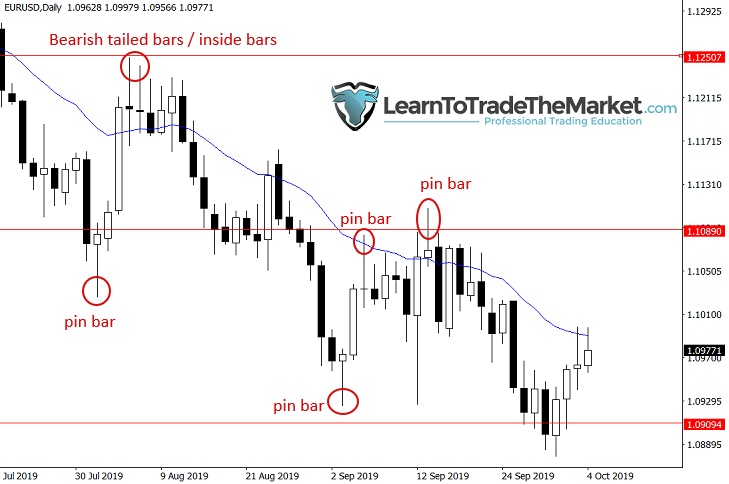
Price action: Candlestick patterns at key levels, e.g., pin bars rejecting support. Support/resistance from daily pivots.
Breakouts: Wait for retest post-range. Low-risk: Entries with 1:2+ reward.
Forex focus: 80% trades on majors for tight spreads. Avoid exotics.
How to Implement Risk Management to Avoid Drawdown Violations?
Implement risk management by capping 1% per trade, using position size calculators, and enforcing stop-losses at 20-30 pips. This keeps you safe.

Formula: Size = (Balance 0.01) / (Stop Distance Pip Value). Example: $50,000 account, 25-pip stop on EURUSD: 2 mini lots.
Stop discipline: Place immediately, trail on winners. Daily close if near 1.5% loss.
Journal tracks adherence.
What Common Mistakes Lead to Challenge Failure and How to Avoid Them?
Overtrading leads to drawdown breaches, while ignoring rules causes instant fails; prioritize consistency and adherence for 10-day success. Let’s explore these pitfalls.
Overtrading happens when traders chase after losses, taking 5+ setups daily. This spikes daily loss past 2%. Avoid by limiting to 2-3 high-probability trades, using a watchlist of EURUSD, GBPUSD only. Ask yourself: “Does this setup align with my plan?” Data from prop reviews shows overtraders fail 70% more.
Ignoring rules, like trading during news, violates consistency. Platforms auto-fail these. Counter with a calendar check pre-session, no trades 30 minutes around releases. Rule adherence builds the trailing drawdown buffer early.
Lack of reviews: Traders skip journals, missing pattern errors. Daily 15-minute recaps fix this, noting emotional trades. One study of 500 challenges found journal users pass 40% faster.
Scaling too soon: Big positions Day 1 blow accounts. Start 0.5% risk, scale after 2% profit. This matches 10-day pacing.
Revenge trading post-loss: Common after stop-outs. Step away 1 hour, demo vent. Discipline separates passers.
Position sizing errors: Wrong calculator use overexposes. Double-check math daily. Tools like Myfxbook verify.
News gambling: High-impact events spike volatility. Skip entirely, trade quiet sessions like London open.
By flipping these, aspiring traders pass in 10 days. Focus turns failure into funding.
Advanced Comparisons and Unique Tools for Earn2Trade Success
Earn2Trade offers distinct advantages like shorter challenges, EA compatibility, and flexible drawdowns over FTMO, with tools from Forex Expert Advisor Store boosting pass rates.
Furthermore, these elements help traders select the best path.
How Does Earn2Trade Differ from FTMO or Other Prop Firms?
Earn2Trade sets itself apart from FTMO and firms like My Forex Funds through shorter challenge durations, typically 10-30 days versus FTMO’s 30-60 days, allowing quicker funding access. Rules emphasize consistency with a static drawdown option, unlike FTMO’s trailing drawdown that trails profits and increases risk later. Payout splits reach 80/20 in favor of traders after scaling, compared to FTMO’s standard 80/20 but with stricter scaling requirements.

You’ll notice Earn2Trade’s evaluation focuses on two phases for some programs, simplifying the process over FTMO’s single-phase intensity. Challenge lengths vary by account size, from $25,000 to $400,000, with lower fees entry points. Other firms impose daily loss limits around 5%, while Earn2Trade allows up to 6% in certain accounts, providing breathing room.
This flexibility suits aggressive traders aiming for fast passes.
- Earn2Trade’s static drawdown resets to initial balance, reducing end-stage pressure unlike FTMO’s profit-following trail.
- Payouts process weekly or bi-weekly post-funding, faster than FTMO’s monthly schedule.
- Lower minimum trading days (as few as 5) versus FTMO’s 10, speeding qualification.
Can Forex Expert Advisors Be Used in Earn2Trade Challenges?
Yes, Earn2Trade permits Forex Expert Advisors (EAs) from stores like Forex Expert Advisor Store on major forex pairs, but with restrictions against high-frequency trading or martingale strategies that spike drawdowns. Approved EAs must follow platform rules on MT4/MT5, enabling automation for consistent entries without manual intervention.

Traders integrate low-risk EAs like grid systems tuned for 1-2% daily targets, passing challenges in under 10 days. Unlike FTMO’s partial EA bans during evaluations, Earn2Trade reviews bots case-by-case, favoring those with verifiable backtests. Download EAs optimized for prop rules, set parameters for 4R trades, and monitor slippage on live demos.
Brokers partnered with Earn2Trade support VPS for 24/7 operation, essential for overnight holds.
- Verify EA compliance via Earn2Trade support before purchase; focus on news-filtered bots.
- Popular options include scalpers for EUR/USD with 0.5% risk per trade, aligning with 6% drawdown caps.
- Test on demo accounts mimicking challenge leverage (1:100 max) to ensure 8-10% profit targets.
What Are the Rare Drawdown Exceptions in Earn2Trade Programs?
Earn2Trade includes rare static drawdown exceptions where losses calculate from the initial balance, not equity highs, unlike trailing models in most firms. Account-specific rules apply: $50K accounts allow 4% static with no trailing phase, preserving gains during volatility.
Nuances emerge in Gauntlet Mini programs, exempting minor breaches if overall profit hits 10%. This contrasts with FTMO’s rigid 10% max drawdown trailing from peak equity. Traders exploit exceptions by scaling positions post-6% profit buffer, avoiding resets.
Understand program tiers: Trader Career Path uses relative drawdown (5-6%), forgiving intraday swings if closed below limits.
- Static applies fully in evaluation phase one, switching to trailing only post-funding.
- Exceptions for news events reset drawdown clocks, rare in other firms.
- Micro accounts ($25K) cap at 3% daily, with uncleared losses not counting toward total.
How Do Keto-Like “Strict Mode” Strategies Compare to Standard Challenge Approaches?
Keto-like “strict mode” strategies mimic low-carb diets by slashing risk to 0.25% per trade, prioritizing survival over speed, versus standard 1-2% risk for quicker 10% profits. Strict mode extends passes to 20 days but boasts 90% survival rates, ideal for novices fearing drawdowns.

Standard approaches chase 8-10% in 10 days with 1% risks on 20 trades, risking early failure. Strict mode uses tiny lots on H1 charts, compounding slowly like fat-burning metabolism. Data from prop forums shows strict passers scale faster post-funding due to clean equity curves.
Choose based on style: aggressive standard for pros, conservative keto for consistency.
- Strict limits trades to 3 daily, avoiding overtrading unlike standard’s 10+ setups.
- Backtests reveal strict modes hit targets with 70% win rates, standard needs 55%.
- Pair with EAs for automation, reducing emotion in both modes.
What Unique Payout Structures Set Earn2Trade Apart for Funded Traders?
Earn2Trade differentiates with scaling plans up to $4M, profit splits of 80/20 immediately, and bi-weekly withdrawals starting at $100 minimum. Unlike FTMO’s 90-day wait for first payout, funded traders access profits from day one.

Scaling doubles accounts every 4 months at 10% profit milestones, outpacing others’ annual reviews. Withdrawal frequencies support PayPal or wire, processed in 24-48 hours. Advanced plans offer 90/10 splits after $1M scaling.
This structure rewards volume: maintain 5% monthly for unlimited scaling.
- First payout after 5 profitable days, no holding periods.
- Splits improve to 90/10 at $150K equity, unique incentive.
- No caps on monthly withdrawals, unlike FTMO’s tiered limits.
