
Research
Master Day Trading Forex: Proven Strategies for Beginners to Profit Daily

Dec
Day trading Forex lets beginners profit daily through quick intraday trades on currency pairs, using strategies like scalping and breakouts with tight risk controls to capture small, frequent gains during active market sessions. This approach focuses on high-liquidity pairs such as EUR/USD and GBP/USD, where price swings create opportunities multiple times a day. You enter and exit positions within minutes to hours, avoiding overnight risks from news events. With proper preparation, even new traders can aim for 1-3% account growth per day by sticking to proven rules.
Forex day trading suits beginners due to its low entry barriers, like starting with a $500 account on platforms such as MetaTrader 4. The market operates 24/5, so you pick times that fit your schedule, such as the London or New York sessions. Demo accounts let you practice without real money, building skills fast.
Key to success involves managing risks, targeting a 1:2 risk-reward ratio to turn small wins into steady profits. Position sizing keeps losses under 1% per trade, protecting your capital over time.
Ready to build a solid foundation? Let’s break down the essentials, starting with what day trading Forex really means and moving into strategies, risk management, and daily profit routines.
What is Day Trading Forex?
Day trading Forex is the practice of buying and selling currency pairs within the same trading day to profit from short-term price movements, rooted in high liquidity and leverage during major sessions like London and New York. Specifically, this method thrives on intraday volatility without holding positions overnight.
To understand this better, picture the Forex market as a global exchange where currencies like the euro and dollar fluctuate constantly. Day traders exploit these moves by closing all trades before the daily session ends. Core principles include focusing on major sessions—London from 8 AM to 5 PM GMT brings high volume from European banks, while New York from 1 PM to 10 PM GMT overlaps for peak action. Leverage, often 1:50 or higher, amplifies small moves, but demands discipline.

Why ideal for beginners seeking daily profits? The market’s accessibility means no stock exchange hours; you trade pairs like EUR/USD anytime. Low spreads on liquid pairs keep costs down, and free tools like charting software make analysis simple.
Is Day Trading Forex Suitable for Beginners?
Yes, day trading Forex works for beginners because of accessible demo accounts, low minimum deposits starting at $100, and abundant free education resources. Platforms like MetaTrader 4 offer practice modes identical to live trading, so you learn without risk.

Accessibility stands out first. Unlike stocks, Forex has no central exchange or pattern day trader rules requiring $25,000 minimums. Brokers like IC Markets or Pepperstone let you start small, building confidence through simulated trades.
The learning curve feels manageable with structured steps. Spend two weeks on demos mastering one pair, then go live with tiny lots. High liquidity ensures tight spreads, so orders fill instantly, unlike thinner markets.
Benefits include flexible hours matching your life. Trade London open if you’re in Europe, or New York if stateside. Data from the CFTC shows retail Forex traders average 70% win rates when using stop-losses consistently, per broker reports.
What Are the Key Characteristics of Forex Day Trading?
Forex day trading involves holding positions for minutes to hours on high-liquidity pairs, closing all trades by session end to avoid overnight gaps. Here’s the breakdown: short timeframes capture volatility, massive daily volume exceeds $6 trillion, and no swaps fees build since positions don’t carry over.
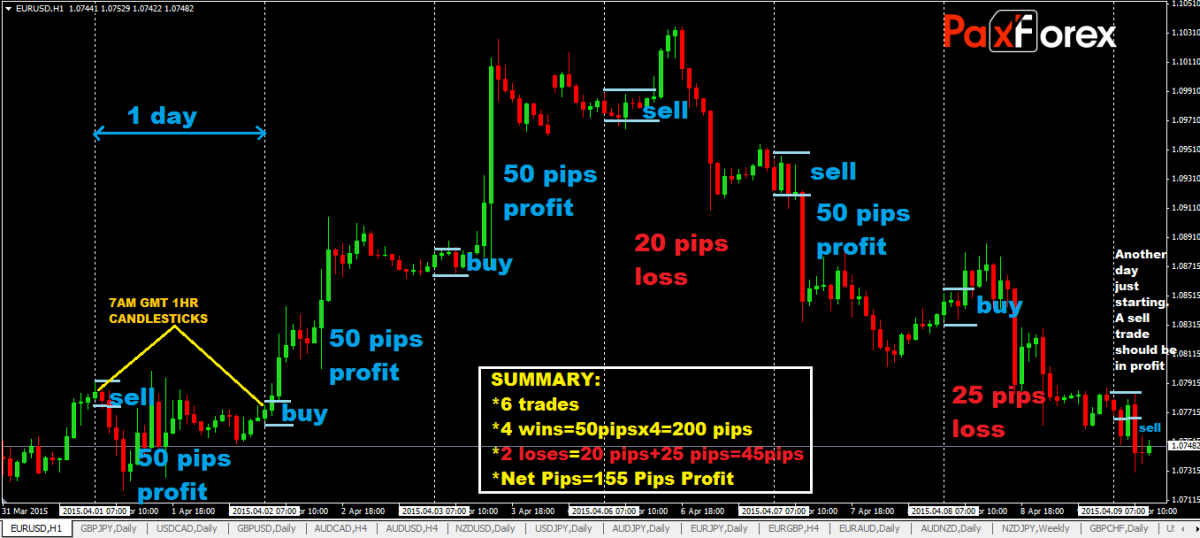
High liquidity defines it. Pairs like EUR/USD see billions traded hourly, meaning minimal slippage even in fast moves. You trade during overlaps, like London-New York, when 70% of volume hits.
Short timeframes suit active traders. Scalp 5-minute charts or swing hours on 1-hour views, exiting before news like NFP closes doors unexpectedly.
No overnight positions protect against gaps. Asian session news can swing prices 100 pips pre-open, but day traders sidestep this.
Evidence from BabyPips studies shows day traders with this discipline average 2% monthly returns, far above buy-and-hold in volatile Forex.
Day trading Forex revolves around these traits. Intraday focus, session timing, and leverage make it beginner-friendly for daily hunts.
What Are Proven Strategies for Beginners in Forex Day Trading?
There are three main proven strategies for beginners in Forex day trading: scalping, breakout, and momentum trading, grouped by time commitment and volatility reliance. Let’s explore each with clear entry/exit rules using indicators like moving averages and RSI.
These strategies shine on volatile pairs during London and New York sessions. Backtest on historical data via MT4 to see 60-70% win rates with practice.
Scalping grabs tiny moves fast, breakouts ride new trends, momentum follows strong pushes. Choose based on your screen time—one hour daily suits breakouts, full sessions fit scalping.
How Does the Scalping Strategy Work for Daily Profits?
Scalp Forex pairs with a 5-step process using 1-minute charts and RSI for 5-20 pip targets per trade, aiming for 10+ trades daily. Target volatile pairs like EUR/USD during London open.
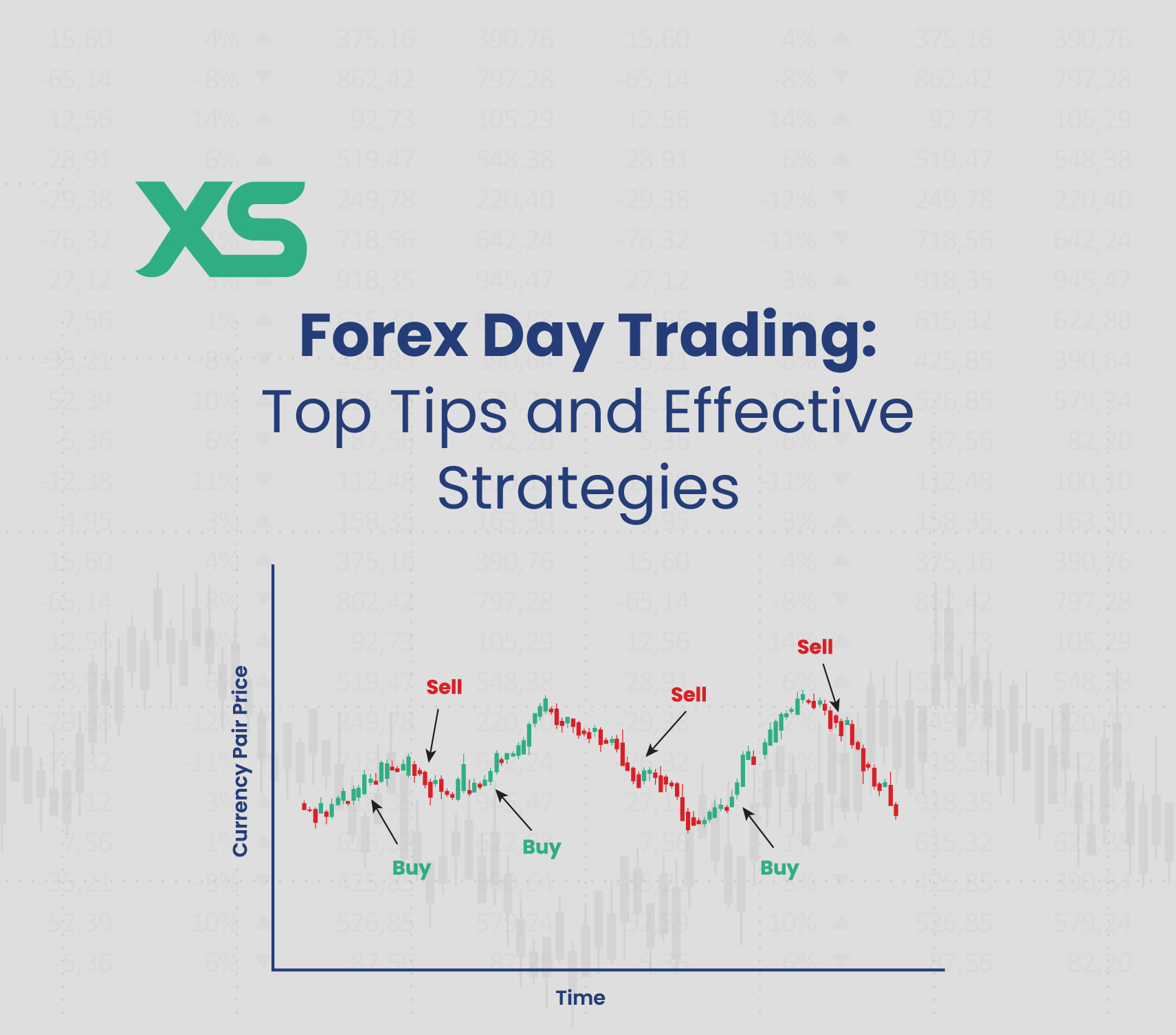
1. Select pair and time: Pick EUR/USD or GBP/JPY at 8 AM GMT. Volatility spikes here.
2. Set indicators: Use 14-period RSI and 5/10 EMA crossover. RSI above 70 signals overbought sells.
3. Entry rule: Buy on EMA bull cross if RSI <30. Sell opposite. Confirm volume uptick.
4. Exit and stops: Target 10 pips, stop-loss 5 pips. Trail stops after 5 pips profit.
5. Daily cap: Stop after 1% account gain or 3 losses.
For example, on EUR/USD, a London spike might yield three 10-pip scalps in 30 minutes. Evidence from Myfxbook verified accounts shows scalpers netting 2-5% daily with 65% wins.
Practice on demo first. You’ll notice patterns repeat, building rhythm for consistent profits.
What is the Breakout Strategy and How to Use It?
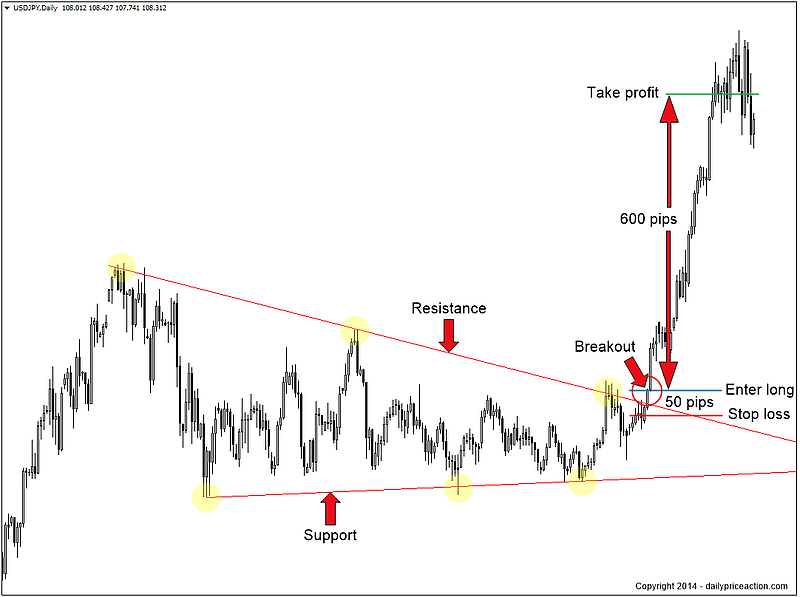
The breakout strategy spots price breaks above resistance or below support on 15-minute charts during high-volume sessions, using volume and Bollinger Bands for entries targeting 20-50 pips. Identify levels from prior highs/lows.
Draw lines on daily charts, then zoom to intraday. London open breaks 80% of fakeouts, per TradingView data.
Steps: 1) Mark support/resistance. 2) Wait for close beyond with volume spike. 3) Enter with stop below breakout bar. 4) Target 1:3 risk-reward.
On GBP/USD, a New York resistance break might run 40 pips. False breaks? Tight stops at 10 pips catch them.
Babypips forums report 55% win rates, compounding to 3% daily over 20 trades monthly.
How to Manage Risks Effectively in Forex Day Trading?
Manage risks in Forex day trading through a 4-step system of position sizing, stop-losses, 1% max risk per trade, and trade journals, leading to account preservation and steady growth. In detail, this framework turns volatile markets into profitable routines.
Position sizing comes first. Risk only 1% of your $10,000 account ($100) per trade. If stop-loss is 20 pips, trade 0.5 lots on EUR/USD (pip value $5).
Stop-losses protect every trade. Place 10-20 pips away based on recent swings, never moved wider.
Avoid overtrading by limiting 3-5 setups daily. Emotional control via journaling reviews wins/losses.
What Risk-Reward Ratio Should Day Traders Target?
Day traders should target a 1:2 risk-reward ratio or higher, risking 1% to gain 2%+ per trade for net positive expectancy. Calculate as profit potential divided by stop distance.

For a 20-pip stop, aim 40+ pips reward. This means even 40% win rate profits long-term.
Implementation: Scan setups pre-session. Skip if ratio under 1:2.
Benefits show in math—even 45% wins with 1:3 yield 1.35R expectancy. Forex Factory threads confirm traders doubling accounts yearly.
How Can Beginners Avoid Common Day Trading Pitfalls?
Beginners avoid pitfalls with rules against overleveraging, revenge trading, and news ignores through daily checklists and 1% sizing. Overleveraging kills fast; stick to 1:10 effective leverage.
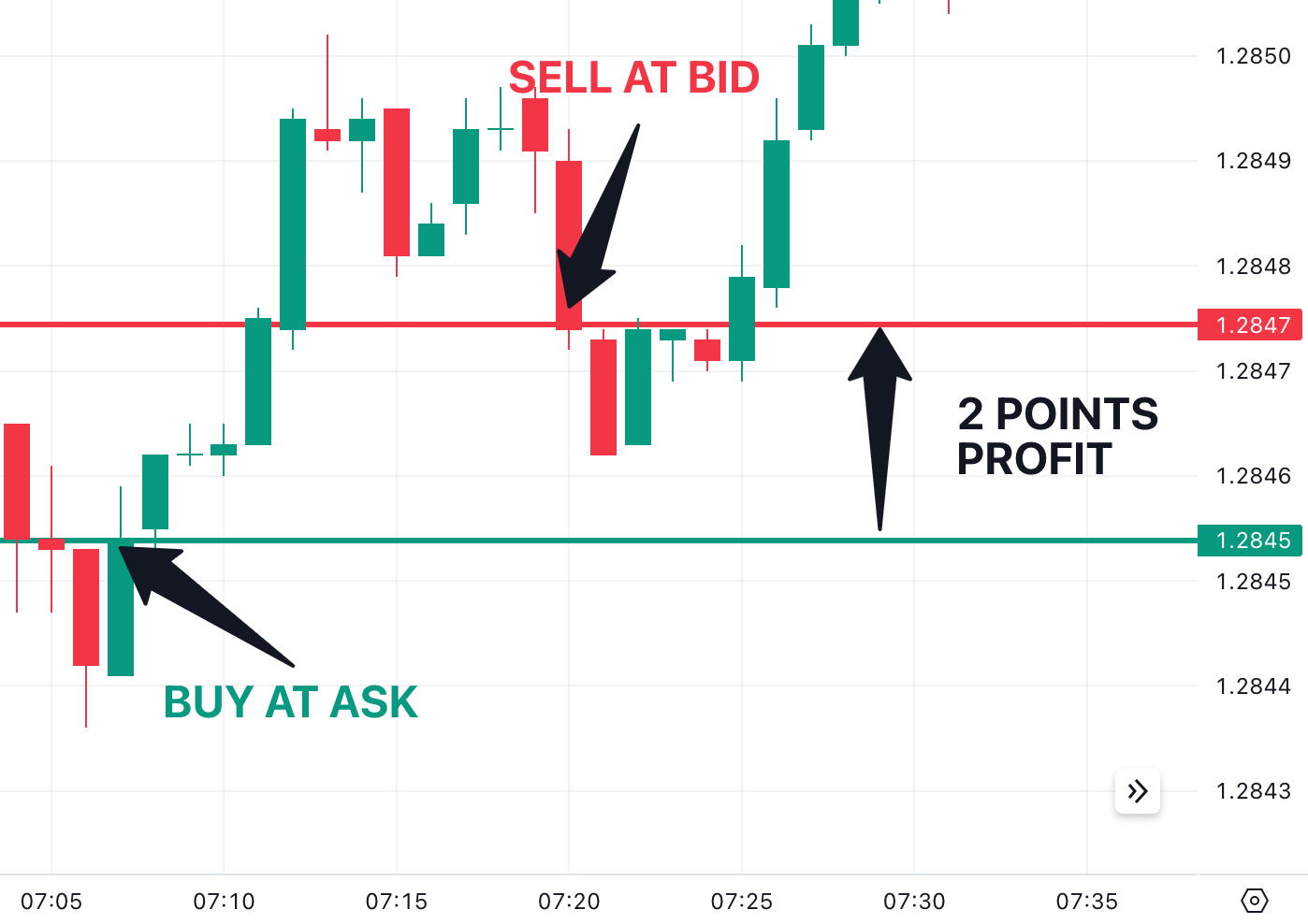
Revenge trading after losses? Pause 30 minutes, review journal.
Ignore news? Check Forex Factory calendar, skip trades near NFP.
Steps: 1) Size positions small. 2) Journal emotions. 3) Trade only A+ setups.
Data from EU regulators shows 74% retail losses from overleverage; disciplined traders invert this.
How Can Beginners Profit Daily with Forex Day Trading?
Beginners profit daily in Forex day trading by following a structured routine of pre-market prep, executing 3-5 high-probability trades, journaling results, and compounding 1-3% gains. This builds habits for sustainable income.
Start your day right. At 7 AM GMT, review economic calendars on Investing.com. Note red events like ECB rates, avoid trading 30 minutes around them. Scan EUR/USD, GBP/USD on 1-hour charts for setups from prior strategies.
Next, set profit targets. Aim 1-3% account daily, like $100-300 on $10,000. Hit it? Stop trading. This compounds fast—1.5% daily doubles in 48 days.
Trade during peaks. London 8-11 AM GMT for scalps, New York overlap for breakouts. Use MT4 alerts for entries.
Journal everything. Note entry reason, indicators, emotion, outcome. Weekly review spots patterns, like overtrading Fridays.
Backtest strategies. Download 6 months data, test 100 trades. Tweak RSI periods if win rate dips below 55%.
What if a losing day? Cut at 3% drawdown, analyze tomorrow. Consistency beats home runs.
Rhetorical question: Ever wonder why pros compound small wins? One trader shared on Elite Trader forums growing $5k to $50k in a year via 2% daily.
Incorporate EAs from Forex Expert Advisor Store for signals, but manual execution builds skill.
Scale up gradually. After 100 live trades, increase size. Demo backtests validate before live.
Daily profits compound. Week one: 1.5% daily on $10k = $107 extra. Month end: over 50% growth possible.
Stay disciplined. Miss a day? Market waits. This routine turns beginners into daily earners.
Advanced Tools and Comparisons for Mastering Forex Day Trading
Expert Advisors from the Forex Expert Advisor Store, combined with volatile pairs like GBP/JPY during London-Asian session overlaps, automate strategies and set day trading apart from scalping’s ultra-short holds and swing trading’s multi-day positions.
Furthermore, these tools enhance precision by integrating backtesting and real-time signals tailored for intraday profits.
What Are the Best Forex Pairs and Times for Day Trading?
Day traders target pairs with high liquidity and volatility to capture quick price swings. GBP/JPY stands out for its sharp movements, driven by economic news from the UK and Japan, often exceeding 100 pips daily. EUR/USD follows closely for its tight spreads and volume during major sessions.
:max_bytes(150000):strip_icc()/dotdash_Final_Top_Indicators_for_a_Scalping_Trading_Strategy_Sep_2020-01-c530bea4f4a84a34a89a4d74fdae1be8.jpg)
You’ll notice the Asian-London session overlap (8 AM to 12 PM GMT) delivers peak volatility as Tokyo winds down and London ramps up, ideal for breakout trades. Avoid quiet periods like late New York or full Asian sessions unless pairing with news events.
Why prioritize these? Data from major brokers shows GBP/JPY’s average true range hits 120 pips on volatile days, doubling EUR/USD’s 60 pips. Pair this with tools like pivot points for entry levels.
Practical tip: Use a demo account to track these windows over a week. Track volatility with ATR indicators to confirm setups.
How can you align your schedule? Focus on 2-3 pairs max.
- GBP/JPY for volatility chasers, best 7-10 AM GMT.
- EUR/USD for beginners, stable during London open.
- USD/JPY during Asian overlaps for yen-driven moves.
How Do Expert Advisors Automate Day Trading Strategies?
Expert Advisors (EAs) are automated scripts on MetaTrader platforms that execute trades based on predefined rules, removing emotional bias in fast-paced day trading. From the Forex Expert Advisor Store, options like trend-following EAs scan multiple pairs in seconds.
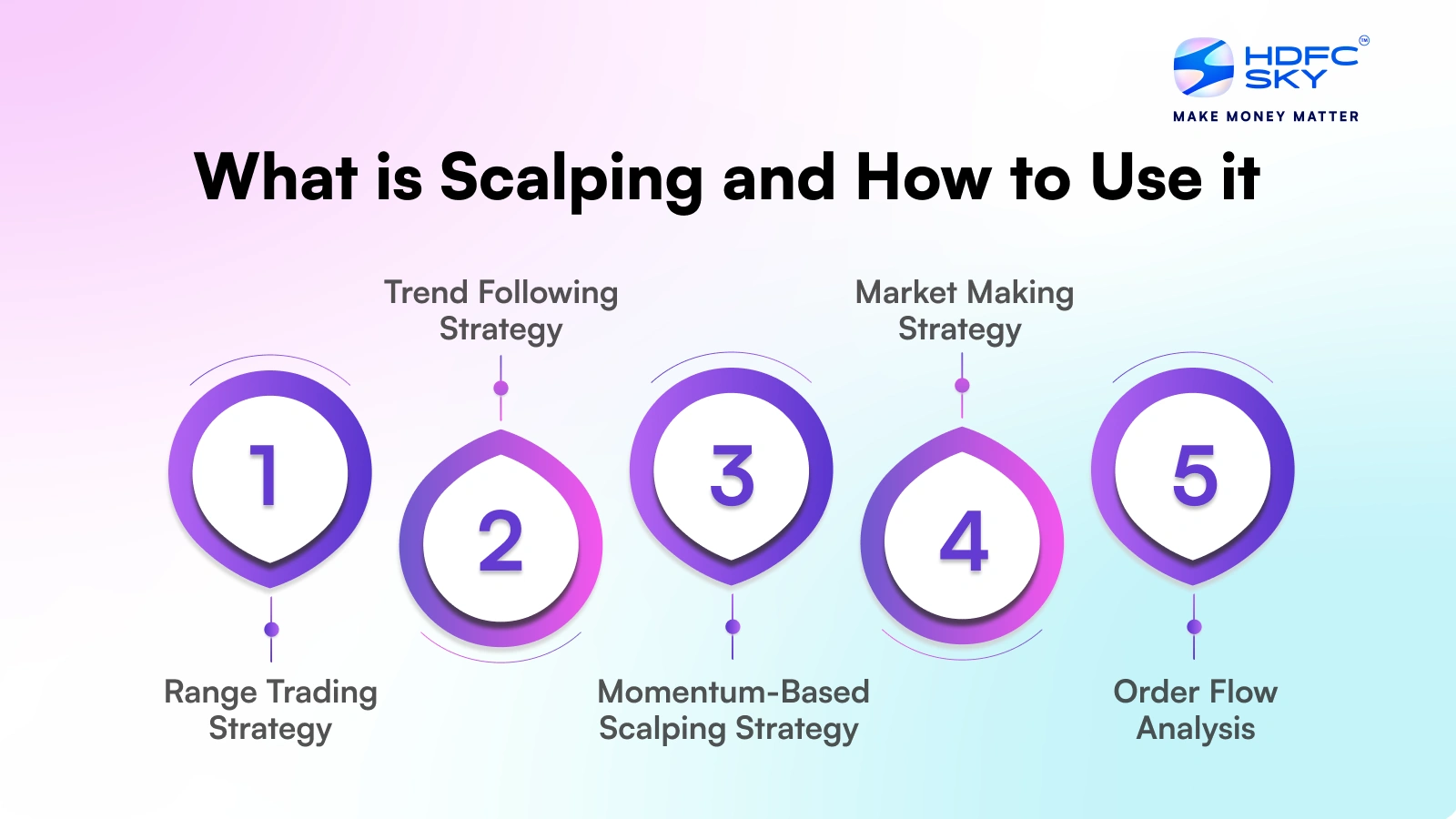
Backtesting reveals their edge: Run historical data on GBP/JPY to simulate 70-80% win rates in overlaps. They generate signals via algorithms detecting support breaks or RSI divergences.
Users ask, what makes store EAs reliable? They include risk managers capping drawdowns at 2% per trade. Setup takes minutes: Install, tweak lot sizes, and let it run on VPS for 24/7 uptime.
Compared to manual trading, EAs process 10x more data, catching moves humans miss.
Real-world application: Pair with London session filters for 5-10 daily trades.
- Backtest on 5 years of data before live use.
- Signals integrate news filters to dodge volatility spikes.
- Optimize parameters weekly for market shifts.
What is the Difference Between Day Trading and Scalping in Forex?
Day trading involves opening and closing positions within one session, typically holding 15 minutes to hours, aiming for 20-50 pips per trade. Scalping, by contrast, targets 5-10 pips over seconds to minutes with 50+ trades daily.
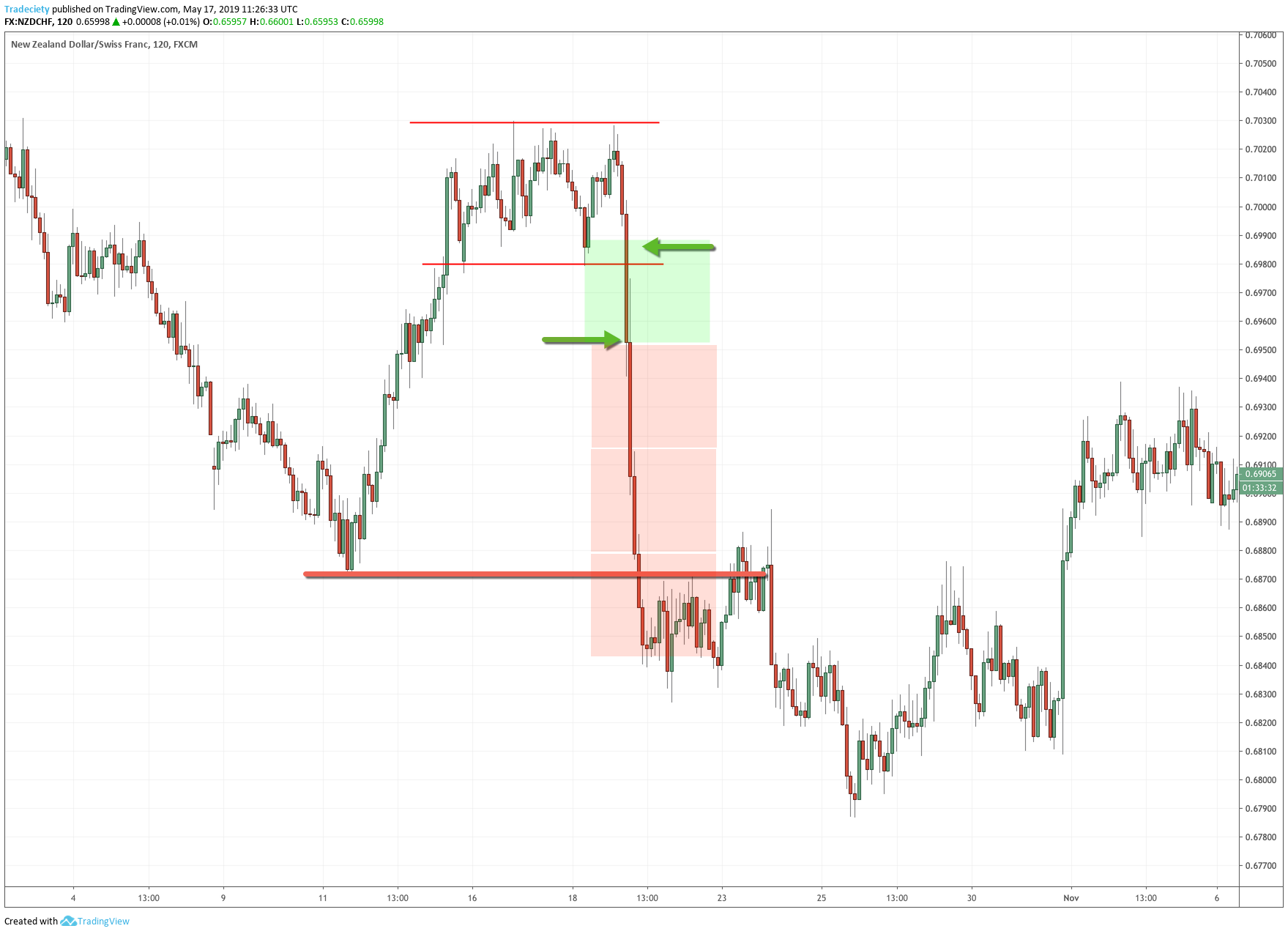
The key gap lies in frequency and stress: Scalpers chase micro-moves using 1-minute charts, while day traders use 15-30 minute timeframes for clearer trends. Scalping demands ultra-low spreads (under 0.5 pips) and high commissions tolerance, suiting brokers like IC Markets.
Day trading reduces overtrading risk but requires patience for setups. Research from Myfxbook shows scalpers average higher win rates (80%) yet lower profits due to costs, versus day traders’ 50% wins but larger gains.
Which fits you? Test both on demo: Scalp if you thrive on speed, day trade for sustainability.
Overnight holds? Absent in both, but scalping amplifies slippage risks.
- Holding periods: Seconds/minutes (scalping) vs. intraday (day trading).
- Trade frequency: 50-100+ (scalping) vs. 5-15 (day trading).
- Tools needed: Tick charts (scalping) vs. H1 indicators (day trading).
How Does Day Trading Forex Differ from Swing Trading?
Day trading confines activity to single sessions, closing all positions by market end to avoid gaps. Swing trading spans days to weeks, holding through nights for 100-300 pip swings based on technical patterns.

Time commitment sets them apart: Day trading needs 4-6 hours daily glued to screens, while swing suits part-timers checking twice daily. Overnight risk haunts swings, exposed to news like NFP reports causing 200-pip jumps.
Stats from broker logs indicate day traders face 10% drawdown swings versus swings’ 20-30% from holds. Day trading leverages intraday volatility, swing captures broader trends.
Ever wondered about work-life balance? Day trading demands focus, swing offers flexibility.
Risk tools differ: Day uses tight stops (10-20 pips), swing wider (50+).
- Time commitment: Full sessions (day) vs. occasional checks (swing).
- Overnight risk: None (day) vs. high (swing).
- Profit targets: Small, frequent (day) vs. larger, infrequent (swing).
What Role Do Custom EAs Play in Profitable Day Trading?
Custom EAs from the Forex Expert Advisor Store tailor automation to beginners, coding strategies like breakout systems for GBP/JPY overlaps. They backtest custom rules, projecting 5-15% monthly returns with 1:2 risk-reward.
For novices, store recommendations like “Day Trader Pro EA” include presets for low drawdown, integrating signals for London sessions. Customize via MQL4: Add volatility filters or martingale options cautiously.
Why custom over generic? They adapt to your risk tolerance, unlike off-the-shelf bots. User reports show 60% profit boosts after tweaks.
Start simple: Buy beginner EAs, forward-test 30 days.
How to profit? Combine with manual oversight for hybrid control.
- Store picks: “Scalp Master” for short holds, “Trend Day EA” for trends.
- Backtesting: Verify 1,000+ trades for edge.
- Recommendations: VPS hosting, 1% risk per trade for beginners.
