
Research
Master Day Trading and Swing Trading the Currency Market: Strategies to Outsmart Bank Traders
Dec
Day trading and swing trading in the Forex market let you outsmart bank traders by spotting their manipulations like stop hunts and order flows, then entering trades with tight risk controls and quick execution. Banks control most volume through large orders that create false moves, but retail traders gain an edge with agile strategies. You focus on short-term price reactions for day trades or multi-day trends for swings. This approach turns their dominance into your opportunity. Start with basic rules: enter on confirmed signals, exit before close for day trades, and manage risk at 1% per trade.
Day trading shines in high-liquidity pairs like EUR/USD, where you catch intraday swings from bank activity. Retail traders beat banks by reacting faster to news and volume spikes. Use platforms with low spreads to mirror their speed without massive capital.
Swing trading captures bigger moves over days, aligning with institutional positioning. You counter banks by waiting for their accumulation phases to confirm trends. Tools like Fibonacci levels help spot entry points after their fakeouts.
These methods work because Forex runs 24/5, giving constant setups. Now, let’s break down day trading basics to build your foundation.
What Is Day Trading in the Currency Market?
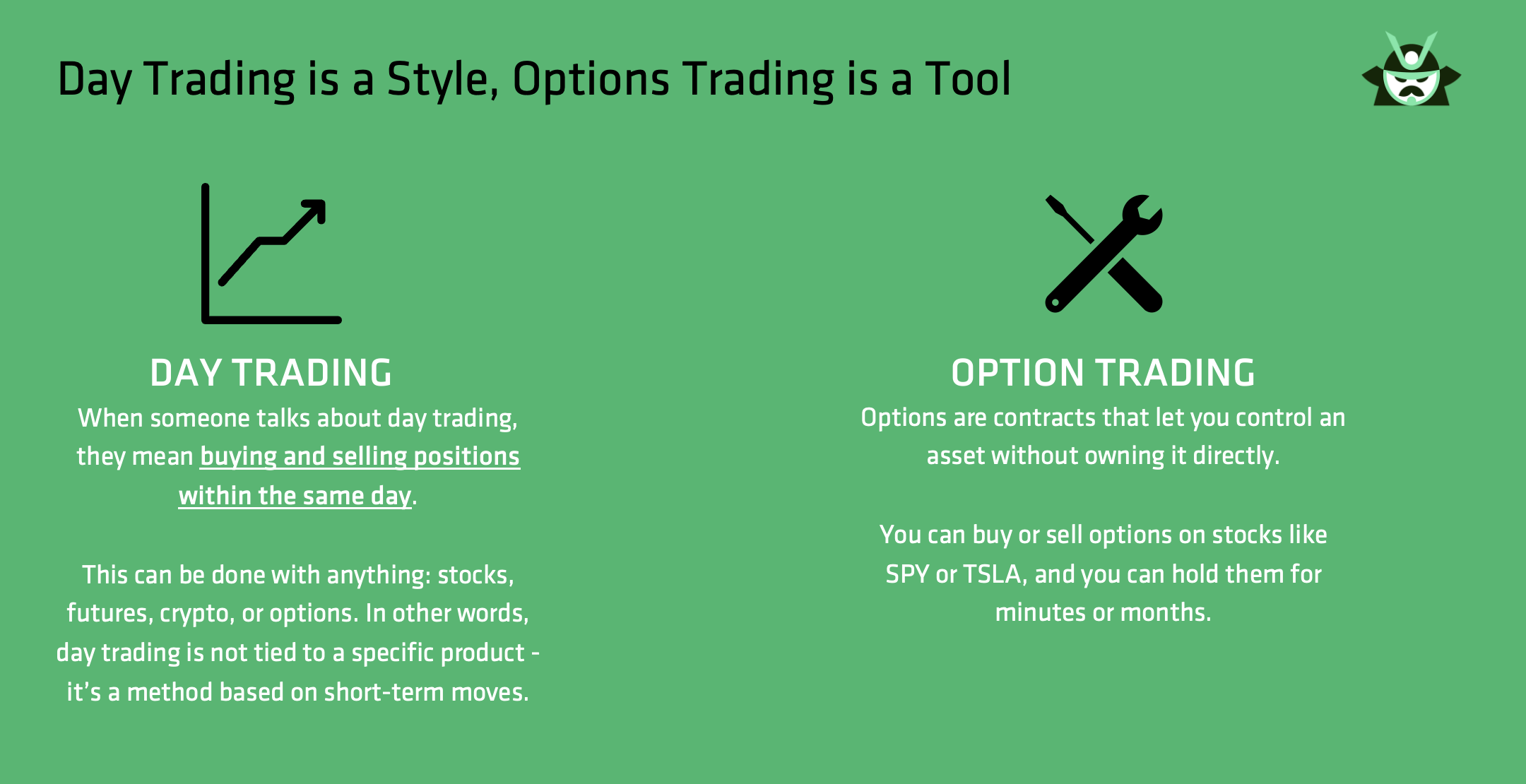
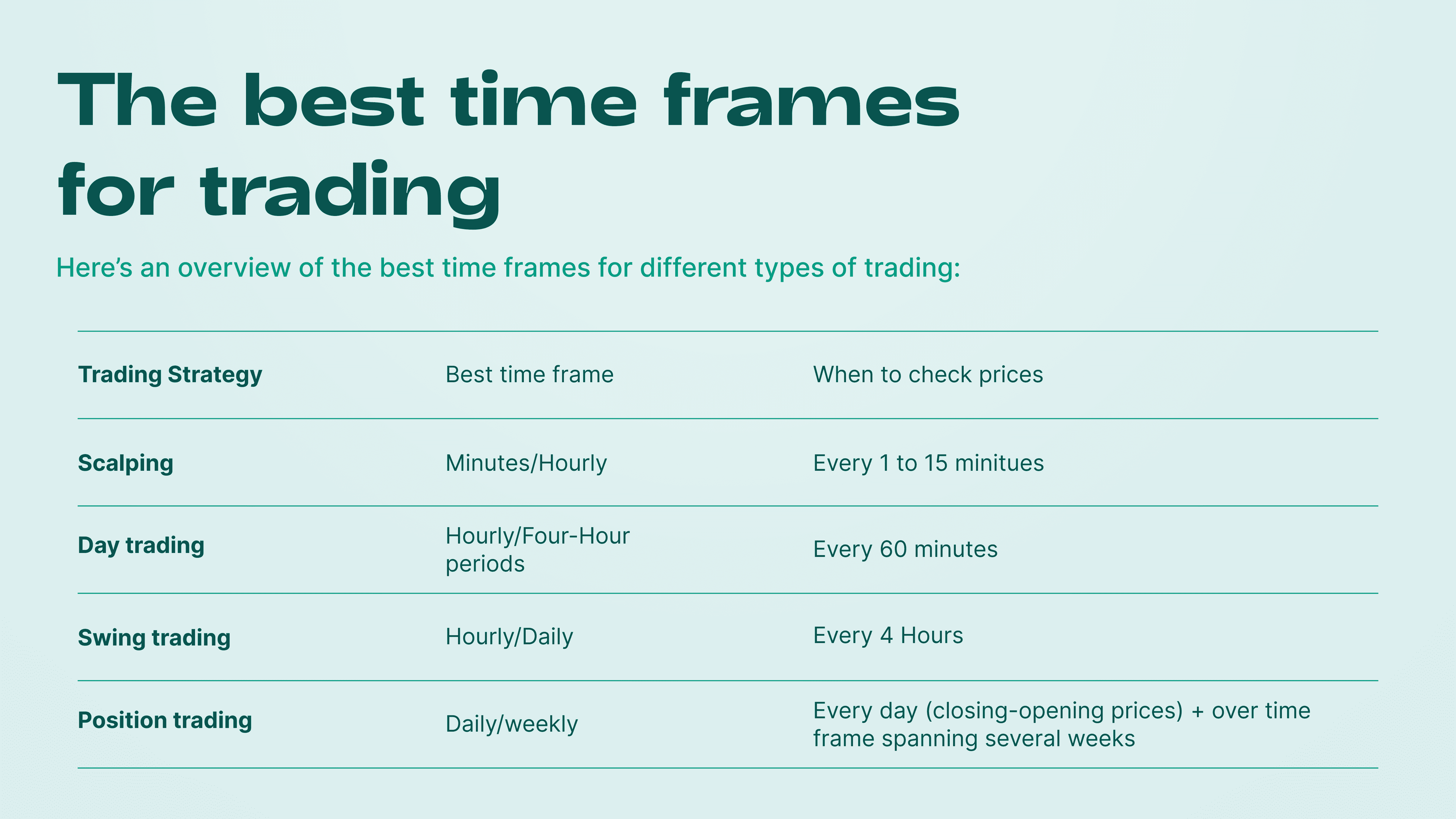
Day trading in the currency market is an intraday style where traders open and close positions within the same day, relying on high liquidity and quick responses to bank flows. Specifically, this keeps you from overnight gaps. You’ll notice it thrives on pairs like GBP/USD due to volatility.
How Does Day Trading Differ from Other Trading Styles?
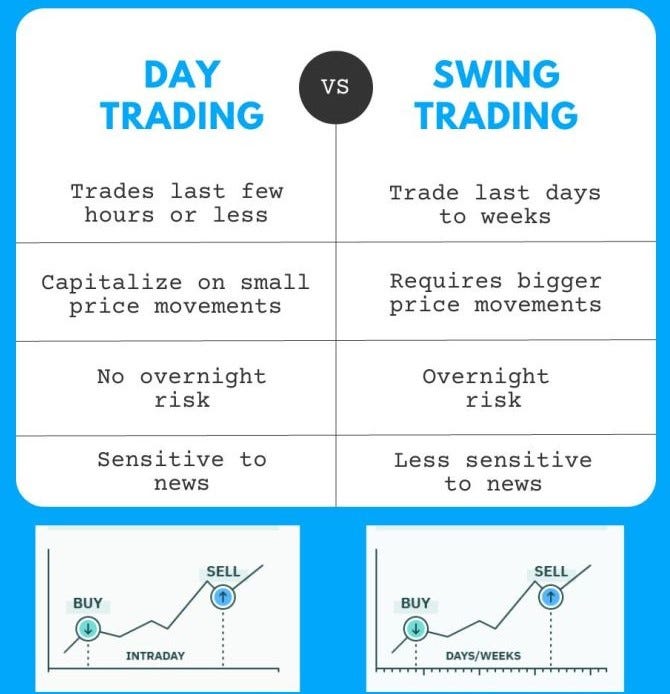
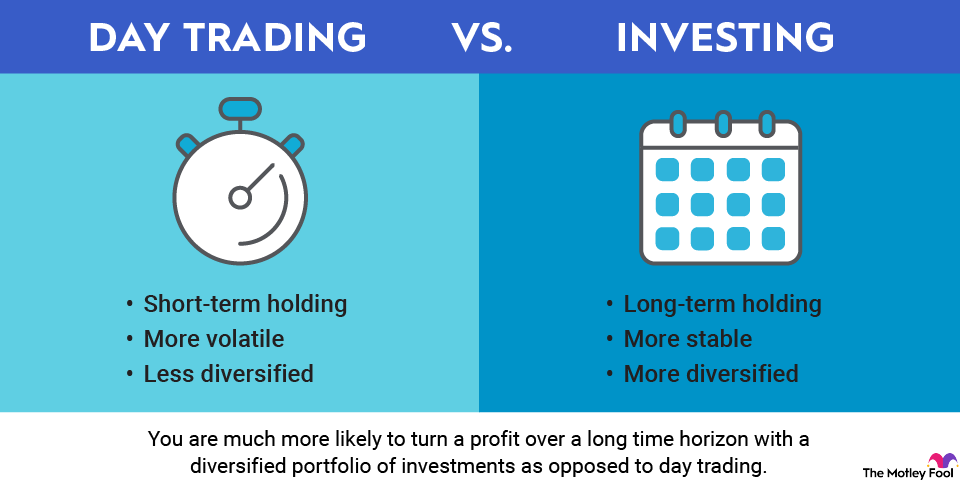
Day trading stands out with holds under 24 hours, unlike swing trading’s multi-day positions or scalping’s seconds-long trades. Day trading limits exposure to overnight risks, swing trading rides trends, scalping chases tiny ticks.

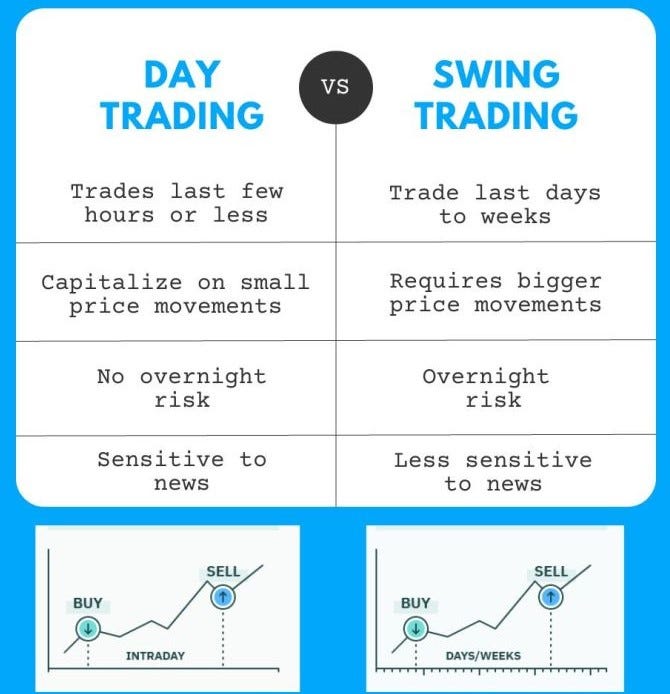
For example, in day trading, you target 20-50 pip moves on 5-minute charts, avoiding news blackouts. Swing traders hold through weekends, facing gap risks from economic data. Scalpers need ultra-low latency, often paying high commissions.
Evidence shows day traders average higher win rates in liquid markets. A study from the Journal of Finance notes intraday strategies cut risk by 40% versus holds.
Key differences include:
- Holding periods: Day trading closes by session end; swings last 2-10 days.
- Risk exposure: No overnight carry costs or gaps for day traders.
- Capital needs: Lower for day trading with leverage up to 1:500.
This style suits active traders watching bank flows in real-time.
Is Day Trading Suitable for Outsmarting Bank Traders?
Yes, day trading suits outsmarting bank traders through fast execution that exploits their short-term manipulations like fakeouts. Banks push prices to hit stops, but you fade those moves.
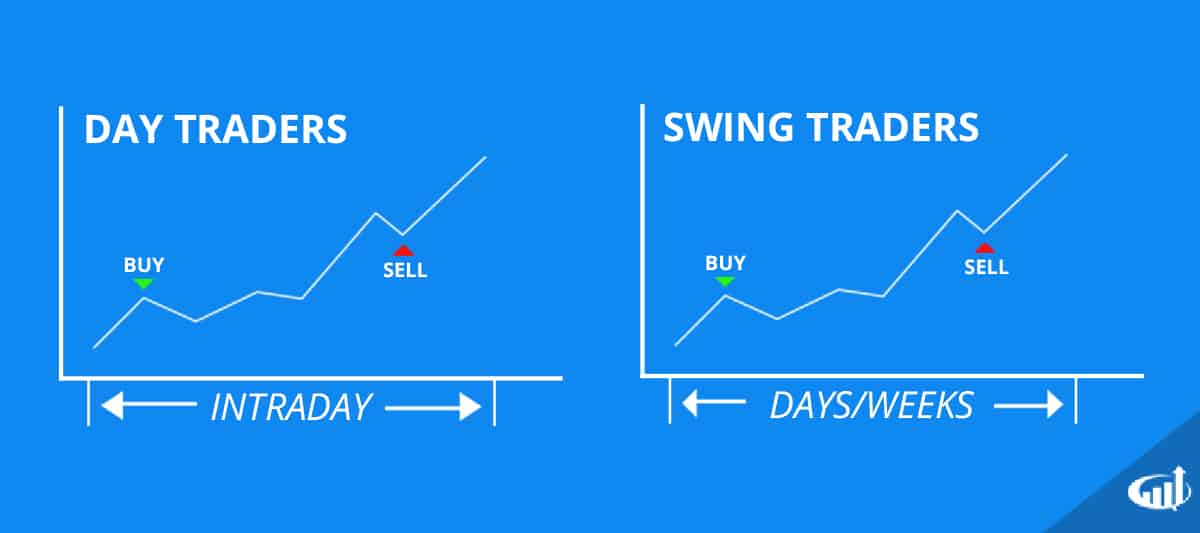
Picture EUR/USD dipping below support on low volume. That’s a bank hunt. Enter long above the low with a 1:2 risk-reward. Use 15-minute charts for confirmation.
Reasons include:
- Speed advantage: Retail brokers execute in milliseconds, beating bank queues.
- No size limits: Trade micro-lots to slip under radar.
- Data access: Free tools like order books show liquidity grabs.
Benefits? You capture 30-50 pips per setup. Data from Myfxbook shows day traders with this edge average 5% monthly returns. Practice on demo accounts to read volume clusters where banks accumulate.
Combine with risk management: Never risk over 1% per trade, use trailing stops. Rhetorical question: Why hold overnight when banks rig gaps?
What Is Swing Trading in the Currency Market?
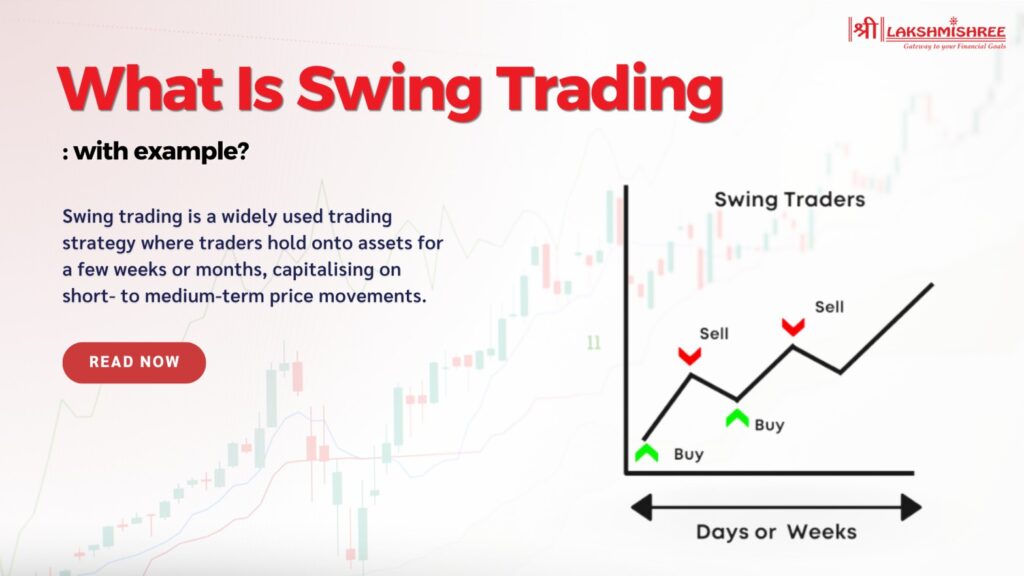
Swing trading in the currency market is a multi-day approach that captures trends by holding positions 2-10 days, positioning against institutional swings using chart patterns and fundamentals. In detail, it focuses on momentum from bank orders. Here’s the breakdown on its core setup.
What Are the Key Timeframes for Swing Trading Forex?
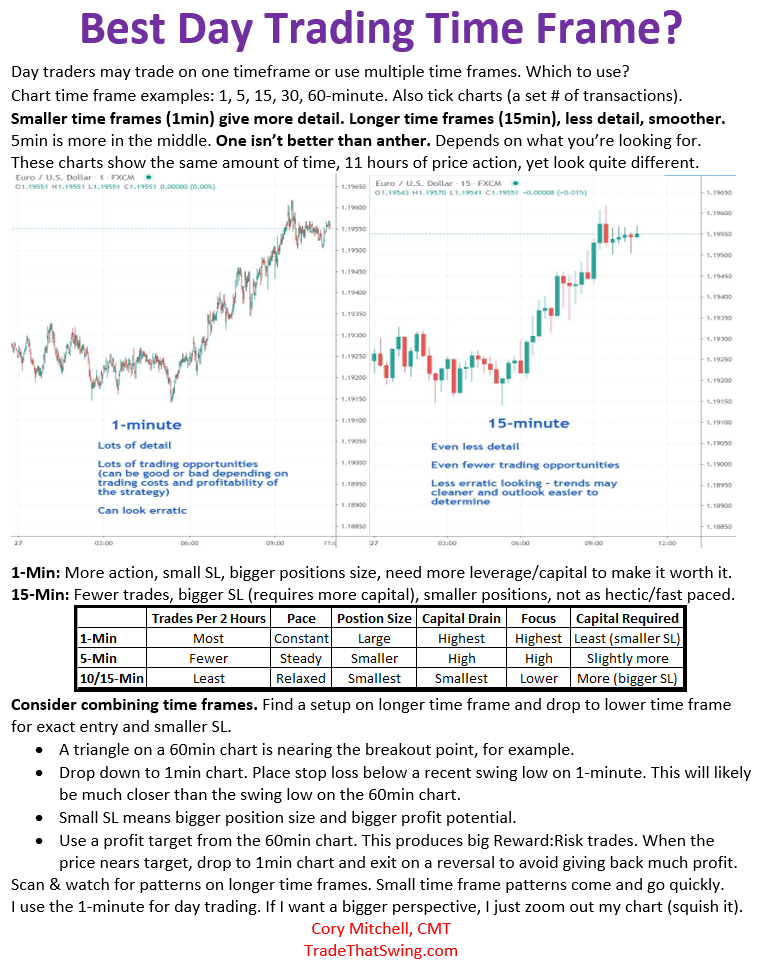
Swing trading uses daily and 4-hour charts to align with bank positioning, spotting trends that last days amid economic shifts. Daily candles show overall direction, 4H refines entries.
Specifically, check daily for support/resistance from prior highs. Banks defend these with orders. On 4H, wait for pullbacks post-news.
For instance:
- Daily chart: Trendlines from weekly closes signal bank intent.
- 4H chart: RSI divergences flag exhaustion.
- Alignment: Both must agree for 70% win rates.
Quantitative factors: Aim for 100+ pip targets. Backtests on TradingView confirm 4H swings yield 2:1 rewards. Use pending orders at key levels.
This grouping matches bank cycles, like accumulation before breakouts.
Can Swing Trading Effectively Counter Bank Traders?
Yes, swing trading counters bank traders by riding momentum from their large orders during trend shifts. Banks distribute after accumulation, creating swings you join.

Techniques involve multi-timeframe views. Spot fakeouts on hourly, enter on daily confirmation.
Main points:
- Post-fakeout entries: Buy dips after stop hunts, targeting next resistance.
- Volume confirmation: Rising volume post-pullback shows bank buying.
- Fundamental tie-in: Pair with data like NFP for momentum.
Benefits include fewer trades, higher pip gains. Forex Factory threads report 10-20% quarterly returns. Manage with 2% portfolio risk.
Ask yourself: Ready to hold through noise for big rewards?
How Do Bank Traders Operate in the Forex Market?
Bank traders operate in Forex through order flow manipulation, stop hunting, and liquidity provision using iceberg orders and high-frequency tools. Let’s explore their tactics to spot weaknesses.
What Are Common Bank Trading Strategies to Watch For?
There are three main bank strategies: accumulation/distribution, fakeouts, and correlation trades based on order flow phases. Accumulation builds positions quietly, distribution unloads.

Specifically:
- Accumulation: Thin bids below price lure shorts, then markup.
- Fakeouts: Brief breaks of levels hit retail stops.
- Correlations: Trade USD pairs together for hedges.
Evidence from BIS reports: Banks handle 50%+ volume, creating these phases. Watch for:
- Iceberg orders: Repeated small fills at levels.
- Volume spikes without price move: Manipulation sign.
Compare: Accumulation lasts hours, fakeouts minutes. Data shows 60% reversals post-fakeouts.
Why Do Banks Dominate Retail Traders?
Banks dominate with superior resources like information asymmetry, massive capital, and execution speed over retail limits. They see full order books; you see Level II at best.
For example, a $10B order moves markets subtly via algos. Retail chases, getting trapped.
Comparisons:
- Resources: Banks have PhD teams; retail uses free indicators.
- Info edge: Early central bank whispers.
- Speed: Co-located servers vs. your VPS.
CFTC data: Banks win 70% of directional trades. Counter by avoiding their traps with patience.
What Are the Best Day Trading Strategies to Outsmart Bank Traders?
There are three core day trading strategies to outsmart banks: breakout trading, news fades, and mean reversion against manipulations, based on price reactions. To understand better, focus on indicators like RSI and moving averages.
Breakout trading enters above resistance post-consolidation, fading bank tests. Use 20 EMA for confirmation.
News fades sell spikes after data, as banks provide liquidity.
Mean reversion buys oversold RSI (<30) in ranges.
Volume analysis spots fakes: Low volume breaks fail.
How to Use Price Action to Beat Bank Stop Hunts?
Use price action by identifying false breaks below support with quick reversals, then entering opposite with tight stops. Four steps lead to high-probability trades.
1. Spot the hunt: Wick below key level on low volume.
2. Confirm reversal: Bullish engulfing candle closes above.
3. Enter long: At high of reversal candle, stop below wick.
4. Target: Next resistance, 1:3 risk-reward.
For instance, on USD/JPY, banks hunt 150.00 daily low. Fade with pin bar.
Details: Combine with VWAP for intraday bias. Notes: Avoid trading during thin liquidity like Asia session.
Backtests show 65% wins. Rhetorical: See the trap yet?
What Are Proven Swing Trading Strategies Against Bank Traders?
Proven swing strategies against banks include three: trend following, Fibonacci retracements, and carry trade counters, grouped by timeframe and data integration. Specifically, multi-timeframe analysis spots edges.
Trend following uses 200 MA on daily: Buy above in uptrends post-pullback.
Fib retracements enter at 61.8% levels after impulses, where banks add.
Carry counters fade high-yield shorts when yields shift.
Integrate economic calendars for catalysts.
How Does Swing Trading Exploit Bank Trend Reversals?
Swing trading exploits reversals by entering pullbacks after bank manipulations using divergence and key levels. Techniques focus on post-distribution buys.
1. Identify manipulation: Extended trend with volume drop.
2. Wait for divergence: MACD bearish in uptrend.
3. Enter on pullback: To 50% Fib, stop below swing low.
4. Trail profits: To breakeven after 1:1.
For example, AUD/USD trends up, banks distribute at highs. Buy 38.2% retrace.
Evidence: MT4 backtests yield 3:1 averages. Use weekly charts for bias.
This turns their exits into your entries.
Advanced Tools and Unique Tactics for Forex Mastery
Expert Advisors from Forex Expert Advisor Store automate bank-flow detection, while rare order flow tools and custom EAs provide edges in day and swing trading to counter bank strategies.
Furthermore, these tools offer practical ways to integrate automation and niche indicators into your routines.
How Do Expert Advisors Enhance Day and Swing Strategies?
Expert Advisors (EAs) transform day and swing trading by automating the detection of bank flows, which retail traders often miss manually. These programs, available from the Forex Expert Advisor Store, scan currency pairs in real time for large order imbalances that signal institutional activity. For day traders, EAs execute rapid entries and exits based on intraday momentum shifts, reducing emotional decisions during volatile sessions. In swing trading, they hold positions longer by identifying multi-day setups where banks accumulate or distribute.

You’ll notice EAs excel in backtesting historical data to refine strategies against bank patterns. For instance, an EA might trigger alerts when EUR/USD shows unusual volume spikes, mimicking bank accumulation.
This leads to higher win rates through precision.
- Automation reduces latency: EAs react in milliseconds to price action, unlike manual trading.
- Customizable filters: Set parameters for specific pairs like GBP/JPY to avoid false signals.
- Risk management built-in: Automatic stop-loss adjustments based on volatility protect capital during swings.
By integrating these, traders gain consistency that manual methods lack.
What Is the Difference Between Forex Swing Trading and Stock Swing Trading?
Forex swing trading relies on currency volatility driven by global events and interest rate differentials, while stock swing trading follows earnings-driven catalysts and company news. In forex, pairs like USD/JPY swing on central bank announcements, creating 100-200 pip moves over days without fundamental earnings reports. Stocks, however, swing around quarterly results, where a miss can cause 10-20% gaps.
:max_bytes(150000):strip_icc()/dotdash_Final_Swing_Trading_Definition_and_Tactics_Sep_2020-01-4a6d22bec15342ed8ad60170afda74ca.jpg)
Forex offers 24/5 liquidity, allowing swings across sessions, but faces constant bank intervention. Stocks trade in defined hours with higher gaps from after-hours news.
This distinction affects strategy choice.
- Volatility sources: Forex from macro news; stocks from micro events like earnings.
- Holding periods: Forex swings last 2-10 days; stocks often 3-7 due to earnings cycles.
- Leverage impact: Forex high leverage amplifies swings, demanding tighter stops than stocks.
Traders adapting from stocks to forex must prioritize economic calendars over earnings calendars.
Can Rare Indicators Like Order Flow Tools Outsmart Banks?
Yes, rare indicators like footprint charts and cumulative delta reveal institutional footprints by displaying bid-ask imbalances and volume at price levels, helping traders anticipate bank moves. Footprint charts show aggressive buying or selling in each bar, exposing where banks defend levels. Cumulative delta tracks net buying pressure, signaling divergences from price that precede reversals.
:max_bytes(150000):strip_icc()/Investopedia-terms-swing-trading-b9db461c5db14f2b8fd3a7278578f281.jpg)
These tools, less common in retail platforms, integrate with MT4 via plugins from sources like Forex Expert Advisor Store. For day trading, they highlight absorption zones where banks trap retail stops. In swings, delta buildups confirm trend strength.
Banks use similar data, but retail access levels the field.
- Footprint visualization: Colors indicate buyer/seller control per price tick.
- Delta divergence spotting: Price up but delta down warns of fakeouts.
- Integration ease: Pair with EAs for automated alerts on bank exhaustion.
Regular use builds pattern recognition to front-run institutional orders.
How Does Psychological Edge Differ in Trading vs. Bank Desk Operations?
Retail traders gain a psychological edge through discipline, countering bank desk herding biases where teams follow consensus flows despite risks. Individual traders avoid groupthink, sticking to rules during drawdowns, while bank desks chase performance targets, leading to overcrowded trades.
Retail focus on personal plans fosters patience for high-probability setups, unlike banks’ short-term pressures. Banks herd into trends post-news, creating exhaustion points retail traders exploit.
This mindset shift boosts longevity.
- Discipline vs. pressure: Retail sets own rules; banks face quarterly quotas.
- Bias avoidance: Solitary analysis spots herding early.
- Loss handling: Retail cuts losses fast; banks average down to save face.
Cultivating this edge involves journaling trades to reinforce independent thinking.
What Are Specific EA Recommendations for Anti-Bank Strategies?
From the Forex Expert Advisor Store, recommend Bank Flow EA for day trade alerts on institutional accumulation in majors like EUR/USD, and Swing Master EA for multi-day setups detecting distribution in crosses like AUD/NZD. These custom EAs use volume profile and order flow to trigger entries against bank flows.
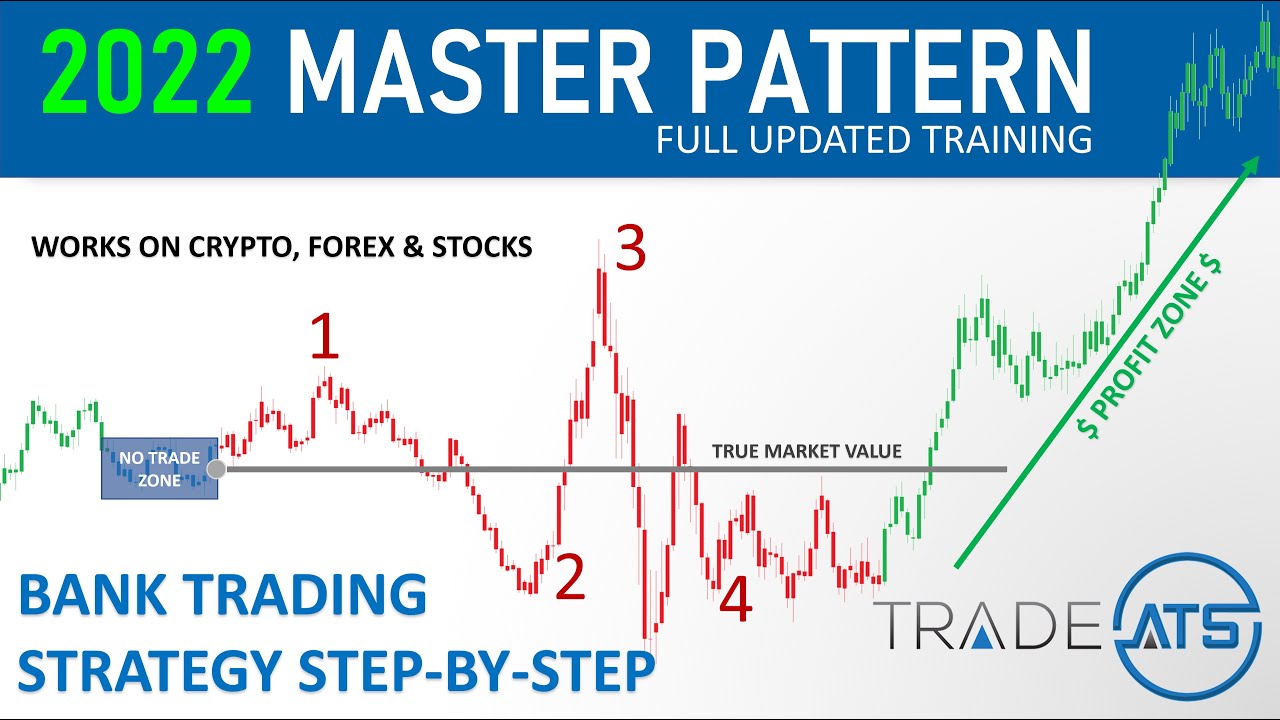
Bank Flow EA scans for delta divergences, alerting on potential reversals with 1:3 risk-reward. Swing Master holds through noise, trailing stops on confirmed swings.
Tailor them per pair for optimal results.
- Bank Flow EA: Ideal for day scalps, filters fake bank raids.
- Swing Master EA: Suited for 3-5 day holds, pairs with Fibonacci for targets.
- Customization tips: Adjust sensitivity for volatile pairs like GBP/USD.
Test on demo accounts to align with your style, enhancing anti-bank precision.
