
Research
Master Currency Trading: Forex Essentials for Beginners
Mastering currency trading means learning the basics of Forex, the global market for exchanging currencies, through understanding key pairs, trading mechanics, sessions, orders, risks, and management strategies to trade confidently. Forex stands as the largest financial market worldwide, with daily turnover exceeding $7 trillion, according to the Bank for International Settlements. Beginners enter this space by focusing on core elements like currency pairs such as EUR/USD and how prices move in pips. You buy one currency while selling another, aiming to profit from rate fluctuations driven by economic news or geopolitical events. This approach builds a strong foundation. Think of it as comparing the value of dollars to euros, much like checking exchange rates at an airport kiosk, but on a massive scale with real-time opportunities.
Forex suits newcomers due to its low entry barriers, including small account sizes starting at $100 and free demo accounts from most brokers. Platforms offer educational tools, charts, and practice modes without risking real money. You can start with micro lots, trading just 1,000 units of currency, which keeps potential losses tiny. Brokers provide leverage up to 1:500, though using it wisely matters.
Major currency pairs like EUR/USD and GBP/USD dominate Forex volume, accounting for over 70% of trades. These pairs feature the US dollar paired with strong economies like the eurozone or UK, offering tight spreads and predictable movements. Minors exclude the dollar, such as EUR/GBP, while exotics involve emerging markets like USD/TRY.
Many beginners overlook trading sessions, but timing them right boosts success. With that base covered, let’s break down the details starting with what Forex trading really involves.
What is Forex Trading?
Forex trading is the decentralized global market for exchanging national currencies, operating 24 hours a day five days a week with high liquidity from banks, institutions, and retail traders. Specifically, this setup allows constant access without a central exchange.
Why is Forex Ideal for Beginners?
Forex appeals to beginners through accessible entry points like low minimum deposits, demo accounts, and simple spot market trades executed over-the-counter. The spot market lets you buy or sell currencies instantly at current prices, bypassing complex futures contracts. No central exchange means brokers match your trades directly, speeding up the process.

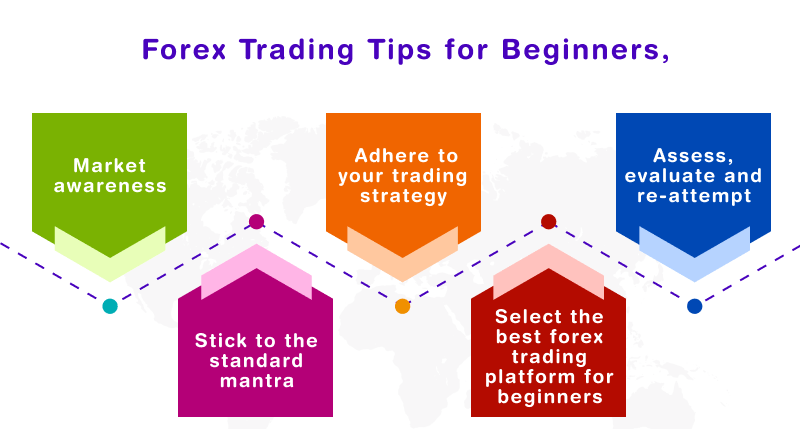
For example, you need only $100 to open an account with many brokers, far less than stock trading requirements. Demo accounts mimic live conditions, letting you practice strategies risk-free. High liquidity ensures quick order fills, even for small trades.
You’ll notice over-the-counter trading reduces costs with tight bid/ask spreads, often under 1 pip for majors. This structure supports beginners testing ideas without high fees. Data from broker reports shows 80% of new traders use demos first, building confidence before going live.
In short, these features make Forex approachable. Have you tried a demo yet? It changes everything.
What are the Major Currency Pairs in Forex?
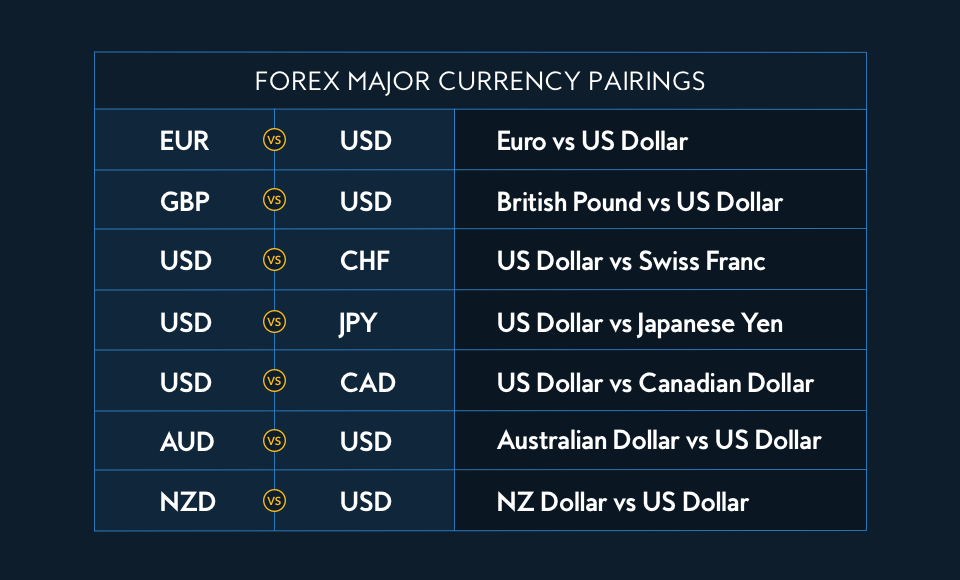
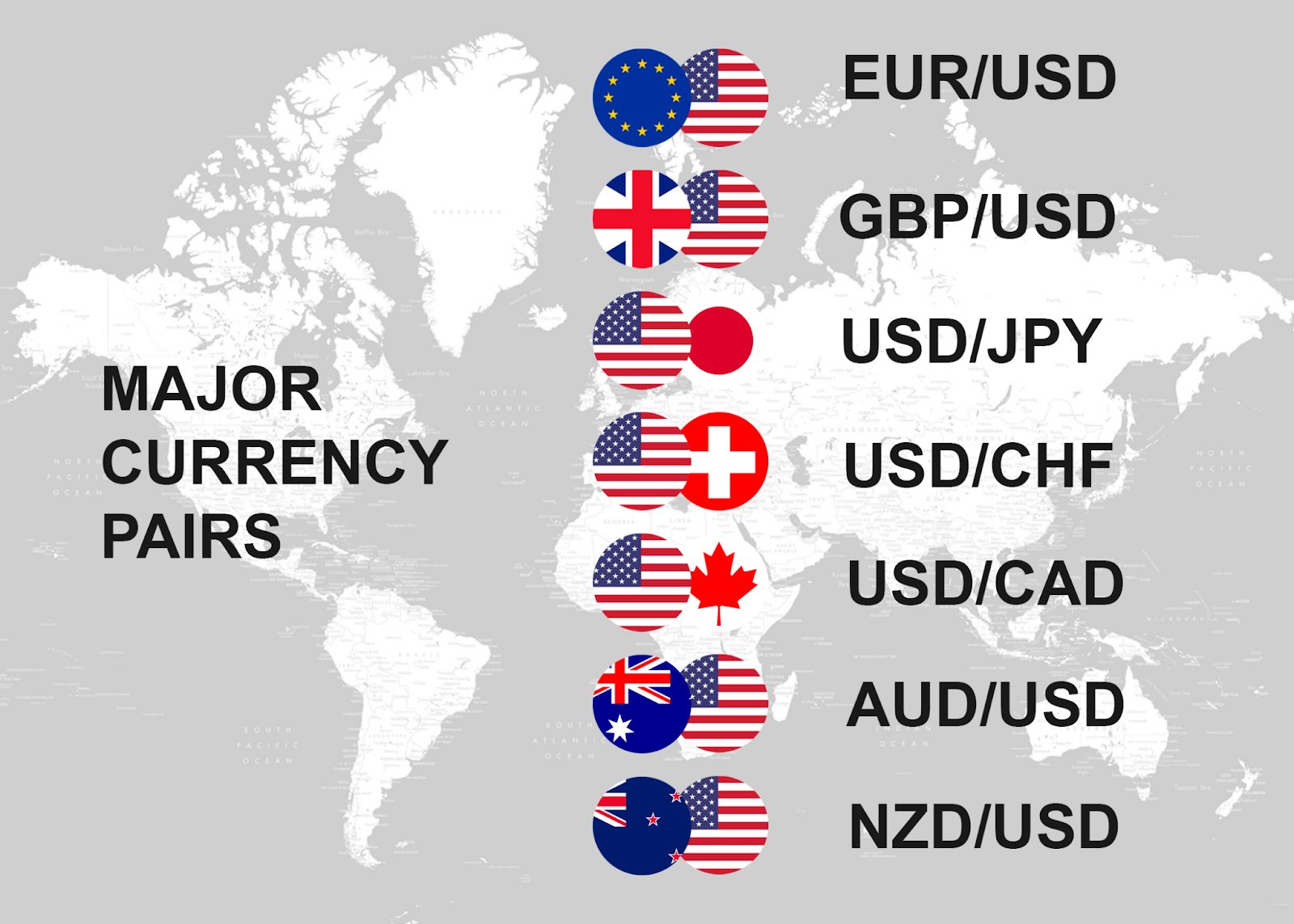
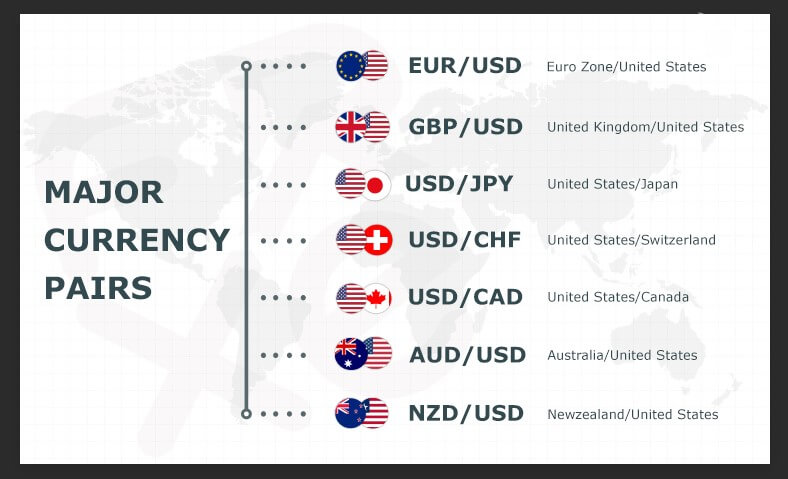
There are three main groups of currency pairs: majors (EUR/USD, GBP/USD, USD/JPY), minors (EUR/GBP, AUD/NZD), and exotics (USD/TRY, EUR/ZAR), classified by liquidity and involvement of the US dollar. Majors include the dollar with top economies, offering the most volume.

Base and quote currencies define each pair: in EUR/USD, euro is base, dollar is quote, so 1.10 means 1 euro buys 1.10 dollars. Pip value, the smallest price move (usually 0.0001), measures profit/loss; for EUR/USD, a pip on a standard lot equals $10.
Majors like EUR/USD trade over 20% of daily volume, per BIS data, with low spreads under 1 pip. GBP/USD reacts sharply to UK data. Minors lack the dollar but pair liquid currencies, like EUR/GBP for euro-pound dynamics. Exotics feature higher spreads and volatility, suiting advanced traders.
Why focus on majors first? They predictably follow news like Fed rates. Compare: EUR/USD pip value stays consistent, unlike exotics’ wider swings. Start here for steady learning.
How Does Forex Trading Work for Beginners?
Forex trading works by buying one currency low and selling it high (or short selling high then buying low), using long/short positions, leverage, and lot sizes through bid/ask spreads in five main steps for profitable trades. Here’s the breakdown of these mechanics.
You place trades via a broker’s platform like MetaTrader 4. Bid price is what buyers pay, ask what sellers receive; spread is the difference, your entry cost. Long positions bet on price rises, short on falls.
Lot sizes scale exposure: standard (100,000 units), mini (10,000), micro (1,000). Beginners pick micro lots for control. Leverage borrows broker funds, say 1:100 turns $1,000 into $100,000 position, but amplifies losses too.
Core process: Analyze charts, pick pair, choose position, set order, monitor. Profits calculate as pip moves times lot size times pip value.
What are the Key Forex Trading Sessions?
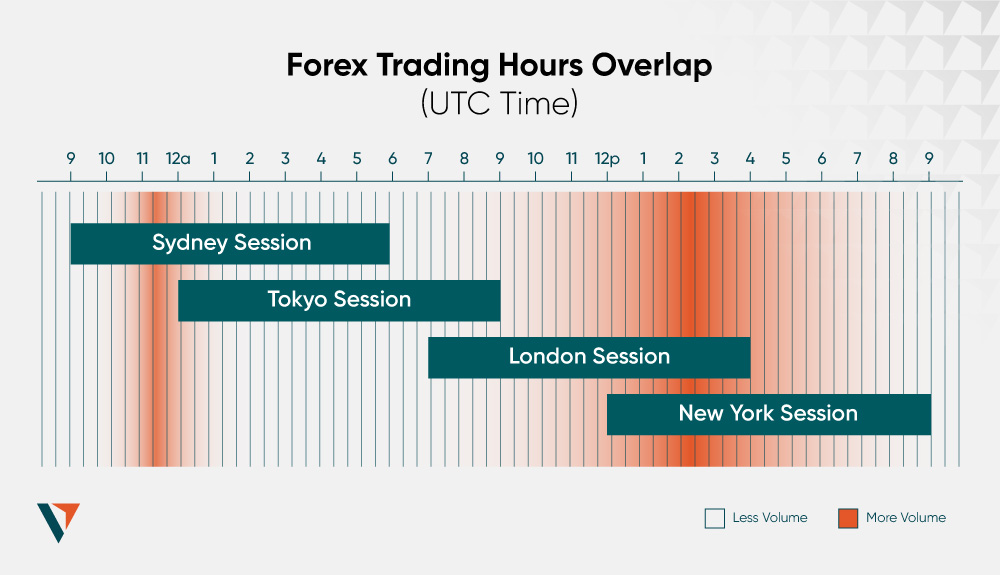
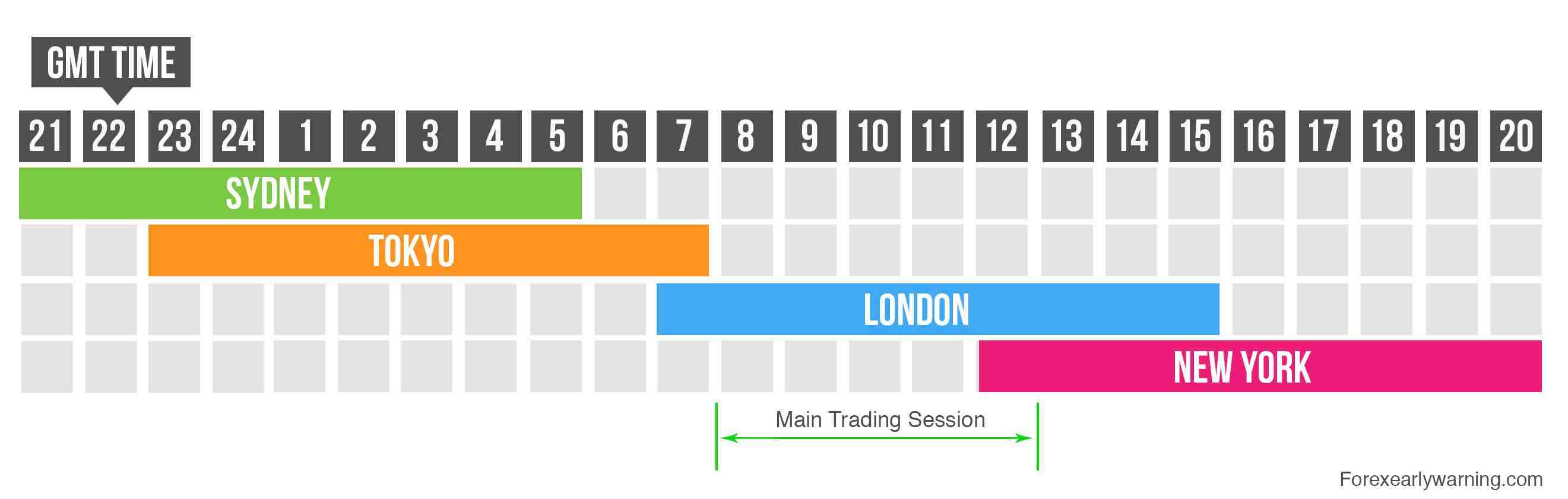
There are three primary Forex sessions: Asian (Tokyo), London, and New York, with overlaps creating peak volatility based on regional activity. Time zones dictate overlaps like London-New York (8 AM-12 PM EST) for highest volume.
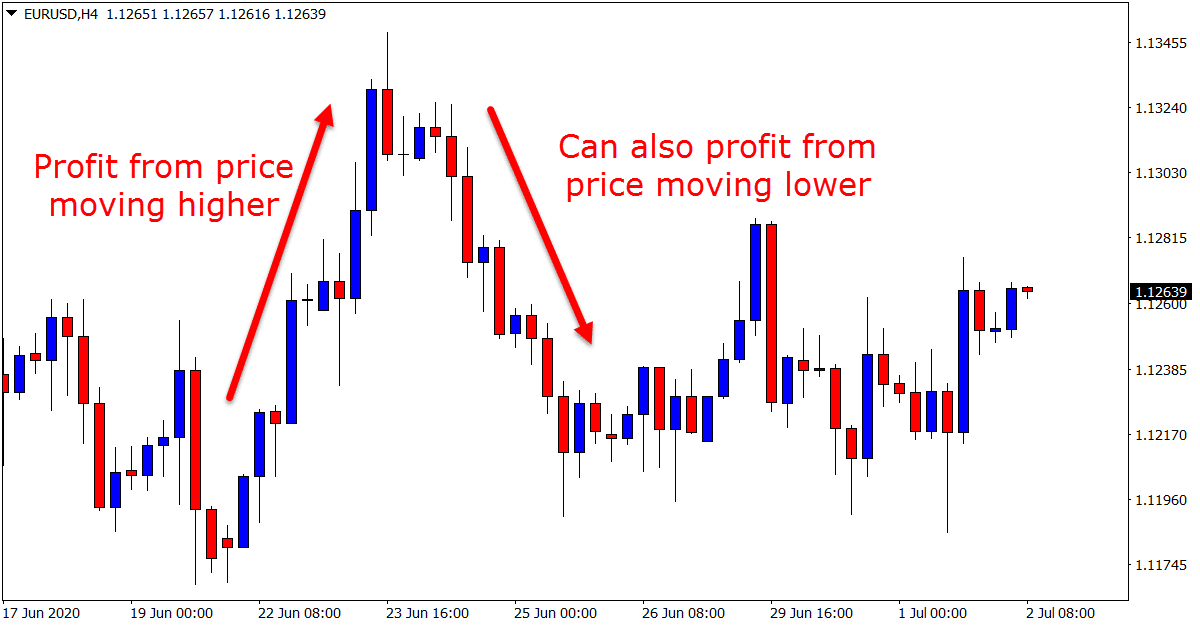
Asian session (7 PM-4 AM EST) features JPY pairs, calmer with AUD/NZD moves. London (3 AM-12 PM EST) handles 30% of volume, driving EUR/GBP. New York (8 AM-5 PM EST) focuses USD pairs, peaking with US data.
Overlaps boost liquidity: Tokyo-London (3-4 AM EST) for cross pairs. Why time your trades? Volatility surges 3x in overlaps, per broker stats.
For instance, non-farm payrolls during New York spike USD moves. Track via economic calendars. This rhythm helps beginners avoid quiet times.
What are Essential Order Types for New Traders?
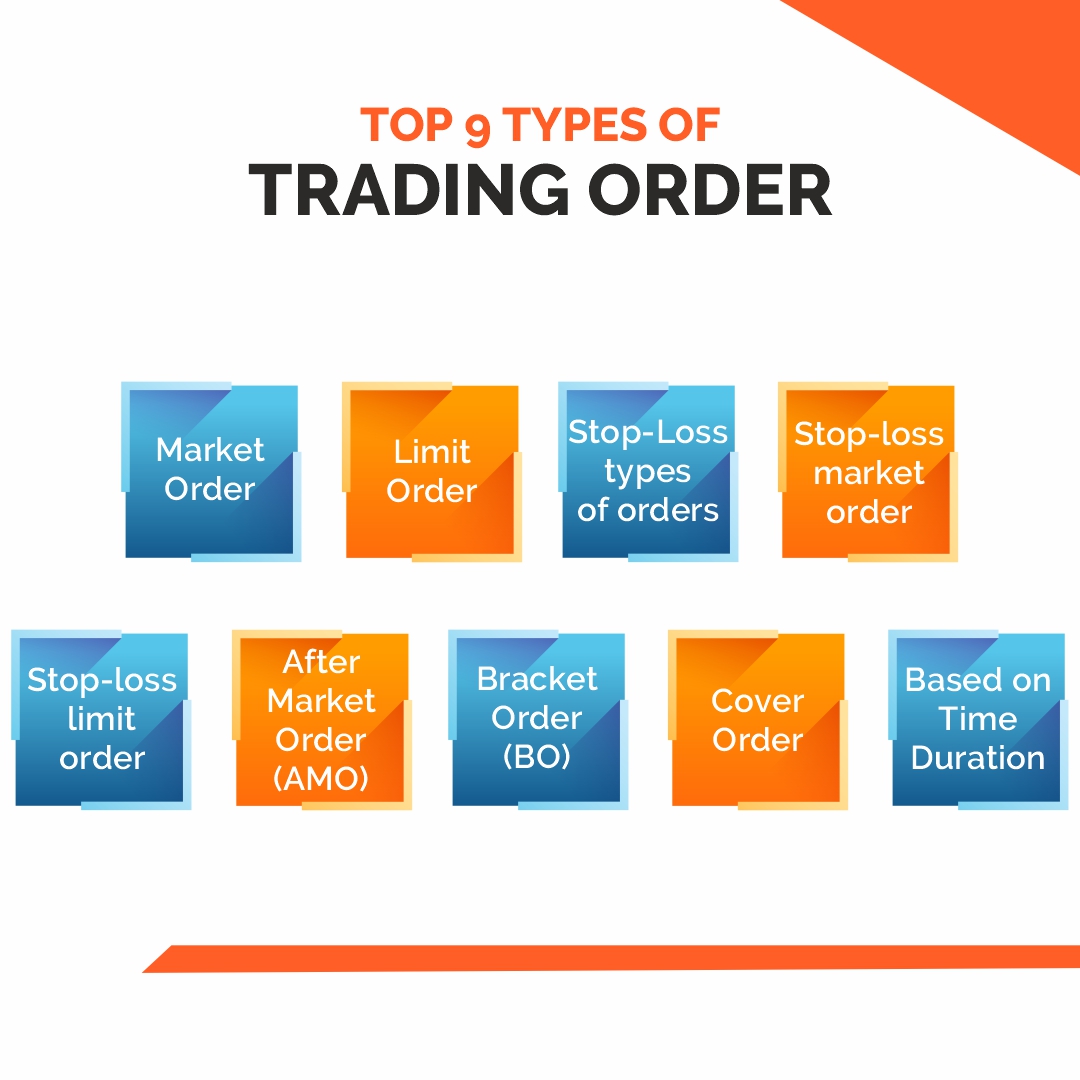
Essential order types include market (instant execution), limit (buy/sell at better price), and stop-loss (auto-exit at loss limit), grouped by execution timing for risk control. Market orders fill now at current price, ideal for fast entries.
Limit orders wait for favorable prices: buy limit below market, sell limit above. Stop-loss caps losses, say at 20 pips below entry.
Use cases: Enter long EUR/USD at market on breakout, set limit for take-profit, stop-loss for protection. Data shows stops cut losses by 50% for disciplined traders.
Combine them: Pending orders like buy-stop trigger above market on breakouts. Practice on demo to master. Risk control via stops prevents wipeouts, key for newbies.
What are the Fundamental Risks in Forex Trading?
Fundamental risks in Forex include leverage amplification of losses, market volatility from news, and emotional pitfalls like overtrading, which hit beginners hardest without proper checks. To understand this better, consider how these factors play out daily.
Leverage multiplies gains but turns small moves into big losses; a 1% adverse shift on 1:100 wipes $1,000 from a $1,000 margin. Volatility spikes on events like interest decisions, swinging pairs 100+ pips.
Emotional trading leads to revenge trades after losses, eroding accounts. Beginners face quick drawdowns, with studies showing 70-80% lose money initially, per regulator data.
Market gaps overnight add surprises. Why do these matter? Unmanaged, they end accounts fast. Spot them early through journaling trades.
How Can Beginners Manage Forex Risks?
Beginners manage Forex risks with position sizing, stop-losses, and the 1-2% risk per trade rule in four steps for account preservation. Step 1: Calculate position size based on account and stop distance.
Risk only 1% of $10,000 ($100) per trade. If stop is 50 pips away on EUR/USD micro lot (pip $0.10), max 2 lots fit ($100 / 50 pips / $0.10).
Step 2: Always use stop-losses, trail them as profits grow. Step 3: Aim for 1:2 risk-reward, risking $100 to make $200.
Step 4: Journal and review weekly. Tools like calculators from brokers help. Evidence: Traders following 1% rule survive longer, doubling accounts steadily.
Practice this religiously. Does your plan include it?
What Role Does Leverage Play in Beginner Forex Trading?
Leverage acts as borrowed capital multiplier, like 1:100 allowing $100,000 control with $1,000 margin, offering amplified profits but heightened losses for new traders. Pros include larger positions on small capital; cons magnify errors.
Margin is your deposit stake; calls happen if losses eat it. Brokers require 1% margin for 1:100.
For beginners, stick to 1:10-1:30. Example: $10,000 account, 1:30 on mini lot risks controlled. Regulators cap it at 1:30 for majors in Europe.
Data from Myfxbook shows low-leverage users profit more consistently. Balance it with stops for safety.
What Tools Can Accelerate Beginner Forex Mastery?
Expert Advisors (EAs) from the Forex Expert Advisor Store automate trade execution, removing emotional biases and enabling 24/7 monitoring to fast-track skill development for beginners.
In addition, these tools offer a clear edge through specialized algorithms tailored for new traders.
How Do Forex Expert Advisors Differ from Manual Trading?
Forex Expert Advisors represent the opposite of discretionary trading, where human judgment drives every decision. EAs use predefined rules coded into software that runs on platforms like MetaTrader 4 or 5. This automation executes trades based on technical indicators, price patterns, or economic data without pause. Manual trading relies on a trader’s constant attention, which often leads to mistakes from fatigue or fear.
You’ll notice EAs maintain discipline by sticking to strategies regardless of market volatility. Human traders might hesitate during news events or chase losses, but EAs follow logic alone. For instance, an EA can scalp small pips across hundreds of trades daily, something exhausting for manual efforts.
This shift reduces errors tied to psychology. Studies from broker reports show manual traders lose more from impulsive moves than from poor setups. EAs log every action for review, helping beginners analyze what works.
To see the full contrast:
- Automation eliminates human error, as EAs process data faster than any person, avoiding overlooked signals.
- 24/7 execution beats limited human availability, trading through nights and weekends when opportunities arise.
- Emotion-free operation prevents revenge trading, keeping risk levels consistent unlike mood-driven manual choices.
What are the Best Beginner-Friendly EAs?
Beginner-friendly EAs focus on low-risk approaches like scalping or trend-following, available exclusively at the Forex Expert Advisor Store. SafeScalp EA targets tiny, frequent profits in ranging markets with tight stops, ideal for those building confidence. It uses simple moving average crossovers, risking no more than 1% per trade.
TrendMaster EA shines in directional moves, entering on breakouts confirmed by RSI filters. Both avoid high-drawdown tactics, suiting demo account testing first. The store’s GridGuard EA spaces trades in a controlled grid during consolidations, recovering slowly without aggressive lot sizing. For cautious progression, MartingaleLite EA halves the standard doubling, applying it only after verified wins.
These tools include built-in money management, auto-adjusting for account size. Users report quicker profitability after one month versus years of manual practice. Pair them with store guides for setup.
What sets these apart for new users?
- Low-risk scalpers like SafeScalp EA build habits through volume, teaching patience without big losses.
- Trend-followers such as TrendMaster EA simplify entries, grouping signals by strength for reliable trends.
- Controlled variants like GridGuard and MartingaleLite offer recovery options, unique to the store’s micro-niche designs.
How Does Forex Trading Compare to Stock Trading?
Forex trading operates on a decentralized network open 24 hours five days a week, unlike stocks confined to exchange hours like 9:30 a.m. to 4 p.m. ET for NYSE. This constant access suits global schedules, but stocks pause for earnings reports, creating gaps.

Leverage in forex reaches 50:1 or higher from brokers, amplifying small moves compared to stocks’ typical 2:1 margins. You speculate on currency pairs without owning assets, similar to stock CFDs but without dividends or voting rights. Forex boasts higher liquidity, with daily volumes over $7 trillion, smoothing entries versus stock bid-ask spreads.
Costs differ too. Forex spreads replace commissions, often under a pip, while stocks charge per share. No central ownership means forex avoids corporate events like splits.
Ever wonder why forex draws beginners faster? The round-the-clock nature and leverage speed learning curves.
Key differences include:
- 24/5 access versus fixed hours, allowing trades anytime markets move.
- High leverage levels against low stock margins, magnifying gains and risks equally.
- Pure liquidity without dividends, focusing on price action over company performance.
What are the Rare Pitfalls in Early Forex Automation?
Early automation pitfalls often stem from over-optimization, where EAs perform perfectly on past data but fail live. Backtesting myths fuel this, as historical results ignore slippage or spreads, contrasting simplistic manual strategies that adapt intuitively.
Traders tweak parameters endlessly for curve-fitted wins, leading to real-market drawdowns. Broker differences matter too, rare in manual trading. An EA optimized for one demo might halt on another’s latency.
Forward testing gets overlooked, with users jumping live after backtests. This ignores evolving markets, unlike manual tweaks per session.
Rarely discussed, VPS dependency causes issues; poor hosting skips trades. Contrast this with manual oversight, where you spot anomalies instantly.
How to spot these traps early?
- Over-optimization creates backtesting illusions, fitting noise instead of true edges.
- Myths around perfect history ignore live variables like news spikes or weekends.
- Automation rigidity contrasts manual flexibility, demanding regular strategy reviews.
