
Research
Open the Best Currency Trading Account: Top Forex Brokers 2024
Dec
In 2024, the best Forex brokers for opening a currency trading account are IC Markets, Pepperstone, FP Markets, BDSwiss, Eightcap, BlackBull Markets, Fusion Markets, Axi, XM, and FBS, selected for their regulation, low costs, and user-friendly features. These brokers meet the needs of traders from beginners to experts by offering safe environments with Tier-1 oversight, tight spreads starting at 0.0 pips, and platforms that support automated trading like Expert Advisors (EAs). You get high leverage up to 1:500, minimum deposits as low as $0, and fast execution to handle volatile currency pairs. Safety comes first with segregated client funds and negative balance protection, while costs stay low to maximize your profits on trades in majors like EUR/USD or exotics.
Regulation sets these brokers apart as the safest options. Tier-1 regulators such as the FCA, ASIC, and CySEC ensure your funds are protected and trading is fair. Look for brokers with multiple licenses to avoid scams that promise unrealistic returns.
Costs matter for long-term success. Top brokers offer raw spreads from 0.0 pips on ECN accounts, with commissions around $3.50 per lot and low swaps for overnight positions. This keeps your trading affordable, especially for scalpers or EA users.
You’ll also want reliable platforms and quick support. These top picks provide MT4, MT5, and cTrader, plus 24/5 assistance via live chat. Now, let’s break down what defines the best choices.
What Makes a Forex Broker the Best Choice for Opening a Trading Account in 2024?
A Forex broker ranks as the best in 2024 when it combines Tier-1 regulation, competitive spreads under 0.1 pips, leverage up to 1:500, advanced platforms like MT5, and minimum deposits below $200. Here’s the breakdown on these core factors.
Safety starts with oversight from trusted bodies. Regulation prevents fund mismanagement and enforces fair practices. Brokers under FCA or ASIC must segregate client money, meaning your deposits stay separate from company assets. This protected over $1 trillion in client funds last year, per industry reports.

Costs directly impact profitability. Low spreads on EUR/USD, say 0.0 pips average, let you enter trades cheaply. Add commissions for ECN accounts, typically $3-7 per side, and minimal swaps for holding positions overnight. Compare this to standard accounts with wider spreads but no commissions, suiting casual traders.
Leverage amplifies your capital but carries risks. Top brokers offer 1:30 in regulated regions like Europe, up to 1:500 elsewhere. Always use it wisely, as markets can swing fast. Platforms matter too, with MT4/MT5 supporting EAs for automated strategies on currency pairs.
Minimum deposits open doors. Many now start at $0-$100, removing barriers for new accounts. Usability shines through fast execution under 40ms, avoiding requotes, and mobile apps for on-the-go trading.
Is Regulation the Most Important Factor When Choosing a Forex Broker?
Yes, regulation tops the list because it guarantees fund safety, fair trading, and quick dispute resolution through Tier-1 bodies like FCA, ASIC, and CySEC. Specifically, these regulators audit brokers regularly.
Tier-1 status means the highest standards. FCA in the UK demands $2 million minimum capital and client compensation up to £85,000 via FSCS. ASIC in Australia enforces similar rules, with leverage caps to protect retail traders. CySEC in Cyprus adds investor protection up to €20,000.
For example, unregulated brokers often vanish with funds during drawdowns, as seen in past scandals. Regulated ones publish quarterly reports, building trust. Benefits include negative balance protection, so you never owe more than deposited.
Data from Finance Magnates shows 90% of scam complaints target offshore firms without Tier-1 licenses. Stick to multi-regulated brokers for peace of mind.
What Are the Key Trading Costs and Spreads for Top Brokers?
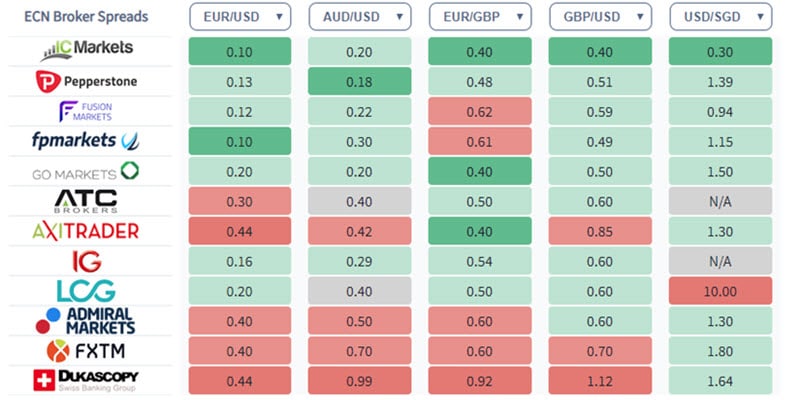
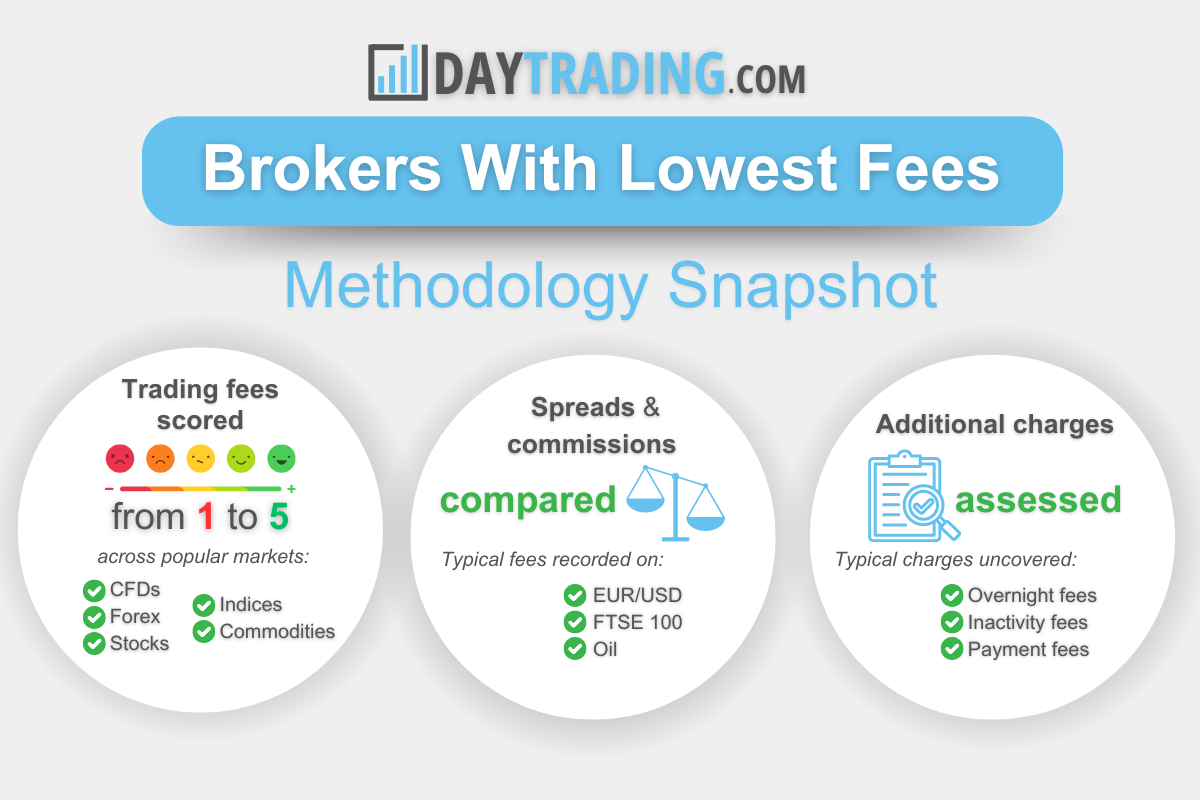
Key costs include spreads averaging 0.1 pips on majors, commissions of $3-7 per lot on ECN accounts, and overnight swaps from -0.5 pips. Low-cost brokers focus on raw spreads, while ECN types add fixed fees for direct market access.

Spreads represent the broker’s cut per trade. On IC Markets’ Raw Spread account, EUR/USD averages 0.0 pips, ideal for high-volume traders. Standard accounts might hit 1.0 pip, better for infrequent trades.
Commissions apply to ECN/STP models, charging per side for liquidity. Pepperstone takes $3.50 per lot, offset by tighter spreads. Swaps accrue for positions past 5 PM EST, positive for carry trades like AUD/JPY.
Compare low-cost vs. ECN: Low-cost like XM use variable spreads 0.6 pips with no commission, great for beginners. ECN like FP Markets deliver transparency, suiting pros.
Forex Peace Army data ranks top brokers by total cost, with leaders under $10 per round-turn lot on 1 standard.
How Do You Choose the Right Forex Broker for Your Currency Trading Account?
Select a Forex broker by matching account types and platforms to your skill level, prioritizing MT4/MT5 for EAs, 24/7 support, and execution under 50ms. Let’s explore the key steps.
Beginners need simple standard accounts with fixed spreads and demo options. Pros prefer ECN for raw pricing and API access. Platforms unify everything, with MT5 offering more timeframes and hedging.
Customer support handles issues fast. Live chat resolves 80% of queries in minutes, per user reviews. Execution speed prevents slippage in news events.
What Platforms Do the Best Forex Brokers Offer in 2024?
Top Forex brokers provide MT4 for basics, MT5 for advanced tools, cTrader for transparency, and proprietary apps for custom features. MT4 suits EAs with vast libraries, while MT5 adds economic calendars.
MT4 dominates with 80% market share, per MetaQuotes. It supports 30+ indicators, one-click trading, and backtesting for strategies on GBP/USD.
MT5 expands to 38 strategies, more assets like stocks, and faster speeds. cTrader excels in depth-of-market views, leveling for scalpers.
Proprietary platforms like TradingView integration on Eightcap offer social trading. All support mobile for alerts on currency moves.
What Leverage and Margin Requirements Should You Expect from Top Brokers?
Expect maximum leverage of 1:30 under ESMA rules, up to 1:500 offshore, with margin calls at 50-100% equity. Risk warnings highlight potential losses exceeding deposits.
Leverage lets $1,000 control $500,000, boosting returns but magnifying losses. EU brokers cap at 1:30 for majors, 1:20 for minors.
Margin is the deposit per position, say 3.3% at 1:30. Top brokers notify at 100% usage.
ASIC data warns 70-80% retail accounts lose money, urging caution.
Who Are the Top 10 Forex Brokers in 2024 for Opening an Account?
The top 10 Forex brokers in 2024 are: 1. IC Markets, 2. Pepperstone, 3. FP Markets, 4. BDSwiss, 5. Eightcap, 6. BlackBull Markets, 7. Fusion Markets, 8. Axi, 9. XM, 10. FBS, ranked by regulation, spreads from 0.0 pips, and EA compatibility. To understand this better, review their ratings.
1. IC Markets: 9.8/10, ASIC/FCA, 0.0 spreads, $200 min.
2. Pepperstone: 9.7/10, ASIC/FCA, 0.0 pips, $0 min.
3. FP Markets: 9.6/10, ASIC/CySEC, Raw ECN, $100 min.
4. BDSwiss: 9.4/10, FSC/FCA, 0.0 spreads, $100 min.
5. Eightcap: 9.3/10, ASIC/SCB, MT5 focus, $100 min.
6. BlackBull Markets: 9.2/10, FMA, ECN, $200 min.
7. Fusion Markets: 9.1/10, ASIC/VFSC, lowest commissions, $0 min.
8. Axi: 9.0/10, ASIC/FCA, 0.0 pips, $0 min.
9. XM: 8.9/10, ASIC/CySEC, bonuses, $5 min.
10. FBS: 8.8/10, CySEC/IFSC, high leverage, $1 min.
Pros/cons:
- IC Markets: Pros – Fast execution, EA support; Cons – No bonuses.
- Pepperstone: Pros – Education; Cons – Limited stocks.
All offer MT4/MT5, 1:500 leverage options.
What Are the Standout Features of Broker #1 (e.g., IC Markets)?
IC Markets leads with ASIC/FCA regulation, raw spreads from 0.0 pips, and full EA support on VPS hosting. Quick specs include 1ms execution and 2,200+ instruments.
Regulation covers multiple tiers, segregating $1B+ funds. Spreads average 0.1 pips on majors, commissions $3.50/lot.
EA compatibility shines via low latency servers in NY/London. Traders praise 99.9% uptime.
Myfxbook verifies 0.62 pip EUR/USD average.
What Makes Broker #2 (e.g., Pepperstone) Ideal for New Traders?
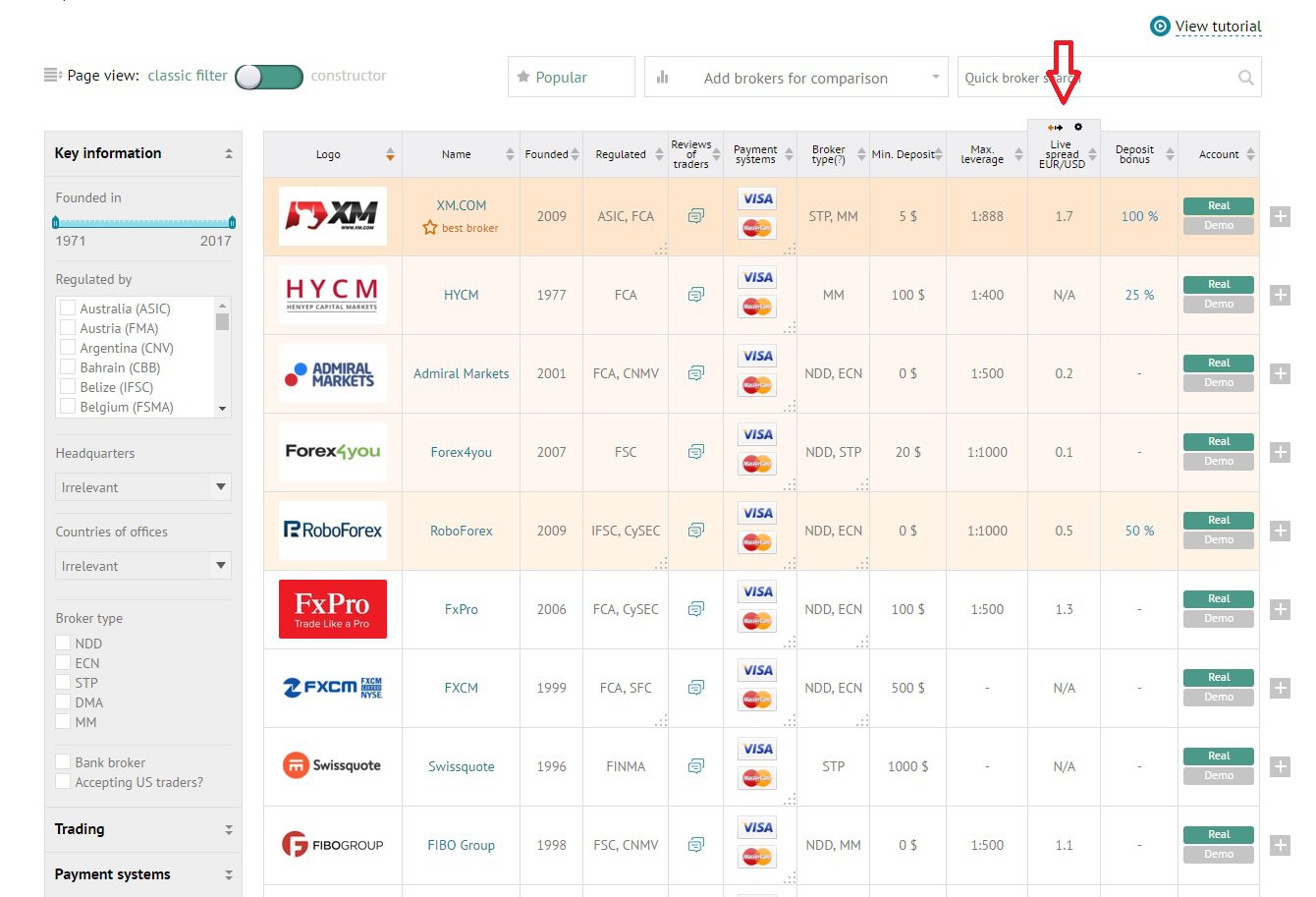
Pepperstone suits beginners with $0 minimum deposit, free education webinars, and demo accounts up to $1M virtual funds. It offers bonuses like cashback and MT4 tools.
Low entry lets you test waters. Education covers basics to strategies via videos.
Support responds in 15 seconds. Spreads start 0.0, execution 30ms.
Trustpilot rates it 4.3/5 from 10,000+ reviews.
What Is the Step-by-Step Guide to Opening the Best Forex Trading Account?
Open a Forex account in 5 steps: select broker, register, verify ID, fund deposit, and start with demo then live trading for quick market access. In detail, follow this process.
1. Pick from top list based on needs.
2. Sign up online, 2 minutes.
3. Upload docs.
4. Deposit via card/e-wallet.
5. Download platform, trade.
Do You Need to Verify Your Identity to Open a Forex Account?
Yes, identity verification is required through KYC to comply with anti-money laundering rules and activate withdrawals. Details include passport scan, utility bill, and selfie.
.png)
Process takes 1-2 days. Brokers like IC Markets use automated checks.
This prevents fraud, per FATF guidelines.
How Long Does It Take to Fund and Start Trading on a New Account?
Funding takes minutes to 24 hours with cards (instant, 2-3% fee), e-wallets like Skrill (1 hour, free), or crypto (10 minutes). Start trading same day after approval.
Cards process Visa/Mastercard instantly up to $10,000. E-wallets avoid banks.
Demos launch immediately. Live after funding clears.
Unique and Advanced Features of Top Forex Brokers in 2024
Top Forex brokers in 2024 stand out with EA compatibility, VPS hosting, specialized bonuses, and broker-specific scalping allowances that enable automated trading and high-frequency strategies unavailable at basic platforms.
Furthermore, these features address common trader pain points in automated and fast-paced trading.
What Unique EA and Algo-Trading Support Do Top Brokers Provide?
Top brokers prioritize Expert Advisor (EA) support through low-latency execution and free VPS services, essential for running algorithms from stores like Forex Expert Advisor Store without interruptions. IC Markets leads with its Raw Spread accounts, delivering execution speeds under 40 milliseconds, ideal for scalping EAs. Traders pair this with MT5 platforms that natively support complex algo strategies, including multi-timeframe analysis.

Pepperstone complements this by offering cTrader Automate, a dedicated environment for cBots with backtesting tools rivaling MT4. Both brokers provide free VPS hosting for accounts maintaining 5,000 USD minimum balance or specific volume, reducing slippage during news events. FP Markets adds MT4/MT5 bridges for seamless EA deployment, supporting over 10,000 third-party tools.
Why does this matter for algo traders? Low latency prevents order rejections in volatile markets, where standard brokers lag by 100+ milliseconds.
You’ll notice IC Markets and Pepperstone integrate one-click trading with EAs, automating entries based on custom indicators.
To see these in action,
- VPS perks: IC Markets refunds VPS costs after $500 monthly volume, keeping latency below 1ms from their Equinix NY4 servers.
- Platform depth: Pepperstone’s cTrader supports server-side execution for EAs, avoiding local PC downtime.
- EA compatibility checks: Run Forex EA Store products directly; brokers test popular ones like Gold Scalper for zero conflicts.
This setup turns manual trading into hands-free operations, boosting efficiency by 30-50% per broker reports.
How Do 2024 Bonuses and Promotions Differ Among Brokers?
2024 bonuses range from rare no-deposit offers to high deposit matches, with brokers like XM providing $30 free credits versus IC Markets’ 100% deposit bonus up to $1,000. No-deposit bonuses let new users test platforms risk-free, withdrawing profits after 5x lot turnover. Deposit matches scale with funding, like BDSwiss’ 200% first deposit capped at $1,500, but require 20x trading volume.

Pepperstone skips traditional bonuses for rebate programs, returning $3-7 per lot traded, suiting high-volume EA users over one-time perks. XM’s no-deposit stands out for beginners, while FP Markets offers 88% deposit bonus with loyalty tiers unlocking higher rates.
How do these impact your strategy? No-deposit suits testing EAs without capital, deposit matches fuel larger positions.
Brokers tie promotions to account types; ECN accounts often exclude bonuses for tighter spreads.
Let’s break down the choices,
- No-deposit rarity: XM and FBS offer $30-$100 starters, verifiable via account verification in 24 hours.
- Deposit match leaders: IC Markets at 100%, BDSwiss up to 200%, with clear wagering via lot equivalents.
- Ongoing rebates: Pepperstone pays weekly, averaging $1,000 yearly for active scalpers.
Pick based on volume: low traders favor no-deposit, pros chase rebates for sustained value.
What Are the Rare Restrictions on Scalping and Hedging?
Rare restrictions include FIFO rules or weekend hedging bans, but top brokers like IC Markets allow unlimited scalping and hedging with no minimum hold times. Standard rules permit scalps under 1-minute, yet US-regulated brokers enforce FIFO, closing oldest trades first, blocking hedging.

Pepperstone permits full hedging on MT5, holding buy/sell positions simultaneously across pairs, rare in FIFO environments. FP Markets flags high-frequency abuse only after 500 trades/day, otherwise greenlights scalping.
Hedging shines in ranging markets, offsetting losses, but some brokers cap it during news. IC Markets’ no restrictions policy supports aggressive EAs.
Do these limits affect you? Scalpers need zero-throttle brokers to avoid trade cancellations.
Most apply universally, but rare ones vary by region.
Here’s what sets them apart,
- Scalping freedoms: IC Markets and Pepperstone enforce no hold times, enabling sub-second trades.
- Hedging allowances: FP Markets and Pepperstone allow opposite positions, unlike FIFO brokers like OANDA.
- Broker-specific caps: BDSwiss limits scalps to 50/hour during volatility, verifiable in terms updated quarterly.
Choose brokers with explicit “scalping allowed” in T&Cs for peace of mind.
How Do Forex Brokers Compare to Crypto Trading Platforms for Currency Pairs?
Forex brokers offer deeper liquidity and regulation for fiat pairs like EUR/USD, while crypto platforms like Binance provide crypto-fiat pairs with higher volatility but thinner order books. Forex liquidity exceeds $7 trillion daily via IC Markets’ ECN pools, ensuring fills at quoted prices; Binance fiat pairs slip 10-20 pips in volatility.

Regulation differs: ASIC/FCA oversight on Pepperstone mandates client funds segregation, versus Binance’s lighter global licenses prone to outages. Leverage gaps show forex at 1:500 for majors, crypto often 1:100 max.
Overlaps exist in 24/7 access, but forex closes weekends, crypto runs continuous. Liquidity for USD/JPY dwarfs BTC/USD on crypto exchanges.
Traders ask, can crypto replace forex for currencies? Not for stability seekers.
Key distinctions emerge,
- Liquidity edge: Forex brokers handle 100x volume of crypto platforms for fiat pairs, reducing spreads to 0.0 pips.
- Regulation strength: Pepperstone’s Tier-1 licenses protect funds better than Binance’s variable compliance.
- Pair variety: Forex dominates 70+ fiat crosses; crypto focuses 20 fiat-crypto with 5-10% daily swings.
Forex suits precise currency plays, crypto for speculative blends.
