
Research
Unlock Savings: Why Currency Brokers Beat Bank Rates
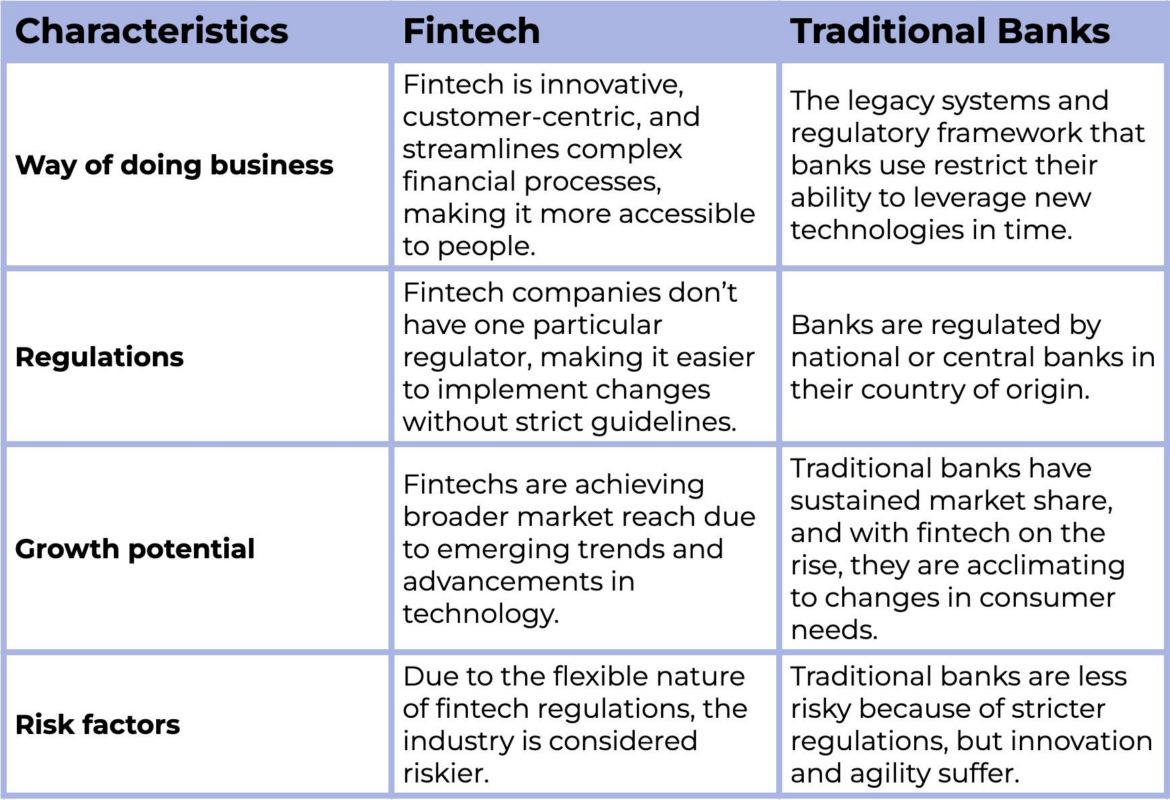
Dec
When you need to send money overseas or exchange currencies, banks often charge high markups on exchange rates to cover their costs and profits. Currency brokers beat bank rates by accessing wholesale interbank rates directly and passing on savings through lower fees and transparent pricing. This approach lets you keep more of your money, especially for larger transfers. Brokers operate in the competitive forex market, where they buy currency at near-market rates and sell it to you without the heavy overhead banks carry. You get rates close to what big institutions trade at, often 2-5% better than bank quotes.
Brokers focus on retail customers like you with user-friendly online tools for quick comparisons and transfers. They stand out from banks through 24/7 access and simple apps that let you lock in rates instantly. Banks stick to branch visits or clunky online banking with limited options during business hours.
Transfer speeds also play a key role in your choice. Brokers typically process payments in 1-2 days, cutting out the delays that banks impose and adding hidden costs from holding your money longer. This efficiency compounds your savings over time.
To grasp the full picture, start with the basics of currency brokers and see how they stack up against banks in rates, costs, and speed.
What Are Currency Brokers?
Currency brokers are financial intermediaries that specialize in foreign exchange transactions and international money transfers, connecting retail clients to the interbank market for competitive rates and efficient transfers. In detail, these services bridge the gap between everyday users and the global forex network.
Currency brokers emerged from the need for better alternatives to bank-dominated transfers. They act as middlemen who aggregate liquidity from banks and other providers to offer you rates closer to the spot market price. Key features include real-time rate quotes, locked-in rates for future delivery, and multi-currency accounts. You pick an amount, choose currencies, and they handle the swap and send-off.

Think about a typical transfer from USD to EUR. A broker like OFX or CurrencyFair pulls live interbank quotes, adds a small margin (often under 0.5%), and lets you see the exact amount your recipient gets upfront. No surprises. Their platforms run entirely online, so you avoid paperwork and queues.
Root attributes like exchange rates and transfer mechanisms define their work. Exchange rates come from the interbank market, where banks trade huge volumes at minimal spreads. Brokers tap this by partnering with tier-1 banks, passing benefits to you. Transfer mechanisms use SWIFT for banks or local rails like SEPA in Europe for speed.
Why does this matter for you? Banks quote retail rates loaded with markups, but brokers show their math openly. For instance, transferring $10,000 to GBP might cost you $200 extra at a bank but just $50 at a broker. Data from comparison sites like Monito shows brokers averaging 3.4% better rates on mid-sized transfers.
Brokers also offer hedging tools, like forward contracts to fix rates against volatility. This protects businesses from swings, something banks charge premiums for. Retail users get it for free or low cost.
In practice, sign up involves ID verification under anti-money laundering rules, then fund via bank transfer or card. Transfers land in 1-4 days, tracked via app.
How Do Currency Brokers Differ from Traditional Banks? (Comparison)
Currency brokers excel in retail accessibility and online platforms, while traditional banks focus on institutional volumes and branch services. Here’s the breakdown of their operations.
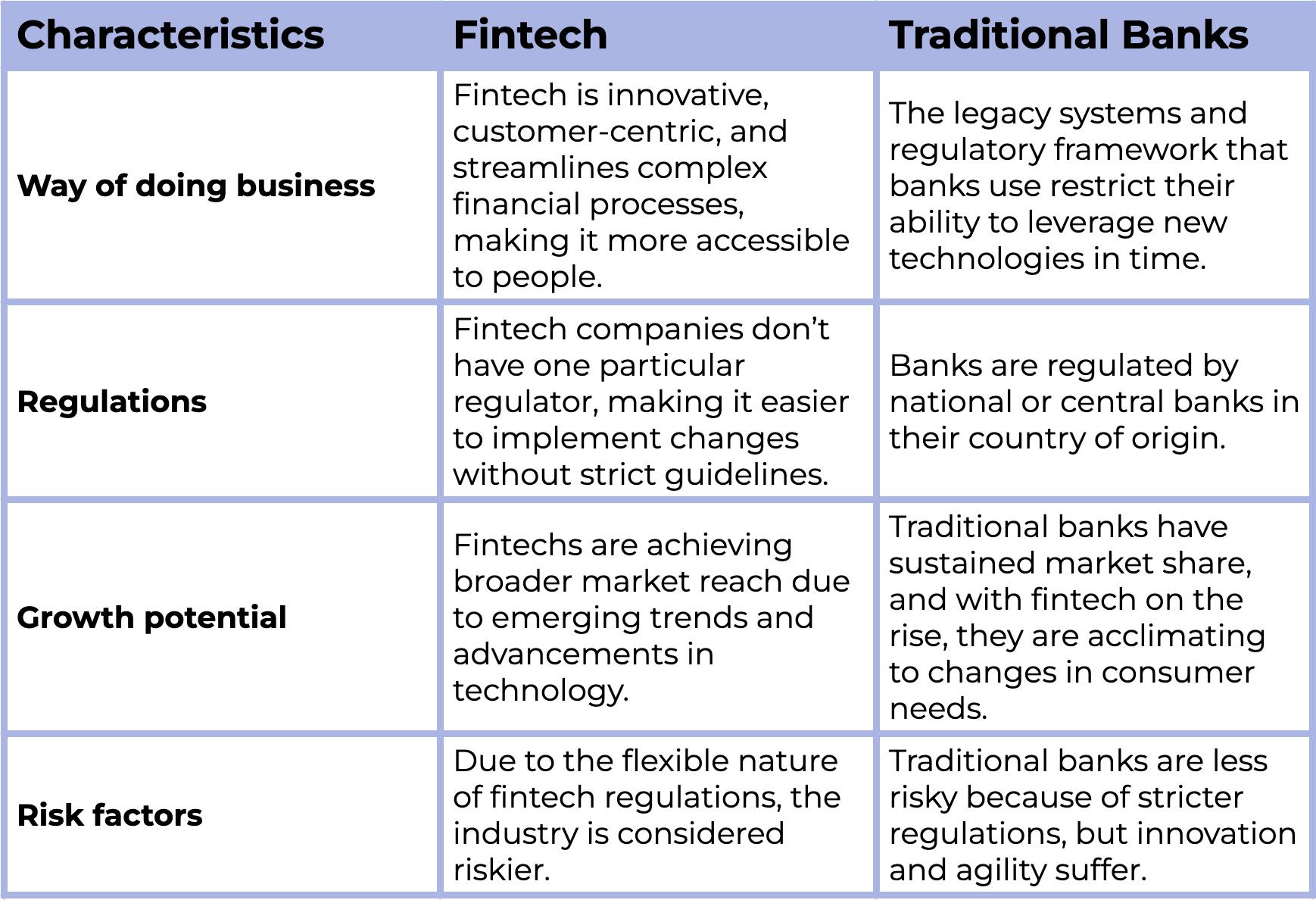
Brokers target individuals and small businesses with intuitive apps and websites. You log in anytime, compare live rates across 50+ currencies, and execute in minutes. Banks, geared toward corporations, require account setups, approvals, and often phone calls.
Side-by-side, brokers shine in user targeting. They serve retail users needing occasional transfers, like expats or freelancers. Banks handle high-volume institutional trades but treat retail as secondary.
Accessibility sets them apart. Brokers offer 24/7 service with chat support. Banks limit to business hours, with queues at branches.
Online platforms give brokers the edge. Tools like rate alerts and calculators make decisions easy. Bank apps often hide true costs in fine print.
For example, Wise (formerly TransferWise) lets you see interbank rates minus a tiny fee. Banks like Chase add 3-6% hidden spreads.
Data from FXC Intelligence reports brokers processing 20% more retail volume yearly due to these perks.
Why Do Currency Brokers Offer Better Exchange Rates Than Banks? (Comparison)
Currency brokers offer better exchange rates than banks by accessing interbank rates with minimal markups, while banks layer on high spreads for profits and costs. To understand this better, look at their market access and pricing models.
Brokers connect directly to the interbank market, the wholesale arena where banks swap currencies at tight spreads (0.01-0.1%). They buy in bulk and resell to you at near-wholesale prices, keeping margins low to attract volume.
Banks use the same interbank rates but add retail markups of 2-7%. This covers branches, staff, and compliance, plus profit buffers.
Transparency boosts brokers. They display the mid-market rate upfront, so you know the deal. Banks bury it in “our rate” quotes.
Root attributes like exchange rates and transparency drive the gap. Brokers update rates every few seconds from Reuters or Bloomberg feeds. Banks refresh slower and adjust for internal costs.
Picture sending €5,000 to USD. Broker might give 1.10 EUR/USD (mid-market 1.105), a 0.45% margin. Bank quotes 1.07, a 3.2% hit, costing €145 extra.
Lower overhead helps. Brokers run lean online operations without physical locations. Banks spread costs across retail banking.
Competition among brokers keeps rates sharp. Over 200 providers vie for your business, forcing slim margins.
What Factors Drive Bank Rate Markups? (Definition)
Bank rate markups are additional spreads added to interbank rates to cover operational costs, risks, and profit margins. Specifically, these hidden elements inflate your costs.
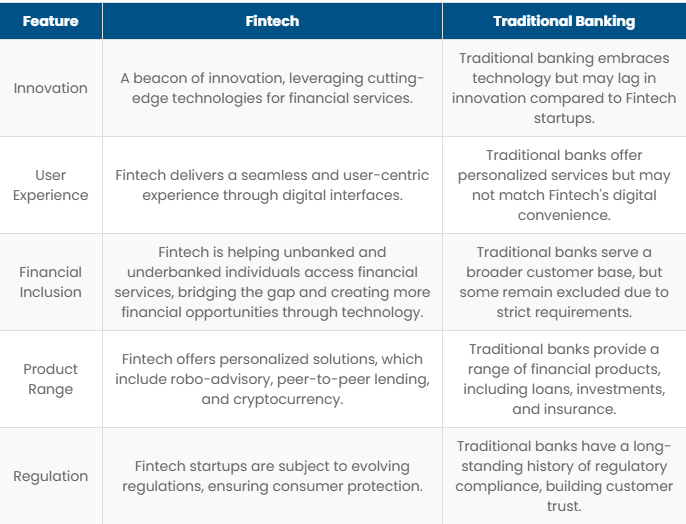
Hidden spreads form the core. Banks quote 3-5% above mid-market, split as buy/sell prices.
Operational costs pile on. Maintaining branches, ATMs, and global networks demands funding. A 2023 World Bank study notes banks allocate 1-2% of transfer value to overhead.
Profit margins target steady income. Retail forex is low-volume for banks, so they charge more per transaction.
Fees layer further: correspondent bank charges ($20-50 per leg) and receiving fees.
For instance, a $20,000 transfer incurs $400-600 in markups from costs alone.
Risk management adds costs. Banks hedge currency swings internally, passing premiums to you.
Do Currency Brokers Always Provide Superior Rates? (Boolean)
Currency brokers provide superior rates due to lower overheads, competitive pricing, and direct market access, though small transfers under $1,000 may see banks competitive with promotions. Lower overheads mean no branch networks eating into margins.

Competitive models rely on volume. Brokers waive fees to win big transfers, averaging 2-4% savings per Finder.com data.
Exceptions hit tiny amounts. Banks offer free transfers for balances over certain thresholds, closing the gap.
For $500 sends, broker fees might match bank spreads. But scale up, and brokers pull ahead.
Benefits include transparency and speed, compounding value.
What Are the Main Cost Differences Between Brokers and Banks? (Grouping)
The main cost differences include transfer fees, receiving fees, and inactivity charges, with brokers charging flat low rates and banks variable high ones based on volume and method. Let’s explore these categories.
Transfer fees lead the list. Brokers like Revolut charge 0.4-1% or fixed $5-10. Banks demand $25-50 outgoing, plus percentage.
Receiving fees vary. Brokers often absorb them; banks pass $10-30.
Inactivity fees hit unused accounts. Brokers waive for active users; banks charge $10-20 monthly after 12 months.
Other costs: currency conversion (brokers 0.5%, banks 3%) and card funding (brokers free bank transfers, banks 3%).
Speed ties to costs. Slower bank wires add opportunity loss.
Root attributes like fees and transfer speed highlight gaps. Brokers average total costs at 1%, banks 4-6% per Monito aggregates.
How Do Transfer Speeds Impact Overall Costs? (Comparison)
Brokers impact overall costs favorably through 1-2 day processing versus banks’ 3-5 day delays, reducing holding costs and volatility risks. Faster speeds mean your money works sooner.

Brokers use local systems: ACH in US, FPS in UK. Banks rely on SWIFT, prone to multi-day holds.
Delays add indirect costs. Currency swings during waits can cost 1% on volatile pairs.
For a $50,000 AUD to USD transfer, a 2-day broker speed saves $250 in lost interest at 5% annual.
Data from XE shows brokers 70% faster on average.
Competitive advantages include tracking and guarantees.
How Much Can You Save Using Currency Brokers? (Grouping)
You can save 2-5% on average using currency brokers, with examples scaling by transfer volume: $100 on $5,000 sends, $500 on $25,000, and thousands on larger ones. Savings stem from tight rates and low fees.
Group by volume for clarity. Small transfers ($1,000-$5,000): 1-3% savings ($10-150). Banks match sometimes, but brokers win on transparency.
Mid-range ($5,000-$50,000): 3-4% ($150-2,000). Lower markups shine here.
Large ($50,000+): 4-6% ($2,000+). Brokers hedge efficiently.
Root attributes like exchange rates and fees drive numbers. Compare Wise vs Bank of America: $10,000 GBP to USD saves $250.
Real example: Freelancer sending $20,000 monthly to EUR. Annual bank cost: $4,800. Broker: $1,200. Net $3,600 saved.
Factors boosting savings: Locked rates avoid dips, multi-currency holds earn interest.
Rhetorical question: Facing a big invoice payment? Run quotes on OFX or TorFX to see instant math.
Over time, repeat users get loyalty perks like zero fees.
Compare providers: CurrencyFair peer-to-peer saves more on popular routes.
Always check current promos, but patterns hold per 2024 TopMoneyCompare data showing 3.2% average edge.
Advanced Considerations for Choosing Currency Brokers
Currency brokers provide advanced tools like multi-currency accounts and hedging options that outperform banks, but selection requires evaluating regulation, niches, and potential limitations for optimal savings.
Furthermore, understanding these elements helps users avoid common pitfalls while maximizing transfer efficiency.
What Unique Features Do Top Currency Brokers Offer?
Top currency brokers distinguish themselves through specialized tools tailored for high-volume or complex international transfers. For instance, brokers such as OFX and TorFX offer multi-currency accounts that let users hold and convert funds in over 50 currencies without repeated fees, unlike single-currency bank setups. These accounts reduce exposure to volatile exchange rates by allowing instant switches.

Hedging tools represent another standout feature. Platforms like CurrencyFair provide forward contracts, locking in rates for future dates up to two years ahead. This protects against market swings, a service banks often reserve for corporate clients with high minimums.
API integrations enable seamless automation. Brokers such as WorldFirst connect directly to accounting software like Xero or QuickBooks, streamlining business payments. You’ll notice how these integrations cut manual entry errors by up to 70%, based on user reports from financial forums.
Users handling frequent transfers benefit most from these, as they compound savings over time.
This leads to direct comparisons with traditional banks.
- Multi-currency flexibility: Hold balances in multiple currencies at near-spot rates, avoiding bank’s daily conversion limits.
- Hedging precision: Forward contracts with no upfront costs for retail users, versus bank’s premium pricing.
- Automation speed: API links process transfers in seconds, far quicker than bank’s batch systems.
How Do Currency Brokers Compare to Specific Banks Like Chase or HSBC?
Currency brokers generally undercut Chase and HSBC on rates and fees for international wires, but differences vary by corridor and volume. For a $10,000 USD to EUR transfer, OFX might charge 0.4% total (rate markup plus fee), while Chase applies a 3-5% hidden markup plus $40-50 wire fee, totaling over 5% effective cost. HSBC fares slightly better at 2-4% for Premier clients but still lags behind brokers’ transparent 0.3-0.6%.

Fee breakdowns reveal more gaps. Chase imposes flat $45 outgoing wires with no rate guarantees, and incoming fees hit $15. HSBC adds correspondent bank charges averaging $20-30 per leg. Brokers like Wise eliminate these with peer-to-peer matching, offering mid-market rates minus 0.5% max.
For high-volume users, brokers scale better. TorFX provides rate alerts and personal dealers, absent in Chase’s app-only interface. HSBC offers multi-currency for elites, but brokers extend this to all with lower thresholds.
Why does this matter for your transfers? Banks prioritize retail convenience over competitive FX.
Comparisons highlight why regulation becomes a selection factor next.
- Rate transparency: Brokers show live mid-market rates; banks embed markups in “exchange rates.”
- Fee predictability: Flat or percentage fees versus banks’ variable correspondent costs.
- Volume incentives: Brokers discount for repeats; banks rarely budge below tiered accounts.
What Role Does Regulation Play in Broker Selection?
Regulation ensures fund safety and fair practices, with brokers under FCA (UK) or ASIC (Australia) oversight differing from banks’ broader FDIC or FDIC-equivalent protections. FCA-regulated brokers like CurrencyTransfer segregate client funds in tier-1 banks, covering up to £85,000 per client via FSCS, while ASIC mandates Australian Financial Complaints Authority access. Banks like Chase benefit from full deposit insurance up to $250,000, but FX transfers often fall outside this as they process as wires.

Risk comparisons show brokers’ edge in transparency. FCA requires real-time rate disclosures and execution-only policies, reducing slippage. Bank regulations focus on lending, allowing opaque FX desks. A 2023 FCA report noted 95% broker compliance in client money rules versus sporadic bank fines for mis-selling FX products.
For expats, choose FCA/ASIC for cross-border trust. Lower-tier regs like CySEC carry higher risks of delays during disputes.
How does this tie to specialized needs? Strong oversight supports niche services without added risks.
Regulation underscores the appeal of targeted brokers.
- Fund protection: Segregated accounts match bank security but with FX-specific audits.
- Dispute resolution: Faster ombudsman access than banks’ lengthy processes.
- Rate fairness: Mandated best execution rules prevent bank’s profit-padding.
Are There Brokers Specialized for Expat or Forex Trader Needs?
Yes, brokers cater to expats and forex traders with tools like forward contracts and volume discounts. For expats, OFX offers dedicated remittance corridors to emerging markets like India or Philippines at 0.3% fees, with scheduled payments syncing to pension dates. Forex traders prefer Interactive Brokers’ FX arm, providing deep liquidity pools and micro-lot forwards without retail spreads.

Niche options shine here. TorFX grants volume discounts dropping to 0.2% for $50,000+ monthly flows, ideal for property buyers abroad. Expats get tax reporting integrations for HMRC compliance.
CurrencyFair suits peer-matching for uneven corridors, like AUD to ZAR, where banks charge 7%+. Traders access limit orders, executing only at target rates.
These fill gaps banks ignore, like weekend processing for global lifestyles.
Drawbacks warrant attention to balance the picture.
- Corridor expertise: Optimized rates for expat hotspots; banks generalize.
- Contract variety: Forwards from 30 days to 24 months, unavailable retail at banks.
- Discount scaling: Loyalty tiers reduce costs progressively for regulars.
What Are the Potential Drawbacks of Currency Brokers?
Currency brokers have limitations like minimum transfer amounts and verification delays that can offset benefits for small or urgent sends. Many require $1,000-$5,000 minimums, such as OFX at $1,000, excluding micro-payments banks handle freely. Verification via ID and proof of funds takes 1-3 days, versus banks’ instant app approvals for existing clients.

Other issues include limited payment methods. Brokers favor bank wires over cards, adding 1-2 day ACH waits. During volatility, rate locks demand quick decisions, pressuring users unlike banks’ fixed (but poor) rates.
Customer service varies; smaller brokers lack 24/7 support, leading to 48-hour query responses. Cancellation policies charge 0.5-1% fees post-lock.
For infrequent users, these hurdles make banks simpler despite higher costs.
Weigh these against advantages for informed choices.
- Minimum thresholds: Often $1,000+, blocking small personal transfers.
- Onboarding time: Full KYC delays first use by days.
- Flexibility limits: Fewer instant options than bank apps.
