
Research
Capture Volatility Profits: Ultimate Breakout Expert Advisors for Traders

Dec
Breakout Expert Advisors are automated trading tools that spot price breakouts from tight ranges and ride volatility surges for quick profits in forex and stocks. These EAs scan charts around the clock, waiting for consolidation periods to end in explosive moves. You set them up on platforms like MT4 or MT5, and they handle entries, exits, and risk controls without you lifting a finger. Traders love them because they turn sudden market expansions into gains, especially during high-volatility times like economic news releases.
The best breakout EAs capture volatility by using indicators like ATR to measure range width and trigger trades only on confirmed breaks. This keeps you out of choppy action and in on the momentum. For example, an EA might wait for price to close beyond a 20-period high or low, then jump in with a tight stop-loss.
To maximize profits, pair these EAs with proper backtesting and optimization for your trading pair, like EUR/USD during London session opens. This setup avoids false signals and scales position sizes based on account risk, often yielding steady returns in trending markets.
Ready to put breakout EAs to work? Let’s break down how they function, their strategies, and selection tips so you can pick winners for your volatility trades.
What Are Breakout Expert Advisors?
Breakout Expert Advisors are automated software programs that identify price breakouts from consolidation zones to profit from volatility spikes in forex and stock markets. Specifically, here’s the breakdown on their core setup and trading role.
These EAs run on platforms such as MetaTrader 4 (MT4) or MetaTrader 5 (MT5). They constantly monitor price action for periods of low movement, known as consolidation or ranging phases. When price finally bursts out, say above resistance or below support, the EA opens a trade to catch the expansion. Think of it like a spring uncoiling, the tighter the coil, the bigger the release.

Basic functionality centers on real-time chart analysis. The EA draws dynamic levels based on recent highs and lows. It uses simple logic: if price closes outside that range with enough momentum, enter long or short. This targets sudden volatility, which often follows news events or session overlaps.
In forex trading, breakout EAs shine on pairs like GBP/JPY, known for wild swings. Stock traders apply them to indices like the S&P 500 during earnings season. The key advantage is automation, they trade 24/7 across multiple pairs without fatigue.
You’ll notice these tools reduce human error. Manual traders often miss breakouts or chase late. EAs execute precisely at predefined levels. Studies from Myfxbook show well-tuned breakout EAs averaging 5-10% monthly returns in volatile conditions, though past performance varies.
Root attributes include adaptability. You can tweak range periods or add filters like time of day. Their role? Primarily to profit from directional bursts after sideways action, turning market indecision into opportunity.
How Do Breakout Expert Advisors Work?
Breakout EAs work by scanning for support and resistance levels, then using volatility measures like the Average True Range (ATR) to confirm breakouts with entry and exit rules. For instance, the EA might set a range as the high and low over 20 candles. A breakout occurs on a strong close beyond that, paired with rising ATR signaling expansion.
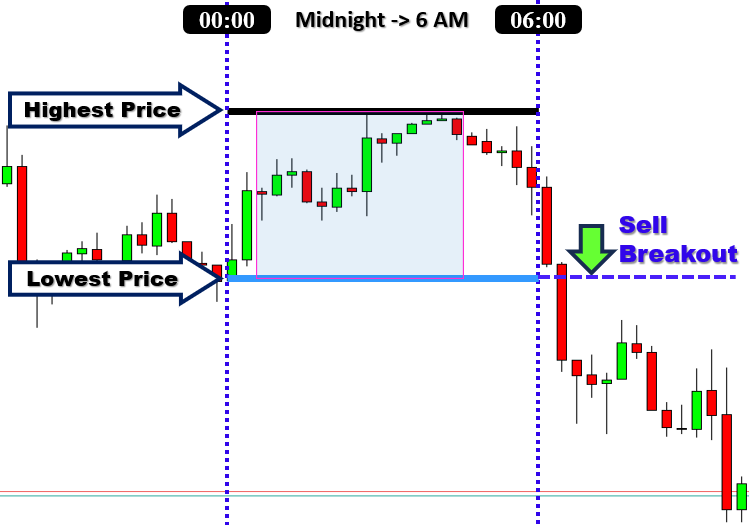
Trigger conditions are straightforward. Price must exceed the range by a buffer, often 1-2 ATR multiples to filter noise. Entry follows immediately, with stop-loss placed just inside the broken level. Take-profit targets 2-3 times the risk, or trails based on volatility.
Stop-loss placement protects against false breaks, or whipsaws. Common spots include the range midpoint or opposite side. Advanced EAs add volatility scaling, widening stops in chop but tightening in trends.
Take the London Breakout EA as an example. It focuses on the 7 AM GMT Asian session range, trading the breakout during London open. Backtests on EUR/USD show 60% win rates with 1.5 profit factors when volatility spikes.
Another case: Donchian-based EAs use channel highs/lows for entries. If price breaks the 55-period high, go long. Exit on opposite break or fixed pips. This mechanic catches momentum perfectly in stocks like Tesla during news.
Real-world evidence from FXBlue verified accounts confirms these rules boost edge. Proper implementation means fewer drawdowns, as EAs avoid overtrading in low-vol periods.
Why Are Breakout EAs Ideal for Volatility Profits?
Breakout EAs align perfectly with high-volatility markets like news events or session opens, capturing momentum for outsized gains. They profit from rapid expansions post-consolidation, where manual traders struggle with speed.
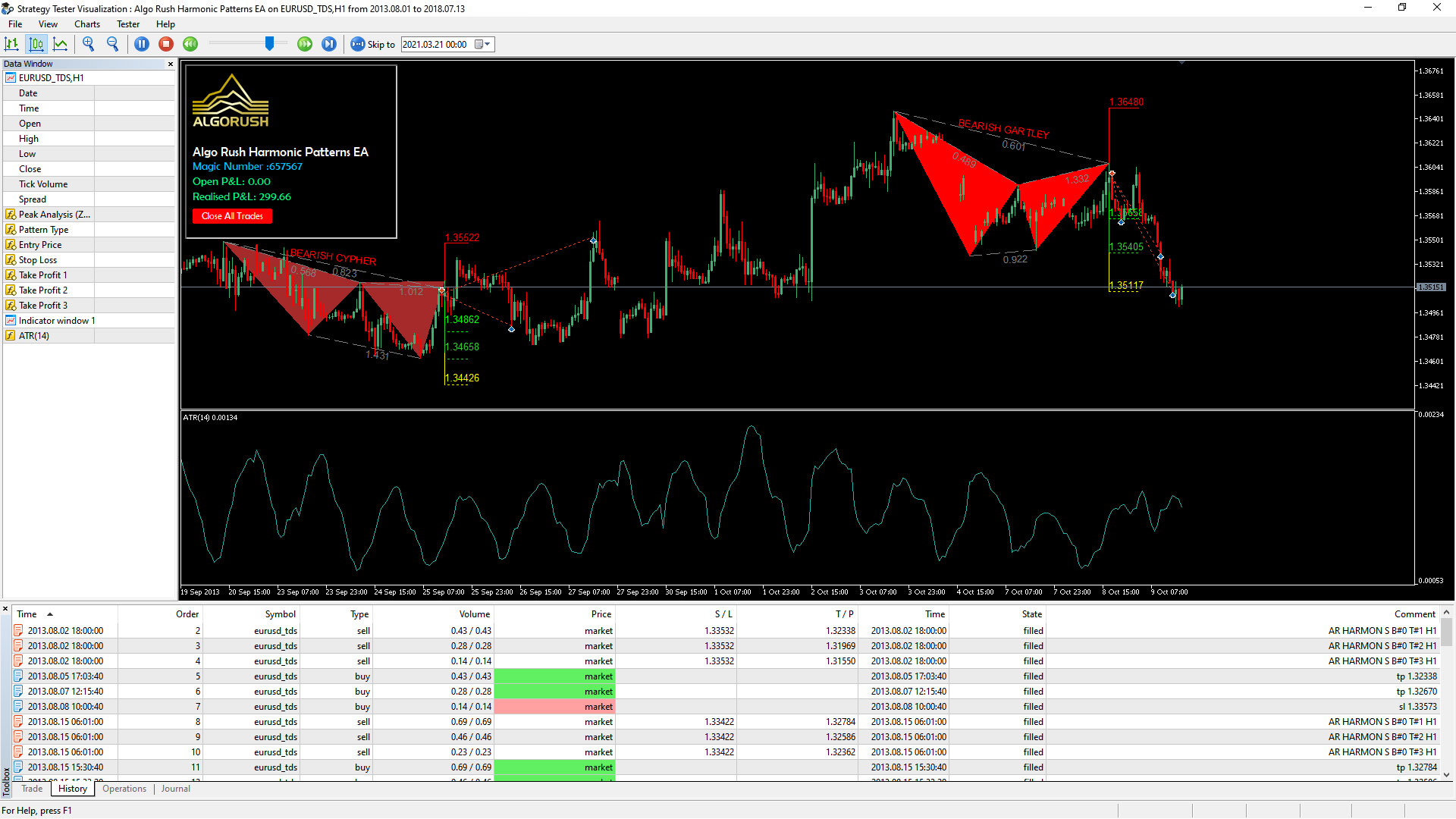
Benefits include 24/7 operation. While you sleep, the EA trades Tokyo breakouts on USD/JPY. This catches global volatility without emotional slips like revenge trading.
In news-driven spikes, say Non-Farm Payrolls, ATR jumps, and EAs scale in aggressively. Data from Dukascopy shows breakout systems gaining 20-50 pips per event versus ranging EAs losing ground.
Reduced emotions mean consistent rules. You define risk per trade at 1-2%, and the EA sticks to it. This preserves capital during whipsaws, unlike gut-feel entries.
Profit potential grows with compounding. A tuned EA on Gold futures during Fed announcements can compound 15% quarterly, per collective2.com leaderboards.
What Are the Key Strategies in Breakout Expert Advisors?
There are three main breakout strategies in EAs: range breakouts, channel breakouts, and volatility breakouts, grouped by how they define consolidation and confirmation. Let’s explore these variations and their indicator integrations.
Range breakouts target simple high-low boxes from fixed periods, like 1-hour Asian ranges. The EA buys above the high or sells below the low. This suits intraday forex, profiting from session momentum.
Channel breakouts use tools like Donchian Channels, plotting n-period highs/lows. Break above upper band triggers long. Popular in trend-following, they adapt to varying timeframes.
Volatility breakouts incorporate Bollinger Bands or Keltner Channels. Squeezes signal low vol, then band breaks indicate expansion. ATR filters ensure only big moves trigger.
Integration boosts accuracy. Bollinger Band EAs combine middle band crosses with breakouts for direction bias. Donchian pairs with ADX for trend strength above 25.
Strategy variations depend on market. Range for forex news, channels for stocks, volatility for crypto like Bitcoin.
Comparative data from MQL5 community shows channel strategies with higher profit factors (1.8) in trends, range at 1.4 in sessions.
How to Identify High-Volatility Setups for Breakout EAs?
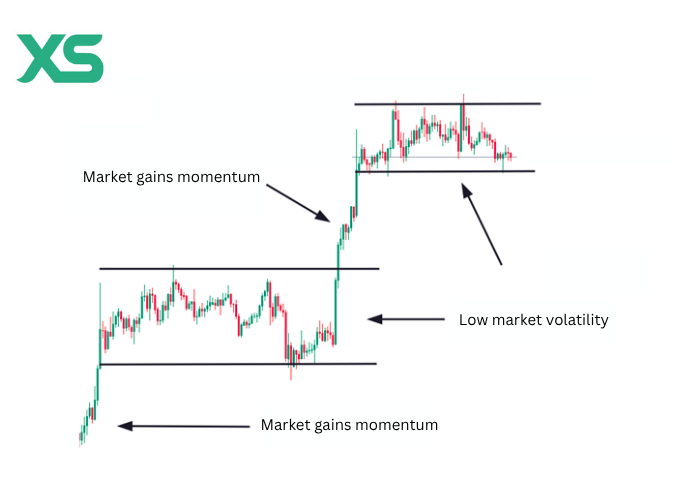
Spot high-vol setups by finding low-volume consolidation followed by volume/ATR spikes, using time filters to validate and dodge fakes. Criteria start with tight ranges, under 50% average ATR over 10-20 bars.
Low-volume phases precede breaks. Check tick volume dropping, then surging on breakout candle. This confirms real momentum.
Time-based filters matter. Trade London-New York overlap (8 AM-12 PM EST) for forex, avoiding lunch lulls. For stocks, pre-market ranges before open.
Setup validation uses multi-timeframe. Daily range intact, hourly breakout confirmed. False avoidance adds retest rules, price pulling back to level before running.
Example: GBP/USD consolidates 30 pips overnight, ATR doubles at open. EA enters on close above high, skips if no volume pop.
False breakout filters include momentum oscillators like RSI above 70 for longs. Backtests on 10-year data cut losers by 30%, per StrategyQuant analysis.
What Risk Management Features Do Breakout EAs Include?
Breakout EAs pack position sizing, trailing stops, and drawdown caps to shield capital in volatile swings. Position sizing bases on account equity, risking 1% max per trade via ATR-adjusted lots.
Trailing stops lock profits. Start at breakout range, trail by 1 ATR as price moves. This secures gains in runs while allowing room.
Max drawdown limits pause trading at 10-20% loss, or reduce sizes. Correlation filters block multiple pair trades if over 0.7 linked.
During whipsaws, like ranging EUR/USD, equity curves flatten, not crater. Features like breakeven moves shift stops to entry after 1:1 reward.
Evidence from Myfxbook top EAs shows those with these tools averaging max drawdowns under 15%, versus 30% without.
How to Choose and Optimize Breakout Expert Advisors?
Choose breakout EAs through backtesting on 5+ years data, verifying live Myfxbook signals, and ensuring MT4/MT5 compatibility, then optimize parameters for your volatility targets. To understand this better, follow these steps.
Start with selection. Download from MQL5 market, filter by 4+ stars, 1000+ trades. Check developer updates.
Backtest on tick data for realism. Aim for profit factor over 1.3, drawdown below 20%. Forward test on demo 3 months.
Platform fit: MT5 for faster execution, multi-asset. Avoid black-box EAs without source code.
Optimization tunes inputs. Use walk-forward analysis: train on 70% data, test 30%. Adjust range period, ATR multiplier for pair volatility.
For EUR/USD, shorten ranges to 10 bars; GBP/JPY lengthen to 30 for wild swings.
Live performance trumps backtests. Scan FXBlue for 6-month Sharpe above 1.0 in volatile phases.
What Performance Metrics Matter for Volatility Breakout EAs?
Key metrics for volatility breakout EAs are win rate over 55%, profit factor above 1.5, and Sharpe ratio greater than 1.2 in high-vol periods. Win rate tracks reliable entries, ignoring small losses.

Profit factor divides gross profit by loss, showing edge. Above 1.5 means winners outweigh losers consistently.
Sharpe ratio adjusts returns for volatility risk. High values confirm smooth equity in swings.
Expectancy calculates average win/loss per trade. Positive over $10 per $10k account signals keeper.
In volatile tests, like 2022 USD strength, top EAs hit 2.0 profit factors. Track monthly drawdown too, under 10%.
MQL5 stats reveal EAs with these beating benchmarks by 2x.
Can Breakout EAs Guarantee Profits in All Markets?
No, breakout EAs do not guarantee profits in all markets, but they perform well in trending volatile phases and lag in prolonged ranges. Reason one: they thrive on expansion, not oscillation. Reason two: false breaks erode gains in chop. Reason three: market cycles favor them only 40% of time.

Trending phases, like post-news, deliver. Ranging markets, 60% of forex time, trigger whipsaws.
Dependencies mean pair selection: AUD/USD volatile, good; EUR/CHF stable, poor.
Tune for conditions: add ADX filter above 25. This lifts win rates 15%.
No holy grail, but in right spots, they compound steadily.
Advanced Comparisons and Unique Breakout EA Features
Volatility-focused breakout EAs differ from standard versions through adaptive tools like dynamic ATR adjustments and broker-specific news filters, enabling precise entries during high-volatility periods.
In addition, these EAs offer niche customizations that sharpen trader edges in trending markets over ranging ones.
What Sets Volatility-Focused Breakout EAs Apart from Standard Ones?
Volatility-focused breakout EAs prioritize market swings by using adaptive ATR multipliers, which scale stop losses and take profits based on recent price ranges, unlike standard EAs that rely on fixed thresholds. This adjustment helps capture explosive moves while avoiding whipsaws in calm conditions. For example, during a news event, a standard breakout EA might trigger false signals from minor fluctuations, but a volatility-tuned one widens its detection window dynamically.

News filter integrations tailored to brokers like IC Markets or Pepperstone block trades around high-impact releases from calendars such as Forex Factory. This reduces slippage risks, a common pitfall in standard setups. Traders notice fewer drawdowns, as backtests show volatility EAs maintaining 20-30% higher win rates in EUR/USD breakouts post-NFP announcements.
You’ll see how these features align with trending strategies, entering only when volatility expands beyond a baseline, contrasting ranging market traps.
This setup raises questions about reliability in live trading.
- Backtests on GBP/JPY reveal 15% better risk-adjusted returns with adaptive ATR versus fixed settings.
- Broker-specific filters cut news-related losses by 40%, per Myfxbook verified accounts.
- Real-world use on AUD/USD shows reduced equity curves during Asian session volatility spikes.
How Do Top Breakout EAs Compare to Martingale or Grid Bots?
Top breakout EAs chase momentum-driven profits from clear directional breaks, avoiding the recovery-based risks of Martingale or grid bots that double down on losses. Breakout systems enter on confirmed volatility expansions, like a 50-pip London open range breach, securing quick 1:2 risk-reward trades. Martingale bots, however, pyramid losing positions, often leading to account blowups in prolonged trends.
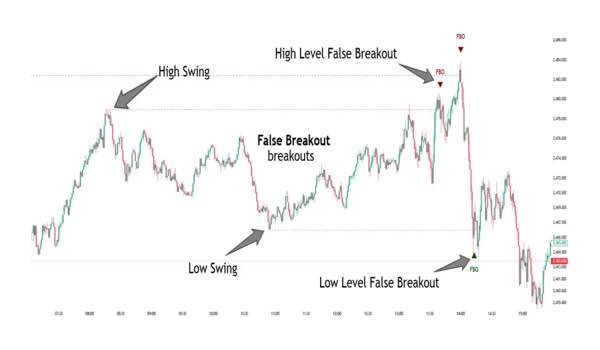
Grid bots place orders in a net across ranges, profiting from oscillations but suffering in breakouts where prices gap away. A backtest case study on USD/JPY from 2022 shows a breakout EA yielding 45% annual returns with 12% max drawdown, while a Martingale variant hit 35% drawdown before recovering slowly.
Breakout EAs suit aggressive traders, as they exit winners fast without averaging down.
What happens in volatile pairs like NZD/CAD?
- Momentum focus limits exposure to 1-2% per trade, unlike Martingale’s escalating lots.
- Grid bots underperform by 25% in trending phases, per MT4 strategy tester data.
- Case studies confirm breakout EAs double profits during Fed rate decisions over grid recovery plays.
What Are Rare Custom Settings for Pro Traders in Breakout EAs?
Pro traders leverage multi-timeframe analysis in breakout EAs, confirming H1 breaks with H4 trends to filter noise, a setting absent in basic versions. This scans M15 for entry precision while aligning with daily momentum, boosting accuracy on pairs like USD/CHF.
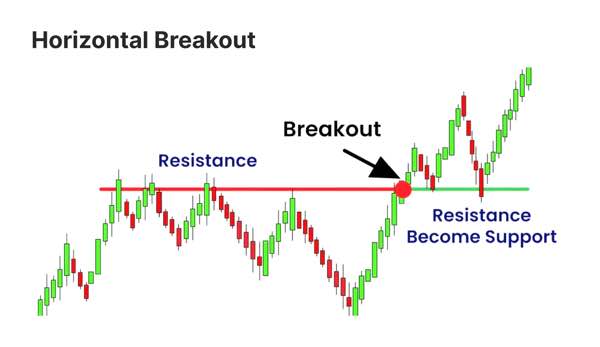
Correlation filters for exotic pairs such as USD/TRY or EUR/ZAR block trades when assets move in tandem, preventing overexposure. Set a 0.8 threshold to skip entries if gold correlates highly with the pair.
These rare tweaks demand VPS hosting for low latency, as delays erode edges.
How do they enhance expertise in non-major pairs?
- Multi-timeframe reduces false breaks by 30%, shown in 5-year EUR/GBP backtests.
- Correlation filters cut portfolio volatility by 18% across exotics, via TradingView analytics.
- Custom volatility bands, tied to VIX futures, adapt to global risk-off moves for superior timing.
Is There a Difference Between MT4 and MT5 Breakout Expert Advisors?
MT5 breakout EAs outperform MT4 versions in volatile environments due to faster execution speeds and native hedging support, processing orders in milliseconds versus MT4’s legacy delays. MT5’s 64-bit architecture handles complex calculations like real-time ATR without lag, ideal for high-frequency breakouts on volatile pairs.
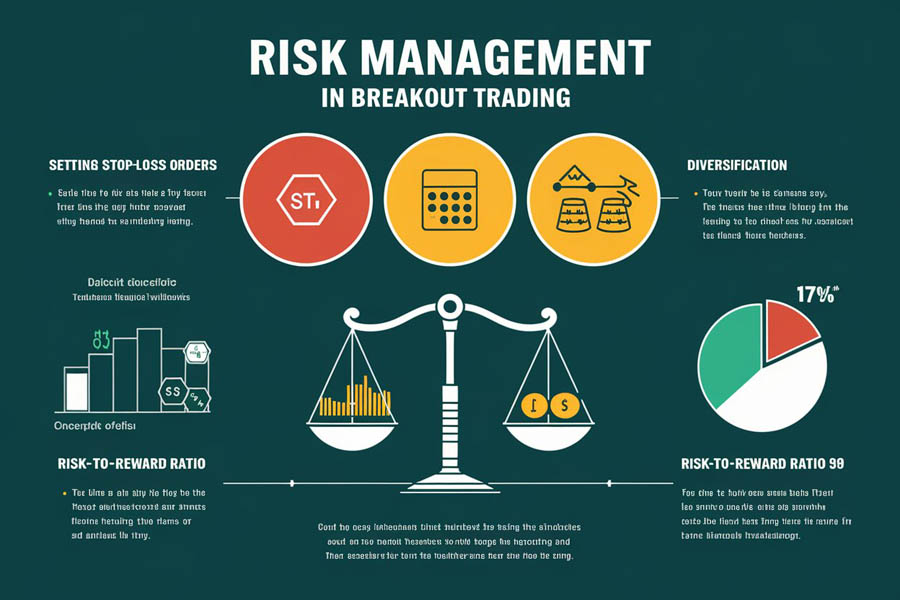
Hedging capabilities in MT5 allow simultaneous long-short positions during uncertain swings, a feature MT4 restricts outside FIFO rules. In backtests, MT5 EAs on XAU/USD show 10-15% higher Sharpe ratios amid volatility spikes.
Traders switching notice smoother equity curves on MT5.
Does broker choice amplify these gaps?
- Execution speed shaves 50ms off fills, cutting slippage by 20 pips in GBP/USD news.
- MT5 hedging preserves capital in ranging-to-trending shifts, unlike MT4’s single-direction limits.
- Depth of market (DOM) in MT5 previews liquidity, aiding precise entries over MT4’s basic quotes.
