
Research
7 Best EAs for FTMO (Tested & Ranked): Pass Your Prop Firm Challenge
Dec
The 7 best EAs for passing the FTMO challenge are Waka Waka EA, Forex Fury, Odin, Vigorous Trader, Nighthawk, Ranger EA, and Perceptrader AI. These expert advisors are selected for their sophisticated risk management features, consistent performance metrics, and trading strategies compatible with prop firm rules. They offer a balance between achieving profit targets and respecting strict drawdown limits, which is fundamental for success in any funded account challenge. Their reliability has been noted across various market conditions, making them suitable tools for automating the evaluation process.
A suitable Expert Advisor for an FTMO challenge must have built-in risk controls that align perfectly with the firm’s daily and maximum loss limits. This means the EA needs features like a hard equity stop, settings to cap daily drawdown, and a trading logic that avoids high-risk strategies like uncontrolled martingale or grid systems. The primary goal is not just to hit the profit target but to do so without ever breaching the drawdown rules, as a single violation results in failure.
Yes, you are permitted to use an Expert Advisor to trade and pass the FTMO challenge. However, FTMO has specific rules regarding the type of strategies that are forbidden. Prohibited methods include high-frequency trading (HFT), latency arbitrage, and specific types of copy trading that involve mimicking signals from other traders. As long as your EA employs a legitimate trading strategy and is unique to your account, its use is generally accepted.
This article will now provide a detailed breakdown of what makes an EA suitable for FTMO, review the top 7 EAs designed for this purpose, and compare the leading options to help you make an informed choice. Let’s explore the features that separate a challenge-passing EA from a regular one.
What Makes an Expert Advisor (EA) Suitable for an FTMO Challenge?
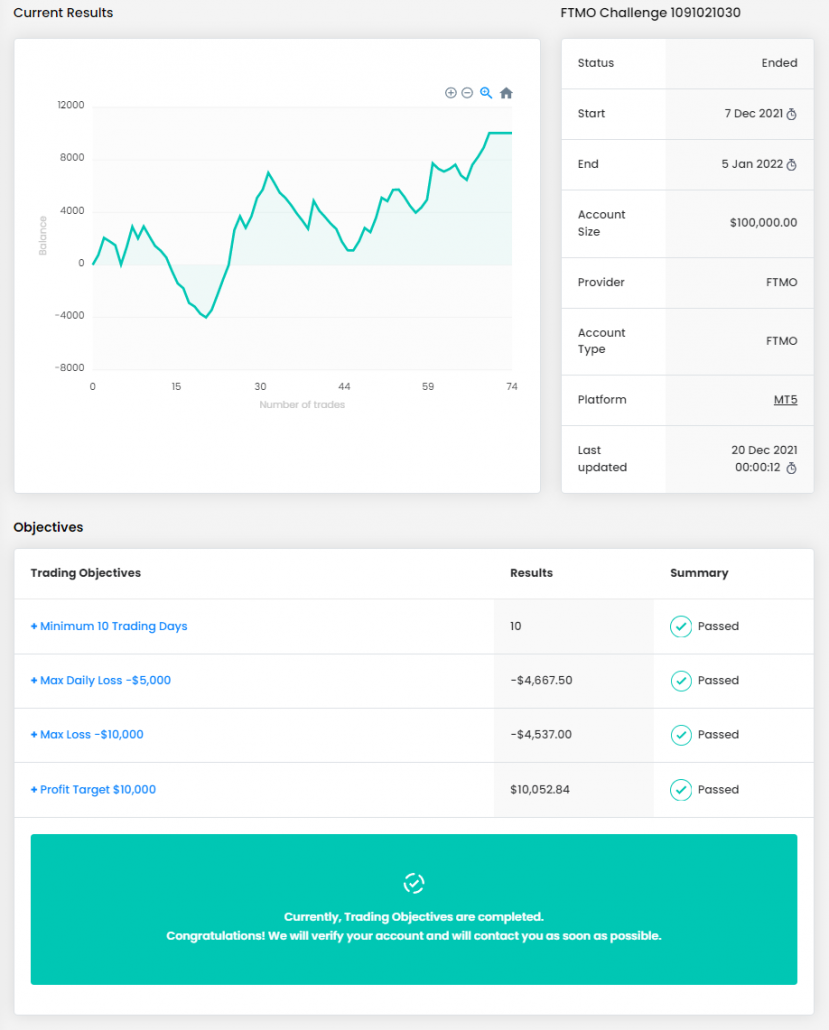
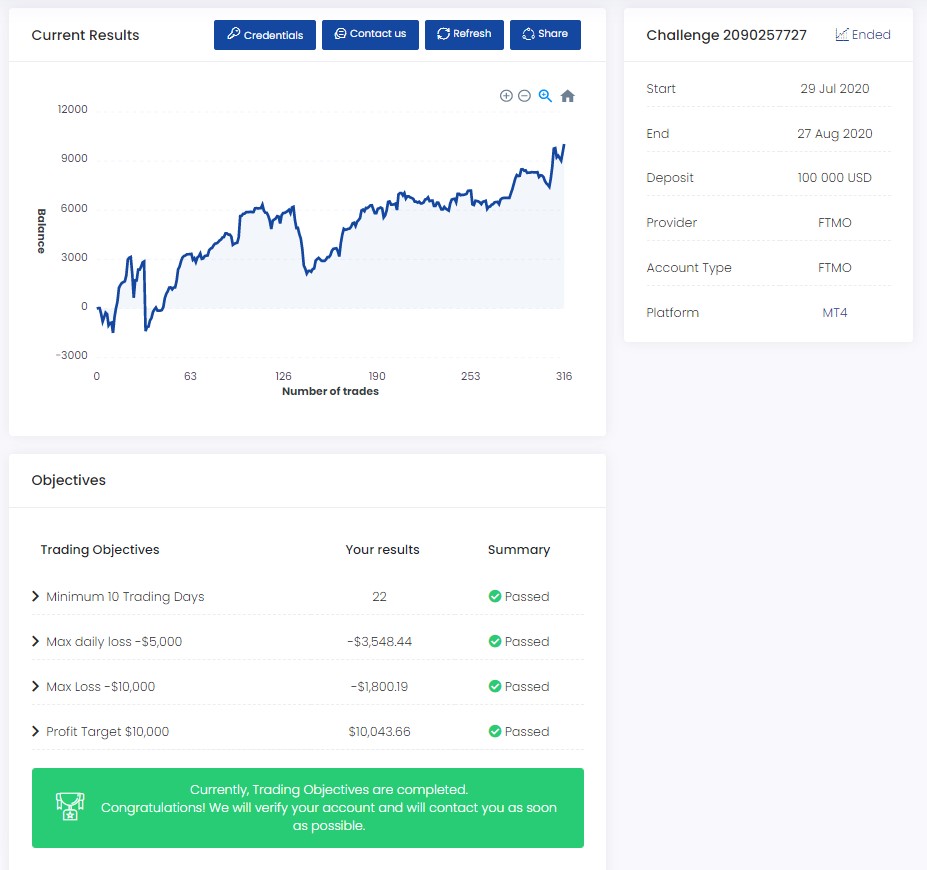
An Expert Advisor becomes suitable for an FTMO Challenge when its core programming aligns with FTMO’s strict trading objectives, specifically its profit targets, daily loss limit, maximum loss limit, and minimum trading days. The EA’s strategy must be designed for steady growth rather than quick, high-risk gains. To understand this better, let’s look at the specific rules. FTMO requires traders to meet a profit target, often 10% in the first stage, without breaching a 5% daily loss limit or a 10% maximum total loss limit. The EA must operate within these tight constraints. A bot that uses a high-risk approach might hit the profit target, but it is just as likely to violate a drawdown rule along the way. Therefore, suitability is defined by risk management and consistency. The EA must be a tool for disciplined trading, automatically enforcing rules that a human trader might emotionally override.
What are the Key Risk Management Features an FTMO EA Must Have?
The key risk management features an FTMO EA must have are hard stop loss integration, comprehensive equity protection, and adjustable settings to control maximum daily drawdown. These components are not optional; they are essential for preventing rule violations. An EA without these controls is a liability in a prop firm environment. The bot must be able to automatically calculate and adhere to the 5% daily loss limit. For instance, on a $100,000 account, the daily loss cannot exceed $5,000. A proper EA will have an input setting where you can specify this percentage. If the account’s equity drops by that amount in a single day, the EA should immediately close all open positions and cease trading until the next day. This single feature is perhaps the most important defense against disqualification. Equity protection is a related but distinct feature that monitors the overall account balance. It is set to the maximum loss limit, typically 10%. If the account’s total drawdown reaches this threshold, the EA will stop trading entirely to prevent further losses and protect the account from being terminated. A hard stop loss on every single trade is another non-negotiable feature. It ensures that no individual position can cause catastrophic damage, keeping losses predictable and managed.

What Performance Metrics are Most Important for Passing FTMO?
For passing FTMO, the most important performance metrics are a stable, upward-sloping growth curve, a consistent profit factor above 1.5, and low, controlled drawdown. High-risk, high-reward metrics are less valuable here. A stable growth curve indicates that the EA’s strategy is consistent and does not rely on a few lucky, oversized wins. Prop firms like FTMO want to see a trader who can generate steady profits over time, as this demonstrates a reliable methodology. An equity curve that looks like a rollercoaster, with sharp peaks and deep troughs, is a red flag, even if it ultimately ends in profit. It suggests a lack of control over risk. The profit factor, calculated by dividing the gross profit by the gross loss, is another telling metric. A profit factor of 1.5 means that for every dollar lost, one and a half dollars were gained. Anything below 1 suggests a losing strategy, while a consistent figure above 1.5 points to a healthy and profitable system. Consistency is more important than a very high profit factor from a single large trade. Finally, the maximum drawdown metric shown in backtests must be well below FTMO’s 10% limit. A strategy that historically shows a 15% drawdown is unsuitable, even if its average return is high, because it is statistically likely to breach the rules.
What are the 7 Best and Most Reliable EAs for Passing FTMO?
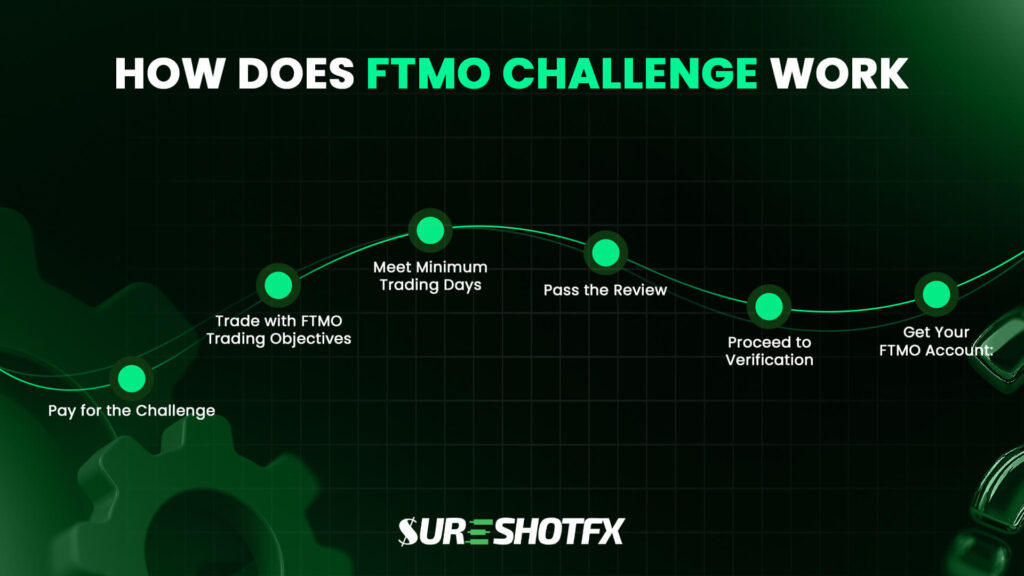
The 7 best and most reliable EAs for passing the FTMO challenge are Waka Waka EA, Forex Fury, Odin, Vigorous Trader, Nighthawk, Ranger EA, and Perceptrader AI. These EAs have been ranked based on their specialized features for prop firm trading, including advanced risk management, consistent strategy, and positive user feedback within the prop firm community. They are designed not just for general profitability but for succeeding within a rule-based environment. Each offers a different approach, from grid trading to scalping, but all share a common focus on capital preservation and steady growth. Choosing the right one depends on your risk tolerance and preferred trading style. For example, some traders may prefer a slow and steady trend-following EA, while others might be comfortable with a well-managed grid system. The following sections will explore each of these expert advisors in detail, covering their strategies, strengths, and costs to help you identify the best fit for your FTMO journey.
Waka Waka EA?
Waka Waka EA is an advanced grid trading system designed for consistent profitability in the forex market, making it a popular choice for prop firm challenges. Its strategy is based on exploiting existing market inefficiencies and patterns, primarily trading on currency pairs like AUDCAD, AUDNZD, and NZDCAD. The system works by placing an initial order and, if the market moves against it, opening additional orders at calculated intervals, averaging the entry price. What makes it suitable for FTMO is its sophisticated risk management. Unlike simple grid systems, Waka Waka uses a very gradual lot sizing increase and has built-in settings to limit the maximum drawdown, which can be configured to respect FTMO’s rules. Its primary strength is its long-term, verified track record on live accounts, showcasing a smooth equity curve over several years. This demonstrates a level of consistency that is highly attractive for a challenge environment where steady progress is key. The EA is sold on the MQL5 marketplace, and its price is typically in the higher range, often around $2000 for a lifetime license, reflecting its performance history and popularity. Users should still perform their own backtests to find the optimal settings for FTMO’s specific risk parameters.
Forex Fury?
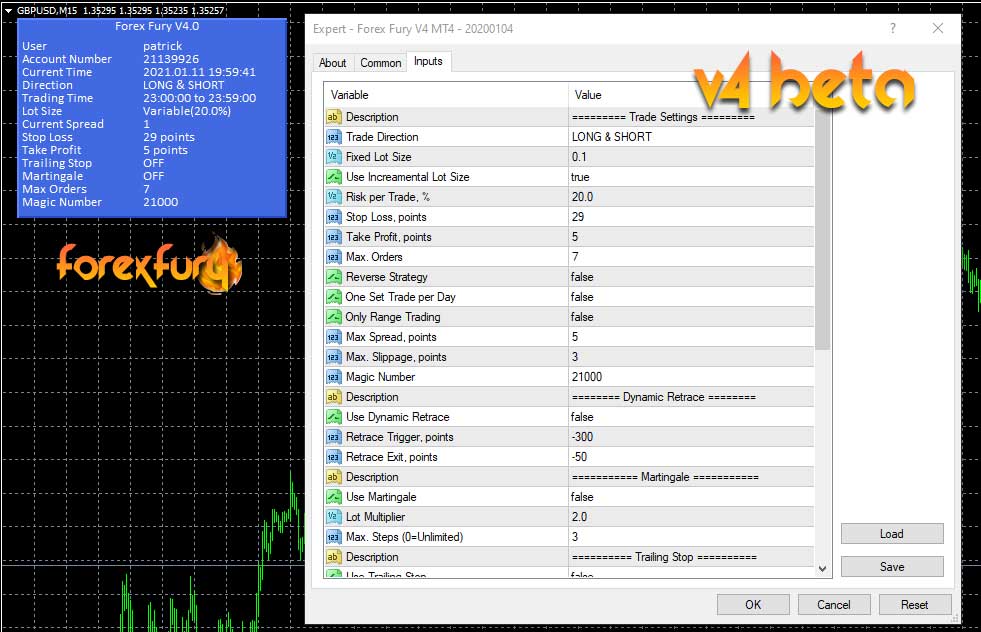
Forex Fury is a high-performance scalping EA that supports multiple currency pairs and is known for its compatibility with various trading conditions, including prop firm challenges. The core strategy revolves around time-based entries, typically aiming to capture small profits during periods of low volatility, such as the end of the US session. This approach minimizes exposure to unpredictable market spikes. It can be configured to trade on pairs like GBPUSD, USDJPY, and EURUSD. The EA’s main strength lies in its versatility and customization. It comes with optimized setting files but also allows users to adjust nearly every parameter, from stop loss and take profit levels to trading times and risk settings. For FTMO, this is a major advantage. A user can create a specific setting file tailored to meet the challenge’s objectives, such as a low-risk configuration that targets a modest 0.5% profit per day while keeping drawdown minimal. Forex Fury is not a “one size fits all” solution; it requires some testing to find the best settings for the broker and challenge rules. It is one of the more affordable options, generally priced around $230 for a lifetime license for one account, making it accessible for traders on a budget.
Odin?
Odin is a forex trading robot that uses a grid-based strategy, but it is specifically designed with features to make it safer and more adaptable for environments like the FTMO challenge. It identifies the primary trend and places trades in that direction. The grid logic only comes into play to manage positions if the market temporarily moves against the initial trade. It is optimized for pairs like EURUSD, GBPUSD, and AUDUSD. Its main strength comes from its filtering and risk management systems. Odin uses a news filter to avoid trading during high-impact news events, which helps prevent large, unexpected price swings that could violate drawdown rules. It also has a smart distance calculation for grid orders and a “close all trades” function based on a total profit or loss target. For an FTMO trader, this means you can configure Odin to close all positions once a certain daily profit is hit or, more importantly, if the daily loss limit is approaching. This level of automated control is perfect for maintaining discipline. The price for Odin is usually around a few hundred dollars for a lifetime license, positioning it as a mid-range option.
Vigorous Trader?
Vigorous Trader is an Expert Advisor that employs a multi-strategy approach, combining elements of trend following, price action, and support/resistance analysis. This dynamic system allows it to adapt to changing market conditions rather than relying on a single, rigid methodology. It is designed to work on a broad range of currency pairs, offering diversification. The key benefit of Vigorous Trader for an FTMO challenge is its focus on risk-to-reward ratios. Each trade is executed with a predefined stop loss and take profit, and the strategy generally avoids high-risk techniques like martingale. This results in a more conventional trading style that is easier to manage within FTMO’s risk framework. It includes settings for maximum spread and slippage, preventing entries during unfavorable market conditions. This helps protect against unexpected losses that can occur with less sophisticated EAs. The EA’s logic aims for a high win rate with a balanced risk-to-reward, creating a steady equity curve suitable for passing challenges. Its pricing is typically a one-time fee, often in the range of $300 to $500.
Nighthawk?
Nighthawk is a scalping EA that operates during the Asian trading session, a period known for its lower volatility and more predictable price movements. Its strategy is to enter and exit trades quickly, capturing small profits while minimizing time in the market. It is optimized for currency pairs that are typically less active during this session, such as EURCHF, GBPCAD, and EURAUD. The primary advantage of using Nighthawk for FTMO is its inherent low-risk nature. By trading in a quiet market, it avoids the large, sudden moves that often occur during the London or New York sessions. This naturally helps in staying within the daily drawdown limit. The EA uses tight stop losses on every trade and includes risk management settings to control the trade size based on account equity. Its strategy is consistent and produces a high number of small winning trades, which contributes to a very smooth and stable growth curve. This is exactly the kind of performance profile prop firms look for. The cost of Nighthawk is generally a one-time purchase, making it a straightforward investment for a challenge attempt.
Ranger EA?
Ranger EA is a trend-following expert advisor that is designed to perform well on a wide variety of currency pairs by identifying and capitalizing on strong market trends. The strategy is based on a combination of moving averages and other trend-identifying indicators to determine the direction of the market. It then enters trades in that direction and uses a trailing stop loss to lock in profits as the trend continues. For FTMO challenges, Ranger EA’s strength is its clear and disciplined trading logic. It is not a scalper or a grid trader; it focuses on catching larger, more sustained moves. This can lead to fewer trades, which aligns with FTMO’s minimum trading days rule without over-trading. The integrated trailing stop loss is a powerful risk management tool, as it protects profits and can turn a good trade into a great one while limiting downside risk. Users can configure the risk per trade as a percentage of the account balance, which helps in adhering to the overall 10% maximum loss rule. Ranger EA is usually sold for a one-time fee and is considered a solid choice for traders who prefer a classic, trend-based approach.

Perceptrader AI?
Perceptrader AI is a highly advanced EA that integrates machine learning and artificial intelligence to analyze market data, leveraging tools like ChatGPT and Google’s Bard. Its core strategy involves using these AI models to forecast short-term market direction and identify trading opportunities based on patterns that traditional indicators might miss. It is designed to be versatile, trading on pairs like NZDUSD, USDCAD, and AUDCAD. Its standout feature for FTMO is its adaptive learning capability. The AI models can be trained on historical data, allowing the EA to adapt its strategy to current market behavior. This forward-looking approach can be more robust than static, rule-based systems. For risk management, Perceptrader AI includes a comprehensive suite of controls, including news filters, drawdown limits, and profit targets. The use of AI for market analysis provides a unique edge, potentially identifying high-probability trades that lead to a more consistent performance. The cost is on the premium end, reflecting the sophisticated technology involved, often requiring a subscription or a higher one-time license fee.

How do the Top 3 FTMO EAs Compare Head-to-Head?
Comparing the top three FTMO EAs, Waka Waka EA excels with its highly consistent grid strategy, Forex Fury offers unmatched versatility for scalping across various pairs, and Odin provides a safer, trend-focused grid system with excellent risk filters. Each EA serves a different type of trader, but all are built with the necessary controls to navigate a prop firm challenge. Waka Waka is often seen as a “set and forget” system with a long history of success, making it ideal for those who want a proven, hands-off solution. Its weakness is that grid trading, even when managed well, carries inherent risks if the market enters a prolonged, one-directional trend. Forex Fury, on the other hand, is for the trader who likes to tinker and optimize. Its strength is its customizability, allowing users to develop low-risk settings tailored to FTMO. This requires more initial effort but offers greater control. Odin strikes a balance between the two. It uses a grid but in a more conservative, trend-following manner and includes a news filter, which is a major advantage for risk management. Let’s see how they stack up in a direct comparison.
To provide a clearer view, here is a summary table comparing these top contenders:
| Feature | Waka Waka EA | Forex Fury | Odin |
|---|---|---|---|
| Strategy Type | Advanced Grid Trading | Time-Based Scalping | Trend-Following Grid |
| Primary Pairs | AUDCAD, AUDNZD, NZDCAD | GBPUSD, USDJPY, EURUSD | EURUSD, GBPUSD, AUDUSD |
| Risk Management | Advanced Drawdown Control | Fully Customizable Risk | News Filter, Smart Grid |
| Best For | Hands-off, consistent growth | Traders who like to optimize | Balanced risk approach |
| Cost | Premium (One-time fee) | Affordable (One-time fee) | Mid-Range (One-time fee) |
| Ease of Use | Easy | Medium (Requires testing) | Easy to Medium |
Waka Waka is best for traders who trust its long-term verified performance and want a system that runs with minimal intervention. Its advanced logic manages the grid in a way that has historically kept drawdown within acceptable limits. Forex Fury is the choice for traders who want to be in the driver’s seat. You can create very safe, low-drawdown files specifically for passing the FTMO challenge, but you must be willing to do the backtesting and optimization yourself. Finally, Odin is for the risk-averse trader who is comfortable with a grid system but wants extra layers of protection. The news filter alone is a powerful tool for avoiding the volatility that can easily cause a rule violation. The choice between them depends on your personal risk appetite and how much hands-on involvement you prefer.
Is it Permissible to Use an EA to Pass the FTMO Challenge?
Yes, it is permissible to use an Expert Advisor (EA) to pass the FTMO challenge, as long as the EA’s strategy does not fall into one of FTMO’s specifically prohibited categories. FTMO openly acknowledges that many successful traders use automated systems. Their primary concern is not whether a trader is using an EA, but whether the trading strategy is genuine, unique, and does not exploit the system or copy other traders. The firm’s goal is to find skilled traders with consistent strategies, whether those strategies are executed manually or automatically. Therefore, using a well-designed EA that follows a legitimate trading methodology is perfectly acceptable. The responsibility falls on the trader to ensure their chosen EA complies with all the rules. FTMO is transparent about what is not allowed, and understanding these restrictions is key to successfully using an EA. Many traders have passed the challenge and received funding by using EAs that focus on sound risk management and consistent performance.
To stay compliant, it is essential to avoid EAs that engage in forbidden practices. FTMO explicitly prohibits the following types of strategies:
- High-Frequency Trading (HFT): This refers to strategies that open and close a massive number of trades in extremely short timeframes, often milliseconds. These EAs are designed to profit from tiny price fluctuations and are not considered a sustainable trading strategy by FTMO.
- Arbitrage: This includes latency arbitrage, where an EA exploits small delays in the price feed between different brokers, and tick scalping, which involves profiting from price discrepancies within a broker’s own feed. These strategies do not demonstrate true trading skill.
- Certain Copy Trading Practices: You are not allowed to use an EA that copies trades from a third-party signal provider if other traders are also using the exact same signals. This is because FTMO wants to fund traders with unique strategies, not multiple people running the same public signal. Using an EA to copy your own trades across multiple accounts is generally allowed.
- Martingale Strategies without Control: While not explicitly banned, EAs that use high-risk martingale strategies (doubling your lot size after every loss) are very likely to violate the drawdown rules and are therefore unsuitable. A successful EA must have its risk strictly controlled.
What are the Hidden Risks and Advanced Strategies for Using EAs with Prop Firms?
Using an Expert Advisor with a prop firm introduces nuanced risks beyond simple losses, including subtle rule violations and technical failures, which demand advanced mitigation strategies. These challenges require a deeper approach than just finding a profitable EA. Traders must actively manage both the software and the environment it operates in to protect their challenge accounts from instant disqualification.
How is Using an EA Different from Manual Trading for a Prop Firm Challenge?
The choice between an EA and manual trading for a prop firm challenge hinges on a trade off between emotional discipline and market adaptability. An EA operates based on pure logic, executing trades without fear or greed, which is a major advantage for traders who struggle with psychological pressure. It can monitor markets 24 hours a day, never missing a setup that fits its pre-programmed criteria. This systematic approach can create a consistent trading record, which some prop firms look upon favorably.
However, this mechanical nature is also a primary drawback. EAs cannot interpret fundamental market context or adapt to sudden, unexpected events that are not part of their code. A manual trader can see a shift in market sentiment and decide to stay out, while an EA might trade directly into a volatile situation.
Let’s see the main differences:
- Emotional Input: EAs are completely devoid of emotion, leading to disciplined execution. Manual traders must constantly manage their own psychology, which can lead to mistakes like revenge trading or closing winning trades too early.
- Speed and Efficiency: An EA can execute a trade in milliseconds, an impossible feat for a human. It can also manage dozens of positions across multiple currency pairs simultaneously without getting overwhelmed.
- Flexibility: A manual trader possesses the ultimate flexibility to adapt their strategy on the fly based on new information or changing market structure. An EA is rigid and will follow its rules, for better or worse, until its settings are changed.
- Time Commitment: An EA trades for you, freeing up your time. Manual trading, especially short term strategies, requires hours of screen time for analysis and trade management, which is not always feasible.
How does a Dedicated News Filter Protect an EA on an FTMO Account?
A dedicated news filter is a non negotiable safety feature for any EA used on an FTMO account because it prevents the algorithm from trading during periods of extreme market volatility. High impact news releases, such as the Non Farm Payroll (NFP) or Consumer Price Index (CPI) reports, can cause price to move hundreds of pips in seconds. This creates massive spreads and slippage, where your order is filled at a much worse price than intended. For an FTMO account with a strict 5% daily drawdown limit, a single trade during such an event can lead to instant failure.
The news filter functions as an automatic circuit breaker for your trading account. It connects to an online economic calendar and pauses the EA’s trading activity for a user defined period before and after major news events. For example, you can configure it to stop all new trades 30 minutes before a high impact report and only resume trading 30 minutes after the release.
This protection offers several specific benefits for a prop firm challenge:
- Prevents Drawdown Violations: The primary function is to avoid the catastrophic losses that can occur from unpredictable price spikes during news, protecting you from hitting your daily or maximum drawdown limits.
- Avoids Slippage and Wide Spreads: By pausing trading, the EA is not exposed to the poor execution conditions that are common during news, where spreads can widen tenfold and slippage can turn a small planned loss into a large one.
- Maintains Strategy Integrity: Many EAs are designed for normal market conditions. Their logic can easily be broken by the chaotic, irrational price action that news events generate. The filter helps confirm the EA only operates in the environment it was designed for.
Can You Use the Same EA on FTMO and Other Prop Firms?
While you can technically use the same EA file on FTMO and other prop firms like The Funded Trader, you almost always need to adjust its settings to align with each firm’s unique rules. Using the exact same configuration across different firms is a common mistake that can lead to failure. Prop firms appear similar on the surface, but their evaluation criteria can have subtle yet impactful differences. A strategy that is perfectly compliant with FTMO might violate a rule at another firm.
The key is to calibrate the EA’s risk parameters and trading behavior to the specific rulebook you are trading under. For instance, FTMO’s daily drawdown is calculated based on the previous day’s closing balance. Another firm might calculate it based on equity, which is a rolling, real time calculation. An EA that has a large floating drawdown might be safe under FTMO’s rules but would instantly breach an equity based drawdown rule.
You’ll notice several areas where adjustments are often needed:
- Drawdown Calculation: As mentioned, you must adjust the EA’s stop loss and risk settings to respect whether the drawdown is balance based or equity based.
- Consistency Rules: Some firms have rules that prevent any single trade from accounting for a large percentage of the total profit target. If your EA is a “home run” style system that aims for large, infrequent wins, it could pass FTMO but fail a firm with a strict consistency rule. You would need to adjust its take profit or risk settings to generate smaller, more frequent gains.
- News Trading Rules: While FTMO allows trading during news, other firms may restrict it or have rules about holding positions over a news release. Your EA’s news filter settings would need to be adjusted accordingly.
- Allowed Strategies: Some firms may place restrictions on certain trading styles, such as high frequency scalping or martingale strategies. You have to be certain your EA’s core logic is permitted by the firm you are challenging.
What are the Common Reasons EAs Fail the FTMO Challenge?
EAs often fail the FTMO challenge not because the strategy itself is flawed, but due to incorrect implementation and management of the software and its environment. These preventable errors are the primary cause of disqualification for many aspiring funded traders. A successful outcome depends as much on the trader’s oversight as it does on the EA’s algorithm.
One of the most frequent reasons for failure is the use of improper settings. Many traders apply a generic or “one size fits all” setting file without adapting it to current market conditions or the specific account size and leverage of the FTMO challenge. Over optimization is another part of this problem, where settings are so finely tuned to historical data that they crumble under the unpredictability of the live market.
Here are some of the most common pitfalls:
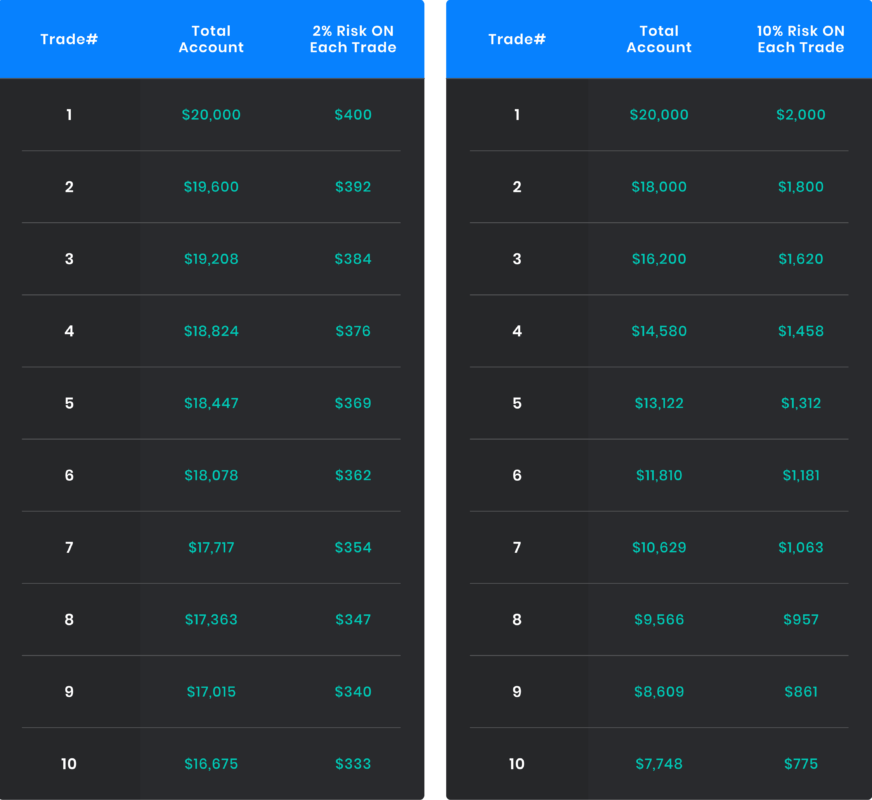
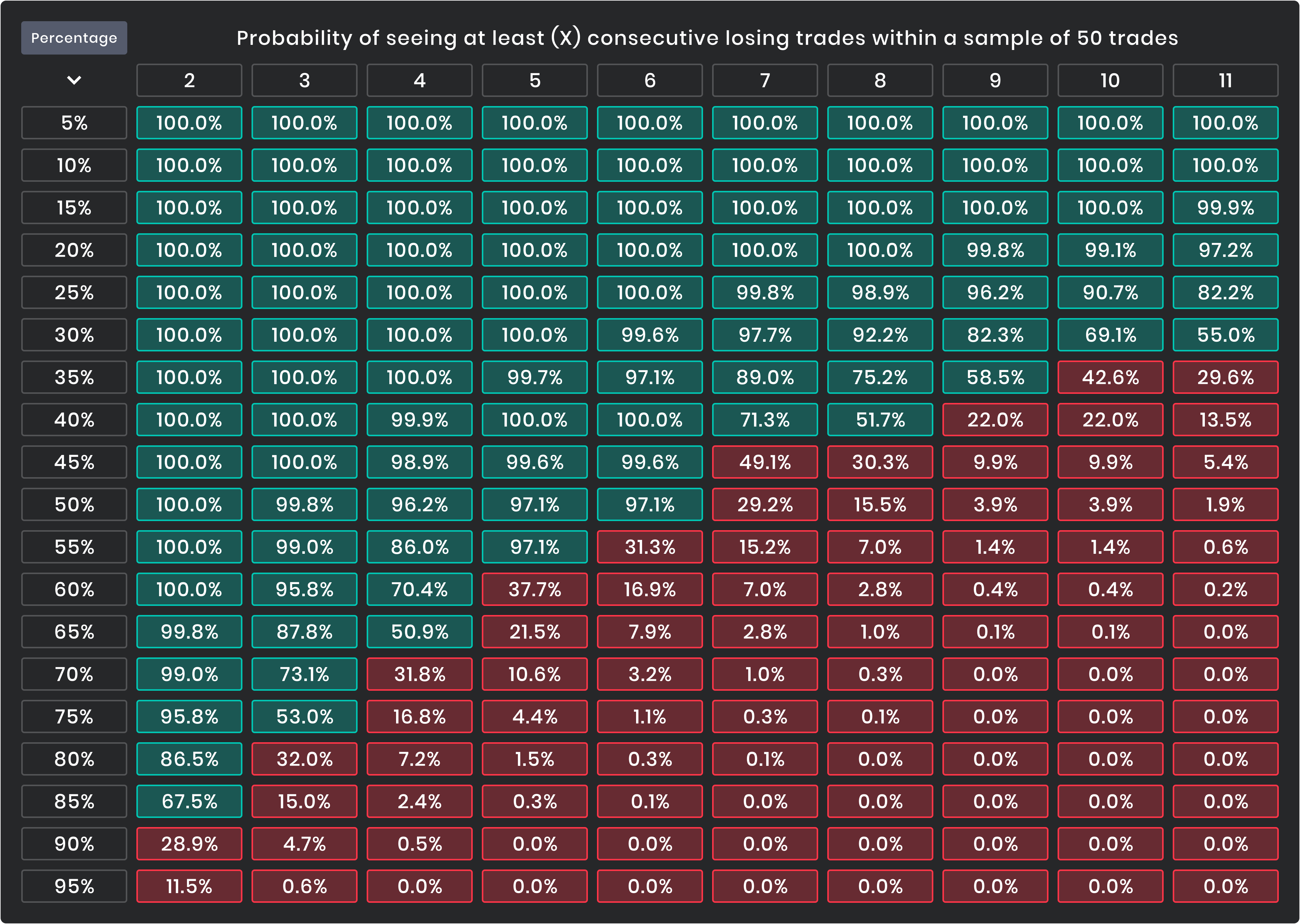
- Over-Leveraging: Setting the EA’s risk parameter too high is a fast track to failure. A single losing streak can easily breach the 5% daily drawdown limit if the risk per trade is set at 2% or 3%. Prudent risk management, often 0.5% to 1% per trade, is paramount.
- VPS Latency and Downtime: The Virtual Private Server (VPS) is where the EA runs. If the VPS has high latency (a long delay between the EA and the broker’s server), it can result in poor trade execution and slippage. If the VPS goes offline, the EA stops working, potentially leaving trades open and unmanaged.
- Ignoring News Events: As discussed, trading without a news filter is a major gamble. Allowing an EA to operate during high impact news is one of the quickest ways to violate drawdown rules due to extreme volatility.
- Violating Hidden Rules: Some EAs may inadvertently break FTMO’s rules, such as the “gambling” or consistency clauses. For example, an EA using a martingale strategy (doubling down on losses) would likely be flagged and lead to a failed challenge.
