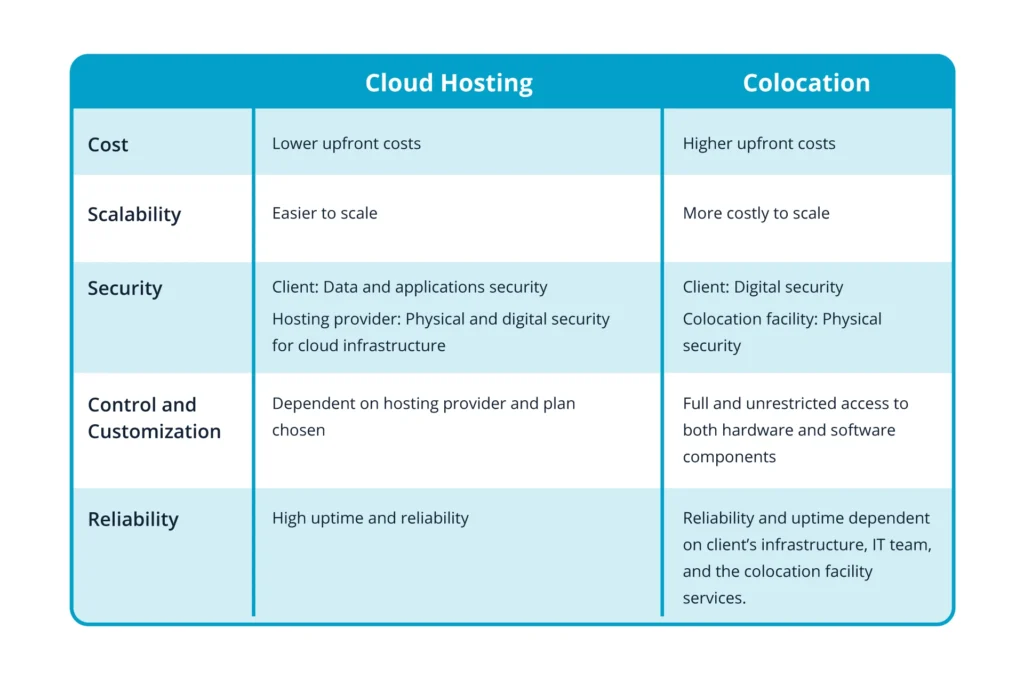
Low-latency colocation services supercharge high-end trading by placing your servers right next to major exchanges, slashing data transmission times to microseconds and giving you a speed edge over competitors. In simple terms, colocation means renting space in a data center physically adjacent to trading venues like the NYSE or CME. This setup cuts the physical […]
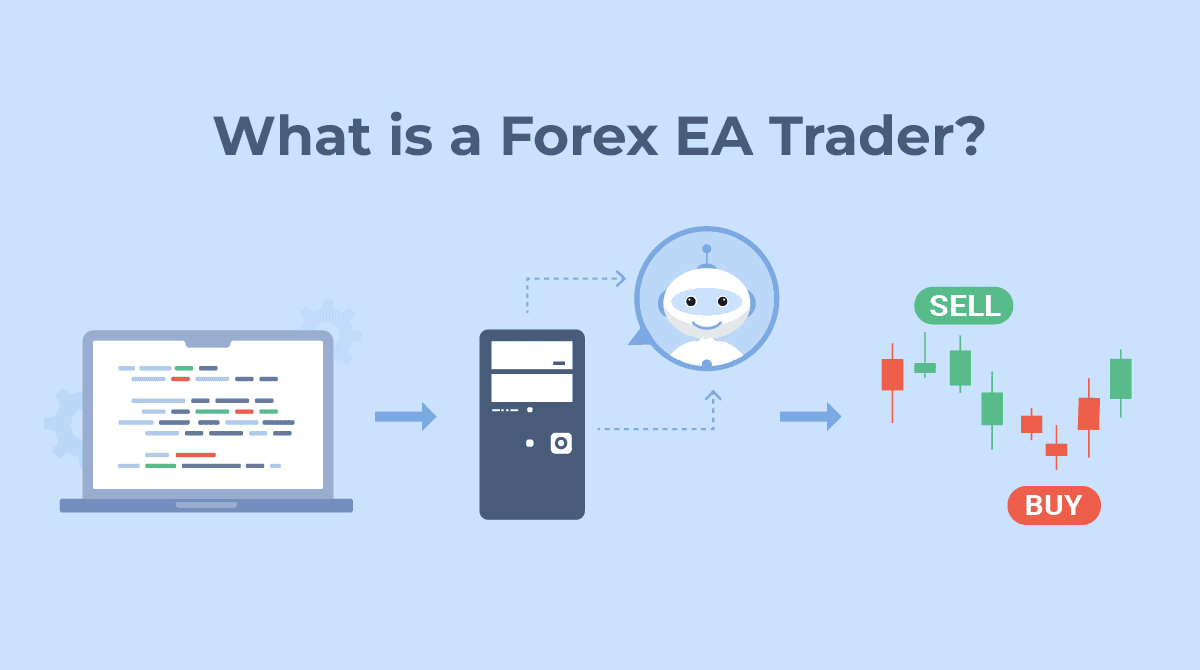
Category Archives: Research
The lifecycle of an Expert Advisor (EA) follows a structured path from development through live trading to retirement, where alpha decay represents the inevitable performance drop after deployment due to changing markets, modeled by the equation α(t) = α₀ * e^(-λt) + β. This process starts strong with high returns from a unique market edge, […]
Mastering correlation risk in multi-EA portfolios involves selecting EAs with low or negative correlations, applying dynamic position sizing, and using market regime filters to enhance diversification and cut overall portfolio volatility. Correlation risk happens when your Expert Advisors (EAs) in trading platforms like MetaTrader move together instead of spreading out risk. This sync-up wipes out […]
A Black Swan event in trading is a highly improbable, unpredictable occurrence with massive market impact, as defined by Nassim Taleb, featuring rarity, extreme consequences, and events that seem predictable only after they happen. These events shatter normal expectations. Traders face sudden, outsized losses because standard models ignore such outliers. Think of them as the […]
Virtual (hidden) stop losses win against stop hunters because they stay invisible to the market, avoiding targeted price pushes that brokers or market makers use to trigger visible hard stops. Traders often lose money when prices spike just enough to hit clustered hard stops, then reverse. Virtual stops let you monitor positions manually or with […]
Losing streaks in Martingale systems cause ruin because they force exponential bet increases that quickly exhaust any finite bankroll, amplified by sequence risk where the order of losses creates unavoidable deep drawdowns. This strategy, popular in gambling like roulette, assumes you double your bet after each loss to recover everything with one win. In practice, […]
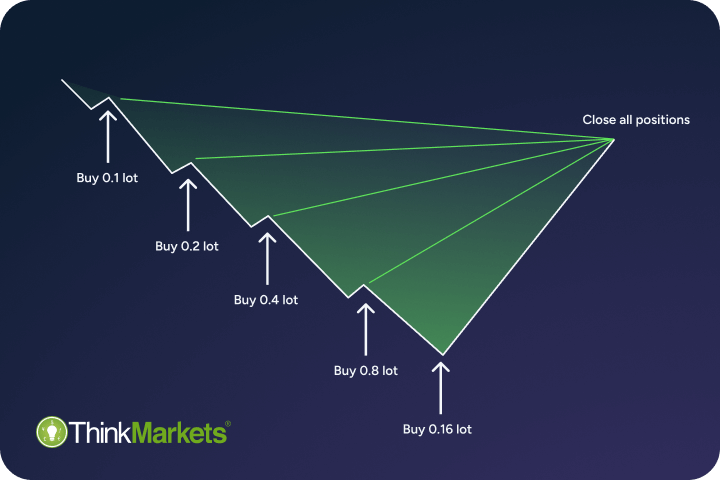
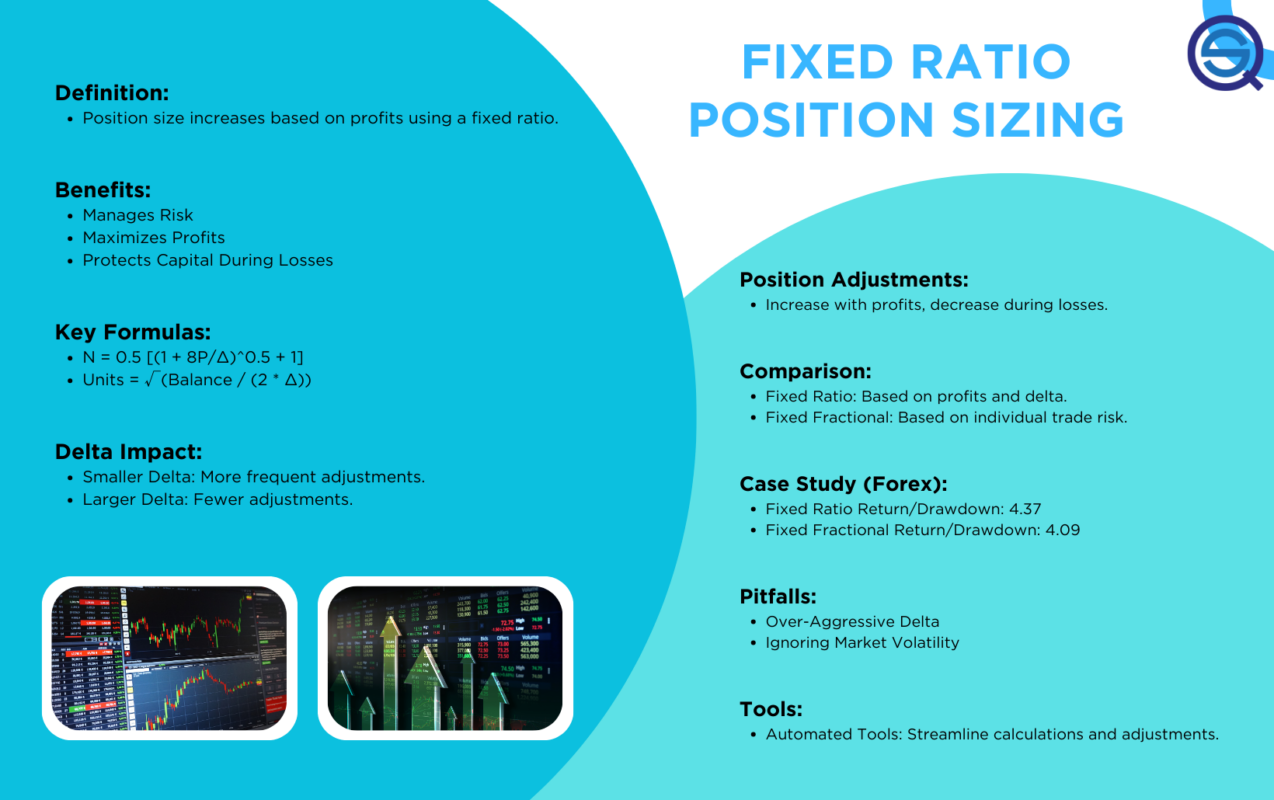
Dynamic lot sizing stands out as the superior choice for mastering money management in trading because it scales risk with your account size, protects capital during drawdowns, and maximizes compounding growth for long-term winning trades. Many traders start with fixed lot sizing for its straightforward approach, but this method often limits potential as your account […]
Commissions and spread mark-ups represent two main ways brokers charge for trades, and the cheaper option depends on your trading volume: commissions often save money for high-volume traders due to tight spreads, while spread mark-ups work better for low-volume or occasional traders with no extra fees. In trading, these costs directly affect your profits, so […]
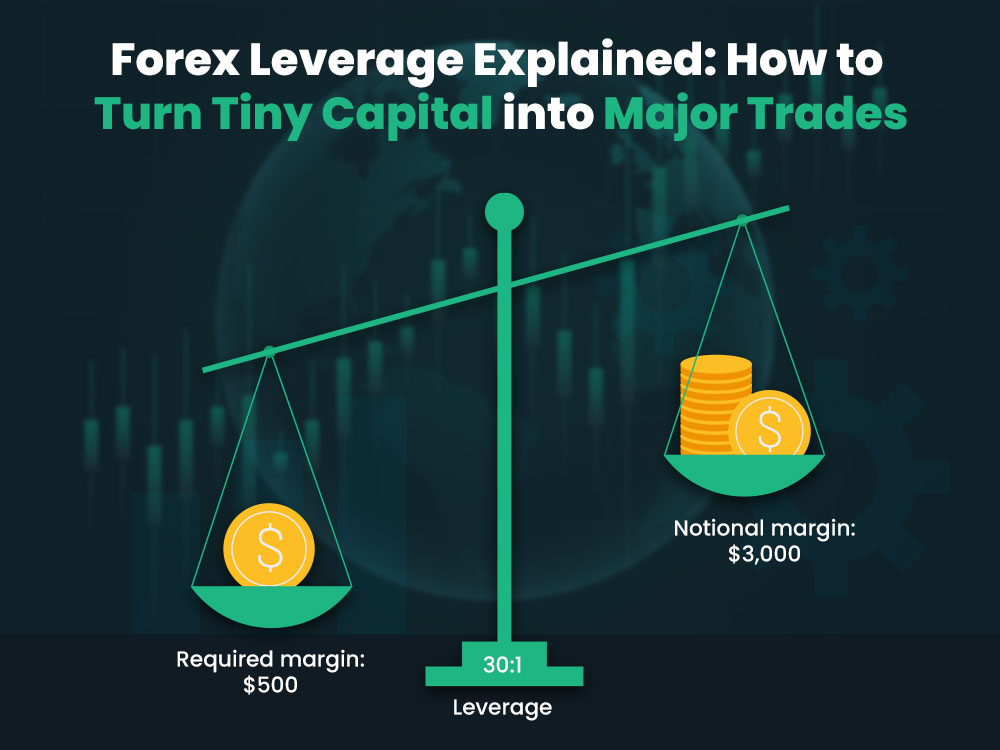
Leverage amplifies Expert Advisor (EA) risk in forex trading by multiplying both profits and losses from automated trades, turning small market moves into account-wiping events. Forex traders use EAs to run trades around the clock without constant monitoring. These systems follow set rules to enter and exit positions. When you add high leverage, like 1:500 […]
A magic number in trading automation is a unique integer identifier that Expert Advisors (EAs) assign to trades to distinguish them from others, especially when running multiple strategies on the same account. This simple number acts like a custom label your EA sticks on each trade it opens. Think of it as a name tag […]