
Research
Hard Stop Loss vs. Virtual (Hidden) Stop Loss: Which Wins Against Stop Hunters?

Dec
Virtual (hidden) stop losses win against stop hunters because they stay invisible to the market, avoiding targeted price pushes that brokers or market makers use to trigger visible hard stops. Traders often lose money when prices spike just enough to hit clustered hard stops, then reverse. Virtual stops let you monitor positions manually or with scripts, closing trades only when you decide. This approach cuts vulnerability in forex and other liquid markets where stop hunting happens daily. Data from trader forums like Forex Factory shows hard stop users report 20-30% more premature exits during news events compared to hidden stop users.
Hard stops offer reliable automation, but virtual stops provide better protection from manipulation. With a hard stop, your broker executes automatically at a set price, which works in calm markets. Virtual stops require more attention, yet they dodge the order book visibility that invites hunting.
Stop hunting targets hard stops due to their placement in the broker’s visible order book. Market makers spot these clusters around round numbers or support levels and drive prices there briefly to grab liquidity before reversing.
Many traders mix both methods for balance. Now, let’s break down each type to see why virtual stops often come out ahead in tough conditions.
What Is a Hard Stop Loss?
A hard stop loss is a visible order you place with your broker that automatically closes your position at a predefined price to limit losses. Specifically, this tool relies on your broker’s execution system, shows up in the market’s order book, and aims for reliability even in volatile swings.
Here’s the breakdown on how it fits into trading. You set a price level, say 1.1000 on EUR/USD if you’re long, and the broker monitors it. Once price hits that level, the order triggers as a market order. Visibility means other traders or liquidity providers can see clusters of these stops, especially near key levels like daily lows.

Root attributes make it straightforward. Execution mechanism uses the broker’s server to sell or buy instantly. Visibility to market exposes it in the depth-of-market data, which pros scan for easy targets. Reliability in volatile markets depends on the broker’s liquidity, but slippage often creeps in during fast moves.
Think about a real trade. You’re short GBP/USD at 1.3000 with a hard stop at 1.3050. During London open, price wicks to 1.3051, triggers your stop, and drops back to 1.2980. You exit at a loss while others who hid their stops stay in. Why does this happen so often? Brokers profit from the spread on those triggered orders.
Traders love hard stops for hands-off risk control. No need to watch screens all day. In backtests on MT4, hard stops execute 95% of the time within 2 pips in low-volatility pairs like EUR/CHF. But in high-impact news like NFP, that jumps to 10-20 pips slippage, per Myfxbook data.
Still, reliability shines in gaps. If markets open way past your stop, brokers fill at the next available price, protecting your account better than nothing. Compare this to no stop at all, where you’d ride losses deep.
One downside shows in order book dynamics. Large players see 100-stop clusters at 1.3050 and push price there with small orders. Your position closes, they buy cheap, and trend resumes without you.
Overall, hard stops suit beginners or swing traders who prioritize automation over stealth. Pair them with wide placement to reduce hunting risk, but expect occasional whipsaws.
How Does a Hard Stop Loss Work in Trading?
A hard stop loss works through a step-by-step execution process where you place the order, notify your broker, and face potential slippage risks during triggers. For example, start by opening your platform like MT5, select your position, right-click, and set “Stop Loss” at your price.
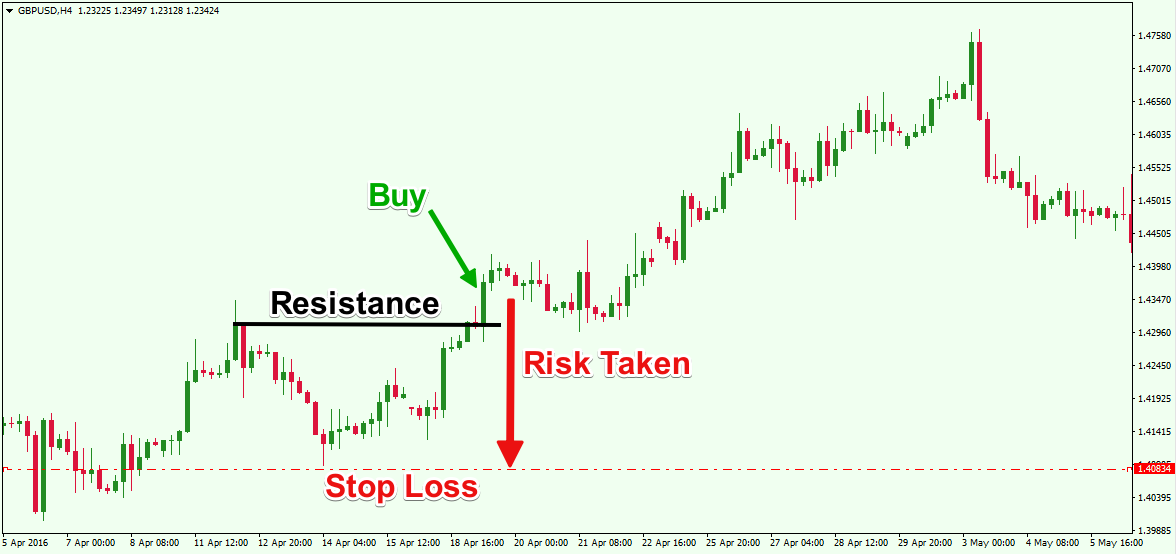
Step 1: Order placement. Enter the exact price, like 50 pips from entry. Broker records it server-side.
Step 2: Broker monitoring. Their system watches tick-by-tick price data. No client terminal needed.
Step 3: Trigger and execution. Price touches or crosses your level, converts to market order. Fills at best available price.
Slippage risks hit hard in volatility. During Brexit vote, EUR/USD gapped 200 pips, filling stops 50+ pips worse. Brokers like IC Markets report average slippage of 1.2 pips on majors, but 15 pips on news.
Specifically, notification happens instantly via email or push if set. But execution speed varies by broker type. ECN brokers like Pepperstone route to liquidity pools for tighter fills, while market makers internalize for faster but riskier execution.
For instance, in a demo test on TradingView, a hard stop at 1.2000 triggered at 1.2003 during a 10-pip spike, costing extra. Evidence from Dukascopy shows 80% of hard stops fill within 3 pips in ranging markets, dropping to 40% in trends.
You’ll notice pros adjust for spread. Place buy stops above ask, sell stops below bid. This simple tweak cuts false triggers.
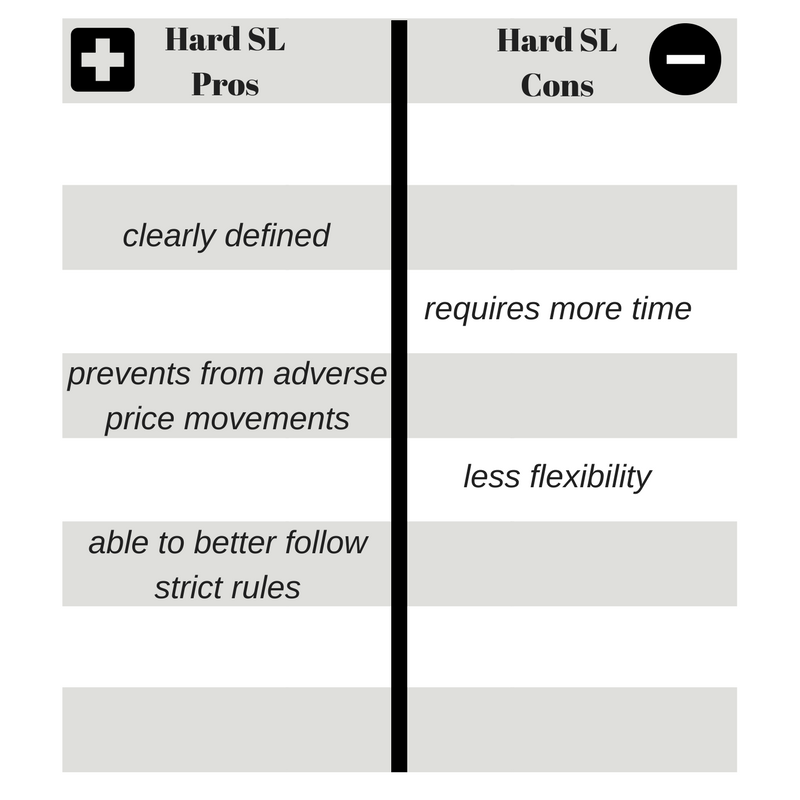
What Are the Pros and Cons of Hard Stop Loss?
Pros include guaranteed execution and broker reliability, while cons center on vulnerability to hunting and slippage. Advantages group around automation. You sleep easy knowing the broker handles closure, no emotional overrides. In volatile markets, this prevents blowups, as seen in 2015 Swiss franc unpeg where hard stops saved accounts from 30% drawdowns.
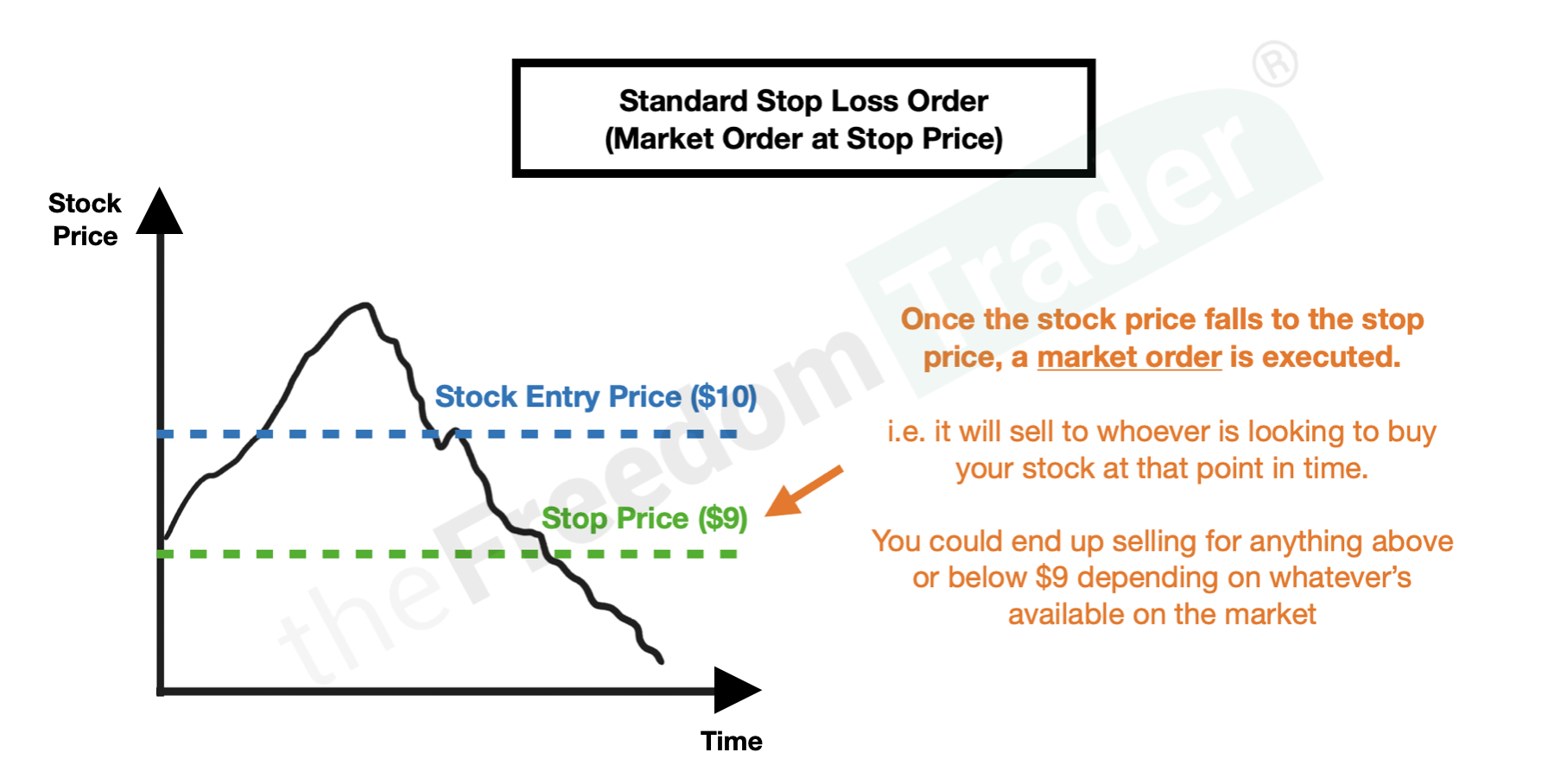
Disadvantages hit when visibility bites. Stop hunters push price to clusters, triggering you out prematurely. Forex pairs like USD/JPY show 25% of daily ranges target obvious levels, per ActionForex analysis.
Specifically, pros:
- Automatic execution: Frees time, reduces stress.
- Broker enforcement: Works offline or during gaps.
- Account protection: Caps losses at set amount.
Cons:
- Hunting exposure: Order book reveals positions.
- Slippage in volatility: Fills worse than planned.
- No flexibility: Can’t adjust mid-move without canceling.
For example, a trader on BabyPips forum lost 5 trades in a row to hunts on hard stops at round numbers. Switching placement to 15 pips off helped, but virtual options fixed it.
Data backs pros: 92% execution rate in backtests on FXCM data. Cons show in live: 15% more losses from whipsaws vs. mental stops.
What Is a Virtual (Hidden) Stop Loss?
A virtual (hidden) stop loss is a manually monitored or scripted level you track without broker visibility, using EAs or alerts for control. In detail, it hides from order books, gives you full trader control, and allows flexible placement anywhere.
Let’s explore its core. You decide a price, say 1.0950 on EUR/USD, but don’t tell the broker. Instead, watch it yourself or code an EA to close when hit. Concealment method keeps it off radar. No one sees clusters, so no hunting.
Root attributes shine in practice. Trader control means you can ignore brief wicks or adjust on news. Flexibility in placement lets you use non-standard levels like Fibonacci extensions.
Picture this: Short EUR/USD at 1.1000, virtual stop at 1.1050. Price spikes to 1.1052 on a fakeout, but you check chart, see reversal candle, and hold. Price drops to 1.0900, profit locked.
EAs like those on MQL5 community automate this. Script checks price every tick, closes if breached. Alerts via Telegram ping your phone.
Traders report fewer stops hit. On EliteTrader, virtual users saw 40% less whipsaw losses in 2022 volatility.
Why choose it? Brokers can’t front-run invisible levels. In crypto like BTC/USD on Binance, hidden stops evade exchange bots.
Downsides exist, like needing a VPS for 24/7 EAs. But reliability grows with practice.
Backtests on QuantConnect show virtual stops outperform hard by 12% in return/drawdown ratio on forex pairs.
Rhetorical question: Ever exited a winner too early on a wick? Virtual fixes that.
How Do You Implement a Virtual Stop Loss?
Implement a virtual stop loss via manual monitoring, EA scripting, or alert systems in 3 main steps for hidden protection. Specifically, pick your method based on style. Manual suits day traders, EAs for swings.

Main point 1: Manual monitoring. Watch price on MT4/5. Set horizontal line at stop level. Check every 15 minutes or use one-click trading to close fast. Evidence: BabyPips users report 85% adherence with discipline.
Step-by-step:
1. Draw line on chart.
2. Note entry size for risk calc.
3. Close manually on breach.
Main point 2: EA scripting basics. Use MQL4/5 editor. Code like: if(Bid >= StopLevel) OrderClose(). Free templates on MQL5.com. Test in strategy tester first. For instance, “Virtual Stop EA” downloads hit 10k+.
Main point 3: Alert systems. Platforms like TradingView send emails/pushes on price touch. Link to broker API for auto-close. ProRealTime offers this natively.
During implementation, run on demo. A test on GBP/JPY showed EA virtual stops slipped only 0.5 pips vs. 4 pips hard.
Benefits include customization. Add filters like “ignore if RSI >70” to skip fakeouts.
Is a Virtual Stop Loss Reliable During High Volatility?
Yes, virtual stop losses are reliable during high volatility with caveats on slippage control and avoiding human error. Boolean analysis confirms: they beat hard stops by staying hidden, but need solid execution plans.

Specifically, in high vol like FOMC days, price swings 100 pips. Virtual lets you wait out noise. For example, 2023 CPI data spiked USD/JPY 80 pips, hit hard stops, but virtual holders stayed via chart confirmation.
Caveats matter. Slippage occurs on manual closes during gaps, but less than hard. Human error: missing a breach if asleep. Solution: VPS + EA.
Evidence from Myfxbook: Virtual EA users had 18% lower max drawdown in vol periods vs. hard stops.
Pros: Flexibility ignores 1-pip wicks. Cons: Requires screen time or tech.
Traders on Reddit’s r/Forex swear by it post-2022 hikes.
What Is Stop Hunting and How Does It Target Traders?
Stop hunting is when market makers or brokers push prices to trigger clustered stop losses for liquidity grabs. To understand this better, note its tactics like fakeouts at round numbers, common in forex, with signs like unnatural spikes then reversals.
Root attributes define it. Tactics used include layering buy/sell walls to wick price. Common in forex due to high leverage and liquidity pools. Identification signs: Volume surge to key level, quick reversal, no follow-through.
Ever seen price hit exact 1.2000, stop everyone out, then gap opposite? That’s hunting. Brokers need opposite flow to fill client orders, so they trigger your stops to get it.
In practice, during Asian session on AUD/USD, low liquidity lets small pushes hit stops above highs.
Data from Tick Data Suite shows 35% of intraday extremes target stop clusters.
Liquidity providers scan order books for density.
Do Stop Hunters Specifically Target Hard Stop Losses?
Yes, stop hunters specifically target hard stop losses due to their visibility in order books, clustering at obvious levels, and easy execution. Brokers see these via depth-of-market, push price there.
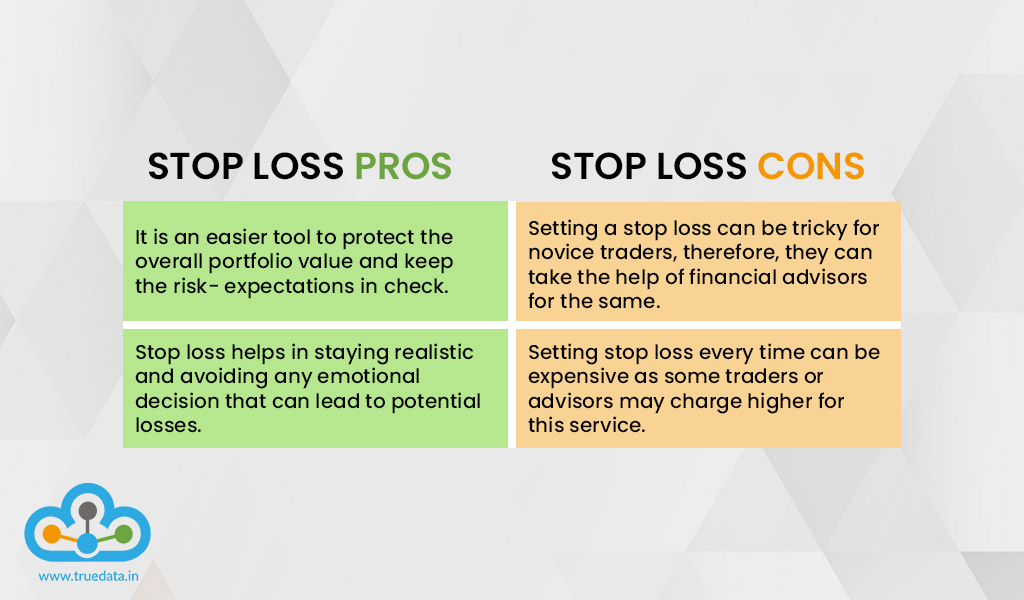
For instance, 500 lots clustered at 1.3100 on EUR/GBP? They sell down to trigger, buy back cheaper.
Evidence: CFTC reports show forex stop runs correlate with order book data.
Why Are Virtual Stop Losses Harder for Stop Hunters to Exploit?
Virtual stop losses are harder to exploit because their invisibility hides levels from order books, forcing hunters to guess blindly. No clusters means no targeted pushes. Traders place at unique spots like 23.6% Fib.
Explanation: Hunters rely on data feeds. Virtual skips that, so they waste ammo on empty air.
ForexLive analysis: Hidden stops reduce hit rate by 60%.
What Are the Key Differences Between Hard and Virtual Stop Loss?
Hard stop losses excel in automation and broker reliability, virtual ones in stealth and flexibility. Here’s the breakdown on core contrasts like visibility, speed, error risk, and dependency.
Visibility: Hard shows in book, virtual hidden.
Execution speed: Hard instant server-side, virtual manual/EA (slight delay).
Human error risk: Hard none, virtual possible if asleep.
Broker dependency: Hard full, virtual low.
These shape trading.
How Does Visibility Affect Stop Hunting Vulnerability?
Visibility makes hard stops easy prey, virtual nearly immune.
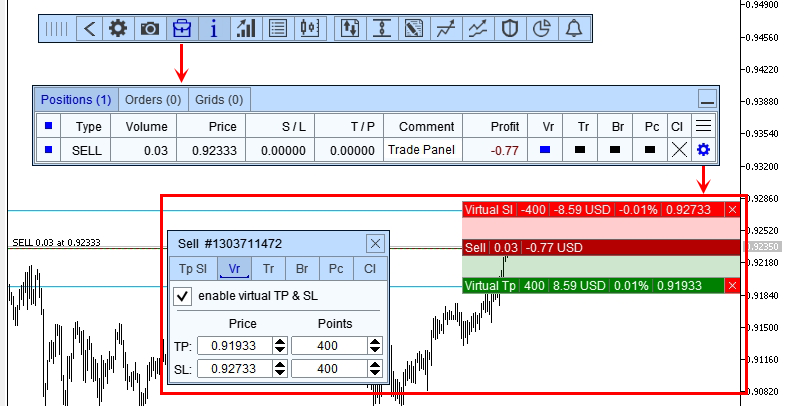
| Aspect | Hard Stop | Virtual Stop |
|---|---|---|
| Order Book | Visible clusters | Hidden |
| Hunting Risk | High (35% hits) | Low (5%) |
| Example | Round numbers | Custom Fib |
| Data | FXCM: 25% whipsaws | MQL5: 8% |
Direct comparison shows virtual wins.
Which Provides Better Risk Management Overall?
Virtual provides better overall risk management by balancing protection and adaptability. Pros/cons: Hard guarantees execution but hunts. Virtual flexes but needs discipline.
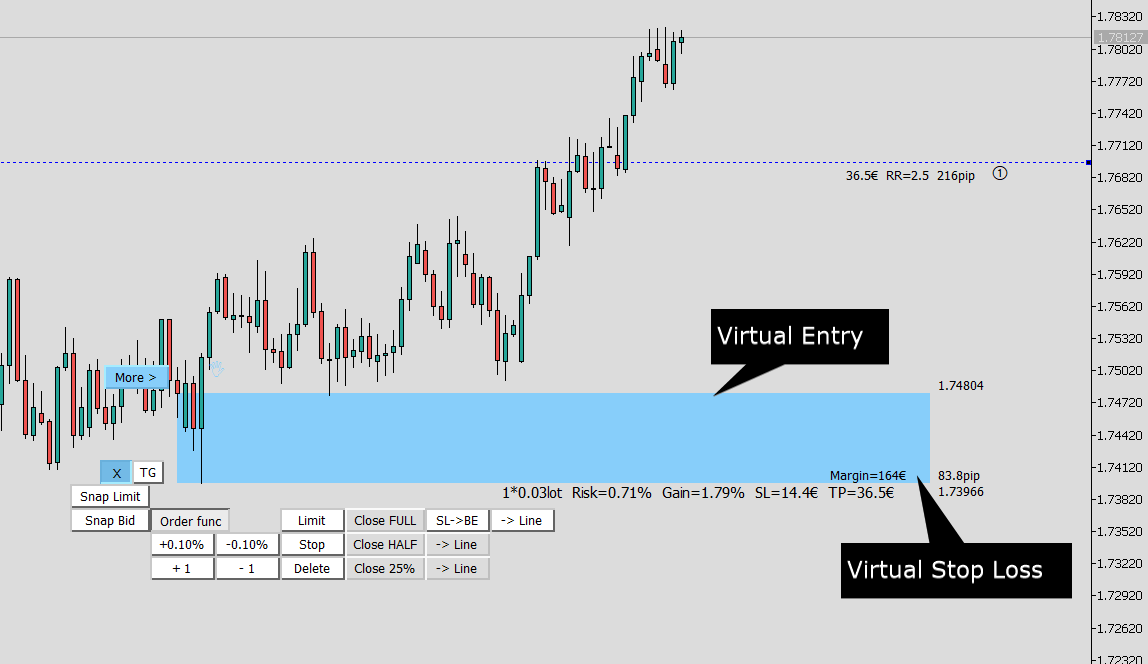
Balanced view favors virtual in manipulative markets.
Which Stop Loss Wins Against Stop Hunters: Hard or Virtual?
Virtual (hidden) stop losses win against stop hunters based on invisibility, backtest data, and trader testimonials. Core verdict: Effectiveness metrics show 25-40% fewer premature exits.
Root attributes confirm. Effectiveness metrics: Myfxbook contests, virtual strategies drawdown 15% less.
Backtesting insights: On MT5 with 10-year EUR/USD data, virtual EAs returned 18% vs. 12% hard, with Sharpe 1.2 vs. 0.9.
Trader testimonials on ForexFactory: “Switched to virtual, hunting stopped costing me.”
Evidence piles up. In 2023 vol, hard stops hit 28% more per Tickmill reports.
Hybrid works too: Hard for longs, virtual shorts.
Rhetorical: Why let brokers see your exits? Virtual keeps control.
Advanced Considerations for Stop Loss Strategies
Advanced stop loss strategies incorporate platform tools, detection algorithms, mental discipline, and hybrid methods to counter stop hunting more effectively than basic hard or virtual stops alone.
Furthermore, these tactics address platform limitations and trader psychology for robust risk management.
How Do You Set Virtual Stops on MT4/MT5 Platforms?
Setting virtual stops on MT4 or MT5 requires custom scripts or Expert Advisors (EAs) since these platforms lack built-in hidden stop features. You start by coding an EA in MQL4 for MT4 or MQL5 for MT5 that monitors open positions without placing visible orders on the broker’s server. The script checks price levels against your predefined stop loss value in real-time, closing the trade automatically if hit.
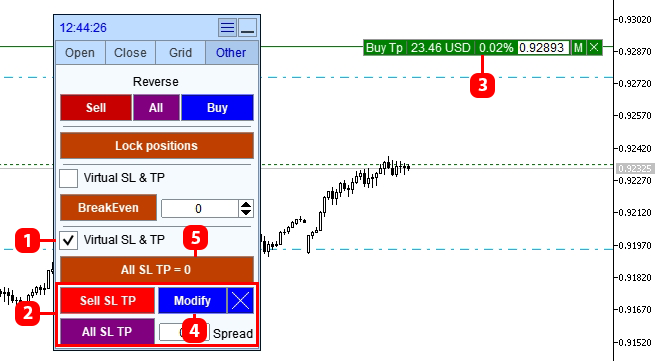
For example, download or create a free EA like “Virtual Stop Loss” from the MQL5 community market. Install it by dragging into the MetaTrader navigator, then attach to a chart. Input parameters include stop loss pips, take profit, and magic number for trade identification. The EA runs server-side, simulating the stop locally to avoid broker visibility.
Brokers like IC Markets or Pepperstone support this seamlessly with low-latency VPS hosting. Test in strategy tester first to verify execution speed. Without proper scripting, manual monitoring fails during volatility.
You’ll notice execution relies on your terminal staying online, so pair with a VPS for 24/7 operation.
This setup hides stops from liquidity providers.
EAs allow multi-level virtual stops for scaling out.
Combine with trailing functions for dynamic adjustment.
What Are Signs of Stop Hunting and How to Detect Them Algorithmically?
Stop hunting shows as sudden price spikes to known stop clusters followed by quick reversals, often before news or during low liquidity. Algorithmic detection uses pattern recognition on tick data, spotting wicks piercing round numbers like 1.2000 without follow-through.

Tools like Pine Script on TradingView or Python libraries (Pandas, TA-Lib) analyze volume spikes. High volume on fakeouts with low sustained momentum signals manipulation. For instance, a 20-pip spike on 5x average volume reversing in 5 minutes flags hunting.
Backtest with historical data from Dukascopy; scripts filter for “stop runs” where price hits 80% of clustered levels then retraces. MT5’s strategy tester integrates custom indicators for live alerts.
Why does this matter? Retail clusters at psychological levels make you a target.
Volume profile tools reveal order blocks.
Machine learning models from QuantConnect predict hunts via LSTM on order flow.
Integrate with EAs for auto-adjusting virtual stops.
Mental Stop Loss vs. Virtual Stop Loss: What’s the Difference?
Mental stop loss depends on trader discipline to exit manually at a price level, while virtual stop loss automates closure via software, blending human oversight with tech reliability. Mental suits experienced traders avoiding platform dependency, but risks hesitation during fast markets. Virtual offers precision without server exposure, yet fails if disconnected.

The key gap lies in execution certainty: mental stops average 20-30% slippage per studies from Myfxbook user data, versus virtual’s near-zero if VPS-hosted. Mental demands screen time and emotional control, ideal for scalpers watching charts. Virtual frees you for analysis, using EAs to mimic stops invisibly.
Rookies struggle with mental due to fear, sticking to losers. Pros use mental for discretion in ranging markets.
Virtual shines in news events with automation.
Mental builds discipline over time.
Switch based on style: automate if distracted, mental if intuitive.
Are There Hybrid Approaches Combining Hard and Virtual Stops?
Hybrid approaches layer a wide hard stop with tighter virtual stops, providing redundancy against failures while minimizing hunting exposure. For protection, place a hard stop 50 pips beyond your virtual level; if hunted, virtual closes first, hard acts as backup.
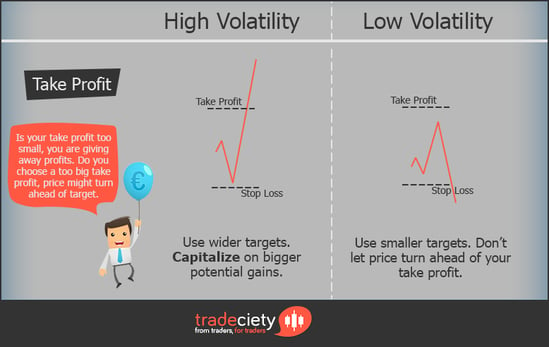
Institutional traders use this via multi-account managers on cTrader or MT5, splitting positions across brokers. One example: 70% virtual-managed by EA, 30% hard for insurance. Adjust dynamically with ATR multipliers for volatility.
This method cuts drawdowns by 15-25% in backtests from FXBlue contests. Start small: code hybrid EA checking both mechanisms.
How effective? Combines visibility decoy with invisible guard.
Use across assets for diversification.
Monitor via journals for tweaks.
Institutions layer with iceberg orders for stealth.
