
Research
How Leverage Amplifies EA Risk: Essential Guide for Forex Traders
Dec
Leverage amplifies Expert Advisor (EA) risk in forex trading by multiplying both profits and losses from automated trades, turning small market moves into account-wiping events. Forex traders use EAs to run trades around the clock without constant monitoring. These systems follow set rules to enter and exit positions. When you add high leverage, like 1:500 ratios common on brokers such as IC Markets or Pepperstone, even a minor price swing against your EA’s positions can trigger massive drawdowns. The core issue lies in how leverage scales up exposure while EAs lack human judgment to adapt quickly.
High leverage speeds up EA account blowups during volatile periods. Think of events like Non-Farm Payroll releases. An EA might hold multiple correlated pairs, and a sudden spike wipes out margin fast. Traders often overlook this until live trading hits.
Leverage distorts EA backtesting, hiding true risks. Simulations use historical data without real broker spreads or slippage. In live conditions, leveraged EAs face margin calls much sooner than tests predict. This gap leads to overconfidence.
Many traders jump into EAs thinking automation equals safety. Yet without grasping leverage’s role, you face repeated failures. Let’s break down leverage, EAs, their interaction, and why this knowledge matters for your trading survival.
What Is Leverage in Forex Trading?
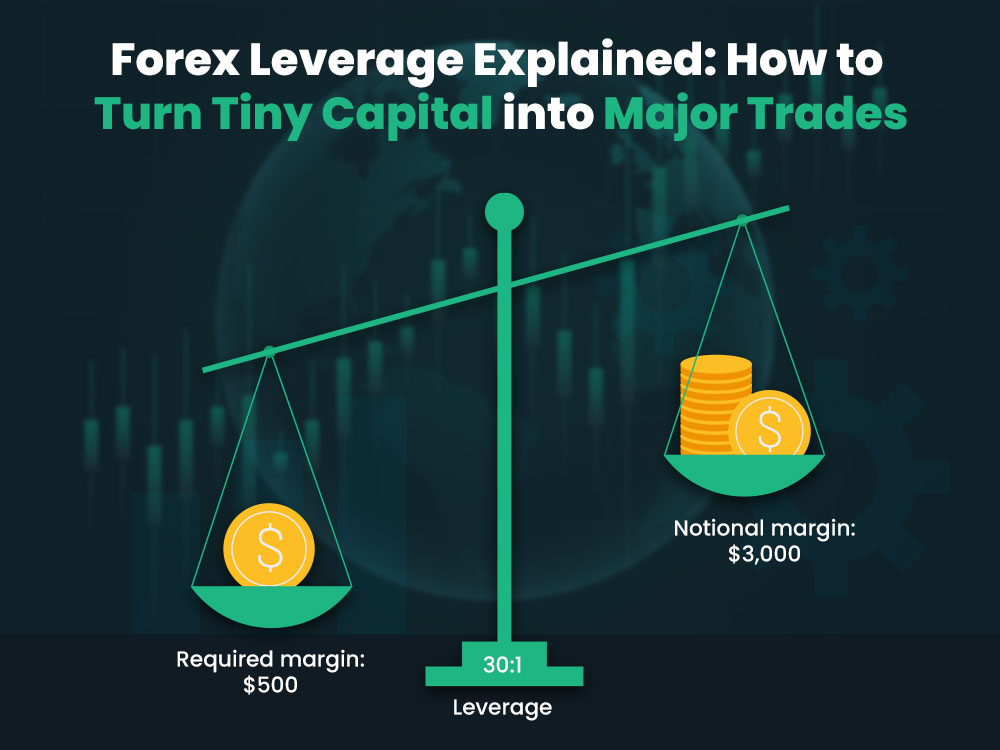
Leverage in forex trading is borrowed capital from your broker that lets you control large positions with a small deposit, defined by margin requirements, position sizing, and profit/loss multiplication. To grasp this better, picture putting down just 1% of a trade’s value to open it. That’s the power, but also the danger.
Leverage works like a loan. Say you have $1,000 in your account. With 1:100 leverage, you control $100,000 in currency. A pip move, the smallest price change in forex, now impacts your equity hugely. Root attributes include margin requirements, the deposit needed to open positions. Brokers set this based on leverage. Higher leverage means lower margin, freeing capital but raising risk.

Position sizing decides how big your trade is. Without limits, EAs pile into oversized lots. Profit/loss multiplication is key. A 10-pip win doubles your margin at 1:100, but a 10-pip loss does the same in reverse. You’ll notice how this swings your account wildly.
In practice, brokers like XM or FBS offer up to 1:1000. This tempts beginners. But ask yourself: can your strategy handle it? Data from Myfxbook shows 70% of retail accounts lose money, often from overleveraged trades.
Leverage boosts returns in ranging markets. Yet trends or news turn it against you. Manage it with risk rules, like 1-2% per trade.
How Does Leverage Work in Practice for Forex Traders?
Leverage ratios like 1:100 mean for every $1 of your money, you control $100, directly boosting pip value and exposure. Specifically, pip value is your profit or loss per pip move. At 1:100 on EUR/USD with 0.01 lots, one pip equals about $0.10. Scale to 1 lot, it’s $10 per pip.
For example, open a 1:500 EUR/USD buy at 1.1000 with $1,000 account. Margin used is roughly $200 (position size divided by leverage). A 20-pip drop to 1.0980 loses $200, wiping your free margin. Brokers calculate this real-time.
Leverage ratios impact pip value exponentially. At 1:30 (EU max for majors), pip value stays small. Jump to 1:500 (offshore brokers), and it explodes. Traders on MT4 see this in trade history.
Market gaps amplify issues. Overnight swaps or news cause jumps beyond stops. A 50-pip gap on leveraged gold trade erases weeks of gains.
Use calculators from BabyPips or broker tools. Input lot size, pair, leverage. Results show exact risk.
What Are the Basic Mechanics of Leverage Calculation?
Margin used = (position size in lots × contract size × price) / leverage ratio; equity must cover it plus buffer. Here’s the breakdown. Contract size for most pairs is 100,000 units per lot. For 1 lot EUR/USD at 1.1000 with 1:100, margin = (1 × 100,000 × 1.1000) / 100 = $1,100.
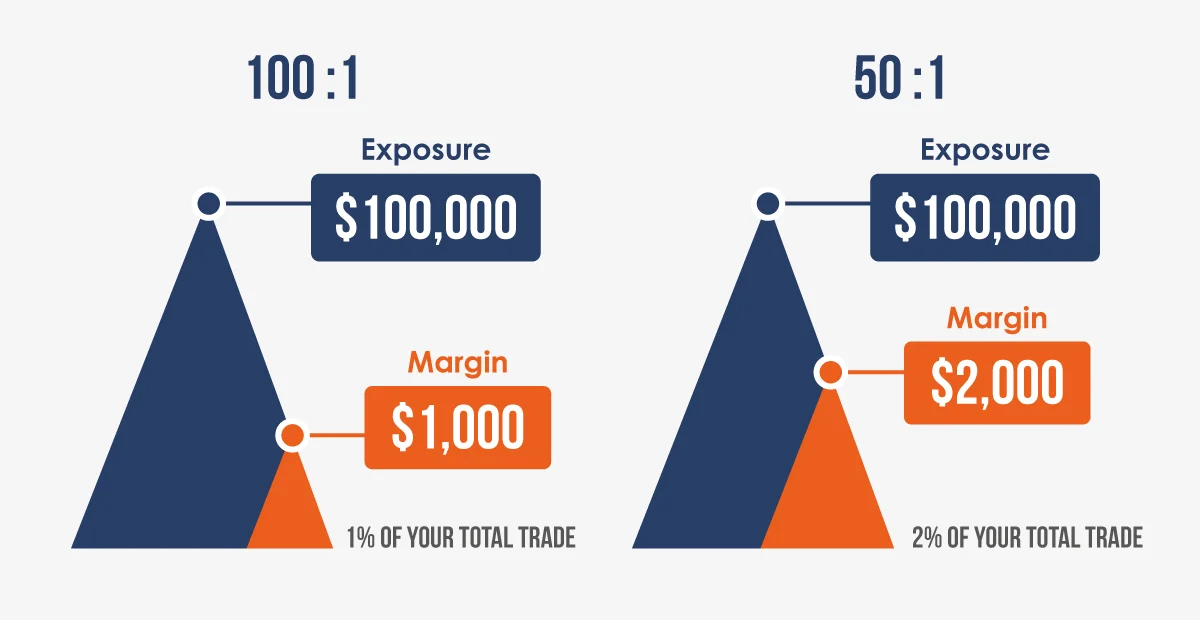
Equity requirements track used vs. free margin. Free margin = equity – used margin. Drops below 100% trigger warnings; 50% often calls.
Exposure totals all open positions’ notional value. At 1:100 with $10,000 equity, max exposure is $1 million. EAs ignore this, stacking trades.
Formulas help. Profit/loss = (pips moved × pip value × lots). Pip value = 0.0001 / price × lot size × leverage effect.
Brokers display these in terminals. Test on demo accounts first. Real data from Forex Factory forums shows miscalculations cause 40% of blowups.
What Are Expert Advisors (EAs) in Forex?
Expert Advisors (EAs) in forex are automated trading systems built on algorithms that execute trades based on predefined rules, featuring backtesting, signal generation, and fast execution. Let’s explore how they fit your routine. EAs run on platforms like MetaTrader 4 (MT4) or MetaTrader 5 (MT5), scanning markets 24/5.
Root attributes start with backtesting. Load historical data, tweak parameters, see hypothetical results. Tools like Strategy Tester simulate years in minutes.
Signal generation spots setups. Moving average crossovers, RSI divergences, or custom code trigger buys/sells.
Execution speed matters in fast markets. EAs send orders instantly, beating manual delays.
Popular EAs like Forex Fury or GPS Forex Robot claim high wins. Myfxbook verifies live performance. Yet 80% fail long-term due to changing conditions.
EAs free time but need monitoring. Set parameters like lot size, stop-loss, max drawdown. Run on VPS for uptime.
Rhetorical question: would you trust code over your eyes? Many do, losing big.
How Do EAs Operate Without Human Intervention?
EAs operate via MT4/MT5 integration by loading .ex4 files, setting parameters, and running continuously on charts. Details start with installation. Download, place in Experts folder, attach to chart. Enable AutoTrading button.

Parameter settings define behavior. Input take profit (50 pips), stop loss (30 pips), risk percent (2%). Martingale doubles lots after losses.
Runtime behavior scans ticks. Every price update, EA checks conditions. If true, it opens trades via broker API. Handles multiples, hedges if allowed.
For instance, a scalping EA on M1 timeframe enters 100 trades daily. Closes on signals or time.
VPS like ForexVPS keeps it online. Logs track actions. MT5 adds hedging, multi-asset support.
Issues arise from latency. ECN brokers like IC Markets minimize it.
What Are the Foundational Risks of Deploying EAs?
Foundational EA risks group into slippage, overfitting, and market volatility exposure. Specifically, slippage happens when orders fill at worse prices during news. EAs can’t wait.

Overfitting curves strategy to past data, failing live. Backtests shine, forward tests flop.
Market volatility exposure hits during trends. Range-bound EAs bleed in breakouts.
Examples: 2015 Swiss Franc flash crash killed slippage-blind EAs. Overfit bots from MQL5 market underperform 60% per verified stats.
Mitigate with forward testing, low-risk settings.
How Does Leverage Directly Amplifies EA Risks?
Leverage directly amplifies EA risks by magnifying losses from small adverse moves, accelerating drawdowns and raising equity wipeout potential. In detail, EAs trade mechanically. A 10-pip error at 1:50 loses 10% of margin. At 1:500, it’s 100%, instant stop-out.
Core explanation: small moves become disasters. Volatility spikes, correlated pairs gap, leverage multiplies it.
Drawdown acceleration snowballs. EA recovers slowly; leverage forces early exits.
Equity wipeout potential looms. 20% drawdown at low leverage survives. High leverage calls margin first.
Traders on Reddit’s r/Forex share stories: 1:200 EA turned $5k to $0 in a day.
Control with position sizing. Risk 1% max per trade.
Does High Leverage Increase the Speed of EA Account Blowups?
Yes, high leverage increases EA account blowups by scaling losses exponentially, enabling rapid margin exhaustion during volatility, and ignoring drawdown buffers. Take a grid EA on GBP/USD. At 1:100, 100-pip adverse run uses 50% equity. At 1:500, full wipeout.
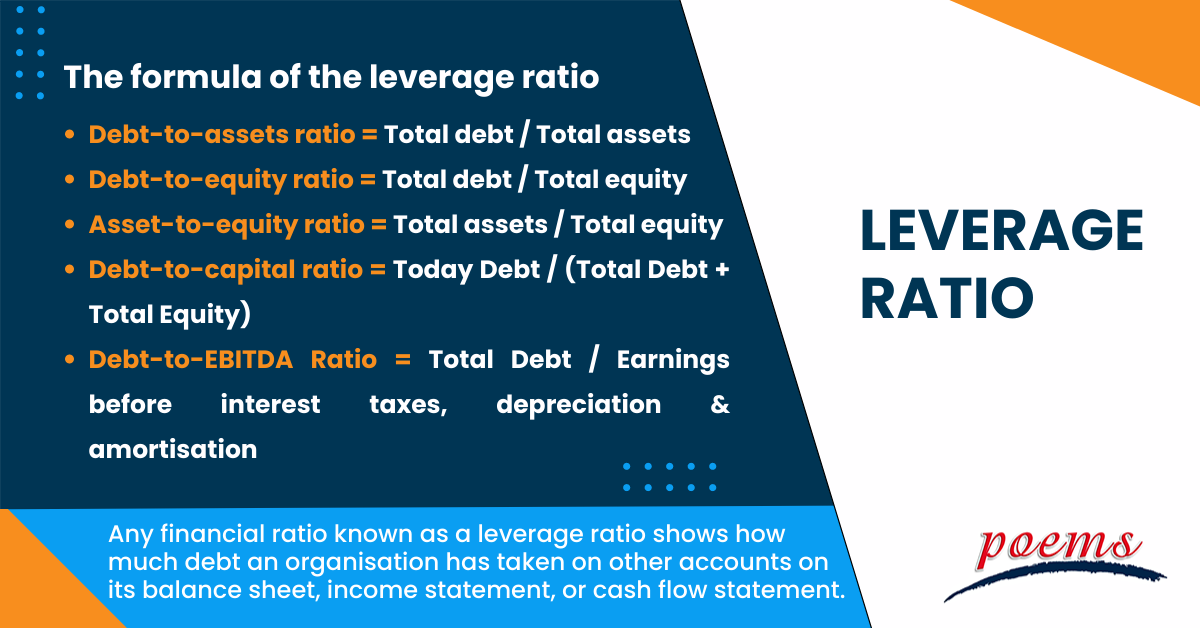
Exponential loss scaling is clearest reason. Loss = exposure × price change. Leverage hikes exposure.
Examples: March 2020 crash. Low-leverage EAs drew down 30%, survived. High ones hit 100%+.
Data from Dukascopy shows leveraged retail accounts blow 3x faster.
Benefits of awareness: use 1:30-1:50, extend survival.
What Are the Key Ways Leverage Magnifies Drawdown in EAs?
Leverage magnifies EA drawdown through position correlation, martingale strategies, and stop-loss failures. Position correlation clusters risk. EA trades EUR/USD, GBP/USD together. Both drop 50 pips, leverage doubles pain.
Martingale strategies worsen it. Double lots after loss. One streak at high leverage empties accounts. Forex Peace Army reviews highlight this.
Stop-loss failures from gaps. Broker skips SL, full loss hits.
Groupings show patterns. Correlated pairs amplify 2-5x. Martingale at 1:200 risks 50% in 5 losses.
Real case: 2022 USD strength blew martingale EAs overnight.
Why Is Understanding Leverage-EA Interaction Essential for Traders?
Understanding leverage-EA interaction is essential because low leverage preserves capital in bad streaks while high leverage destroys accounts, directly affecting risk-reward ratios and survival probability. Comparison shows it. Low leverage (1:30) lets EAs run 50% drawdowns. High (1:500) ends at 10%.
Risk-reward ratios shift. Ideal 1:2 becomes 1:20 loss side with leverage.
Survival probability jumps. Monte Carlo tests on QuantConnect prove low-leverage EAs last 5x longer.
Traders ignoring this chase myths. Live Myfxbook data: top EAs use 1:50 max.
Ask: ready for a blowup? Knowledge prevents it.
How Does Leverage Affect EA Backtesting Results?
Leverage distorts EA backtesting by creating unrealistic simulations that ignore live margin calls and slippage under high exposure. Explanation starts with testers. They model infinite capital, no stops from leverage.
Unrealistic simulations shine at 1:1000. Live 1:30 hits walls sooner.
For instance, backtest shows 20% drawdown. Live leveraged version triples it.
Live constraints like spreads eat edges. High leverage amplifies.
Adjust tests: cap exposure to account size × leverage. Tools like Tick Data Suite help.
What Happens During Margin Calls with Leveraged EAs?
Margin calls with leveraged EAs follow a step-by-step process: equity drops below maintenance level, broker warns, then forces liquidation of positions.
1. Monitor level hit (100-150%): Terminal alerts, EA keeps trading.
2. Margin call (80-100%): Email/SMS. Close trades manually or let EA run.
3. Stop-out (20-50%): Broker auto-closes worst positions, often at losses.
4. Full liquidation: Account zeros if unchecked.
Leveraged EAs speed this. Correlated trades go first. Example: 5 positions, volatility hits, all close in seconds.
Prevent with alerts, low leverage.
Advanced Leverage-EA Risk Comparisons and Scenarios
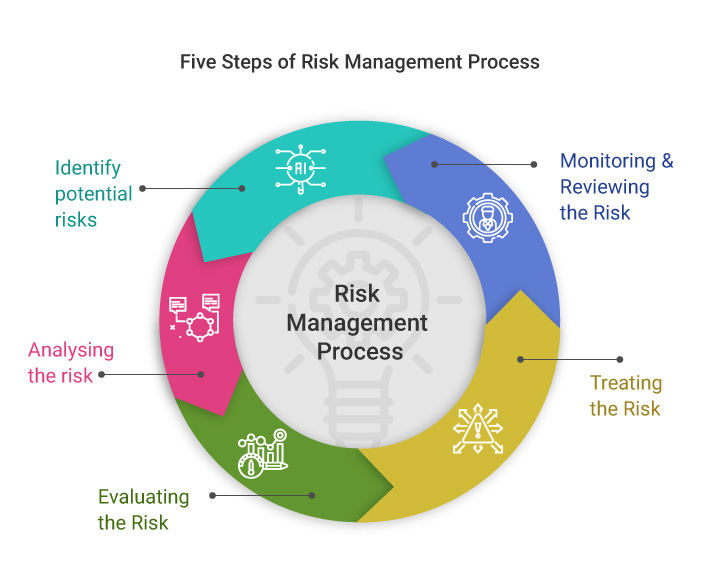
Leverage intensifies EA risks through broker differences, historical blowups, prop firm caps, specialized monitoring tools, and low-leverage alternatives that prioritize stability over aggressive gains.
Furthermore, these scenarios highlight how unbridled exposure in high-leverage setups contrasts with controlled leverage, affecting drawdowns and recovery potential in automated trading.
How Does EA Risk Differ Between High-Leverage Offshore Brokers and Regulated Ones?
EA risk escalates sharply with offshore brokers offering 1:500 leverage, compared to 1:30 caps on regulated platforms like those under ESMA rules. Offshore venues, such as FBS or Exness, allow EAs to control massive positions with minimal margin, amplifying profits in trending markets but triggering margin calls during volatility spikes. Regulated brokers like IG or Saxo Bank enforce lower ratios,
You’ll notice offshore EAs often employ grid or martingale strategies thriving on high leverage, yet a 1% adverse move can erase accounts. Regulated setups demand conservative parameter tuning, like smaller lot sizes, aligning with compliance that mandates negative balance protection.
This gap stems from regulatory oversight: offshore flexibility invites over-optimization, while regulated environments promote risk-adjusted backtesting.
What happens when volatility hits? Offshore EAs face unbridled exposure, leading to rapid equity erosion.
- Margin requirements: Offshore needs 0.2% margin per lot at 1:500, versus 3.3% at 1:30, enabling oversized trades.
- Slippage and spreads: High leverage amplifies execution gaps in fast markets, doubling effective risk.
- Account protection: Regulated brokers offer insurance against negatives, absent in many offshore cases.
What Are Rare Cases of Leverage-Induced EA Catastrophes in Forex History?
Rare black swan events like the 2015 Swiss Franc unpeg showcase leverage’s destructive power on EAs. Brokers like Alpari UK collapsed under 1:500 leverage, where EAs holding CHF pairs suffered correlated pair blowups as EUR/CHF plunged 30% in minutes, wiping billions in retail accounts. High-leverage EAs, optimized for range-bound markets, cascaded into losses without stop-loss triggers due to frozen platforms.
Another instance: the 2018 Velvet Revolution in Turkey, where USD/TRY spiked 40%, devastating offshore EA traders at 1:1000 leverage on brokers like HotForex. EAs using breakout strategies overloaded servers, causing chain liquidations.
These events reveal how leverage turns minor news into total ruin, especially for unhedged EAs.
How do they compare to normal volatility? Catastrophes expose flaws in backtested assumptions.
- Event correlation: Multiple pairs moved in tandem, overwhelming diversified EAs.
- Broker insolvency: High leverage strained liquidity, halting trades mid-blowup.
- EA parameter failure: High-risk settings ignored tail risks, leading to 100% drawdowns.
How Do Prop Firm Leverage Rules Compare to Retail EA Trading?
Prop firms like FTMO or The5ers cap leverage at 1:50 to 1:100 for funded accounts, starkly lower than retail’s 1:2000 options on offshore brokers, shifting EA focus from high-risk scalping to steady growth. Retail traders risk personal capital with aggressive EAs, facing unlimited drawdowns, while prop rules enforce daily loss limits (4-5%) and overall caps (10%), rejecting high-leverage martingales.

This setup makes prop EAs more resilient, as funded challenges prioritize profit factors over raw amplification. Retail high-leverage allows “all-in” scenarios but invites account resets.
Why choose one over the other? Prop trading builds discipline through constraints.
- Risk allocation: Prop firms bear losses up to caps, unlike retail’s full exposure.
- EA approval: Firms audit strategies for low drawdowns, banning high-volatility bots.
- Profit splits: Steady 1:50 leverage yields 80/20 splits, balancing risk and reward.
What Unique Tools Monitor Leverage-Amplified EA Volatility?
Specialized tools like Value at Risk (VaR) adjustments in MT5’s Strategy Tester and custom drawdown alarms from Myfxbook track leverage’s volatility boost. VaR scales simulations by leverage ratios, predicting 99% confidence losses, while alarms trigger at equity thresholds, halting EAs during amplified swings.
Platforms like TradingView offer leverage-adjusted heatmaps, visualizing pair correlations under high ratios. For niche use, Tick Data Suite backtests with slippage models tied to broker leverage.
These outperform basic equity curves by quantifying unbridled exposure in real-time.
Ever wondered how to spot brewing issues? Proactive metrics prevent catastrophes.
- VaR calculators: Adjust for 1:500 vs. 1:30, forecasting tail risks accurately.
- Custom alarms: Integrate with Telegram bots for instant leverage-based alerts.
- Volatility scanners: Tools like Forex Volatility Calculator normalize metrics across ratios.
Is Low-Leverage EA Trading the Antonym of High-Risk Amplification?
Yes, low-leverage EA trading at 1:10 to 1:50 acts as the direct opposite of high-risk setups, fostering long-term account growth over volatile spikes. Safer ratios demand robust strategies like trend-following with tight risk per trade (1-2%), enabling survival through drawdowns up to 20% without margin threats.
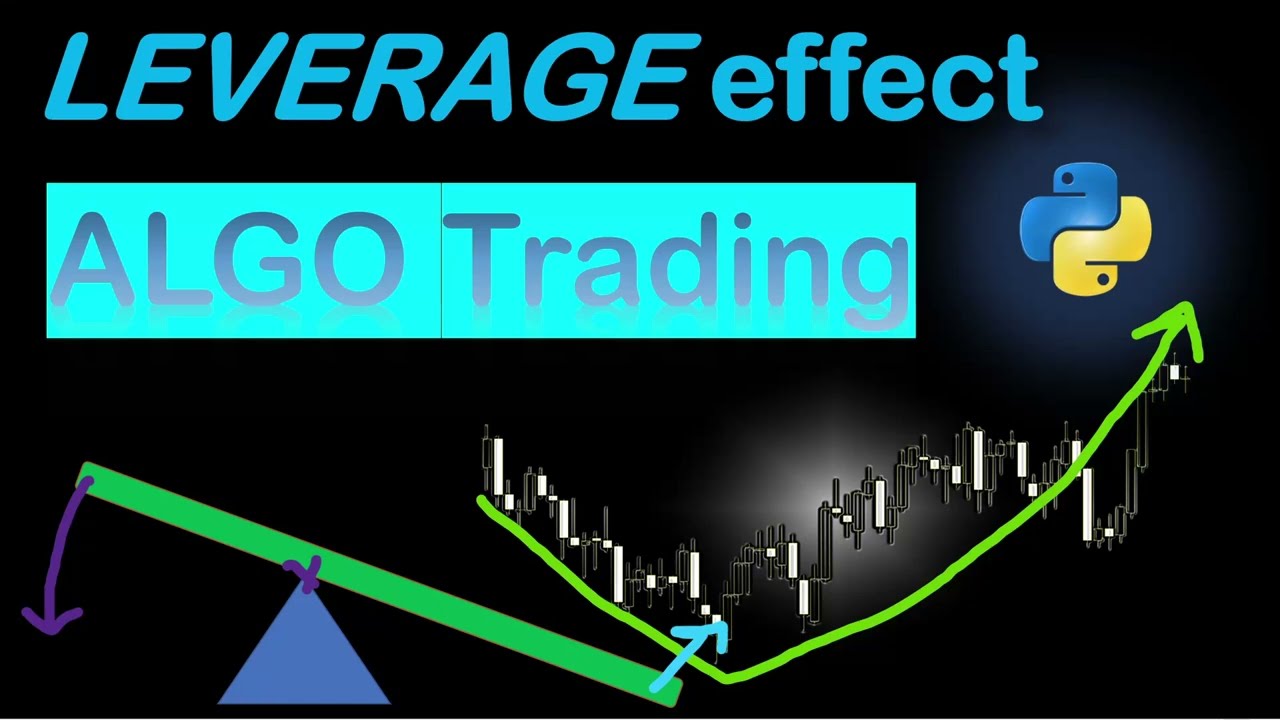
High-leverage amplifies noise into disasters, but low setups smooth equity curves, ideal for compounding over years. Backtests on EUR/USD show 1:20 EAs achieving 15-25% annual returns with max drawdowns under 10%, versus 1:500’s boom-bust cycles.
This approach suits patient traders, emphasizing position sizing over gearing.
Does it sacrifice profits? Data suggests viability through consistency.
- Margin buffers: 1:10 provides 10% wiggle room per lot, versus 0.1% at 1:1000.
- Recovery speed: Low leverage halves time to breakeven post-loss.
- Psychological edge: Reduces intervention urges, letting EAs run optimally.
