Author Archives: Editorial Team

Modeling Quality Explained: 90% vs 99.9% – Why It Transforms MT4 Backtests for Traders

Modeling quality in MT4 backtesting at 99.9% transforms results by providing near-real tick data reconstruction, unlike 90% which hides flaws in strategies through incomplete simulations. Traders often run backtests in MetaTrader 4’s strategy tester, only to see strategies fail live. The gap comes down to modeling quality, a measure of how well the platform recreates […]
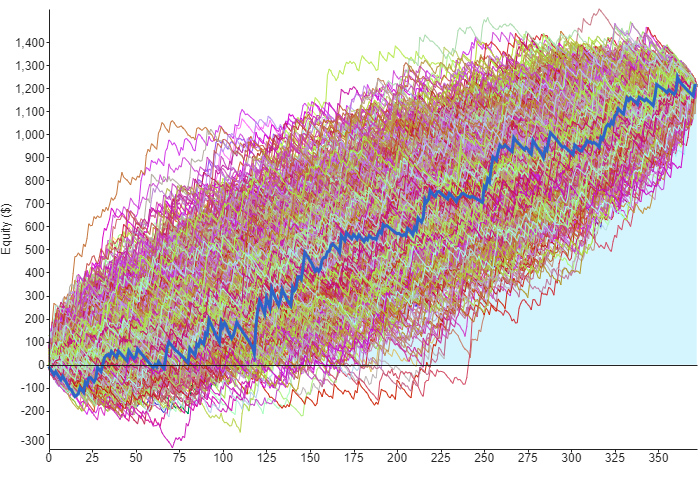
Master Monte Carlo Simulation for Expert Advisors: Ultimate Robustness Testing Guide

Monte Carlo Simulation (MCS) masters robustness testing for Expert Advisors (EAs) by running thousands of randomized trade scenarios on historical data, revealing how your EA performs under uncertainty and worst-case conditions. This method goes beyond simple backtests to simulate real-market chaos like random trade outcomes and sequence variations. Traders use it to build confidence in […]

Bulletproof Your Trading Strategies: Walk-Forward Analysis (WFA), the Ultimate Robustness Test

Walk-Forward Analysis (WFA) bulletproofs your trading strategies by simulating real-time trading conditions through repeated in-sample optimization and out-of-sample testing, exposing weaknesses like overfitting before you risk live capital. This method rolls forward through historical data, optimizing parameters on one segment and validating them on the next unseen period. Traders often see strategies that shine in […]

Master In-Sample vs. Out-of-Sample Data Testing: Avoid Overfitting Like a Pro

In-sample testing uses the same data for training and evaluation, which often leads to overly optimistic results, while out-of-sample testing evaluates on unseen data to reveal true model performance and prevent overfitting. This approach helps you build reliable machine learning models that work in the real world. Many beginners stick to in-sample checks and wonder […]

What is Curve Fitting? Over-Optimization Dangers That Ruin Trading Strategies

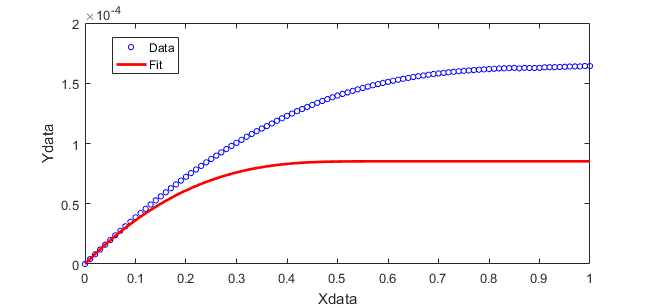
Curve fitting is the process of tweaking a trading strategy’s parameters to match historical data too perfectly, often capturing random market noise rather than the true underlying patterns that drive future profits. This happens during backtesting when traders adjust rules, like moving average lengths or stop-loss levels, until the results look flawless on past charts. […]

EA’s Stagnation Period Exposed: When Profits Finally Stop Flowing

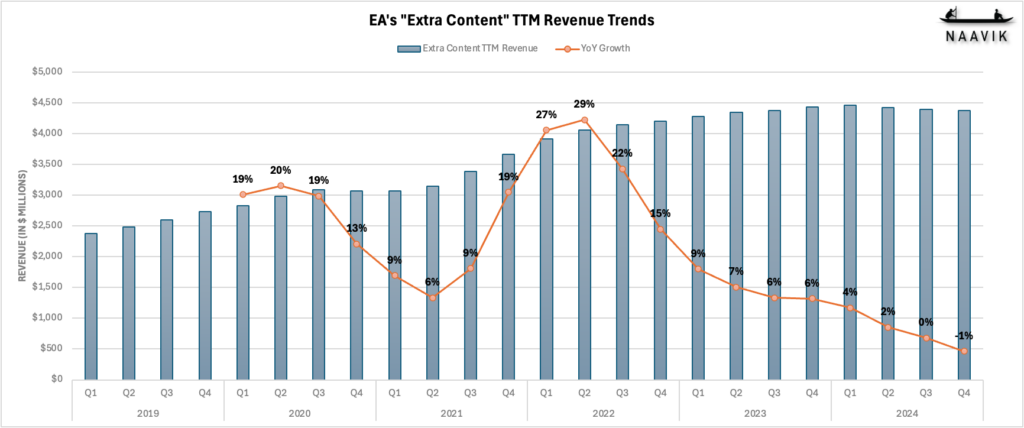
EA’s stagnation period ran from roughly 2017 to 2022, a time when profits stopped flowing after years of strong growth from hits like FIFA and Battlefield. This era hit the company hard with flat revenues, shrinking margins, and stock dips that erased billions in market value. Fans and investors watched as once-reliable franchises faltered amid […]

Win Rate vs. Risk-Reward Ratio: Mastering the Trade-off for Profitable Trading

Mastering the trade-off between win rate and risk-reward ratio means balancing a higher number of winning trades with smaller profits against fewer wins but larger gains per trade to achieve positive expectancy and long-term profitability. In trading, win rate tracks the percentage of your trades that make money, while risk-reward ratio measures how much you […]

Calculate AHPR Easily: Average Holding Period Return Formula + Examples for Investors

The Average Holding Period Return (AHPR) formula is the arithmetic mean of individual holding period returns (HPRs) calculated as (ending value – beginning value + income) / beginning value for each period. This method lets you measure investment performance over different time spans by averaging the returns from each period. Investors use it to get […]

Master Z-Score in Backtesting: Boost Strategy Confidence Testing

The Z-score in backtesting boosts your strategy confidence by measuring how much your observed performance deviates from what simulations predict, helping you spot luck versus real edge. This statistical tool takes a single metric from your backtest, like compound annual growth rate (CAGR), and compares it to a distribution from thousands of Monte Carlo runs […]

Calculate CAGR (Compound Annual Growth Rate) in Forex: Formula, Examples & Trading Strategies

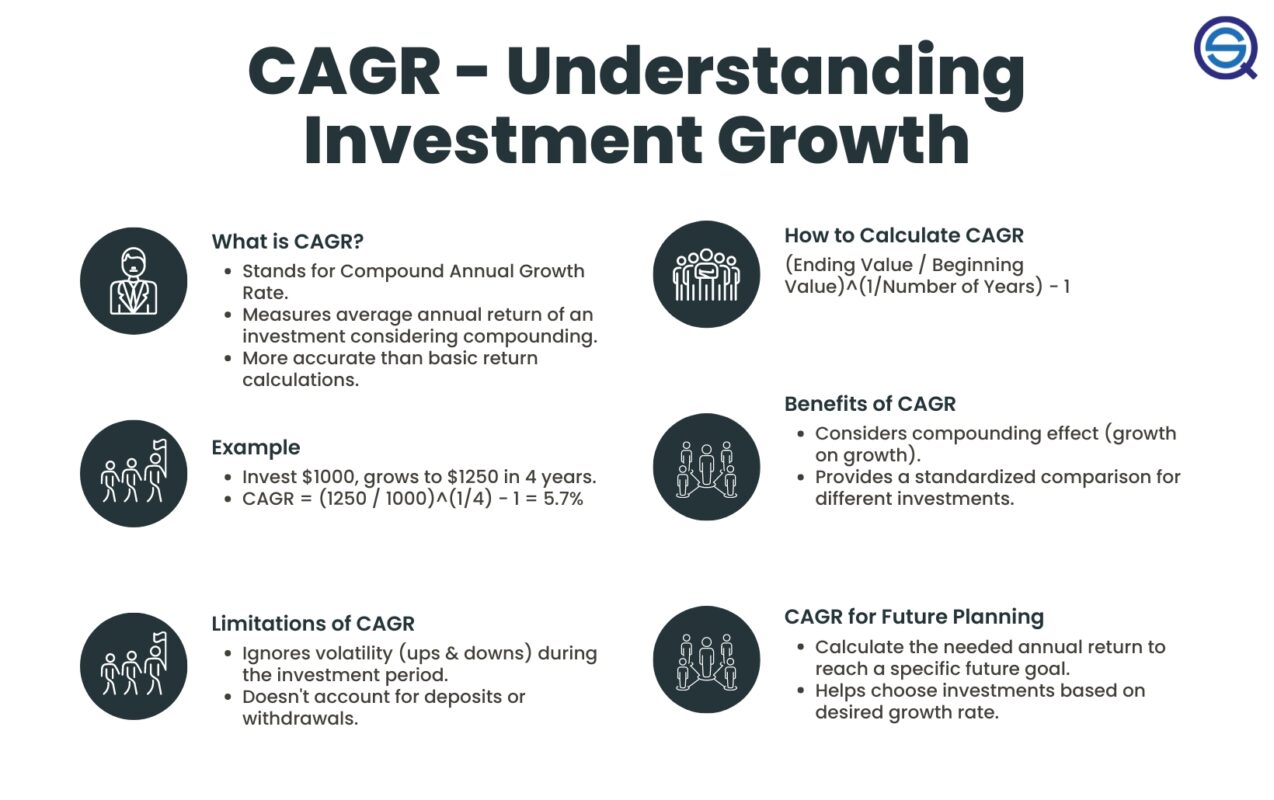
Calculating CAGR in Forex involves using the formula CAGR = (Ending Value / Beginning Value)^(1 / Number of Years) – 1 to measure the average annual growth rate of your trading account or portfolio over time, assuming compounding returns. This metric gives you a clear picture of long-term performance, smoothing out the ups and downs […]