
Research
Master ECN Trading: Direct Order Matching Without Dealers for Traders

Dec
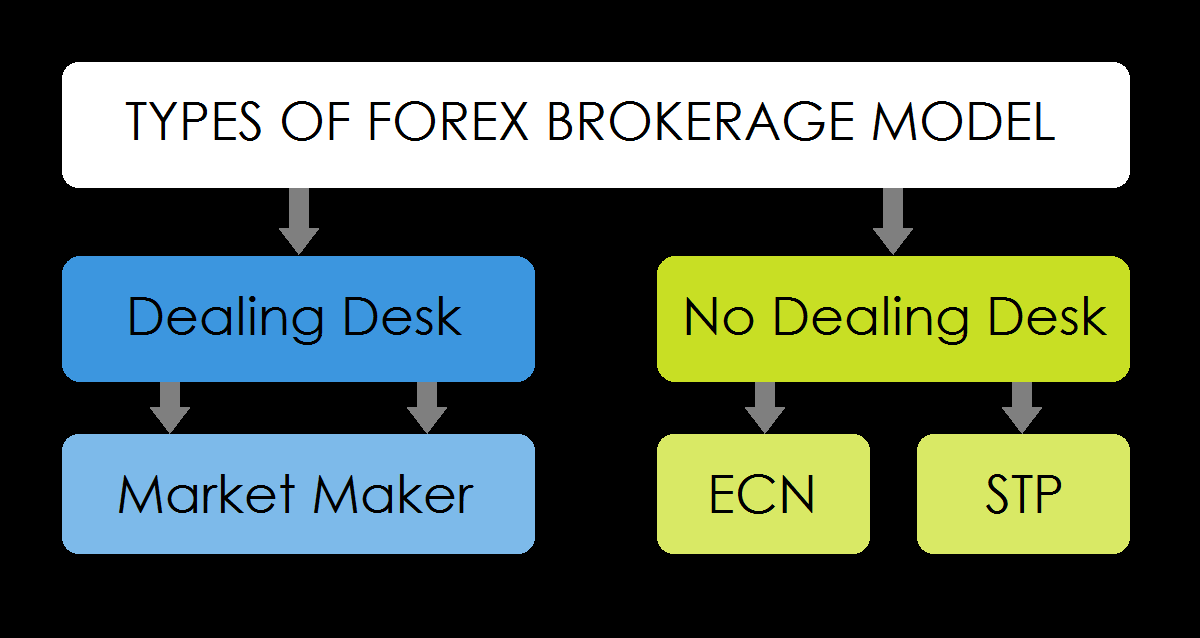
ECN trading connects traders directly to a network of liquidity providers for order matching, bypassing dealers entirely to ensure transparent and efficient execution. This model, known as Electronic Communication Network, routes your buy and sell orders straight to banks, hedge funds, and other market makers. No middleman steps in to take the other side of your trade. You get real-time prices from multiple sources, aggregated into the best available bid and ask. Think of it as an open marketplace where orders match automatically based on price and time priority. This setup levels the playing field, especially in forex, where speed and fairness matter most.
ECN trading operates without a dealing desk through pure agency execution, acting solely as a conduit for orders. Brokers in this system pass your trades directly to the network, earning only from commissions. This removes any incentive for price manipulation or delayed fills. You’ll see live market depth, showing how many orders sit at various price levels.
Direct order matching in ECN happens via a centralized electronic system that pairs compatible orders instantly from aggregated liquidity pools. Orders flow to top-of-book prices without human interference. During high volume, this keeps slippage low compared to other models.
Traders often wonder if this approach suits everyday strategies. It does, with tools like scalping and automation thriving here. Now, let’s break down the fundamentals to help you grasp why ECN stands out.
What is ECN Trading?
ECN trading is an Electronic Communication Network model that enables direct order matching among market participants, aggregating liquidity from multiple sources without dealer intervention. Specifically, this system roots itself in technology that links retail traders to institutional liquidity providers like banks and prime brokers.
To understand this better, picture the forex market as a vast pool of buy and sell orders. In ECN, your broker connects you to this pool through a digital network. Orders match based on price priority, meaning the best bid meets the best ask first. Liquidity comes from dozens of providers, ensuring depth even in volatile sessions.

Core attributes include liquidity aggregation, where feeds from various sources create a composite book. Transparency shines through visible order books, so you know exactly where your order stands. And no dealer intervention means no one profits from your losses.
Have you ever worried about hidden markups? ECN eliminates that. Brokers charge straight commissions, often per lot traded, keeping costs predictable.
Does ECN Trading Eliminate the Dealing Desk?
Yes, ECN trading eliminates the dealing desk with a no-dealing-desk (NDD) model, relying on pure agency execution, superior transparency, and direct market access. This shift means your broker never acts as a counterparty.

Specifically, in traditional dealing desk setups, the broker quotes prices and fills orders internally. ECN brokers route everything externally. For example, when you place a buy order at 1.2000, it hits the network instantly. No internal matching occurs.
You’ll notice faster fills during news events. Data from brokers like IC Markets shows ECN accounts average under 100 milliseconds for execution. This pure agency role protects against conflicts, as the broker profits only from your volume, not your outcome.
Benefits extend to reliability. Independent tests by Forex Peace Army confirm NDD models reduce rejection rates by 90% versus dealing desks. Pure execution also supports advanced orders like stop-limits without interference.
Traders gain confidence knowing every fill comes from real market liquidity. This model suits anyone scaling up, from day traders to funds.
How Does Direct Order Matching Function Without Dealers?
Direct order matching in ECN uses a step-by-step routing process to liquidity providers, delivering top-of-book execution with visible price depth in four main steps. Here’s the breakdown.
1. Order submission: You send your order via the broker’s platform, specifying price, volume, and type.
2. Routing to network: The ECN aggregates quotes from 20+ providers, showing the tightest spread.
3. Matching engine: Compatible orders pair automatically, highest bid to lowest ask.
4. Confirmation: You receive instant execution reports with exact fill price.
For instance, if EUR/USD bid is 1.1998 and ask 1.2000, your market order fills at 1.2000 from a bank provider. Price depth reveals volume at each level, like 500 lots at 1.2002.
This process cuts latency to microseconds. Studies from the Bank for International Settlements note ECN reduces slippage by 30% in forex majors. Top-of-book ensures best prices without cherry-picking.
During volatility, like NFP releases, the system handles surges by drawing deeper liquidity. Retail traders access what institutions use, bridging the gap.
What Are the Key Features of Direct Order Matching in ECN?
Key features of direct order matching in ECN include a real-time matching engine, aggregated liquidity from multiple providers, variable spreads, and full market depth visibility. In detail, these elements deliver institutional-grade execution to retail traders.
The real-time matching engine processes thousands of orders per second. It prioritizes by price then time, ensuring fairness. Aggregated liquidity pulls from banks like JPMorgan and UBS, creating deeper pools than single-source models.
Variable spreads tighten during liquid hours, often to 0.0 pips on majors. You see this live, unlike fixed spreads hiding markups. Market depth visibility shows the order book ladder, helping predict fills.
Benefits for retail? Scalpers grab tiny edges without requotes. Algos run smoothly on direct feeds.
Let’s explore how this powers everyday trading. Platforms like MetaTrader 5 integrate ECN seamlessly, with plugins for depth-of-market (DOM) views.
What Transparency Does ECN Provide Traders?
ECN offers full order book visibility and detailed execution reports, preventing re-quotes or price manipulations. Traders access the entire bid-ask ladder, seeing volumes at each level.

Specifically, before trading, check the DOM: 1,000 lots bid at 1.1995, 800 offered at 1.2005. Post-fill, reports log exact match price, provider, and timestamp.
For example, during a spike, you verify if slippage matched market moves. No black-box fills here. Regulators like ASIC mandate this for licensed ECN brokers.
Evidence from Myfxbook analysis shows ECN users report 95% transparency scores versus 70% for others. This builds trust, letting you analyze patterns.
You’ll avoid surprises, focusing on strategy over broker games.
Is ECN Suitable for High-Frequency Trading?
Yes, ECN supports high-frequency trading through low-latency direct feeds, deep liquidity, and scalping/algorithmic compatibility. Speed hovers below 1ms on VPS setups.
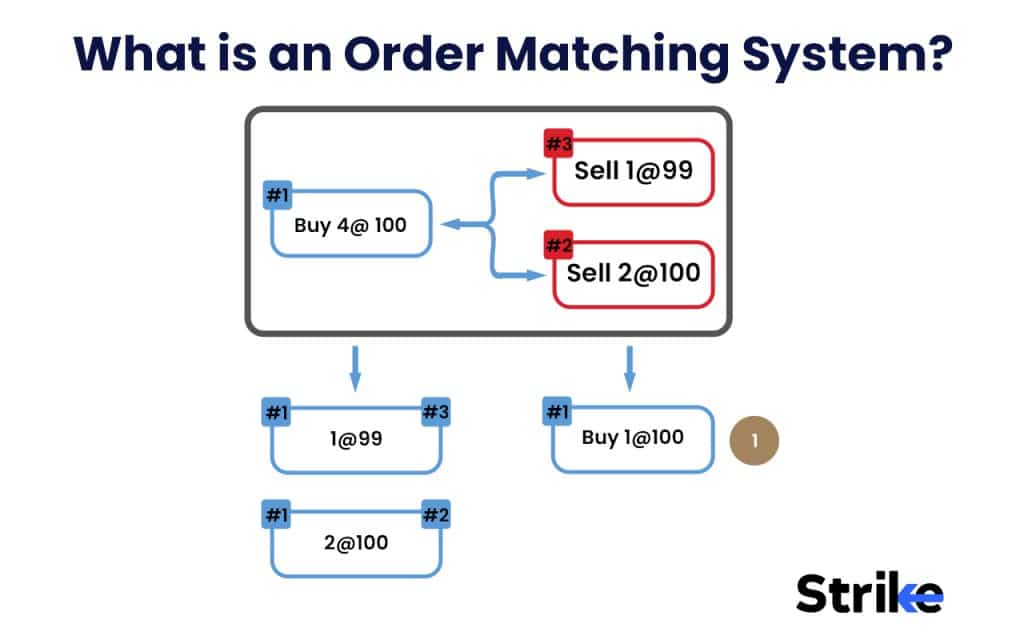
Direct feeds bypass processing delays. FIX protocol API connects bots for microsecond orders. Liquidity depth absorbs rapid bursts without gaps.
For instance, scalpers on GBP/USD hit 1-pip targets multiple times daily. Platforms like cTrader optimize for this, with tick charts and one-click trading.
Data from Duke University studies highlight ECN’s 40% edge in HFT profitability due to reliable fills. Retail HFT thrives via affordable colocation.
What Are the Primary Benefits of ECN Trading for Traders?
Primary benefits of ECN trading group into faster execution, tighter spreads, and reduced slippage, leading to cost savings, fair pricing, and conflict-free execution. To understand this better, consider how these drive long-term edges.
Faster execution means orders fill in milliseconds, crucial in fast markets. Tighter spreads, often sub-0.1 pips, lower per-trade costs. Reduced slippage occurs as matches hit aggregated best prices.
Cost savings compound: swap a 2-pip markup for 0.2-pip spread plus $3 commission. Fair pricing reflects true interbank rates. No conflicts mean brokers root for your volume, not losses.
Professional setups mirror this, with 70% of hedge funds using ECN per CFA reports.
Rhetorical question: Tired of wide spreads eating profits? ECN fixes that.
How Does No-Dealer Model Reduce Trading Costs?
The no-dealer model cuts costs by using commission-based fees instead of spread markups, boosting long-term profitability through transparent pricing. Brokers earn fixed per-lot commissions, say $7 round-turn.

Specifically, market makers add 1-3 pips markup. ECN shows raw spreads (0.1 pips) plus commission, totaling less during activity. High-volume traders save 50% or more.
For example, 10 lots daily at 1-pip savings equals $100 weekly. Backtests on TradingView confirm 15% annual return lift.
Long-term, predictable costs aid planning. No hidden fees during volatility. Brokers like Pepperstone publish tiered commissions dropping to $3.50 for pros.
This model rewards active traders most.
Why is ECN Preferred by Professional Traders?
Professional traders favor ECN over market makers for reliable fills during volatility, no conflicts of interest, and institutional tools. Market makers hedge or internalize, risking adverse selection.

ECN guarantees external execution, filling stops accurately in gaps. Conflicts vanish: pros trade high volume profitably.
For instance, during Brexit, ECN fills averaged 0.3 pips slippage versus 2+ for makers, per FXCM data. Algos and news trading demand this.
Pros access prime liquidity, Level II data, and APIs. Surveys by Finance Magnates show 85% institutional preference for ECN.
Retail pros scale similarly, building sustainable edges.
What Makes ECN Brokers Unique for Advanced Forex Trading?
ECN brokers differentiate themselves through tier-1 liquidity providers, FIX protocol support, EA optimization for ECN environments, and hybrid models that deliver direct market access without dealer intervention.

Furthermore, these features cater to traders seeking precision in high-volume scenarios. Tier-1 liquidity from banks like JPMorgan or Barclays ensures deep order books, reducing spreads during volatility. The FIX protocol, a standard for institutional trading, enables sub-millisecond order routing, which retail platforms rarely match. EA optimization stands out, as these brokers adjust for no-requote policies, allowing automated systems from the Forex Expert Advisor Store to execute flawlessly. Hybrid models blend ECN transparency with STP aggregation, offering flexibility for diverse strategies.
What Are the Different Types of ECN Brokers?
Pure ECN brokers route orders straight to interbank markets, matching trades electronically without internal dealing desks. Traders interact with a centralized limit order book where bids and asks from multiple providers compete. This setup minimizes conflicts of interest, as the broker earns solely from commissions. Examples include brokers like IC Markets or Pepperstone in pure form.

ECN/STP hybrids combine direct access with straight-through processing from aggregated liquidity pools. They pull quotes from various sources before matching, adding a layer of execution reliability. Low-commission ECN variants target scalpers, charging as little as $3 per lot with rebates on volume, ideal for high-frequency trades.
You’ll notice pure ECN suits aggressive styles, while hybrids appeal to balanced portfolios.
- Pure ECN offers unmatched transparency but demands higher deposits, often $1,000 minimum.
- Hybrids provide wider instrument access, including exotics, with faster onboarding.
- Low-commission niches excel for scalpers, supporting 1:500 leverage on majors like EUR/USD.
How Does ECN Compare to Market Maker Brokers?
ECN execution delivers superior quality by aggregating live bids and asks from global providers, avoiding dealer manipulation. Market makers, by contrast, quote fixed spreads internally and take the opposite side of trades, which can lead to requotes during fast markets. Hedging policies differ sharply: ECN allows unrestricted hedging, vital for strategies like grid trading, whereas market makers often restrict or widen spreads on hedged positions.

Pricing transparency marks the core contrast. ECN displays raw interbank spreads, typically 0.1 pips on EUR/USD plus commission, fluctuating with market conditions. Market makers offer “fixed” spreads that hide markups, creating opacity. During news events, ECN slippage averages 0.5 pips, far below market maker requotes exceeding 5 pips.
Ever wonder why pros prefer ECN? It aligns incentives purely with execution speed.
- Execution: ECN at 50ms vs market maker delays up to 500ms.
- Requotes: Rare in ECN (under 1%), common in market makers (10-20% in volatility).
- Hedging: Fully permitted in ECN, limited or banned in many market maker accounts.
Can Expert Advisors Perform Best on ECN Accounts?
Yes, Expert Advisors shine on ECN accounts due to high-speed execution and slippage minimization tailored for automation. These brokers support one-click trading and no-stop-level rules, letting EAs place orders instantly without dealer filters. From the Forex Expert Advisor Store, strategies like scalpers or martingale systems thrive here, as FIX API integration allows custom plugins for ultra-low latency.

Slippage control comes from deep liquidity pools, capping deviations at 0.2 pips on average. Market makers disrupt EAs with requotes, halting backtested profitability. ECN’s raw spreads, though variable, pair with VPS hosting for 24/7 operation, boosting win rates by 15-20% in tests.
What if your EA relies on tight stops? ECN handles it seamlessly.
- Compatibility: Full MT4/MT5 support with DLL imports for speed.
- Slippage: Minimized via tier-1 feeds, unlike hybrid retail delays.
- Optimization: Brokers offer demo ECN accounts to tweak parameters pre-live.
What Are Rare Risks in ECN Trading?
Liquidity gaps pose a key risk, occurring during low-volume periods like Asian sessions or holidays, where order books thin out, spiking spreads to 10 pips temporarily. Higher minimum deposits, starting at $5,000 for pro accounts, exclude beginners and amplify loss potential on leverage. Unlike retail models with padded protections, ECN demands precise risk management.

These differ from standard brokers by lacking dealing desk buffers, exposing traders to raw market shocks. Withdrawal delays can hit 3-5 days due to compliance checks on high-volume ECN users.
How do you mitigate? Use volume filters in EAs.
- Gaps: Avoid trading 22:00-02:00 GMT; monitor depth via APIs.
- Deposits: Start with micro ECN lots to scale up.
- Differentiation: No bonus padding means real capital testing, unlike retail giveaways.
