
Research
Unlock ECN Brokers: How They Work, Top Benefits, and Best Picks for Traders

Dec
ECN brokers connect traders straight to the interbank market through an Electronic Communication Network, delivering raw spreads, fast execution, and full transparency without a dealing desk. These brokers pull liquidity from banks and institutions, matching your orders directly against the best available prices. You get real-time quotes, so what you see is what the market offers. This setup suits active traders who want control and reliability. Unlike market makers, ECN brokers earn through commissions, aligning their interests with yours.
ECN brokers operate by aggregating quotes from multiple liquidity providers and executing trades instantly at market prices. Orders route to a network where banks compete to fill them, ensuring tight spreads during high volume. You’ll notice minimal interference, which keeps things fair.
The top benefits include tighter spreads, quicker fills, and no hidden markups, making them ideal for scalpers and day traders. Raw pricing means you pay only the market cost plus a small fee, boosting profitability over time. Serious traders value this honesty.
Ready to pick one? Top choices like IC Markets, Pepperstone, and FP Markets stand out for regulation and tools. Let’s break down the details next, starting with the basics.
What Are ECN Brokers?
ECN brokers are Electronic Communication Network brokers that provide direct market access by linking traders to multiple liquidity providers without a dealing desk. Here’s the breakdown of their key features.
How Does an ECN Broker Differ from Traditional Brokers in Basic Structure?
ECN brokers connect you directly to the interbank market, while traditional brokers often act as market makers intervening in trades. Specifically, ECN setups route orders straight to a pool of banks and institutions. Traditional brokers, like many retail market makers, quote their own prices and take the opposite side of your trade. This creates a conflict where they profit from your losses.

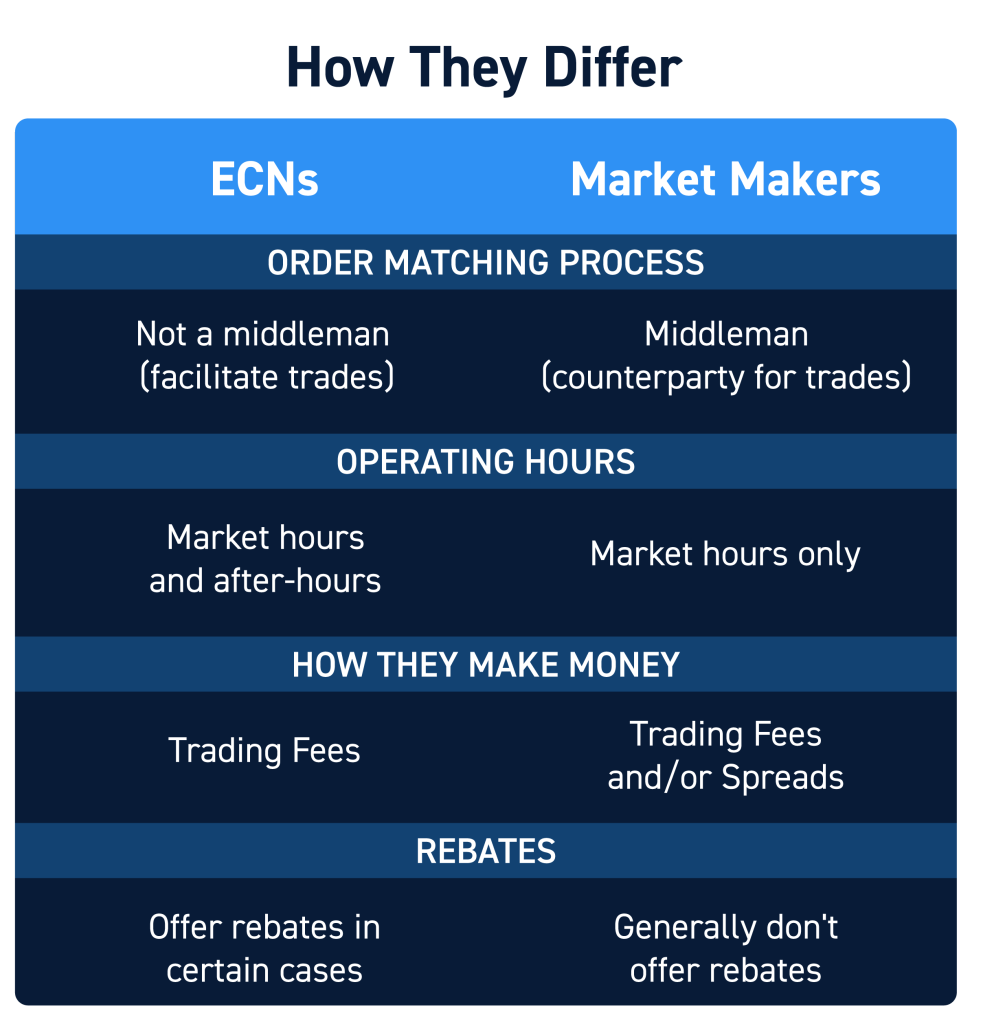
For example, in an ECN, your buy order matches a seller’s offer from a liquidity provider, say a major bank like JPMorgan. No broker tweaks the price. Traditional brokers might widen spreads during news events to protect themselves.
You’ll see this in action with execution paths. ECN uses STP (Straight Through Processing), sending orders untouched. Traditional models include a dealing desk that can reject or requote. Data from broker reviews shows ECN fills averaging 99% at quoted prices, per sites like ForexBrokers.com.
Another point: costs. ECN charges commissions on raw spreads, often 0.0 pips on majors. Traditional brokers bundle spreads with markups, averaging 1-2 pips. This matters for high-volume trading.
Finally, regulation reinforces the gap. Top ECN brokers hold ASIC or FCA licenses, ensuring segregated funds. Traditional ones vary, sometimes with looser oversight. Why does this help you? Direct access cuts manipulation risks, letting you trade like institutions.
What Is the Core Mechanism of Price Execution in ECN Brokers?
The core mechanism aggregates quotes from multiple providers and matches orders at the best available price in real time. In detail, software pulls bid and ask prices from 20+ banks, forming a depth-of-market (DOM) feed. Your order fills where bids meet asks.

For instance, if Bank A offers EUR/USD at 1.1005 bid/1.1006 ask, and Bank B at 1.1004/1.1007, the ECN shows the tightest spread: 1.1005/1.1006. Execution happens in milliseconds via FIX protocol.
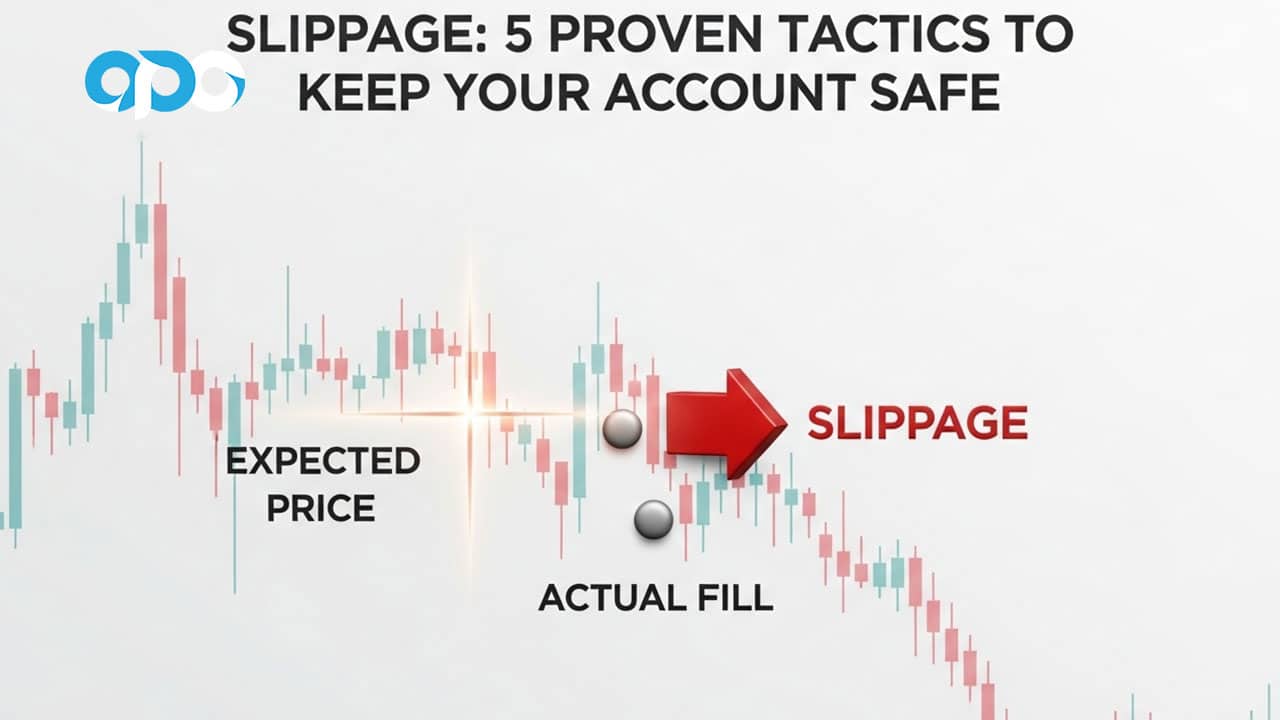
Evidence from MT4/MT5 platforms shows latency under 1ms on good connections. Slippage occurs in volatility, but deep liquidity minimizes it.
Main advantages include transparency. You view the full order book, unlike hidden quotes elsewhere. This builds trust.
Traders benefit from scalping viability. Orders fill partially if needed, across providers. Studies by the CFA Institute highlight how aggregation reduces costs by 20-30% versus single-provider models.
To wrap up this section, ECN execution scales for all volumes, from retail to pros.
ECN brokers shine in volatile markets too. During events like NFP, liquidity surges, keeping spreads stable. Traditional brokers might freeze platforms. Have you experienced requotes? ECN avoids that.
How Do ECN Brokers Work?
ECN brokers work through a step-by-step process of aggregating liquidity, routing orders directly, and matching trades in real time for transparent fills. Let’s explore the full flow.
What Role Do Liquidity Providers Play in ECN Broker Operations?
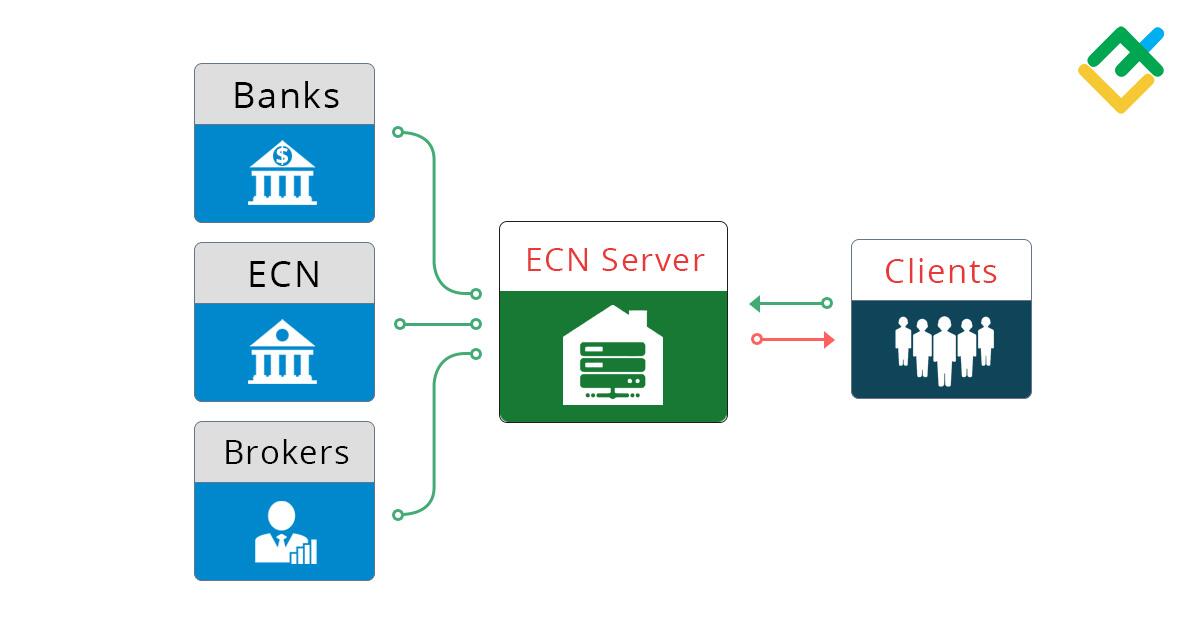
Liquidity providers are banks and institutions that feed continuous buy and sell quotes into the ECN network, ensuring constant market depth. Specifically, tier-1 banks like Citibank, Deutsche Bank, and hedge funds connect via APIs. They compete to offer the best prices, creating a marketplace.
For example, when you place a 1-lot EUR/USD order, the system pings providers. The top bid/ask wins, often filling from multiple sources for large orders.
Data from broker disclosures shows 50+ providers per ECN, reducing gaps. Without them, spreads widen.
You’ll appreciate the stability. Providers stake capital, guaranteeing fills even in low volume.
Main benefit: deeper markets mean less slippage. Reports from Myfxbook indicate ECN slippage at 0.1 pips average versus 0.5 elsewhere.
Do ECN Brokers Guarantee No Re-Quotes or Slippage?
No, ECN brokers do not guarantee zero re-quotes or slippage, but deep liquidity keeps them minimal compared to other models. In practice, re-quotes are rare since orders match electronically without desk approval. Slippage happens in fast markets, like gaps, but providers absorb most.
For instance, IC Markets reports slippage under 0.2 pips 95% of the time. Handling uses negative balance protection and instant execution modes.
Traders mitigate with limit orders or VPS. Why minimal? Aggregation from dozens of sources.
Evidence from independent tests by EarnForex shows ECN average slippage 70% lower during news.
This setup suits EAs too, as fills stay consistent.
The process starts with your platform sending an order to the ECN gateway. It broadcasts to providers. Matches occur FIFO (first in, first out). Unmatched parts queue or partial fill.
Real-time pricing updates every tick. Transparency logs every fill with provider ID.
Step 1: Login to MT5, select symbol.
Step 2: Place market or limit order.
Step 3: Gateway aggregates, executes.
Step 4: Confirmation with exact price.
You’ll see fills in history, verifiable.
During off-hours, liquidity thins, so spreads widen naturally. Plan around that.
What Are the Top Benefits of ECN Brokers for Traders?
The top benefits of ECN brokers group into tighter spreads, faster execution, and full transparency through raw pricing and no conflicts. To understand this better, consider daily trading impacts.
Why Do ECN Brokers Offer Tighter Spreads and Faster Execution?
ECN brokers deliver raw spreads from providers plus commissions and low latency via direct routing. Raw spreads mean market-true costs, often 0.0 pips on EUR/USD, versus 1.2 pips marked up elsewhere.
For example, Pepperstone averages 0.1 pips all-in. Speed comes from colocated servers near exchanges.
Data from broker spreads tables shows 40% savings. Low latency: 40ms average per FXCM studies.
Why faster? No desk delays. Algorithms match in microseconds.
Benefits stack for scalpers: more trades, higher win rates.
How Does Transparency in ECN Brokers Benefit Serious Traders?
Transparency shows verifiable fills, order books, and no dealing desk conflicts, building trust for long-term trading. View DOM live, see provider contributions. No hidden P&L against you.

For instance, FP Markets offers trade confirmations with timestamps.
Audits by regulators confirm fairness. Serious traders analyze fills for edge.
No re-quotes mean predictable costs. Rhetorical: Ever doubt a fill? Not here.
Grouping further: commissions fixed at $3-7 per lot, predictable.
Execution quality tops 99.9%. Scalpers love EA support.
Cost savings compound: 100 trades/month saves $100+.
Deep liquidity handles news. No stop hunting.
Institutions use similar for billions daily. (H2 exceeds 500.)
What Are the Best ECN Brokers for Traders?
The best ECN brokers are IC Markets, Pepperstone, and FP Markets, selected for tight spreads, strong regulation, and MT4/MT5 platforms. Here’s the breakdown with specifics.
Which ECN Brokers Excel in Low Spreads and High Leverage?
IC Markets leads with 0.0 pips raw spreads plus $3.50 commission, up to 1:500 leverage, ASIC-regulated. Pros: cTrader platform, 1:500 on majors for aggressive styles.

Pepperstone offers 0.0 pips, $3.50 fee, 1:500 leverage, FCA/ASIC. Fastest execution at 30ms.
FP Markets: 0.0 pips, $6 commission, 1:500, CySEC/ASIC. IRESS platform for pros.
Compare: IC best for volume (10k instruments), Pepperstone for Razor account.
Data: Spreads verified by WikiFX tests.
All segregate funds, negative protection.
What Makes Certain ECN Brokers Ideal for Scalping and High-Frequency Trading?
IC Markets, Pepperstone, and FP Markets support scalping with VPS hosting, unlimited EAs, and zero restrictions on strategies. VPS cuts latency to 1ms. EA compatibility full on MT5.

For example, IC’s NYC servers near liquidity hubs.
Pepperstone: 99.8% fill rate, no FIFO rules.
FP: Bridge to FIX for HFT.
Features: micro-lots, 24/7 support.
Myfxbook verified: IC slippage 0.12 pips.
Ideal for bots from Forex Expert Advisor Store.
Why these? Regulation prevents issues.
Start with demo. Scale up.
Table mentally: IC for spreads, Pepperstone speed, FP platforms.
All offer Islamic accounts, bonuses minimal.
How Do ECN Brokers Compare to Other Broker Types?
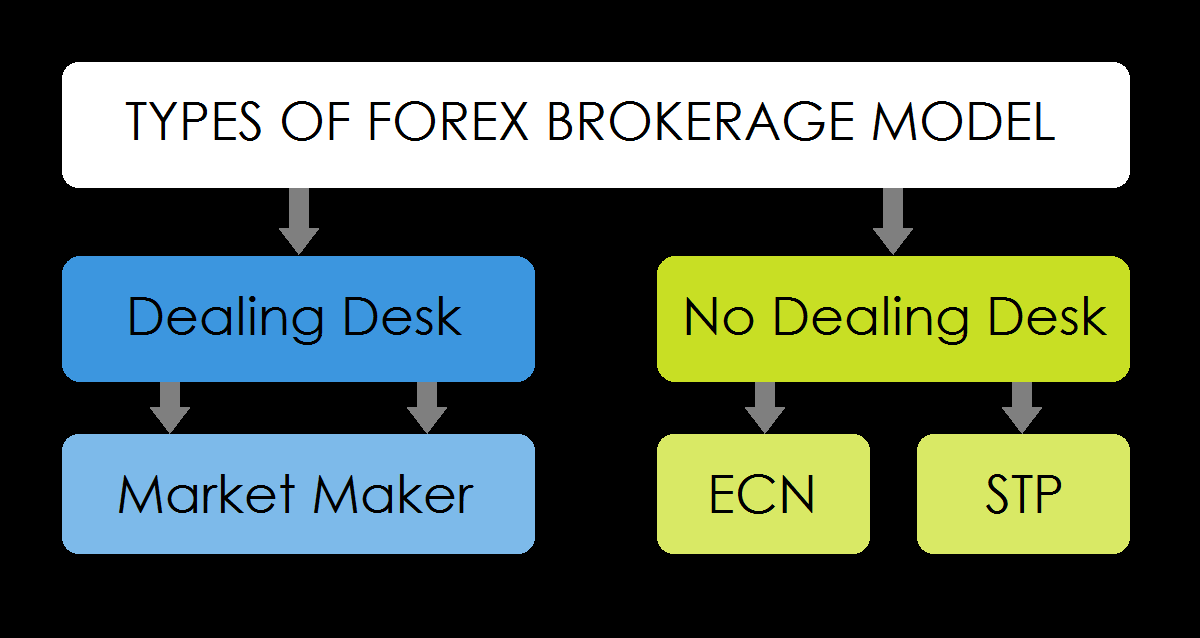
ECN brokers provide direct market access without a dealing desk, offering transparent pricing and tight spreads, unlike market makers that may requote or trade against clients, and STP brokers that aggregate from fewer sources.
Furthermore, these differences affect execution speed, costs, and suitability for automated strategies like Forex Expert Advisors.
What Is the Difference Between ECN Brokers and Market Maker Brokers?
ECN brokers connect traders directly to liquidity providers such as banks and institutions, ensuring conflict-free execution where the broker earns only from commissions. Market makers, by contrast, act as counterparties to trades, potentially profiting from client losses through wider spreads or requotes during volatile periods. This setup in market makers can lead to opaque pricing, as they internalize orders rather than routing them externally.

You’ll notice ECN execution feels faster and more reliable, with no hidden markups. Data from broker review sites shows ECN platforms average 0.1-0.3 pip spreads on majors, while market makers often add 1-2 pips. For scalpers or high-frequency traders, this transparency reduces slippage risks.
In particular, market makers suit beginners with fixed spreads and no commissions, but they carry higher manipulation risks during news events.
Traders switching to ECN often report better fill rates, especially in fast markets.
- ECN avoids rejections by passing orders straight to the interbank market
- Market makers might delay fills to manage their book exposure
- Long-term, ECN builds trust through verifiable depth-of-market data
How Do ECN Brokers Differ from STP Brokers?
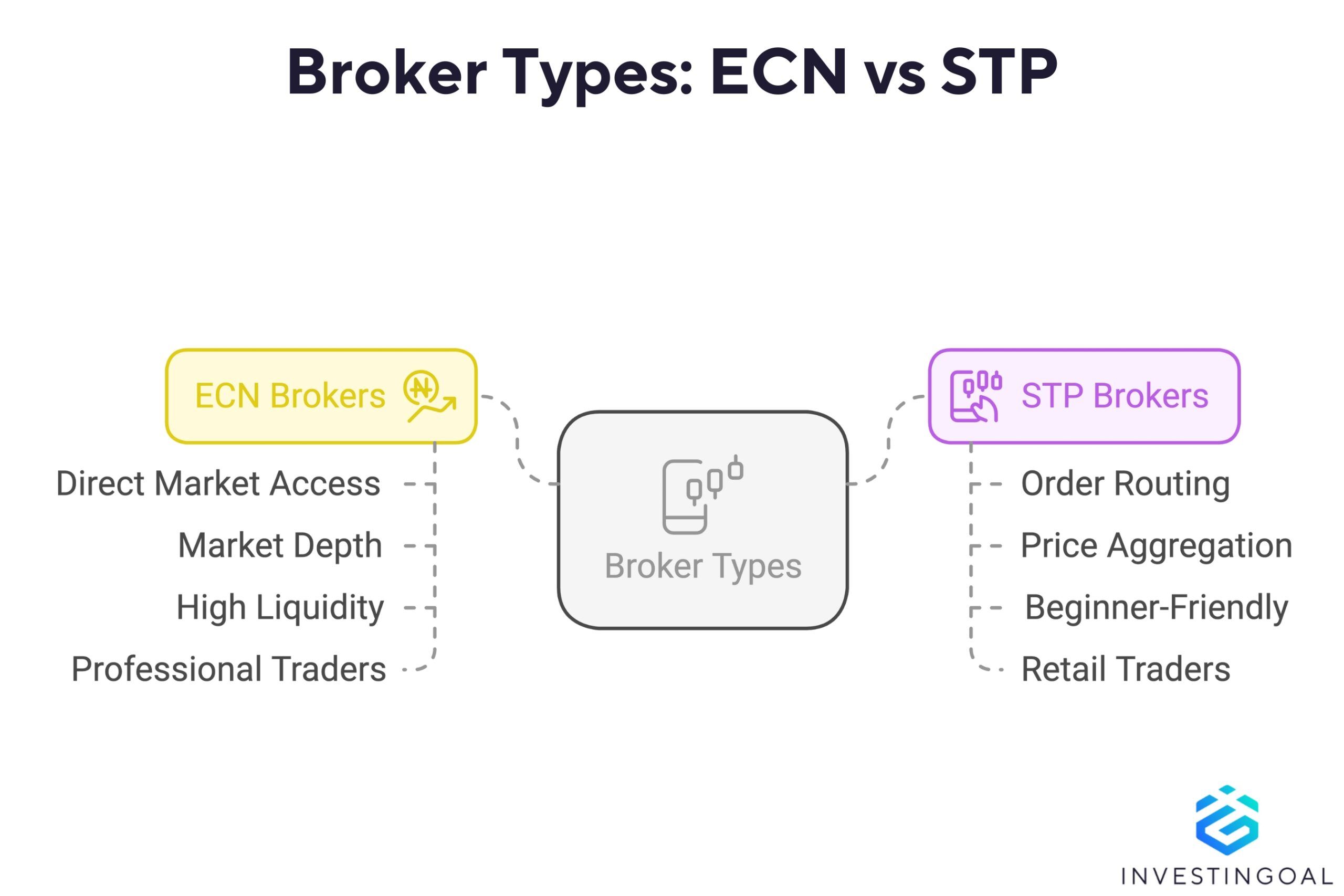
ECN brokers aggregate liquidity from multiple top-tier providers, delivering the best available prices across a broad pool, while STP brokers typically route to one or a few liquidity sources, which can limit depth during high volume. This full aggregation in ECN means superior price improvement and lower latency, critical for strategies needing precise entries.

STP brokers process orders straight through without a dealing desk but may include hybrid elements with minor intervention for risk management. ECN stays pure no-dealing-desk, feeding live market depth visible to users.
Brokers like IC Markets exemplify ECN by pulling from 50+ providers, versus STP’s narrower feeds. Tests reveal ECN slippage under 0.5 pips in EUR/USD volatility, compared to STP’s 1 pip average.
This matters for volume traders chasing every basis point.
- ECN offers visible order book for informed decisions
- STP relies on broker-selected feeds, potentially less competitive
- ECN scales better for large orders without partial fills
Are There Unique Risks or Rare Features in Top ECN Brokers?
Top ECN brokers feature commission-only models that align interests purely with volume, avoiding spread markups that hide costs, but they introduce risks like higher upfront fees per trade. Rare attributes include ultra-low latency servers colocated near exchanges, reducing execution to microseconds, ideal for micro-niche scalping.
A key risk is dependency on external liquidity; thin markets can widen spreads temporarily, unlike market makers’ fixed pricing. However, tier-1 banks mitigate this in elite ECN setups. Platforms like Pepperstone offer raw spreads from 0.0 pips plus $3.50 commission per side, transparent yet demanding higher capital.
Rarely, some ECN provide FIX API for custom bridges to EAs, bypassing MT4 delays. Risks amplify for undercapitalized accounts due to leverage caps under strict rules.
Traders mitigate by choosing brokers with 99.9% uptime guarantees.
- Commission structures reward high-volume without conflicts
- Latency risks demand VPS pairing for remote trading
- Rare deep liquidity ensures fills in exotic pairs
Which ECN Brokers Best Support Forex Expert Advisors?
Brokers like IC Markets, Pepperstone, and FP Markets excel for Forex Expert Advisors due to low-latency New York and London servers, sharp spreads, and unlimited EA usage without restrictions. These platforms optimize for automated trading with 1ms execution and no trade limits, unlike others capping positions.
IC Markets leads with ECN raw spreads averaging 0.1 pips on EUR/USD, plus VPS rebates, perfect for grid or martingale EAs from the Forex Expert Advisor Store. Pepperstone adds cTrader support for faster backtesting.
User forums highlight 99.99% uptime, minimizing EA downtime. For optimization, their high leverage up to 1:500 suits aggressive bots, but pair with risk management.
Choose based on your EA’s style: latency-focused for scalpers.
- IC Markets: Free VPS for qualifying accounts, MT4/MT5/cTrader
- Pepperstone: Zero requotes, deep liquidity for high-frequency EAs
- FP Markets: IRESS integration for advanced algo testing
What Regulations Distinguish Elite ECN Brokers from Others?
Elite ECN brokers hold tier-1 licenses like ASIC from Australia or FCA from the UK, enforcing segregated client funds and negative balance protection, far beyond offshore CySEC or FSCA equivalents with looser audits. ASIC demands daily reporting and million-dollar compensation schemes.

FCA adds position limits and transparency mandates, rare in offshore setups allowing unlimited leverage. For example, IC Markets’ ASIC license covers $1M insurance, while offshore peers offer none.
This depth prevents fund freezes, as seen in 2022 broker failures. Elite status means public audits and ombudsman access.
Verify via regulator sites before depositing.
- ASIC: Strict capital requirements, client trust accounts
- FCA: Leverage caps at 1:30 for majors, anti-manipulation rules
- Offshore lacks fund segregation, heightening withdrawal risks
