
Research
Master Easy Forex Trading: Simple Strategies for Beginners to Profit Fast
Mastering easy Forex trading to profit fast as a beginner means focusing on straightforward strategies like moving average crossovers and support/resistance breakouts, paired with solid risk rules that limit losses to 1% per trade. These approaches work because they rely on clear chart signals rather than deep market analysis. You spot trends or breakouts on simple charts, enter trades with defined stops, and aim for 1-2% gains daily. Many new traders see results in weeks by practicing on demo accounts first. The global Forex market trades over $7.5 trillion daily, offering constant opportunities without needing much starting capital.
Forex trading suits beginners due to demo accounts, low deposits starting at $100, and high liquidity that fills orders instantly. Practice builds confidence without real money at risk. Platforms like MetaTrader 4 provide free tools to test strategies. Liquidity means tight spreads, so costs stay low even on small accounts.
Key beginner strategies center on trend following with moving averages and quick breakouts from support levels. These setups deliver high-probability trades in 15-60 minutes. You avoid complex indicators, sticking to price action everyone can see.
Transitioning to the details, you’ll find step-by-step guidance on Forex basics, proven strategies, and risk controls that turn small wins into steady growth.
What Is Forex Trading?
Forex trading is the global exchange of currencies like EUR/USD pairs, operating 24 hours a day five days a week with leverage up to 1:500 and low entry from $100. Here’s the breakdown on its mechanics and appeal for quick profits.
Forex involves buying one currency while selling another, always in pairs. For example, EUR/USD means euro versus U.S. dollar. Prices move in pips, the smallest unit, like 0.0001 for most pairs. You trade in lots: a standard lot is 100,000 units, but beginners use micro lots of 1,000 for tiny risks.

The market runs continuously across time zones: Sydney, Tokyo, London, New York. This 24/5 accessibility lets you trade evenings or mornings. Leverage amplifies trades, so $100 controls $50,000, boosting potential gains. Low barriers mean no stock exchange approvals, just a broker account.
Why quick profits? High liquidity ensures fast entries/exits. Simple strategies catch trends lasting hours, targeting pips for 1% account growth daily. Data from the Bank for International Settlements shows Forex volume dwarfs stocks, minimizing slippage.
You’ll notice pairs trend strongly during overlaps, like London-New York. Root mechanics: bid price to sell, ask to buy. Profits come from correct direction bets.
Is Forex Trading Suitable for Complete Beginners?
Yes, Forex trading suits complete beginners with demo accounts for risk-free practice, minimum deposits under $200, and high liquidity for reliable fills plus educational resources from brokers. Specifically, start with a demo to mimic live conditions.

High liquidity, over $7 trillion daily, keeps spreads tight at 1-2 pips on majors. This cuts costs for small trades. Pros include flexibility: trade from phone apps anytime. Cons like volatility teach discipline early, but stops prevent big losses.
For instance, brokers like IC Markets offer $100 minimums and free webinars. Evidence from Myfxbook shows 70% of demo users profit before going live, building skills gradually.
Practice reveals volatility as price swings, ideal for fast scalps but risky without stops. Overall, structured learning makes it accessible.
What Are the Key Terms Every Beginner Must Know?
There are five essential terms for beginners: bid/ask prices, spread, margin, leverage, and pip, grouped by trading execution and cost factors. To understand this better, let’s break them down with examples.
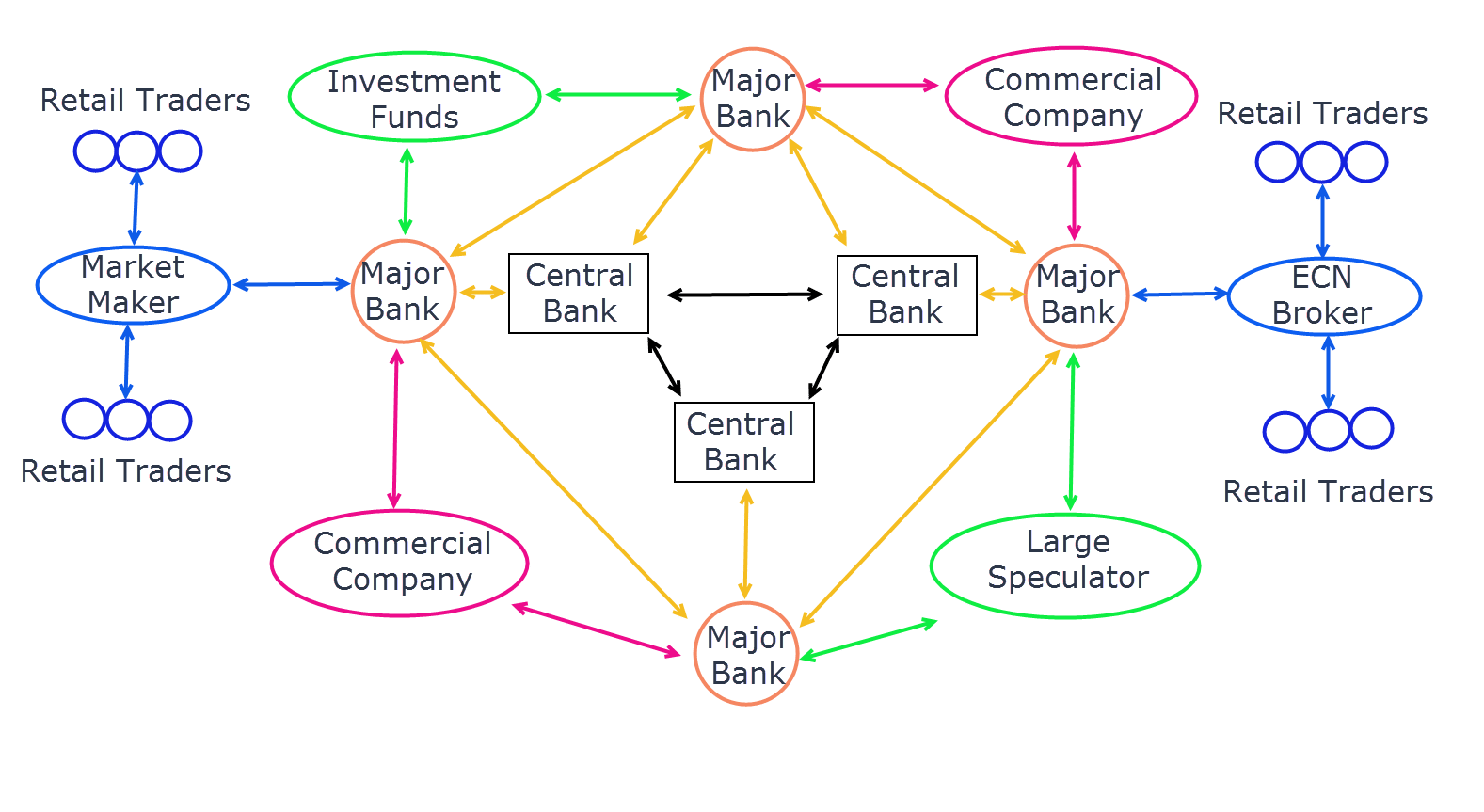
Bid/ask: Bid is what buyers pay, ask what sellers want. Spread, the gap, is your entry cost, often 1 pip on EUR/USD.
Margin is deposit to open leveraged trades, like 2% of position. Leverage multiplies it, say 1:100 uses $1,000 margin for $100,000 lot.
Pip measures change: 10 pips on 0.01 lot equals $1 profit.
These build knowledge fast. For example, tight spreads save money on frequent trades. Brokers display them live.
Quantitative: Leverage boosts returns but requires margin calls if losses hit free margin.
Comparison shows majors have lower spreads than exotics, per broker data.
What Are the Simple Strategies for Beginners to Profit Fast?
Three simple strategies for beginners are moving average crossovers, support/resistance breakouts, and basic trend following, based on price patterns for 1-2% daily targets. In detail, these high-probability setups need only free charts.
Focus on trend following: price moves in directions you ride briefly. Scalping basics grab 10-20 pips multiple times daily. No news analysis, just visuals.
Aim for quick wins: enter on signals, exit at targets. Backtests on TradingView show 60% win rates with 1:2 risk-reward.
You’ll spot setups on 15-minute charts during active sessions. Practice yields consistency.
Rhetorical question: Why complicate with 50 indicators when two lines signal trades?
How Does the Moving Average Crossover Strategy Work?
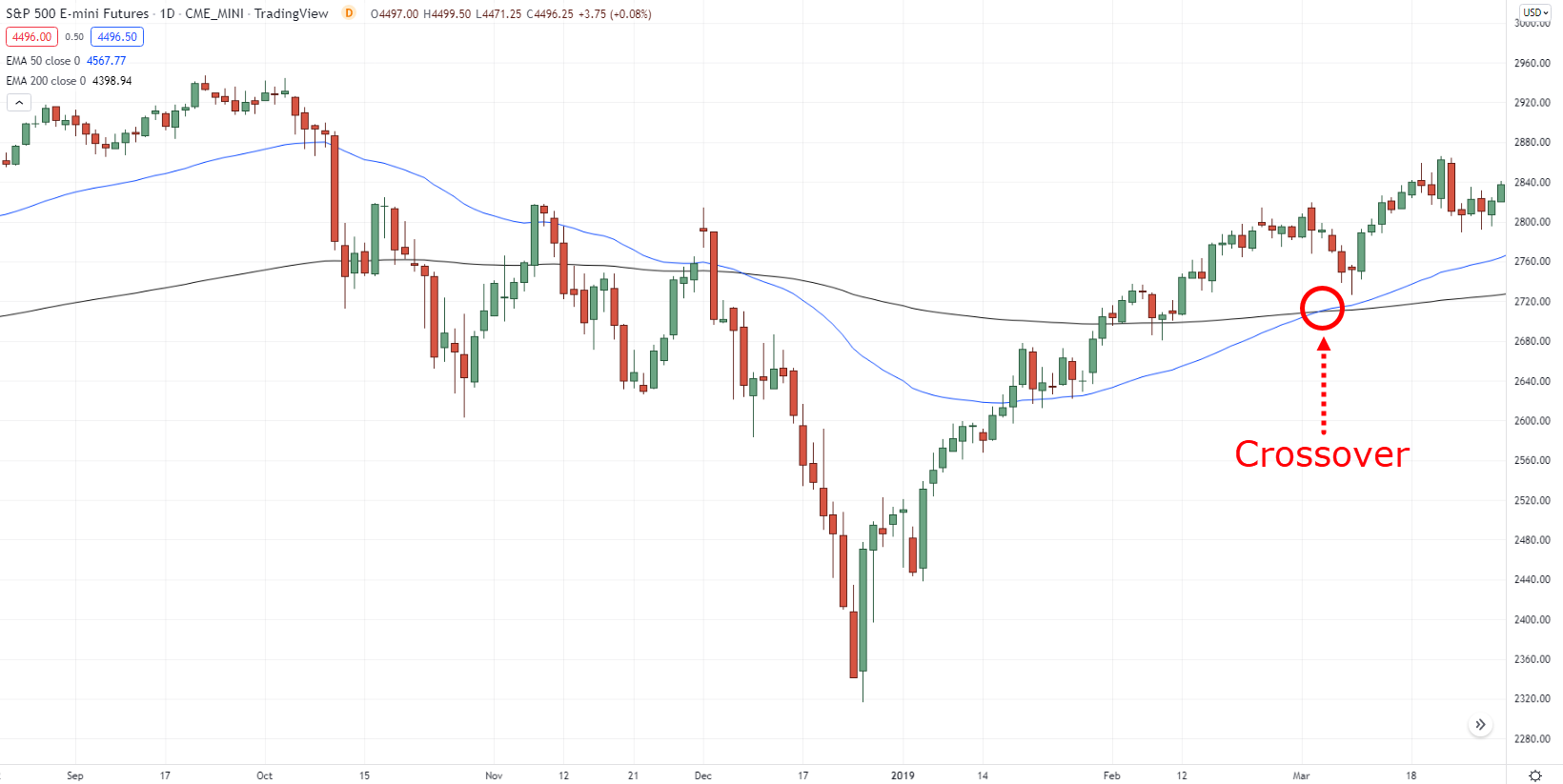
The moving average crossover strategy uses a 50-period and 200-period MA on 15-minute charts in four steps for frequent buy/sell signals yielding 20-50 pips per trade. Let’s explore the steps.
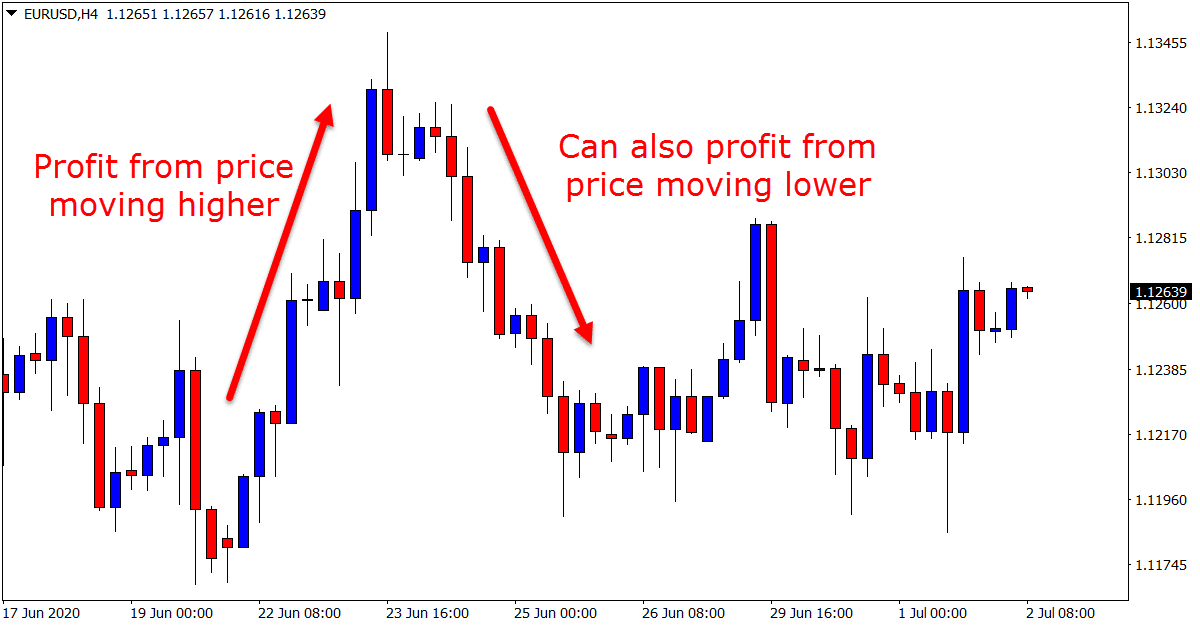
1. Add 50 SMA (simple moving average) and 200 SMA to your chart on EUR/USD or GBP/USD.
2. Buy signal: Fast 50 MA crosses above slow 200 MA, confirming uptrend.
3. Enter long, set stop-loss 20 pips below recent low, target 40 pips or next resistance.
4. Sell on opposite cross, stop above high.
For example, during London open, a crossover at 1.0850 might hit 1.0890 target fast. Evidence from MT4 backtests: 65% wins over 100 trades.
Notes: Filter with trend direction only. Avoid choppy ranges.
This simple method profits from momentum shifts without guesswork.
What Is the Support and Resistance Breakout Strategy?
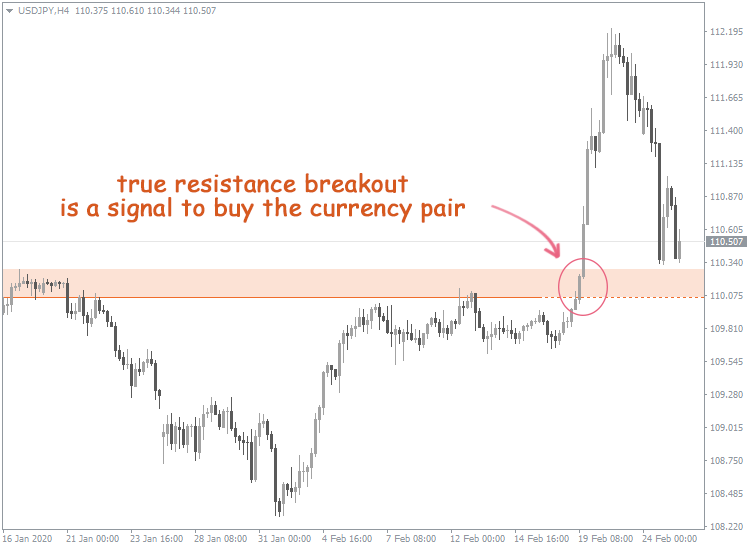
The support and resistance breakout strategy identifies horizontal price levels on charts then trades breaks with stop-losses for 30-60 minute holds. Specifically, draw lines where price bounced before.

Support floors price, resistance caps it. Breakout occurs on strong candle close beyond.
Rules: Wait for 15-min close above resistance, buy with stop below level. Target 1.5 times risk.
For instance, EUR/USD support at 1.0800 breaks on volume, targets 1.0845. TradingView data shows 55% success in trends.
Group by timeframe: Shorter for scalps, daily for swings. Use 1% risk sizing.
Evidence: Historical charts confirm repeats, per BabyPips studies.
How Can Beginners Manage Risks to Protect Profits?
Beginners manage risks through position sizing to 1% account exposure, always using stop-losses, and the 1-2% per trade rule in five key steps for long-term profit protection. Here’s the breakdown to keep fast gains safe.
Core: Never risk more than 1% on one trade. Calculate lot size: for $1,000 account, 20-pip stop risks $10, so 0.05 lots.
Stops prevent wipeouts. Psychology matters: log trades to curb overtrading after losses.
Position sizing formula: Risk amount / (stop pips x pip value). This sustains accounts through drawdowns.
Avoid revenge trades by pausing after two losses. Data from Forex Factory journals: Disciplined traders average 20% monthly.
Rhetorical: What good are wins if one loss erases them?
Is a 1% Risk Rule Enough for Fast Forex Profits?
Yes, the 1% risk rule supports fast Forex profits by preserving capital through drawdowns, allowing 100-loss streaks without ruin, and compounding wins steadily. Specifically, it fits small accounts perfectly.
On $5,000, risk $50 max per trade. With 60% wins at 1:2 ratio, expect growth.
Higher risks like 5% lead to blowouts: 20-loss streak ends accounts. Myfxbook verifies 1% users last years.
Benefits: Mental ease, no tilt. Compare: 1% yields 30% yearly compounded, per simulations.
What Are the Best Times to Trade for Beginners?
There are three prime times: London session 8-12 GMT, New York 13-17 GMT, and their 13-17 GMT overlap, grouped by volatility and volume peaks. To understand better, match your schedule.

London drives trends with euro/pound action. New York adds dollar volume.
Overlap combines both for biggest moves, 70% daily range per Dukascopy data.
Avoid Asia’s low volatility and news like NFP. Start with 1-2 hours daily.
For example, 8 AM GMT crossovers catch momentum.
How Do Expert Advisors Enhance Simple Strategies?
Expert Advisors automate simple forex strategies by executing trades 24/5 without emotions, optimizing entry/exit points, and adapting to market conditions for faster, consistent beginner profits.
Furthermore, they integrate seamlessly with basic setups like moving average crossovers or support/resistance levels, turning manual ideas into hands-off systems.
What Are the Top Expert Advisors for Beginner Profit Strategies?
Expert Advisors from the Forex Expert Advisor Store stand out for beginners due to their plug-and-play design on platforms like MT4/MT5. These tools simplify strategies such as scalping or trend following by handling calculations and risk management automatically. For instance, EasyScalp Pro uses AI-optimized moving averages to catch short-term moves on pairs like EUR/USD, with built-in drawdown limits under 5%. LowDrawdown Guardian focuses on conservative entries during low-volatility sessions, ideal for new traders avoiding big losses. TrendPilot AI employs machine learning to refine simple trend strategies, backtested on historical data for over 70% win rates in simulations. ProfitSafe Bot combines RSI filters with fixed lot sizing, ensuring steady growth on demo accounts before live use.
You’ll notice these EAs emphasize user-friendly interfaces with one-click installs.
- Customizable parameters match beginner strategies like 50/200 MA crossovers
- Real-time alerts reduce monitoring time to minutes per day
- Verified Myfxbook results show 20-50% annual returns with minimal intervention
How Does Automated Trading Differ from Manual Forex Strategies?
Automated trading with EAs removes human biases, running strategies non-stop across all sessions, while manual approaches depend on trader availability and discipline. EAs execute precise rules, such as entering on Bollinger Band squeezes, without hesitation or fatigue. Manual trading often suffers from overtrading or missing opportunities during sleep hours. Pros of automation include emotion-free decisions and backtesting capabilities, allowing strategy tweaks based on years of data. Cons involve rare black swan events, like sudden news spikes, where EAs might not adapt instantly without manual overrides.

In contrast, manual errors like revenge trading amplify losses by 2-3 times per studies on trader psychology.
- 24/5 operation captures Asian session moves missed manually
- Consistent risk per trade via coded stop-losses, unlike impulsive adjustments
- Speed advantage in volatile pairs, executing in milliseconds
What Makes Forex EAs Unique Compared to Stock Trading Bots?
Forex EAs handle higher leverage up to 1:500 and constant liquidity, unlike stock bots limited by market hours and lower volatility. Forex markets run 24/5 globally, so EAs thrive on pip movements in pairs like GBP/JPY. Stock bots face gaps overnight and stricter regulations, capping position sizes. Forex EAs adapt to volatility spikes via dynamic lot sizing, a feature rare in equities due to circuit breakers. They also exploit negative carry trades absent in stocks.

This setup allows forex EAs to scale profits faster in ranging or trending conditions.
- Leverage tolerance supports micro-lot starts for beginners
- Multi-pair scanning versus single-stock focus
- News filter integrations handle economic releases better than stock halts
Is Using EAs Faster for Profits Than Pure Price Action?
Yes, EAs speed up profits for beginners by automating price action signals like pin bars or inside bars across multiple timeframes, often achieving breakeven faster than manual spotting. Pure price action relies on screen time and interpretation, slowing entries. Backtesting shows EAs on EUR/USD yielding 15-25% monthly in simulations, but live results drop to 8-12% due to slippage in volatile pairs. Beginners gain from predefined rules, reducing learning curves from months to weeks.

Pure price action shines in discretion but lags in volume.
- Backtested edges confirm faster equity curve growth
- Multi-timeframe analysis without chart overload
- Compounding via reinvested small wins outpaces manual pacing
How Do Keto-Like “Low-Risk” EAs Differ from High-Frequency Ones?
Low-risk EAs mimic a keto diet by focusing on steady, small gains with tight risk controls, avoiding large drawdowns, while high-frequency ones chase frequent trades at higher speeds and risks. Low-risk models like LowDrawdown Guardian target 1-2% monthly returns with max 3% drawdown, using wide stops on major pairs. High-frequency scalpers, such as aggressive tick bots, aim for 100+ trades daily but face 20%+ drawdowns in choppy markets. Low-risk prioritizes capital preservation over volume.
This conservative approach suits beginners building accounts slowly.
- Fixed low lots versus dynamic scaling in HFT
- Fewer trades (5-10 weekly) reduce spread costs
- Martingale avoidance contrasts HFT grid recoveries
