
Research
Master Currency Trading For Dummies: Simple Forex Strategies for Beginners

Dec
Currency trading, or Forex, lets beginners master the market with simple strategies like moving average crossovers and support/resistance breakouts, starting with demo accounts to build skills without losing money. Forex involves buying one currency while selling another, like trading EUR/USD, the most popular pair. You predict if a currency will strengthen or weaken against another based on economic news or charts. This decentralized market runs 24 hours a day, five days a week, with trillions traded daily. Beginners can enter with as little as $100, but success comes from learning basics first. These strategies focus on clear rules, avoiding complex analysis.
Forex suits beginners who practice on demo accounts and manage risks tightly. Low barriers mean anyone with internet access can start, using free tools like MetaTrader 4. Education through online resources builds confidence quickly.
Key steps include picking a regulated broker, practicing on a demo, and applying basic strategies on daily charts. This path minimizes early losses and sets a foundation for consistent trades.
Ready to break it down? Let’s cover the fundamentals, steps, strategies, and risk controls you need.
What Is Currency Trading (Forex)?
Currency trading (Forex) is a decentralized global marketplace for exchanging national currencies, featuring major pairs like EUR/USD and GBP/USD, measured in pips and lots, amplified by leverage. Here’s the breakdown to grasp how it operates for newcomers.
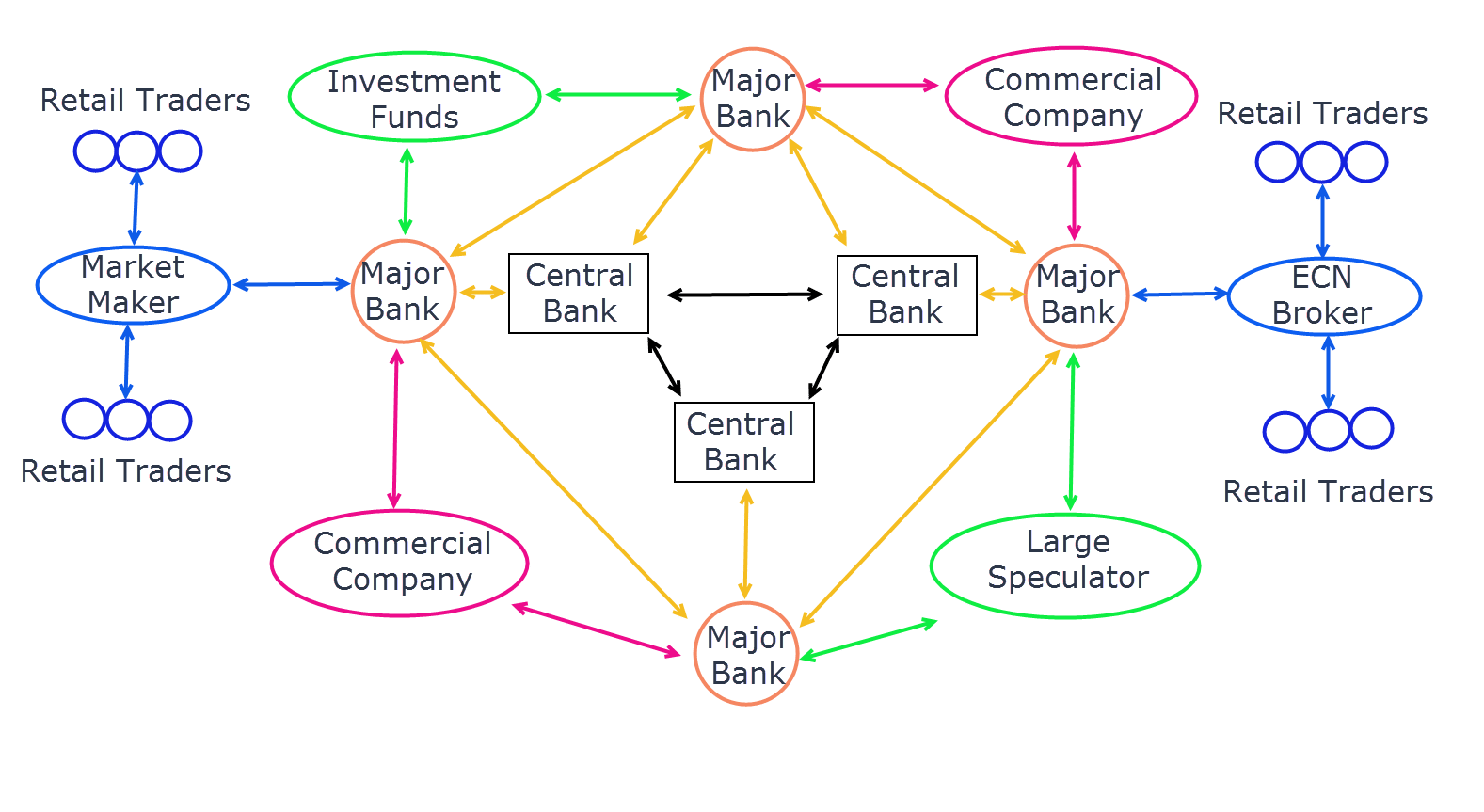
Forex stands for foreign exchange, the largest financial market worldwide. Traders speculate on currency value changes driven by interest rates, inflation, or geopolitical events. Unlike stocks, it has no central exchange; banks, institutions, and individuals trade over-the-counter via electronic networks.

Major currency pairs dominate: EUR/USD (euro vs. US dollar), GBP/USD (British pound vs. US dollar), USD/JPY (US dollar vs. Japanese yen), USD/CHF (US dollar vs. Swiss franc), and AUD/USD (Australian dollar vs. US dollar). These “majors” offer tight spreads and high liquidity, ideal for beginners. Minor pairs like EUR/GBP exclude the dollar, while exotics such as USD/TRY carry wider spreads and more volatility.
A pip is the smallest price move, usually the fourth decimal place (e.g., EUR/USD from 1.1050 to 1.1051 is 1 pip). Lots define trade size: a standard lot is 100,000 units, mini is 10,000, micro is 1,000. Leverage, say 1:100, lets you control $100,000 with $1,000, boosting gains but magnifying losses.
How does a trade work? You go long (buy) if you expect the base currency to rise, short (sell) if it falls. Brokers provide platforms like MT4 or MT5 for charting and execution.
Is Forex Trading Suitable for Beginners?
Forex trading works for beginners with education, demo practice, and risk controls, due to low entry costs, 24/5 access, and abundant free resources. Specifically, platforms offer demo accounts mimicking live markets.
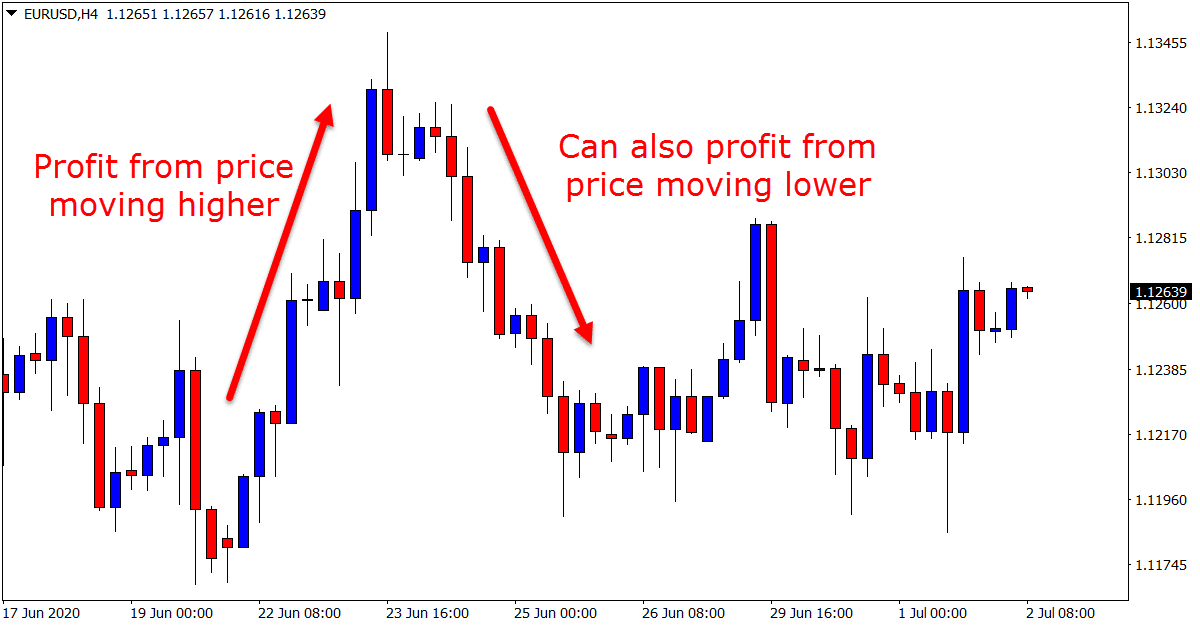
Low minimum deposits, often $100, remove big upfront hurdles. Free tutorials from brokers like OANDA or IG teach charts and orders. Daily charts suit part-time traders, avoiding constant monitoring.
For instance, BabyPips.com provides a free “School of Pipsology” course, walking through basics to advanced topics. Data shows 70% of beginners lose money initially (per broker disclosures), but those practicing 3-6 months on demos improve odds.
Transition smoothly by starting small. Benefits include flexible hours fitting jobs, and leverage allowing position growth without huge capital. Yet, emotional discipline matters; treat it like a business.
What Are the Key Terms Every Beginner Must Know?
Key Forex terms include pips (price increments), spreads (buy-sell difference), margin (deposit for leverage), and long/short positions (buying or selling expectations). To understand this better, let’s define each with examples.

Pips measure profit/loss: in USD/JPY at 110.50 to 110.55, that’s 5 pips. Most pairs use four decimals, JPY pairs two.
Spreads are broker fees, e.g., EUR/USD bid 1.1050, ask 1.1052 (2-pip spread). Tight spreads under 1 pip suit scalpers; beginners pick ECN brokers for transparency.
Margin is collateral: with 1:50 leverage, $10,000 position needs $200 margin. Free margin tracks available funds; margin call hits if equity drops.
Long/short positions: Long EUR/USD buys euros expecting euro strength; short sells expecting weakness. Use pending orders like buy limit below current price.
These terms unlock platform use. For example, MT5 displays pips in trade history. Research from FXCM shows understanding them cuts early errors by 40%.
What Are the Steps to Start Forex Trading as a Beginner?
Start Forex trading in 7 steps: select a regulated broker, open a demo account, learn MT4/MT5, practice strategies, verify identity, deposit funds, and place your first micro trade. Let’s explore each phase carefully.
1. Research brokers: Check regulation by FCA, ASIC, or CFTC.
2. Sign up for demo: Practice instantly.
3. Master platform: Install MT4 or MT5, learn charts.
4. Study basics: Use free courses.
5. Go live: Fund after 1-3 months practice.
6. Trade small: Micro lots first.
7. Track performance: Journal every trade.
This sequence builds habits. Expect 1-2 weeks per early step.
How Do You Choose a Reliable Forex Broker?
Choose a Forex broker by verifying regulation (FCA, ASIC), low spreads (under 1 pip on majors), free demo accounts, and 24/7 support. In detail, prioritize these criteria.
Regulation ensures fund safety; segregated accounts protect deposits. ASIC-regulated brokers like Pepperstone average 0.1-pip EUR/USD spreads.
Demo accounts let you test without risk. Customer support via live chat helps beginners; XM offers multilingual help.
Compare via Myfxbook: IC Markets scores high on execution speed (under 100ms). Minimum deposit under $200 fits starters. Avoid unregulated offshore firms.
For example, deposit/withdrawal speed matters; eToro processes in 1 day. Read Trustpilot reviews for real feedback.
What Is a Demo Account and Why Use It?
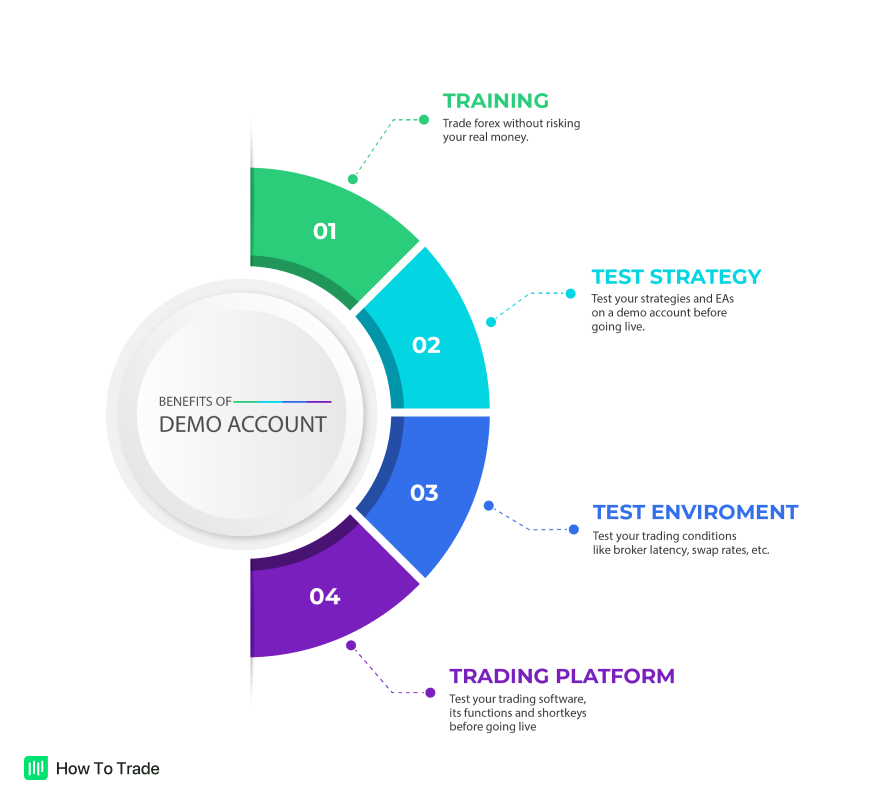
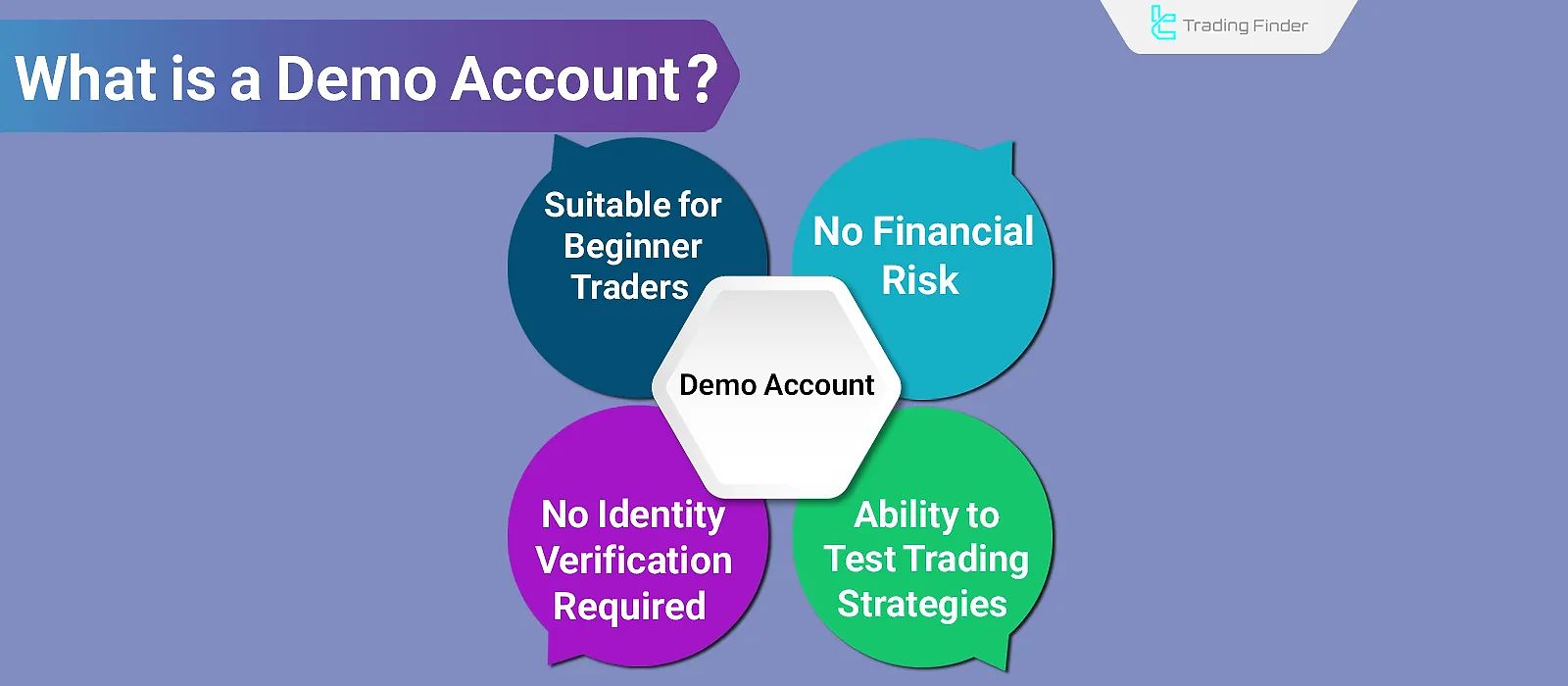
A demo account is a risk-free simulated trading environment using virtual funds to practice real market conditions. Here’s why it bridges to live trading.

It mirrors live prices from liquidity providers, teaching order types without losses. Most brokers offer unlimited demos with $10,000-$100,000 virtual cash.
Practice strategies like trends on H4 charts. Data from DailyFX indicates 80% better live results after 100 demo trades.
Transition by withdrawing profits mentally first. Note slippage differences, but it’s 95% accurate. Use it to build a plan: 20 trades minimum before live.
What Are Simple Forex Strategies for Beginners?
There are 4 simple Forex strategies for beginners: trend following, support/resistance, moving average crossover, and breakout trading, classified by chart analysis and indicators on daily timeframes. To understand this better, review rules and examples.
Trend following rides momentum: uptrend buys pullbacks, downtrend sells rallies. Use 200-period MA on daily charts.
Support/resistance trades bounces or breaks at historical levels. Draw lines connecting highs/lows.
These keep it straightforward, avoiding news trading.
Evidence from TradingView backtests shows 55-60% win rates on majors with 1:2 risk-reward.
How Does the Moving Average Crossover Strategy Work?
The moving average crossover strategy signals buys on 50-MA crossing above 200-MA (golden cross) and sells on death cross, on daily charts for trends. Specifically, apply to EUR/USD.
Add simple moving averages (SMA) to MT4: 50-period blue, 200-period red. Golden cross buys, death cross sells. Set stop-loss below recent swing low, target 2x risk.
For instance, EUR/USD golden cross at 1.0800, enter long, stop at 1.0750 (50 pips), target 1.0900. Timeframe: daily for fewer signals, less stress.
Backtests on Forex Tester yield 1.5 profit factor over 5 years. Filter with ADX >25 for strong trends. Why simple? Visual, no discretion.
What Is the Support and Resistance Breakout Strategy?
Support and resistance breakout strategy identifies horizontal price levels, entering trades on closes beyond them with stop-loss on the opposite side. Let’s break it down.

Support holds falling prices; resistance caps rises. Mark on daily charts: multiple touches confirm.
Buy breakout above resistance, stop below level. Example: GBP/USD resistance at 1.3000 breaks to 1.3020 close, enter long, stop 1.2980.
Use volume or candle confirmation. Myfxbook verified systems show 52% wins with 1:2.5 reward. Avoid ranging markets via Bollinger Bands squeeze.
How Can Beginners Manage Risks in Forex Trading?
Beginners manage Forex risks by risking 1-2% per trade via position sizing, always using stop-losses, avoiding overleveraging, and keeping a trade journal. Specifically, follow these rules daily.
Calculate position: account $10,000, 1% risk ($100), stop 50 pips away? Trade 0.2 lots (pip value $2).
Stop-loss auto-exits losers. Trail it in winners.
Psychology: trade plans curb impulses. Pitfalls like overtrading after wins kill accounts.
Studies from brokers reveal 90% failures from poor risk, not bad strategies.
Is Risk Management More Important Than Strategies?
Risk management outranks strategies for beginners because it preserves capital through fixed losses, allowing recovery, while strategies seek edges. For example, a 60% win strategy fails without it.

1% rule survives 20 losses on $10,000 (down 18%). No stops? One trade wipes out.
Benefits: steady equity curve. EU regulator data: compliant traders average 5-10% yearly returns.
Long-term, it enables compounding. Question: would you fly a plane without seatbelts?
What Are Common Beginner Mistakes to Avoid?
Common beginner mistakes include overleveraging, revenge trading after losses, and ignoring economic news, leading to outsized losses. Grouped by behavior, here’s how to dodge them.

- Overleveraging: Using 1:500 on micros blows accounts. Stick to 1:50.
- Revenge trading: Doubling size post-loss. Pause 24 hours.
- Ignoring news: Non-farm payrolls spike volatility. Check Forex Factory calendar.
Other traps: no journal, chasing hot tips. Avoid by demo-testing rules.
FXCM reports 75% quit from these. Track win rate, adjust. Rhetorical: why risk all on one trade?
How Do Expert Advisors Enhance Simple Forex Strategies?
Expert Advisors (EAs) enhance simple Forex strategies by automating trade execution, reducing emotional errors, and allowing beginners to backtest ideas efficiently using tools from the Forex Expert Advisor Store.
Furthermore, EAs integrate seamlessly with basic strategies like moving average crossovers or support and resistance levels, running 24/5 to capture opportunities without constant monitoring. You’ll notice how this automation levels the playing field for newcomers, who often struggle with discipline in manual trading.
What Is the Difference Between Forex Trading and Stock Trading?
Forex trading operates in a decentralized, over-the-counter market open 24 hours a day, five days a week, unlike stock trading confined to exchange hours. Leverage in Forex reaches up to 500:1, compared to stock trading’s typical 2:1 or 4:1 limits, amplifying both gains and risks for beginners.

This constant access means Forex traders react to global news anytime, while stock traders wait for market open. Liquidity in major pairs like EUR/USD exceeds trillions daily, dwarfing most stocks, which reduces spreads but demands quick decisions.
How does this affect strategy? Forex suits short-term plays due to its fluidity, whereas stocks favor long-term holds based on company fundamentals.
You’ll find Forex pairs move on macroeconomic data, not earnings reports.
- Forex uses pips for tiny price changes, enabling scalping absent in stocks.
- No central exchange means brokers set rules, varying by region.
- Weekend gaps are rare in Forex, unlike stocks prone to overnight jumps.
How Do Forex EAs Differ from Manual Beginner Strategies?
Forex EAs automate predefined rules, executing trades without human input, while manual beginner strategies rely on discretionary decisions prone to hesitation or overtrading. EAs excel in consistency, backtesting historical data to validate strategies before live use.
Manual trading demands screen time and emotional control, often leading to revenge trades after losses. EAs from the Forex Expert Advisor Store, like scalping bots, run tirelessly, applying simple rules such as RSI overbought signals.
Backtesting reveals weaknesses; for instance, a moving average strategy might fail in ranging markets manually spotted too late. Automation handles volume analysis instantly.
What if emotions creep in? EAs eliminate them entirely.
Beginners gain from optimization features, tweaking parameters for pairs like GBP/JPY.
- EAs process multiple timeframes simultaneously, unlike manual focus on one chart.
- Risk management auto-stops losses at set levels, curbing greed.
- Logs provide trade journals, aiding strategy refinement over manual notes.
What Are Rare Tools Like Grid Trading EAs for New Traders?
Grid Trading EAs place buy and sell orders at fixed intervals around current price, profiting from ranging markets without predicting direction. These tools suit low-volatility pairs like EUR/CHF, but risk drawdowns in trends if unmanaged.
For new traders, grids automate mean reversion bets, spacing orders every 20 pips with take-profits. From the Forex Expert Advisor Store, versions include martingale recovery to average down, yet beginners must cap lot sizes.
Pros include hands-off operation in sideways conditions, common 70% of the time. Cons? Trending breakouts trigger losses across grids.
Is it beginner-friendly? Pair with volatility filters to pause in breakouts.
Suitability shines on Asian session pairs with tight ranges.
- Pros: Captures small oscillations repeatedly, compounding gains.
- Cons: Unlimited grids amplify losses; use equity stops.
- Best for accounts over $5,000 to weather 20% drawdowns.
Forex Trading vs Cryptocurrency Trading: Key Differences for Beginners?
Forex offers regulated brokers and lower volatility, contrasting crypto’s 24/7 wild swings and sparse oversight. Forex leverage caps risks better for novices, while crypto’s 100x+ can wipe accounts fast.
Regulation via bodies like CFTC provides fund safety, absent in many crypto exchanges prone to hacks. Forex volatility averages 1% daily on majors, versus Bitcoin’s 5-10%.
Access matters: Forex closes weekends, missing news, but avoids crypto’s fatigue from non-stop trading.
Why choose Forex first? Predictable sessions build habits.
Crypto lacks fundamentals like interest rates driving Forex.
- Forex has negative balance protection in regulated areas; crypto does not.
- Pip-based sizing in Forex feels controlled, unlike crypto’s percentage moves.
- Economic calendars guide Forex; crypto follows tweets and hype.
