
Research
How CPI Drives Forex Volatility: Trading Strategies for Savvy Investors
Dec
The Consumer Price Index (CPI) drives forex volatility by revealing inflation trends that shift central bank interest rate expectations, prompting sharp currency moves, and savvy investors can capture these swings with strategies like pre-event straddles and post-release trend follows. CPI data acts as a market mover because it measures price changes in everyday goods and services, directly influencing how traders view a country’s economic health. When CPI comes in hotter than expected, it signals rising inflation, which often leads central banks to hike rates. Higher rates attract foreign capital, strengthening the currency. The reverse happens with cooler-than-expected readings, weakening the currency as rate cut bets grow.
Forex pairs like EUR/USD and GBP/USD see volatility spike 2-5 times normal levels around CPI releases. These moments create pip swings of 50-100 or more in minutes, offering high-reward setups for prepared traders. You’ll notice major pairs react first, with crosses following as the initial shock ripples through.
CPI surprises amplify moves when combined with central bank forward guidance and broader economic conditions. For instance, during economic booms, hot CPI data fuels aggressive buying, while in recessions, it heightens fears of policy missteps. Traders who position ahead of these releases often secure the best risk-reward ratios.
These dynamics set the stage for targeted trading approaches. Let’s break down CPI itself, its role in sparking volatility, and proven strategies to trade it.
What Is the Consumer Price Index (CPI)?
CPI is a key inflation gauge that tracks average price changes for a basket of consumer goods and services over time. Specifically, this measure helps traders gauge purchasing power and economic overheating. To understand this better, think of CPI as a monthly snapshot of how much more (or less) it costs households to buy essentials like food, housing, and transportation.
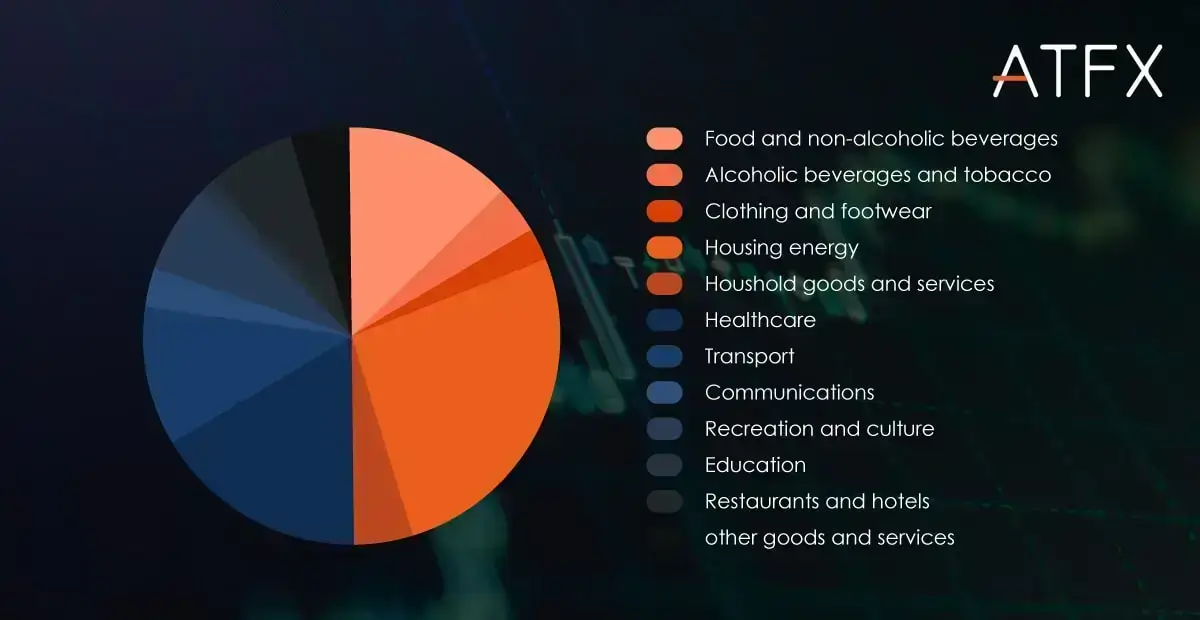
CPI breaks down into several components. The basket includes about 80,000 items, weighted by spending patterns from surveys like the US Consumer Expenditure Survey. Housing dominates at around 33%, followed by transportation (17%) and food (14%). Weights adjust every two years to reflect shifts in habits, such as rising online shopping.

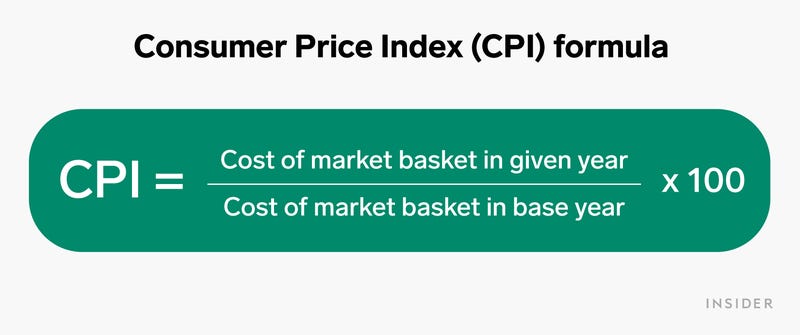
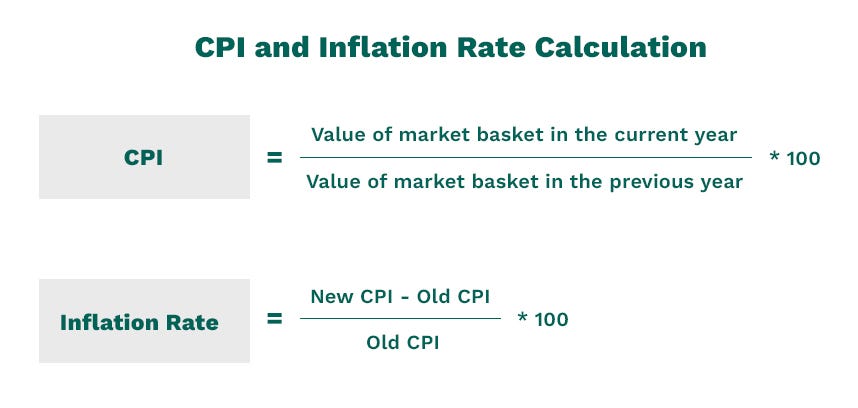
Central banks like the US Bureau of Labor Statistics (BLS) calculate CPI using a fixed basket formula: CPI = (Cost of basket in current period / Cost in base period) x 100. The base year, currently 1982-1984 = 100, provides a reference point. Year-over-year (YoY) changes matter most for forex, as they smooth monthly noise and align with policy targets like the Fed’s 2% goal.
Releases follow a strict schedule. The BLS drops US CPI on the second week of each month, around 8:30 AM ET, covering the prior month. Other nations sync similarly: Eurozone CPI mid-month, UK around the 16th. Traders mark calendars for these, as markets price in forecasts from sources like Bloomberg consensus.
How Is CPI Calculated and Released?
CPI calculation starts with price collection from 23,000 retail outlets across 75 urban areas. Agents visit stores, check online prices, and log rents monthly. The BLS adjusts for seasonal patterns, like holiday food spikes, using statistical models.
Headline CPI includes all items, while core CPI strips food and energy for a stable view; US data releases monthly on the second Tuesday or Wednesday at 8:30 AM ET. Headline captures raw inflation, often volatile from gas prices. Core offers policymakers a clearer signal, influencing rate decisions more directly.
Release timing builds tension. Markets trade quietly pre-data, then explode. Trader expectations, pulled from economist polls, set the benchmark. A beat (higher than forecast) lifts rate hike odds; a miss does the opposite. For example, in June 2022, US CPI hit 9.1% YoY versus 8.8% expected, sparking a USD rally as Fed hikes loomed.
This impacts forex through repricing. Pairs adjust instantly to revised probabilities on tools like FedWatch. Consistent beats build trends, while misses reverse them. Savvy traders watch revisions too, as initial figures sometimes adjust later.
Why Is CPI a Leading Indicator for Forex Traders?
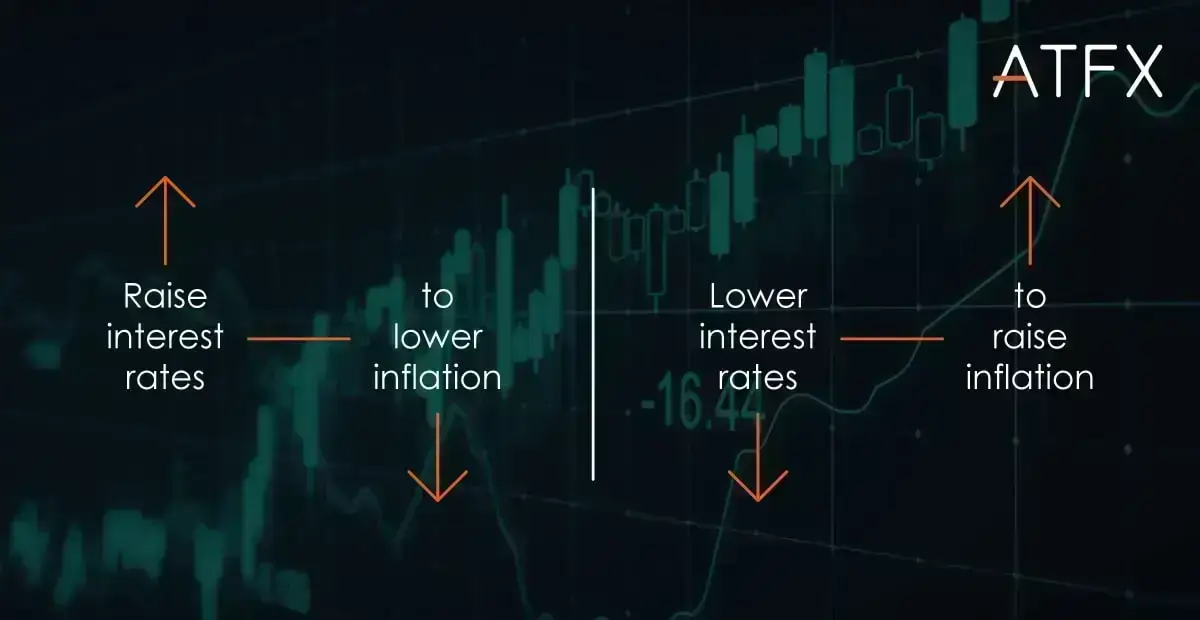
CPI links directly to interest rate outlooks and central bank actions, as it flags inflation pressures that prompt policy tightening or easing. Hot readings signal rate hikes to cool demand, boosting carry trades. Cool data hints at cuts, favoring riskier currencies.
Central banks target inflation via CPI proxies. The Fed eyes core PCE but references CPI heavily. ECB uses harmonized CPI. A 0.3% monthly beat can shift hike odds by 10-20 points overnight.
Forex traders use CPI to front-run policy. Pre-release, positions build on forecasts. Post-release, flows chase the surprise. During 2023’s disinflation, softer CPI weakened USD as cut bets rose, sending EUR/USD from 1.05 to 1.12.
You’ll see this in bond yields too: higher CPI lifts 10-year Treasuries, strengthening USD pairs. In low-inflation eras, like post-2008, CPI guided QE unwind expectations.
How Does CPI Drive Forex Volatility?
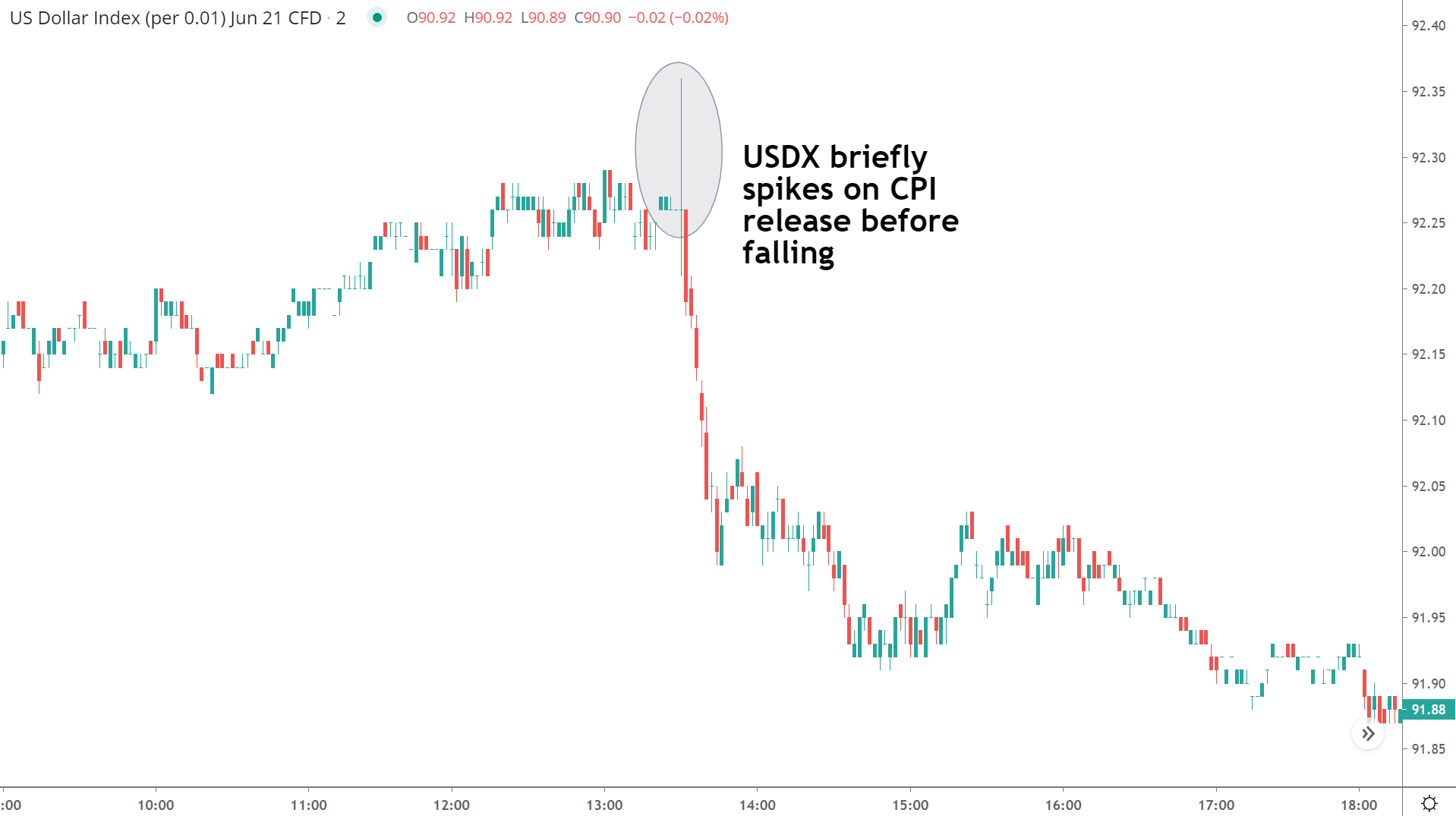
CPI drives forex volatility when actual data surprises forecasts, forcing rapid currency repricing based on revised inflation and rate views. Here’s the breakdown: markets price in consensus estimates pre-release, but deviations trigger stop hunts and algorithmic flows. Positive surprises (hotter CPI) strengthen currencies like USD; negatives weaken them. Volatility peaks 15-30 minutes around data drops.
The core mechanism ties to expectations. Traders aggregate forecasts into implied pricing. A surprise measures in standard deviations: 1-2 SD moves cause 50-pip swings; 3+ SD events deliver 100+. Pre-release positioning amplifies this, with leveraged funds adding fuel.
Post-release, volatility lingers 1-2 hours as digests headlines, then fades unless central banks comment. Average daily range triples on CPI days.
What Happens to Currency Pairs During CPI Releases?
Major pairs like EUR/USD and GBP/USD experience volatility surges to 2-5x normal levels during CPI releases. Yes, this holds across sessions, with evidence from tick data showing intraday ATR jumping from 60 pips to 200-300.

Take EUR/USD: normal daily range sits at 70 pips. On US CPI days, it hits 150-350. In July 2023, a soft 3% YoY print versus 3.1% forecast dropped pair 80 pips in 10 minutes.
GBP/USD reacts sharper due to BOE sensitivity. A 2022 hot print sent it 120 pips lower. USD/JPY, yield-sensitive, swings 100+ pips on carry shifts.
Examples abound: January 2024 US CPI miss rallied EUR/USD 65 pips instantly. Algorithms detect breaks, piling in. Retail traders face whipsaws, but pros fade extremes.
Data from Dukascopy shows 70% of CPI moves reverse partially within an hour, creating mean-reversion plays.
Which Factors Amplify CPI’s Impact on Forex Markets?
Forward guidance tops the list. Fed or ECB comments post-CPI magnify moves; economic context like recessions heightens sensitivity. If Powell signals hikes after hot data, USD rallies extend. In booms, CPI confirms strength; recessions turn it toxic.
Economic backdrop matters. Amid growth, hot CPI boosts confidence. In slowdowns, it sparks stagflation fears, crushing risk currencies. 2022’s post-COVID surge saw CPI amplify USD strength amid Fed aggression.
Central bank reactions layer on. Pre-set meetings get “priced in,” but surprises shift paths. Cross-market flows help too: rising yields draw capital, pressuring EM currencies.
Quant factors include positioning. CFTC data shows net shorts maxed before surprises, fueling squeezes. Low liquidity, like Asian sessions for non-US CPI, spikes relative vol.
What Are the Best Trading Strategies for CPI Volatility?
Top strategies for CPI volatility include pre-event straddles, news spikes trades, and post-CPI trend follows with defined risk-reward. To trade effectively, focus on 1:2 risk-reward, tight stops, and sizing at 0.5-1% per trade. These setups exploit known vol patterns without guessing direction.
Pre-event positioning bets on directional bias from forecasts. If CPI eyes hot, go long USD pairs early, scaling out on beat. Straddles suit pure vol plays: neutral bias, high reward.
News trading times entries at release, using one-click orders. Post-event, confirm trends with indicators.
Risk management anchors everything. Place stops beyond recent highs/lows, trail on breakouts. Backtests on MT4 show 60% win rates with discipline.
How to Trade CPI Surprises with Straddles or Strangles?
Trade CPI surprises by entering simultaneous buy and sell positions 15-30 minutes pre-release, exiting the loser on breakout for 1:3 reward. This profits from vol regardless of direction.

1. Select pair and timeframe: Use 1-minute charts on EUR/USD or GBP/USD. Check forecast deviation potential via economic calendars.
2. Set straddle: Buy above resistance, sell below support. For strangle, widen strikes for bigger moves. Risk equal amounts, say 20 pips each side.
3. Enter pre-release: At 8:25 AM ET for US CPI. Use limit orders to avoid slippage.
4. Manage post-release: Breakout cancels loser. Target 60-100 pips, stop at 20. Exit both if no move in 15 minutes.
For example, October 2023 CPI beat: straddle on EUR/USD netted 70 pips after USD surge. Strangles suit low-vol expects, costing less premium.
Demo test first: historical data shows 70% profitability on 2 SD+ events. Pair with vol filters like ATR > average.
What Post-CPI Trend-Following Strategies Work Best?
Post-spike confirmation trades shine. After initial volatility, enter on pullbacks using moving averages or RSI for continuation plays.
Wait 15-30 minutes for dust to settle. If USD strengthens on hot CPI, buy dips to 20 EMA on 5-minute chart. RSI >50 confirms momentum.
Steps:
1. Identify direction: Measure surprise size. >0.2% deviation signals trend.
2. Confirm with tools: EMA crossover (9/21) plus RSI(14) >50 for longs.
3. Enter and manage: Buy pullback, stop below swing low. Target prior high or 1:2 ratio.
4. Scale out: Take 50% at 1:1, trail rest.
In March 2023, post-hot CPI, GBP/USD pullback to EMA yielded 90 pips. Works in 65% cases per TradingView backtests.
Combine with fundamentals: trail tighter if Fed speaks hawkishly. Avoid chop by skipping <1 SD events.
These strategies, applied with practice on demo accounts from brokers like Forex Expert Advisor Store, turn CPI chaos into opportunity. Track your edge over 20+ events to refine.
How Does CPI Compare to Other Inflation Indicators?
CPI measures consumer price changes for goods and services, setting it apart from PPI’s producer costs and PCE’s personal consumption expenditures by directly reflecting retail inflation that sways currency values.
Furthermore, these distinctions shape forex strategies around news releases.
What Is the Difference Between CPI and Core CPI?
CPI tracks a broad basket of consumer prices, including volatile food and energy components that can swing wildly due to weather or oil shocks. Core CPI strips those out to reveal underlying inflation trends, offering traders a cleaner signal for monetary policy shifts. You’ll notice core CPI often moves less dramatically, helping predict Federal Reserve actions without short-term noise.
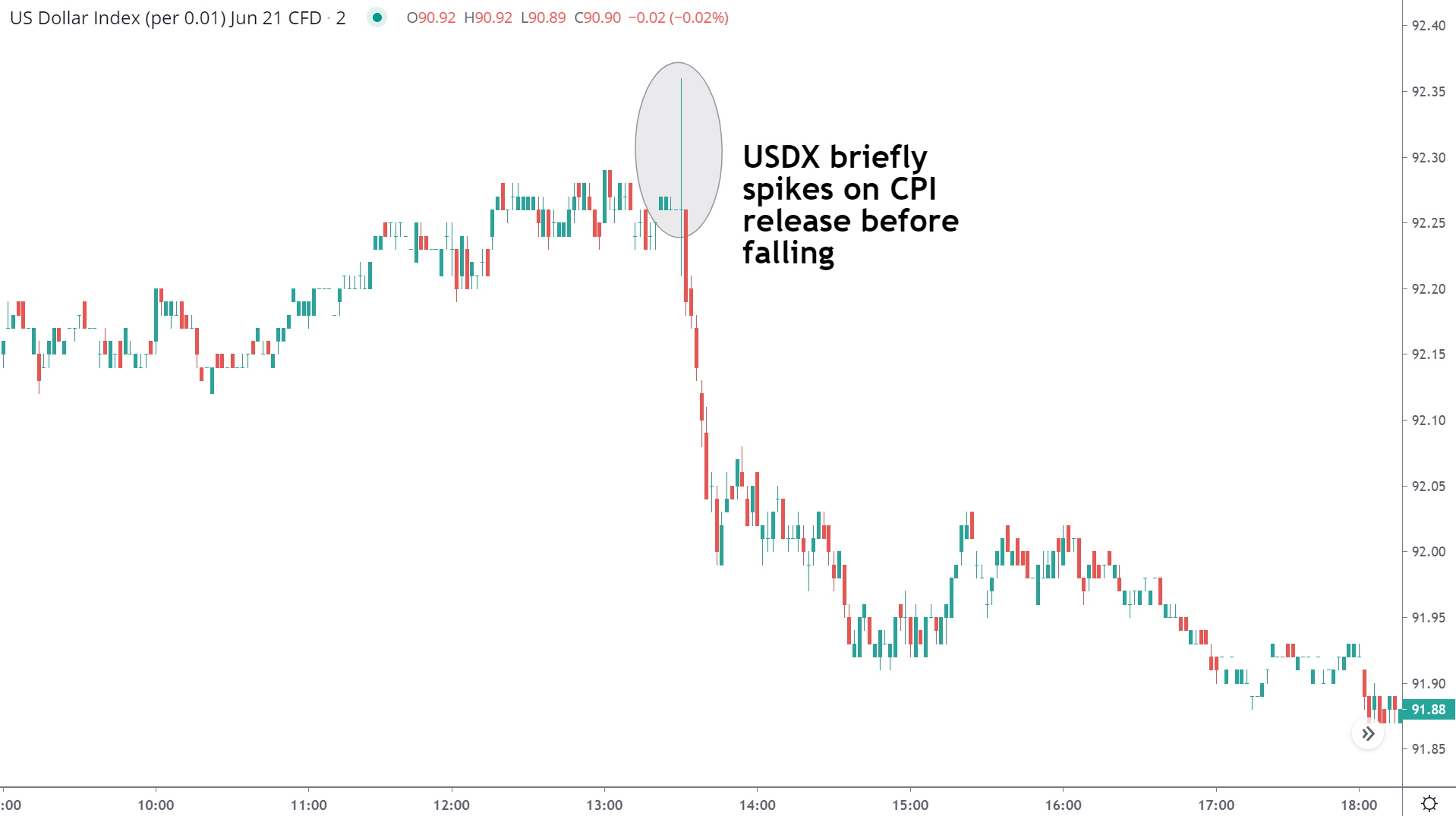
This separation matters in forex because headline CPI grabs headlines and sparks initial volatility in pairs like EUR/USD, while core CPI influences longer holds. For instance, if headline CPI spikes from gasoline prices but core remains steady, markets might dismiss it as temporary, stabilizing the USD.
Why does this distinction help savvy investors? It allows filtering noise for better entries. Data from the Bureau of Labor Statistics shows core CPI aligning closer with Fed targets, making it a go-to for interest rate bets.
Beyond volatility exclusion, core CPI uses the same weighting but ignores items like fresh produce or heating oil.
- Provides a stable gauge of persistent inflation pressures
- Guides central bank decisions more reliably than headline figures
- Reduces false signals in high-volatility environments like commodity booms
How Does CPI Differ from PPI in Forex Trading?
CPI gauges what consumers pay at checkout, capturing end-stage inflation after production and distribution markups. PPI, by contrast, monitors wholesale prices producers charge, often signaling cost pressures before they hit retail shelves. In forex, this lag means PPI leads CPI by months, letting traders front-run USD strength on rising producer costs.
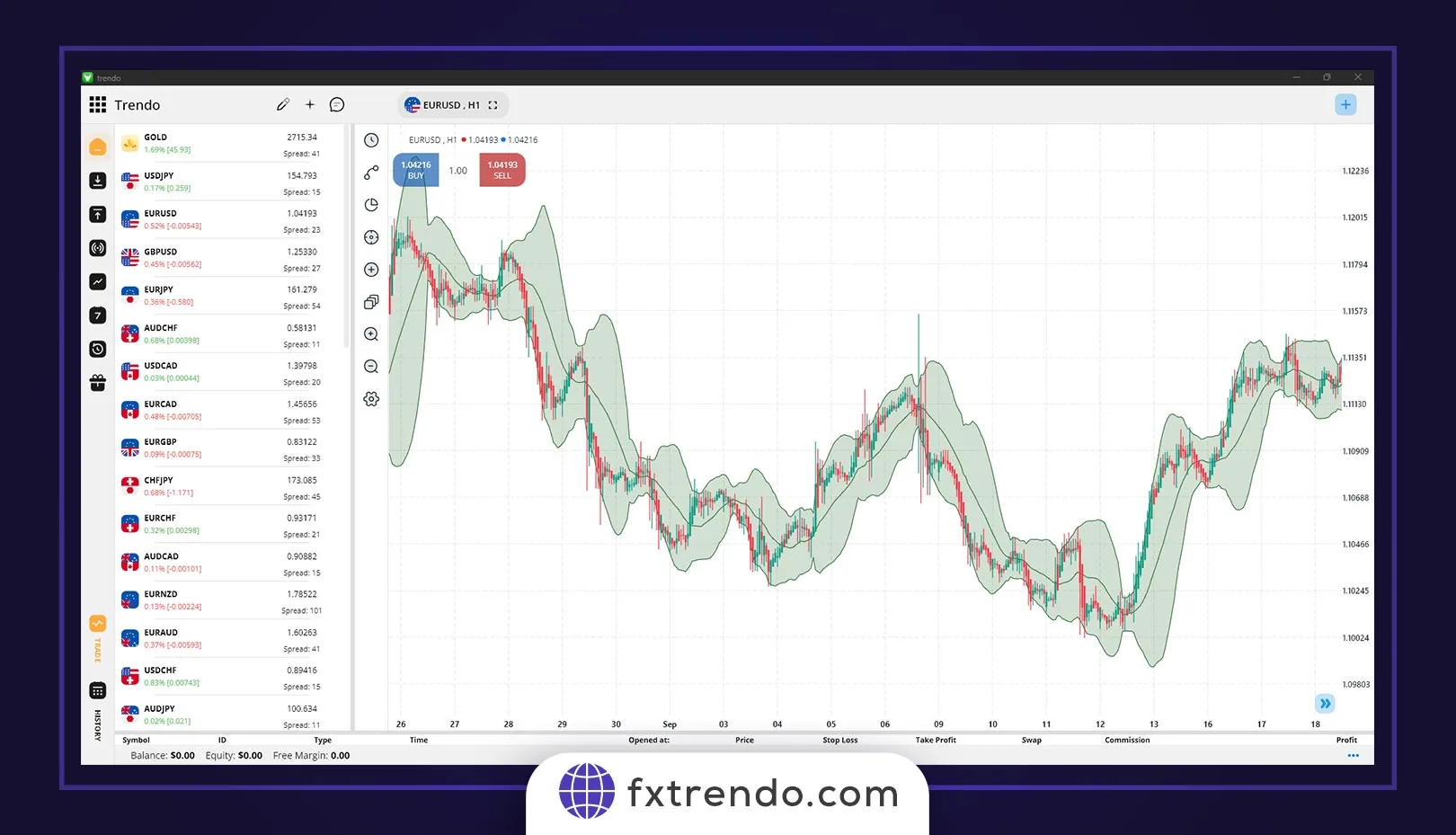
Consider USD/JPY: A hot PPI print might hint at Japanese exporters facing higher input costs, weakening JPY early, while CPI confirms consumer pain later, amplifying moves. Historical pairs data reveals PPI surprises correlating with 0.5-1% pip shifts in majors, versus CPI’s 1-2% bursts.
Traders watch PPI for early warnings on import/export dynamics, especially in commodity-tied currencies. PCE, another peer, uses expenditure surveys for a broader view but lags CPI in release timing.
PPI’s focus upstream creates predictive edges over CPI’s reactive nature.
- PPI rises first, offering lead indicators for currency pairs
- CPI reflects broader demand, driving sustained forex trends
- Divergences between them signal supply chain breakdowns affecting pairs like AUD/USD
What Role Do CPI Revisions Play in Rare Forex Scenarios?
CPI revisions occur when initial estimates get updated with fresher data, sometimes months later, catching markets off-guard in quiet periods. These tweaks, rare but potent, ignite secondary volatility waves as algos and funds readjust positions. Picture a downward revision signaling weaker inflation than thought, prompting Fed cut bets and USD selloffs.
Past events, like the 2015 U.S. CPI downward adjustment, triggered 100-pip EUR/USD rallies mid-week. In low-volume sessions, revisions amplify because liquidity thins, turning minor changes into major swings.
Forex traders overlook them at peril, yet positioning ahead via economic calendars pays off. Revisions average 0.1-0.3% but spike during recessions, per BLS records.
You’ll ask, how rare are big surprises? About 20% exceed expectations by 0.2%, enough for 50-pip moves in GBP/USD.
- Create unexpected volatility in post-news lulls
- Force repricing of rate expectations across majors
- Heighten risks for leveraged positions in thin markets
Can Expert Advisors Automate CPI Volatility Strategies?
Yes, expert advisors from the Forex Expert Advisor Store automate CPI trades by scanning releases, filtering core versus headline, and executing on predefined volatility thresholds. These EAs backtest against historical CPI events, optimizing for pairs like USD/CAD where oil ties amplify impacts.
Setup involves inputting risk parameters, such as avoiding trades if PPI diverges sharply, ensuring alignment with broader inflation signals. Backtests on tools like the CPI Volatility EA show 65% win rates during high-impact releases, capturing 20-50 pip averages while dodging whipsaws.
Manual traders struggle with reaction speed, but EAs deploy grid or breakout logic post-release, scaling in on confirmations. Users report consistent edges by blending CPI with PPI/PCE filters.
Rhetorically, why not automate? Human bias fades, letting algorithms exploit micro-patterns like revision risks.
- Parse CPI, core CPI, and peers for multi-indicator confirmation
- Backtested on store EAs for event-specific performance
- Manage drawdowns via news filters and position sizing
