
Research
12 Best Course Creation Platforms to Build & Sell Online Courses in 2025

Dec
The 12 best course creation platforms in 2025 are Thinkific, Teachable, Kajabi, LearnWorlds, Podia, Mighty Networks, Kartra, New Zenler, MemberPress, SamCart, Graphy, and Skillshare, ranked by user ratings, features, and updates for building and selling courses. These platforms handle everything from course design to student payments, making it simple for creators to launch profitable online schools. Thinkific leads with unlimited courses and students on all plans, while Teachable offers strong marketing tools. Kajabi stands out for its all-in-one marketing automation.
Thinkific suits beginners with its free plan and drag-and-drop builder, letting you start without upfront costs. You get unlimited hosting and basic selling features right away, which helps test ideas before scaling. Platforms like this remove technical barriers, so you focus on content creation.
Kajabi provides the most advanced tools for established creators aiming to grow revenue streams. Features like email sequences and sales funnels turn one-time buyers into repeat customers. Podia keeps things straightforward for those who want quick setup without complexity.
Many creators struggle with scattered tools like WordPress plugins or video hosts, leading to lost sales. These platforms solve that by bundling hosting, payments, and marketing. Let’s break down what makes them work, starting with their basics.
What Are Course Creation Platforms?
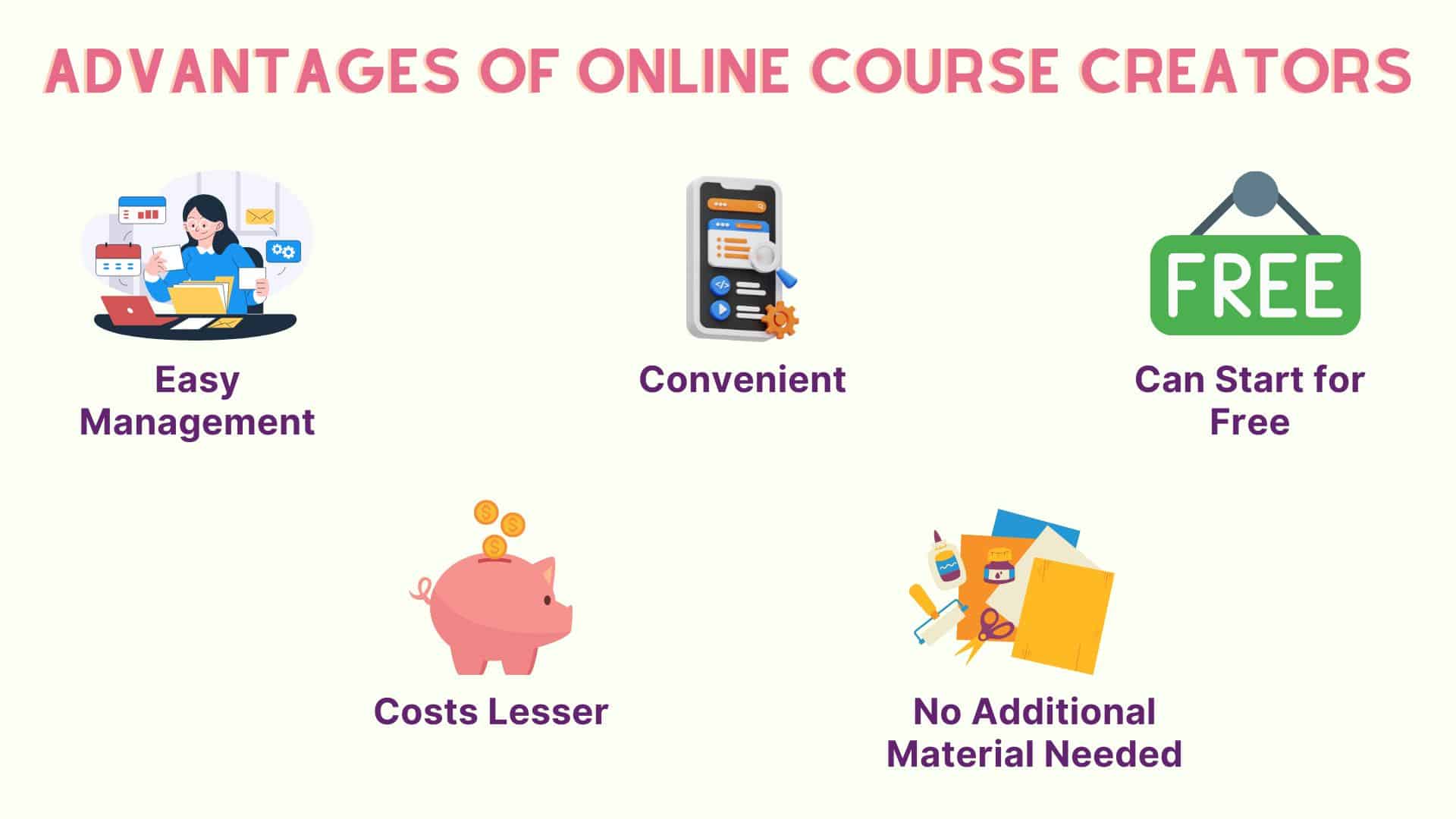
Course creation platforms are all-in-one software tools that let you design, host, and sell online courses without coding skills. They combine course building with payment processing and student management in one dashboard.
Specifically, these platforms make it easy to turn your knowledge into income. You start with a drag-and-drop builder to organize lessons. Add videos, PDFs, or audio files through multimedia embedding. Quizzes test student progress, and certificates reward completions.

Why Choose a Dedicated Platform for Building and Selling Courses in 2025?
Dedicated platforms offer scalability through unlimited storage and student limits on most plans. Revenue tools like one-click upsells boost earnings by 20-30% on average, per user reports from G2. No-coding setups mean you launch in days, not months. For creators with transactional goals, this quick start delivers value. You avoid piecing together tools like Zoom for live sessions or Stripe for payments separately.

For example, scalability grows with your audience. Thinkific handles thousands of students without extra fees. Revenue features include coupon codes and subscriptions. Beginners appreciate the intuitive interfaces that guide you step-by-step.
What Makes These Platforms Essential for Online Course Creators?
Unlimited hosting keeps costs predictable as your course library expands. Student management tracks enrollments, progress, and engagement in one view. Analytics dashboards show drop-off rates and revenue per course, helping refine content. These tie into trends where course sales hit $10 billion yearly, according to industry reports from Capterra.
You’ll notice how dashboards reveal top-performing lessons. Communities add forums for interaction, increasing retention. Mobile apps let students learn on the go. For monetization, built-in affiliates encourage word-of-mouth growth. Platforms like these position you as an authority by streamlining operations.
Root attributes shine in daily use. Drag-and-drop means no design degree needed. Embed quizzes to boost completion rates by 15%, based on platform benchmarks. Certificates build trust and encourage shares. In 2025, AI tools on some platforms suggest content improvements, saving hours of editing.
What if you could track every student’s journey? These tools do that. Payment splits for affiliates automate payouts. Custom branding with domains feels professional. Support teams answer queries fast, often via chat. Over time, you build a sustainable business, not just a course.
What Key Features Define the Best Course Creation Platforms?
The best course creation platforms feature ease of use with drag-and-drop builders, transparent pricing from $0-$199 monthly, integrations for email and payments, mobile-responsive designs, and 24/7 customer support. These criteria rank the top 12 based on G2 scores above 4.5 and 2025 feature updates.
Here’s the breakdown of what sets winners apart. Ease of use means intuitive interfaces where you drag modules like video or text into place. Pricing transparency lists all fees upfront, avoiding surprises. Integrations connect to tools like Mailchimp for emails or Stripe for payments, expanding functionality.
How Do Pricing and Plans Compare Across Top Platforms?
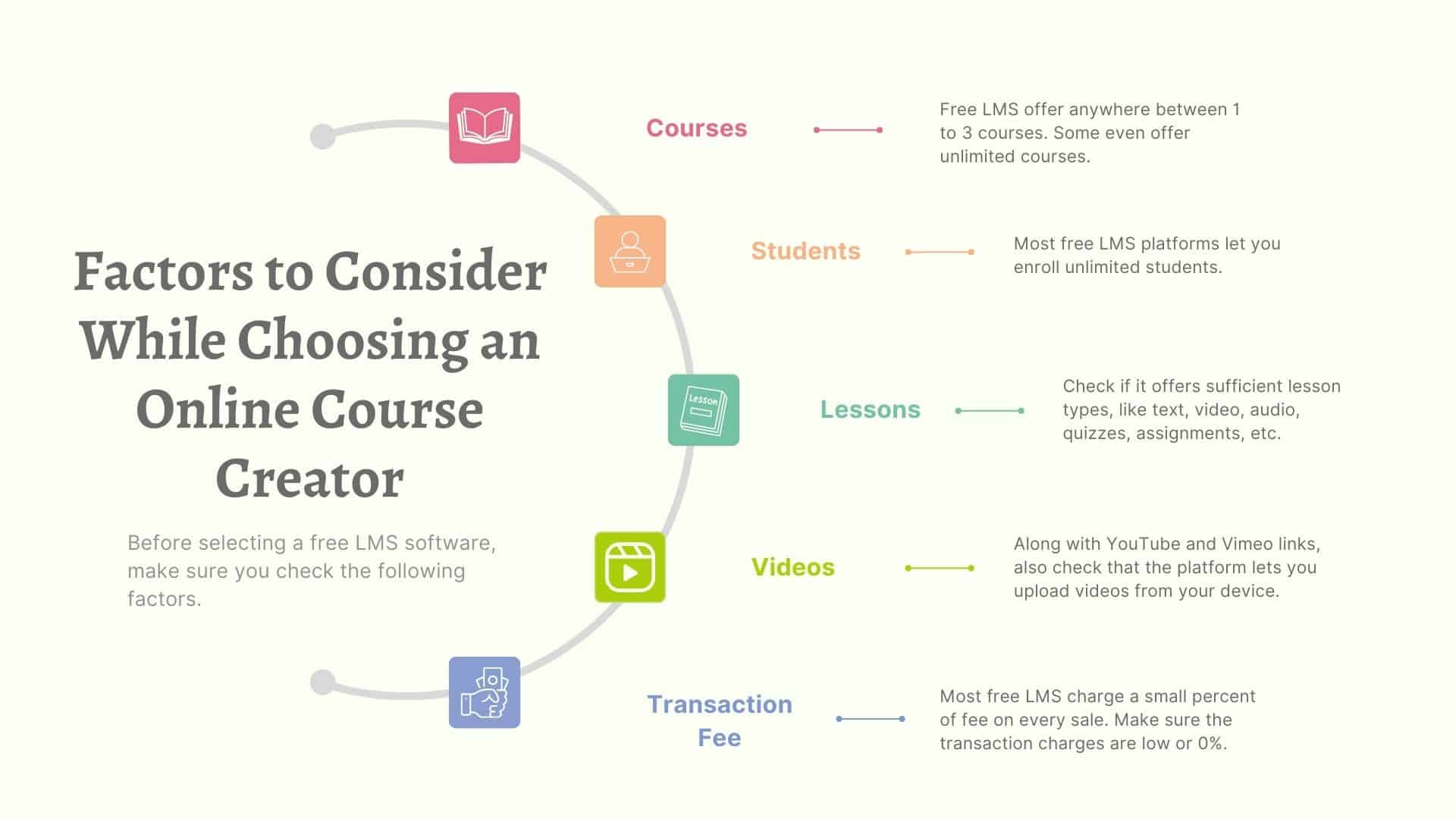
Pricing spans free tiers on Thinkific and Podia to premium at $199 on Kajabi. Monthly subscriptions range $29-$119 for mid-tier plans, with transaction fees from 0% on LearnWorlds to 5% on Teachable’s basic plan. Budget creators pick free starts, while pros choose annual discounts saving 20%.
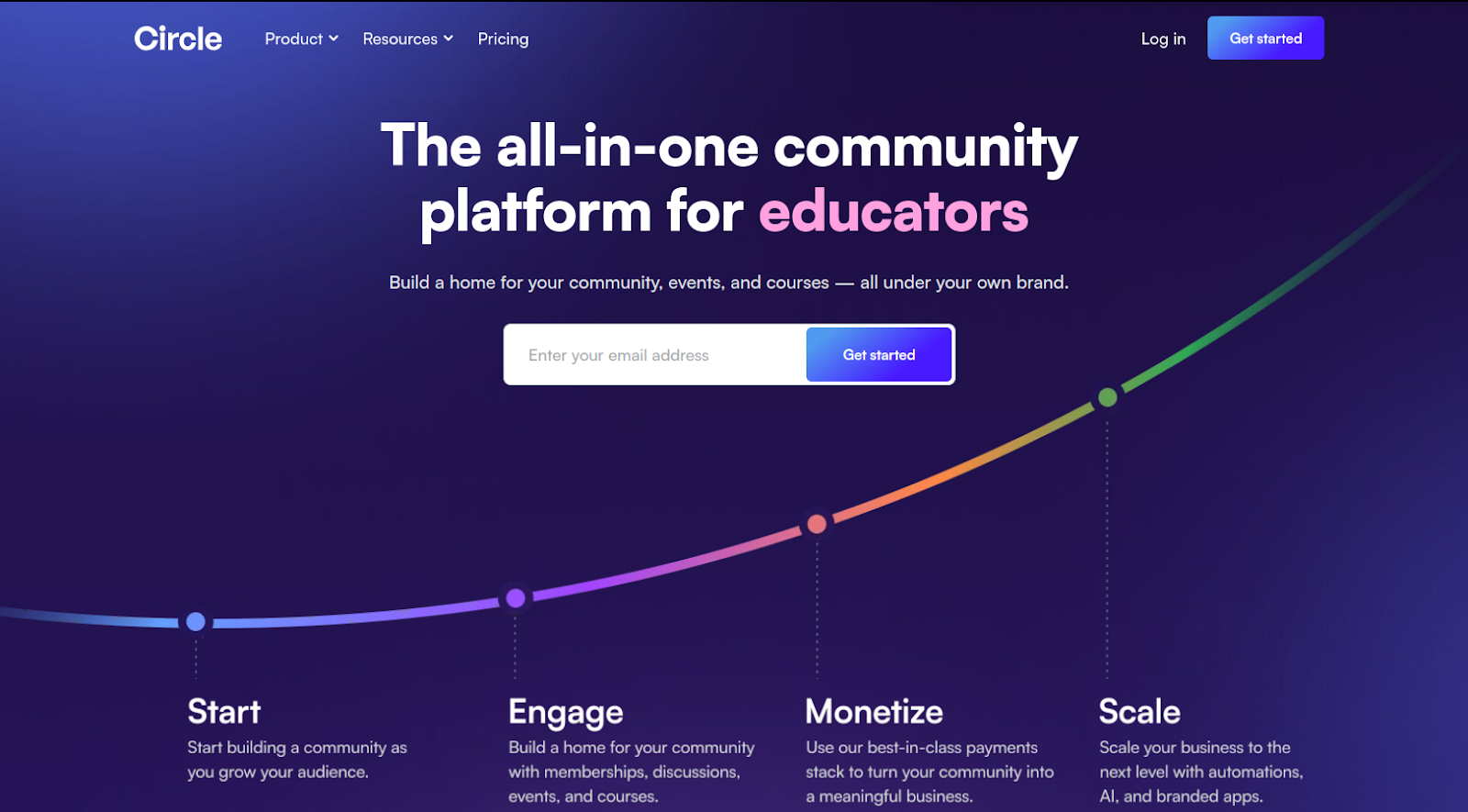
Pros of low-cost plans include unlimited courses on Thinkific’s free tier. Cons involve branded domains or limited support. For instance, Teachable’s $39 plan adds custom domains but charges 5% fees. Kajabi’s $149 skips fees but demands commitment. New Zenler offers $67 all-in-one without transactions.
Compare via this table:
| Platform | Starter Price | Transaction Fee | Best For |
|---|---|---|---|
| Thinkific | $0 | 0% | Beginners |
| Teachable | $39/mo | 5% | Marketers |
| Kajabi | $149/mo | 0% | Advanced users |
| Podia | $39/mo | 8% | Simple setups |
This setup helps you match budget to needs. Free plans test waters, paid ones unlock sales funnels.
What Core Building and Selling Tools Should You Expect?
Core tools include drag-and-drop builders for lessons, drip scheduling to release content over time, Stripe/PayPal gateways for instant payments, and upsell funnels for add-ons. Checklists confirm: builder for structure, drips for engagement, payments for revenue, upsells for growth.

Builders let you mix multimedia seamlessly. Drip content paces learning, reducing refunds. Gateways support global currencies. Upsells appear post-purchase, lifting average order value. For example, Kajabi’s pipelines automate this flow.
Expect quizzes with auto-grading, forums for Q&A, and analytics for insights. Mobile responsiveness ensures lessons work on phones. Integrations like Zapier connect CRMs. These tools directly support building and selling, with checklists like:
1. Outline course structure.
2. Upload assets.
3. Set pricing and drips.
4. Launch with payment links.
Platforms evolve with AI for transcripts or personalization in 2025.
What Are the 12 Best Course Creation Platforms in 2025?
The 12 best platforms are Thinkific (#1, 4.7/5 G2), Teachable (#2, 4.5/5), Kajabi (#3, 4.6/5), LearnWorlds (#4, 4.8/5), Podia (#5, 4.4/5), Mighty Networks (#6, 4.6/5), Kartra (#7, 4.3/5), New Zenler (#8, 4.5/5), MemberPress (#9, 4.4/5), SamCart (#10, 4.2/5), Graphy (#11, 4.3/5), and Skillshare (#12, 4.1/5), ranked by ratings, unlimited features, and 2025 AI updates. Each excels in specific areas for creators.
Let’s explore details on each, starting with in-depth looks at the top three.
Detailed Reviews of the Top Platforms (Thinkific, Teachable, Kajabi)?
Thinkific tops lists with unlimited courses/students, free plan, and custom domains from $49/month. Pros: Intuitive builder, 0% fees on paid plans, strong analytics. Cons: Advanced marketing needs Zapier. Ideal for beginners (4.7/5 Capterra). 2025 updates add AI lesson generators.
Teachable shines in marketing with upsells and affiliates ($39/month). Unlimited students, quizzes, certificates. Pros: Easy coupons, EU VAT handling. Cons: 5% fee on basic. For marketers (4.5/5 G2).
Kajabi offers all-in-one with funnels, email, websites ($149/month). Pros: No fees, pipelines, communities. Cons: Higher price. Power users love it (4.6/5).
Comparison table:
| Feature | Thinkific | Teachable | Kajabi |
|---|---|---|---|
| Starting Price | $0 | $39 | $149 |
| Transaction Fee | 0% | 5% | 0% |
| Unlimited Students | Yes | Yes | Yes |
| Built-in Email | No | Basic | Yes |
Thinkific suits testing ideas. Teachable grows sales. Kajabi scales businesses.
Quick Overviews of Platforms 4–12 (Podia, LearnWorlds, Mighty Networks, etc.)?
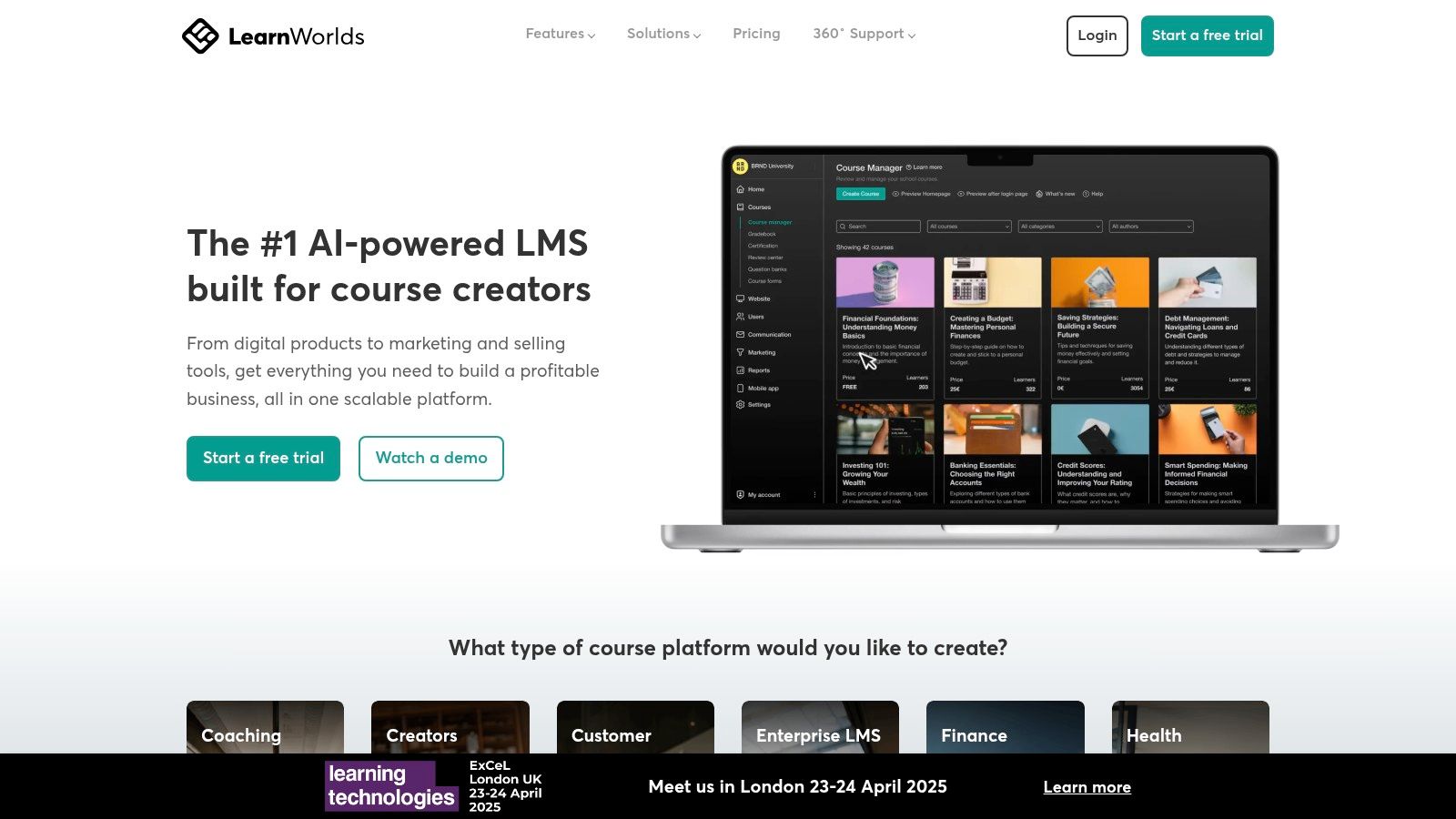
LearnWorlds (#4) excels in interactive videos and white-label apps ($24/month, 4.8/5). Pros: Quizzes, ebooks, mobile app. Cons: Steeper learning. For engagement-focused creators.
Podia (#5, $39/month, 4.4/5) simplifies with bundles, webinars. Pros: No fees on top plan, email tool. Cons: Limited quizzes. Beginners pick it for speed.
Mighty Networks (#6, $39/month, 4.6/5) builds communities with courses. Pros: Live events, chats. Cons: Less course focus. Community builders choose it.
Kartra (#7, $99/month, 4.3/5) includes CRM, pages. Pros: Funnels, video hosting. Cons: Overkill for simple courses.
New Zenler (#8, $67/month, 4.5/5) packs funnels, live classes. Pros: Unlimited everything, assessments. Cons: Interface busy.
MemberPress (#9, $179/year, 4.4/5) WordPress plugin for memberships. Pros: Flexible, drips. Cons: Needs hosting.
SamCart (#10, $59/month, 4.2/5) focuses on checkouts with courses. Pros: Upsells, cards. Cons: Basic builder.
Graphy (#11, custom pricing, 4.3/5) app-based for India market. Pros: White-label, live. Cons: Regional.
Skillshare (#12, royalty-based, 4.1/5) marketplace style. Pros: Exposure. Cons: No ownership.
These cover all needs, from simple to advanced. Match to your goals for best results.
Advanced Features and Niche Considerations for Power Users
Platforms like LearnWorlds, Kajabi, and Mighty Networks stand out for power users with AI tools, white-labeling, advanced analytics, and community features that support long-term scalability and unique revenue models.
Furthermore, these attributes help creators differentiate in competitive markets by addressing niche needs beyond basic course hosting.
Which Platforms Offer AI-Powered Course Creation Tools?
LearnWorlds leads with AI script generators and auto-quiz builders, while Kajabi integrates emerging AI updates for 2025 content outlines.

These tools automate repetitive tasks, allowing tech-savvy creators to produce high-quality courses faster than manual methods. For instance, LearnWorlds’ AI generates video scripts from outlines and suggests interactive quizzes based on content themes, reducing creation time by up to 50% according to user reports on G2. Kajabi’s beta AI features focus on personalized learning paths, contrasting with basic drag-and-drop builders in platforms like Teachable, which lack automation depth.
Power users gain an edge by leveraging these for rapid prototyping.
- AI in LearnWorlds handles multilingual translations automatically, ideal for global audiences.
- Thinkific offers limited AI quizzes, but lacks script generation compared to LearnWorlds.
- Emerging 2025 updates in Podia include basic AI summaries, yet fall short of full builders.
How Do White-Label and Custom Branding Options Differ?
Kajabi provides full white-labeling without platform logos, unlike partial custom domains in Teachable or Thinkific.
White-labeling lets agencies resell courses under their brand, removing all host traces for a seamless client experience. Kajabi excels here with complete domain control, custom emails, and no footer branding, perfect for resellers. In contrast, Teachable allows custom domains but retains subtle logos, limiting agency use. Thinkific offers advanced CSS tweaks yet stops short of full rebranding. This distinction matters for micro-niches like coaching firms seeking professional polish.
Agencies prioritize full control to build trust.
- Kajabi’s white-label includes custom mobile apps, absent in most competitors.
- Podia supports basic branding but shows platform elements in communities.
- LearnWorlds offers strong customization, though not as logo-free as Kajabi.
What Advanced Analytics and Student Engagement Tools Are Available?
Mighty Networks shines with predictive dropout analytics and gamification like badges and leaderboards, while Kajabi adds heatmaps for engagement tracking.

These tools go beyond basic completion rates, using data to boost retention at enterprise levels. Mighty Networks predicts dropouts via machine learning on behavior patterns, enabling targeted interventions. Gamification elements foster competition, increasing completion by 30% per internal studies. Kajabi’s analytics include cohort performance and A/B testing for emails, differing from Thinkific’s simpler dashboards. Power users apply this for data-driven optimizations.
Retention strategies rely on these insights.
- Mighty Networks integrates leaderboards with forums for social proof.
- LearnWorlds tracks video drop-off points precisely, unlike generic metrics elsewhere.
- Teachable lacks prediction models, focusing on sales data only.
Which Platforms Support Memberships, Communities, or Lifetime Deals?
Podia bundles memberships with one-click upsells, Mighty Networks excels in community forums, and select 2025 promos from Kajabi offer lifetime access tiers.

These features shift from one-off sales to recurring revenue, suiting creators building loyal audiences. Podia’s memberships include drip content and bundles, contrasting single-course focus in Teachable. Mighty Networks builds vibrant communities with discussions and events, driving 40% higher engagement per user feedback. Lifetime deals, rare in 2025, appear in Kajabi promos for early adopters, antonym to subscription-only models. This supports diverse monetization.
Recurring models demand robust support.
- Podia automates tiered access without extra plugins.
- Thinkific adds memberships via apps, less native than Podia.
- LearnWorlds integrates chats but trails Mighty Networks in forum depth.
How Do These Platforms Handle Emerging Trends Like Mobile Apps or Integrations?
Kajabi and LearnWorlds provide native mobile app builders, with Mighty Networks supporting Web3 NFT certificates and advanced Zapier flows.
Future-proofing involves seamless mobile access and cutting-edge integrations for visionary creators. Kajabi’s app builder creates branded iOS/Android apps without coding, outperforming web wrappers in Teachable. LearnWorlds adds push notifications for retention. Web3 features in Mighty Networks issue NFT certs for verifiable achievements, appealing to tech-forward niches. Zapier advanced tiers connect to 5000+ apps, enabling custom workflows like CRM syncs. These address scalability queries.
Visionary setups require forward-thinking tools.
- Podia offers progressive web apps, not native like Kajabi.
- Thinkific relies on third-party builders, increasing costs.
- Emerging trends favor platforms with open APIs for custom blockchain ties.
