
Research
Understanding Latency (Ping) in Algo Trading: The Speed Edge You Need
Dec
Latency, often measured as ping, is the round-trip delay in data transmission between your trading system and the exchange, and in algo trading, even microseconds of low latency provide a massive speed edge over competitors. This delay determines if your orders execute first in fast markets. Traders who cut latency gain better fills and higher profits. In high-frequency trading, firms spend millions on proximity to exchanges to shave off delays.
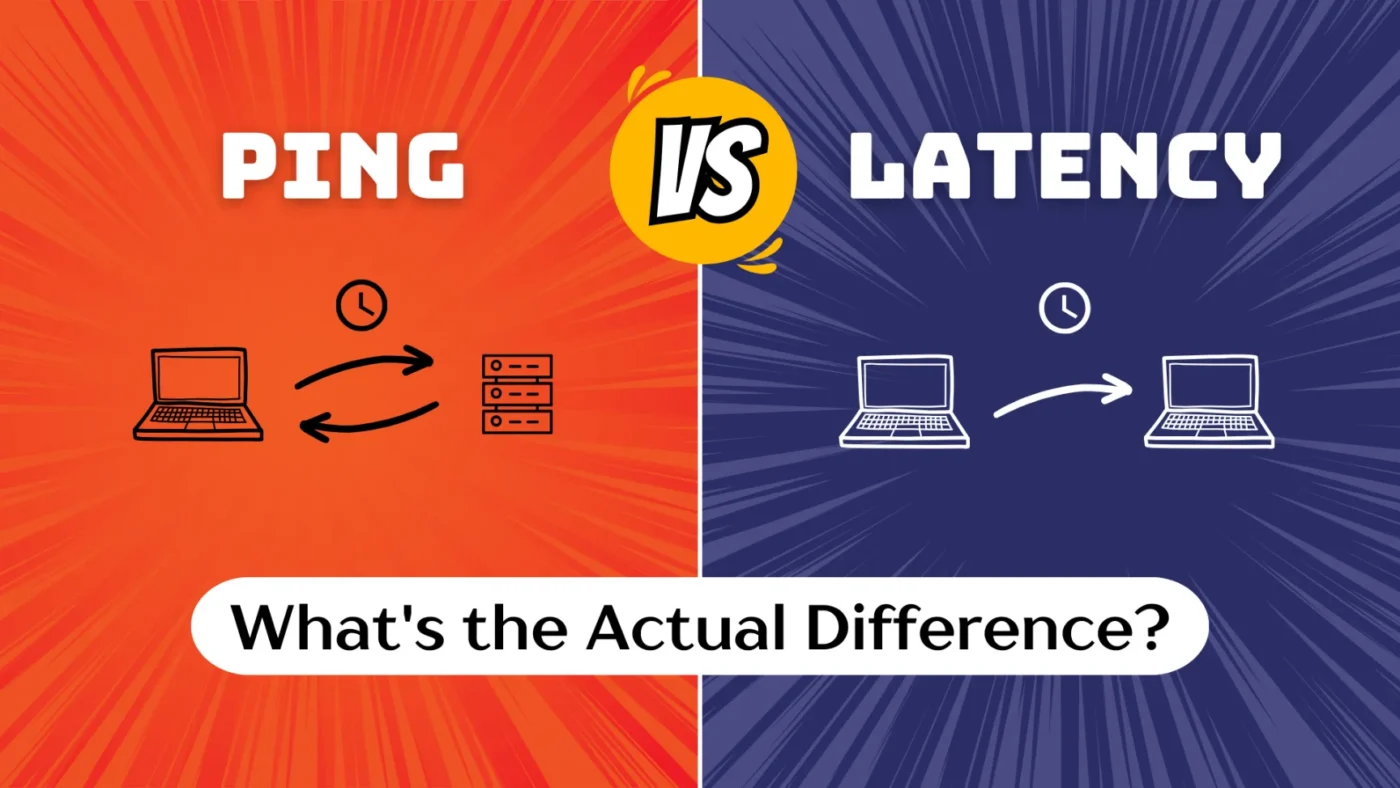
Ping specifically refers to the round-trip time (RTT) for a data packet to travel to the exchange and back, serving as a key metric for overall latency in trading setups. You test it with simple tools to check network health. Low ping means quicker responses, which matters in volatile sessions.
High latency directly hurts performance by causing slippage and missed trades, while low latency unlocks opportunities like arbitrage that vanish in milliseconds. Speed lets you front-run slower players. Firms with optimized setups capture edges others lose.
Now that you see why latency defines winners in algo trading, let’s break it down step by step. You’ll learn what it means, what causes delays, its profit impact, and how to measure it yourself.
What Is Latency (Ping) in Algorithmic Trading?
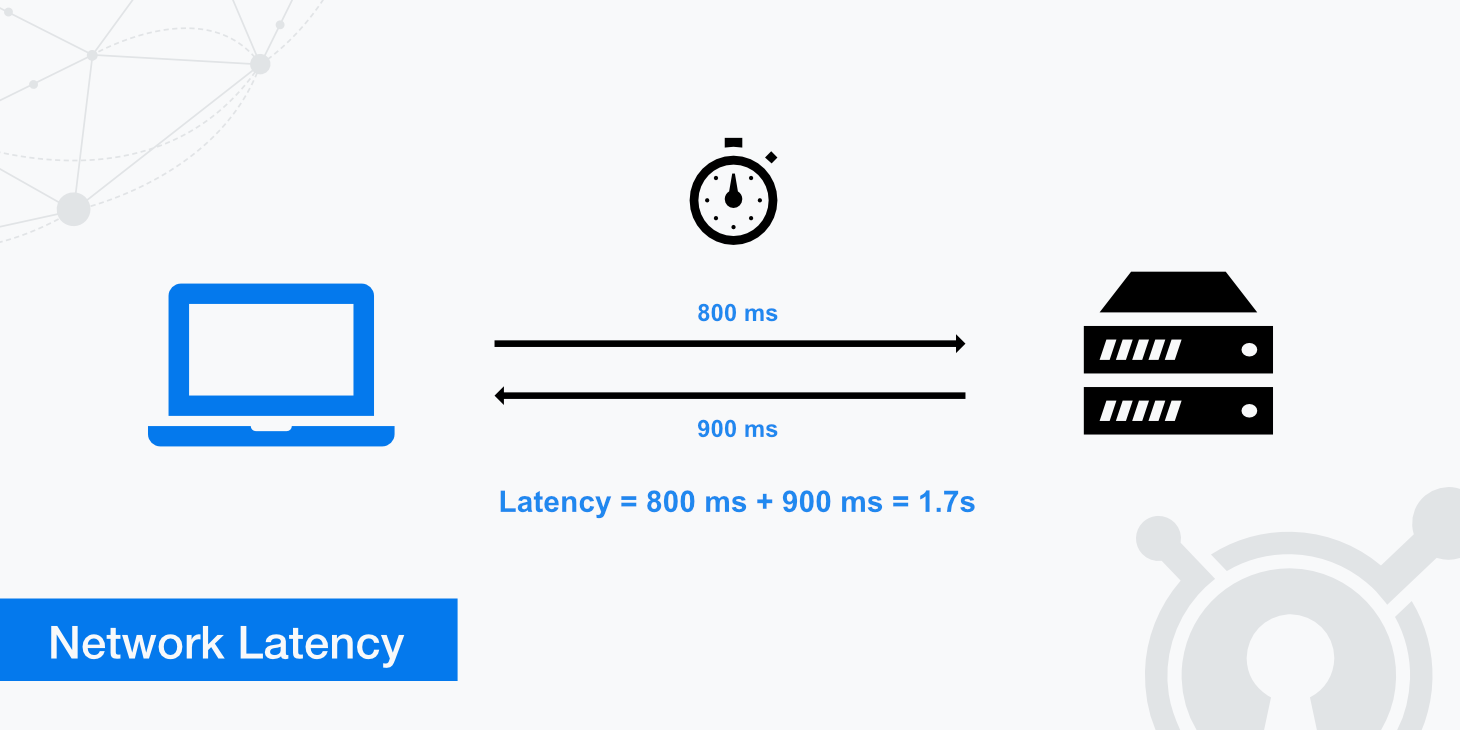
Latency is the time delay for data to travel between trading systems and exchanges, with ping measuring the round-trip time (RTT) from send to receive. To understand this better, think of it as the lag in a high-stakes race where every millisecond counts.
Latency breaks into root parts like network propagation delay, which is the pure travel time for signals over fiber or microwave, and processing delay, where hardware and software handle the data. Propagation delay depends on distance, light speed in cables (about 200,000 km/s), and path efficiency. For example, New York to Chicago adds 4-5 milliseconds one way due to physics. Processing delay happens at routers, servers, or your algo code parsing market data.

In algo trading, total latency spans the full pipeline: from market data feed to order acknowledgment. Ping tests this RTT simply, like sending an ICMP packet to an exchange gateway. A good ping under 100 microseconds to a local exchange means you’re competitive. Why does this matter? Slow latency lets faster traders snatch quotes first.
You’ll notice propagation often dominates long distances, but local setups fight processing lags. Firms use direct market access (DMA) to minimize hops. Basic ping tools reveal baseline RTT, but real trading ping includes payload like order sizes.
Root attributes tie back to basics. Network propagation is unavoidable physics, fixed by location. Processing delay shrinks with better tech, like FPGAs over CPUs. Together, they form the latency chain you must optimize.
Is Latency the Same as Ping in Trading Contexts?
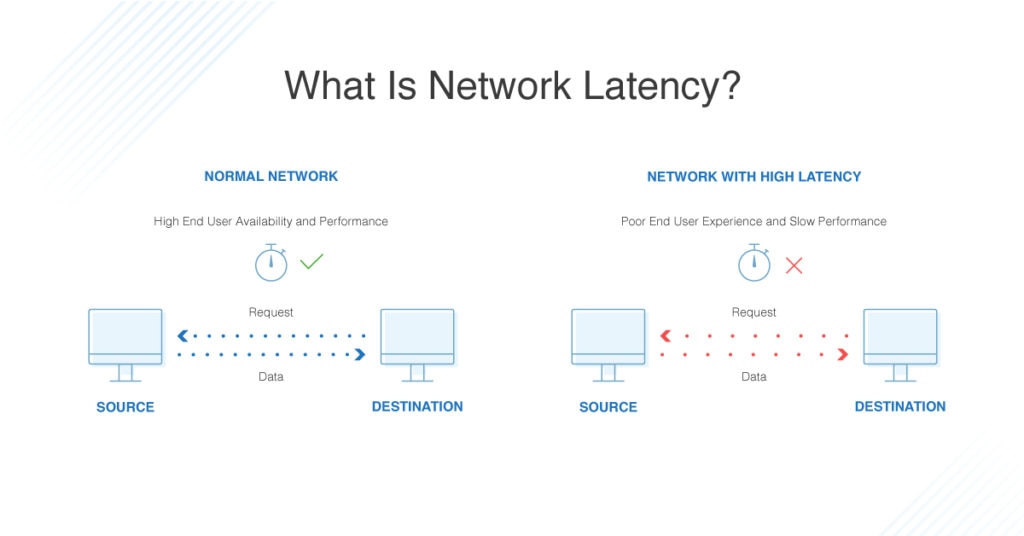
Yes, latency and ping refer to the same core concept in trading, as ping measures round-trip latency with at least three reasons: simplicity, standardization, and direct relevance to order flow. Ping captures RTT, the key delay for confirmations.
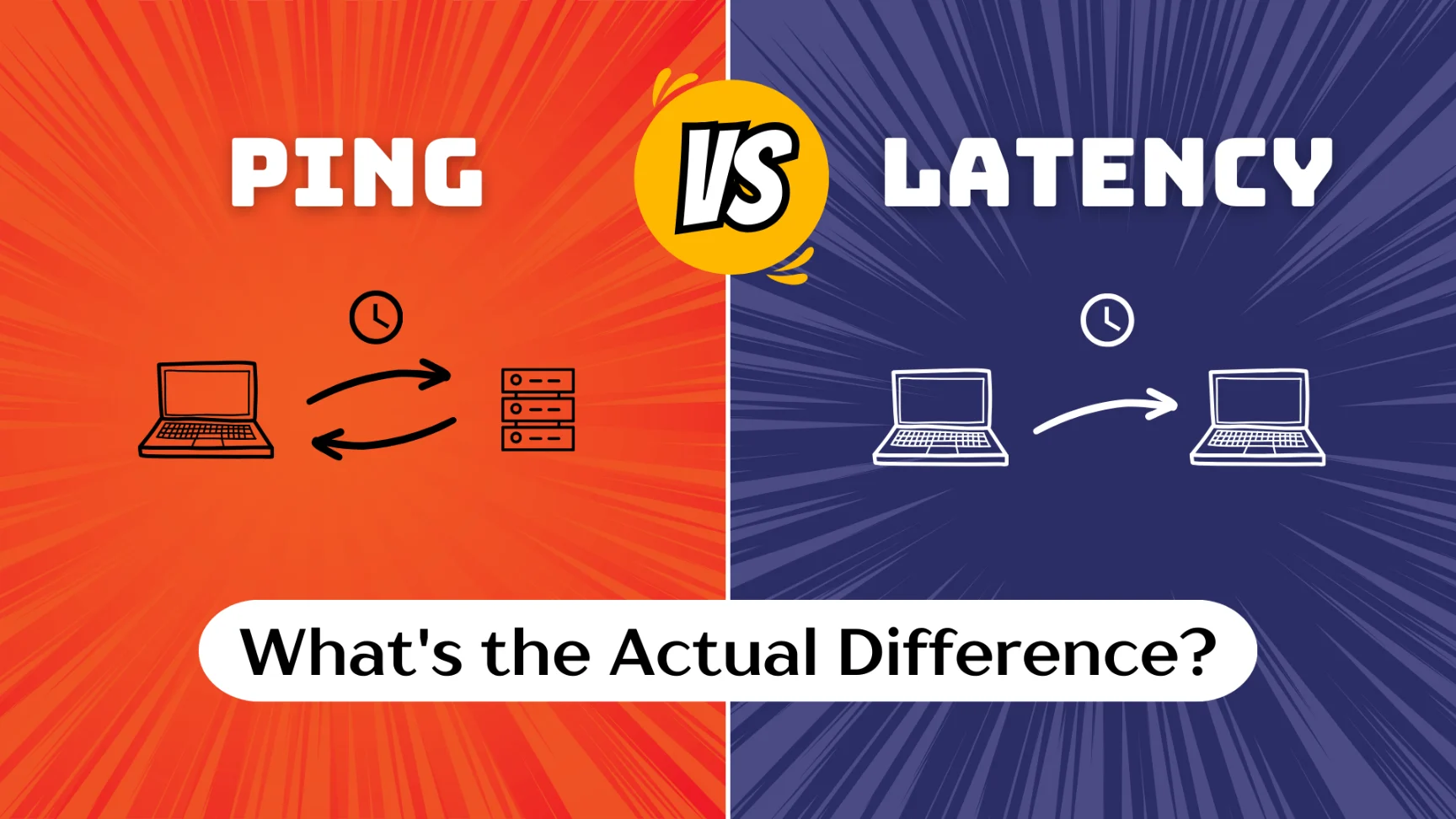
Specifically, ping uses lightweight packets to test network paths without heavy processing. This mirrors trading signals bouncing back. For instance, a 50-microsecond ping signals low latency, matching HFT needs. Traders rely on it because exchanges like CME publish gateway pings for fairness.
Ping equals latency here since trading pipelines demand quick RTT for ticks to trades. Differences arise in loaded conditions, where full orders add serialization, but baseline ping sets the bar. Benefits include easy benchmarking, like comparing colocation pings.
Data from Nanex shows pings under 10 microseconds win in quote stuffing scenarios. This equivalence helps you spot issues fast.
How Does Latency Work in High-Frequency Trading (HFT)?
Latency in HFT follows a 5-step pipeline: data reception, processing, decision, order transmission, and acknowledgment, aiming for sub-microsecond totals. Here’s the breakdown.

Step 1: Market data arrives via multicast UDP. Propagation delay hits first, then NIC unpacks it. Step 2: Software or FPGA parses ticks, calculating signals. CPU delays spike here without kernel bypass like Solarflare. Step 3: Algo decides buy/sell in nanoseconds. Step 4: Order serializes and sends via TCP/UDP to exchange. Step 5: Exchange queues and confirms, adding variable delay.
For example, Jump Trading uses microwave links cutting 100 microseconds vs. fiber. Each step compounds: 1μs data delay plus 2μs processing equals slippage if rivals are faster.
In practice, HFT firms measure tick-to-trade latency end-to-end. Queues at exchanges like Nasdaq add bursts during volatility. Optimization skips OS layers with DPDK for 50% gains.
This pipeline shows why HFT chases arbitrary low latency, as races decide fills.
What Causes High Latency in Algo Trading Systems?
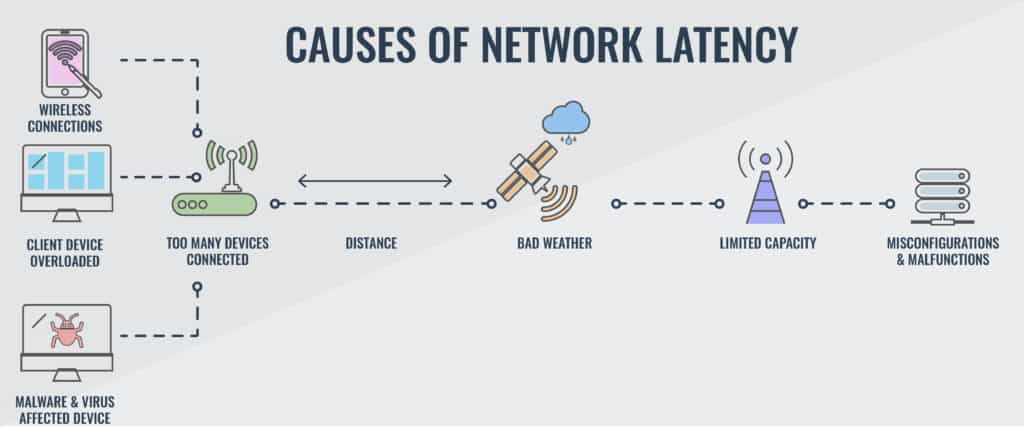
High latency stems from three grouped sources: physical network distance, hardware/software processing, and exchange queuing, each adding measurable delays. Let’s explore these in detail.
Physical latency comes from signal travel time. Fiber optics limit speed to two-thirds light speed, so 1,000 km adds 5 ms RTT. Microwave towers skip terrain for 30% faster paths, common in US equity routes.
Software delays hit when code loops or GC pauses in Java apps. Hardware like slow SSDs or shared CPUs queue tasks. Queuing builds at exchanges during order floods, like 2010 Flash Crash spikes.
Grouping helps: physical is fixed by colocation, software by lean C++ code, queuing by smart routing. Retail brokers add 10-50 ms via APIs, killing edges.
Network distance dominates inter-market arb, say Tokyo to London at 200 ms RTT. Hardware contributes via serialization: gigabit links buffer large packets 10-20 μs.
What Are the Primary Sources of Network Latency?
Primary network latency sources are propagation, serialization, and router delays, each with distinct mechanics. Propagation is distance over medium: fiber 5 μs/km, wireless faster but weather-hit.
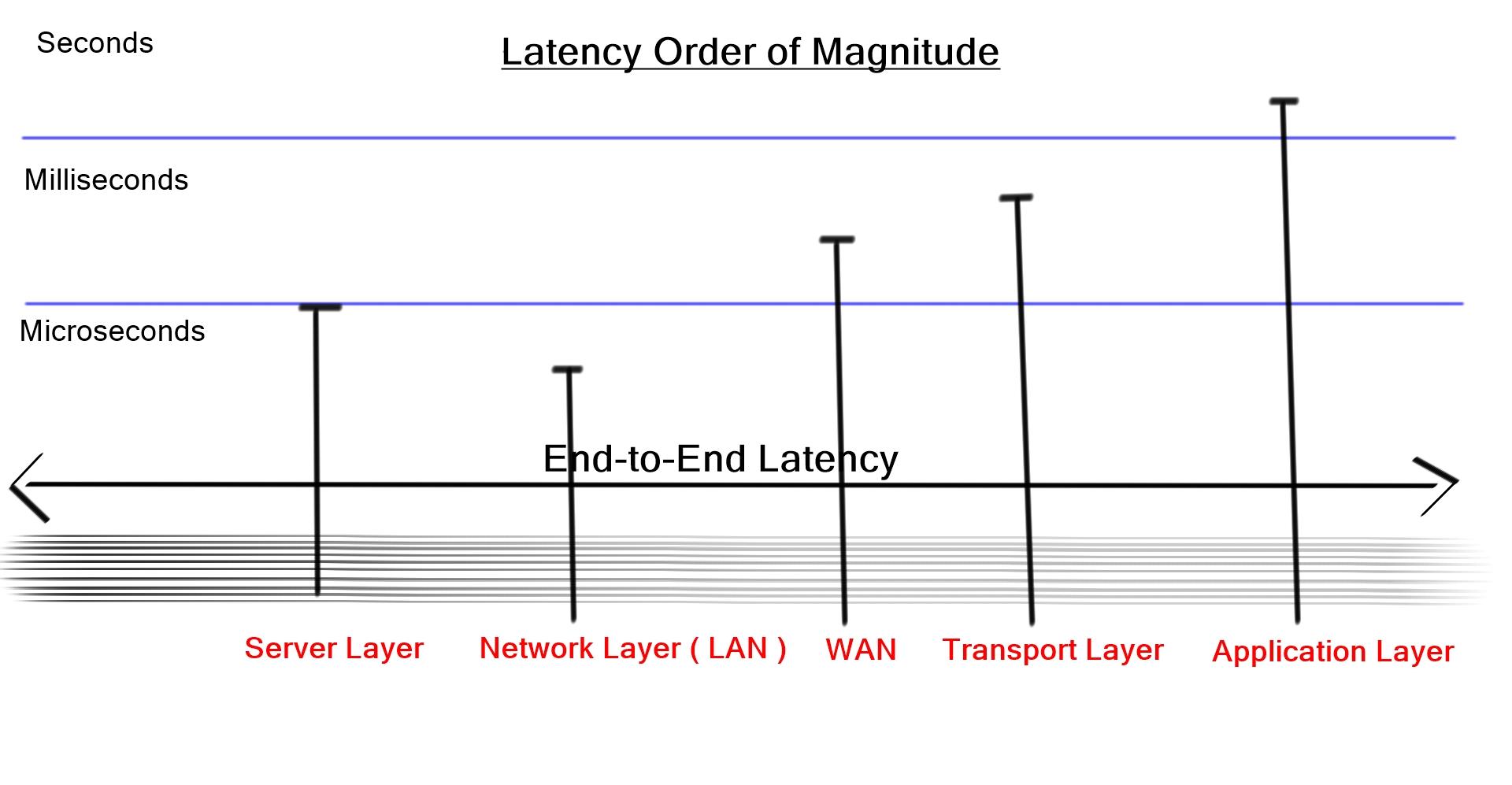
Serialization waits to push bits onto wire: 1 Gbps link takes 8 μs for 1 KB packet. Routers parse headers, queue packets, adding jitter up to 100 μs per hop. For instance, public internet routes hit 20+ hops, 50 ms total.
Minimize by leasing dark fiber or lasers. Evidence from Corvil monitoring shows router delays cause 40% of HFT variability.
Traceroute reveals hops: aim for under 5 to exchanges. These sources compound, turning 1 ms baseline to 10 ms in bad setups.
How Do Software and Hardware Contribute to Trading Latency?
Software adds variable delays from inefficient code, while hardware imposes fixed bottlenecks, with CPUs 10-100x slower than FPGAs for parsing. CPUs context-switch every 1-10 μs, bloating latency. Optimized hardware like Mellanox NICs with TOE offload cuts 50%.
Software in Python scripts hits 100 μs per tick parse vs. C++ at 1 μs. Garbage collection pauses add unpredictability. Hardware SSD reads lag 100 μs vs. RAM at 50 ns.
Compare: Intel Xeon processes 1M orders/sec with 5 μs latency; FPGA hits 10M/sec at 200 ns. Firms swap GPUs for inference, shaving 20%.
Data from Exegy shows hardware acceleration drops tail latency 90th percentile from 50 μs to 5 μs.
How Does Latency Impact Trading Performance and Profitability?
Latency slashes performance via slippage, missed trades, and alpha decay, giving low-latency traders a clear speed edge in competitive markets. In detail, even 100 μs lag costs fills at worse prices.
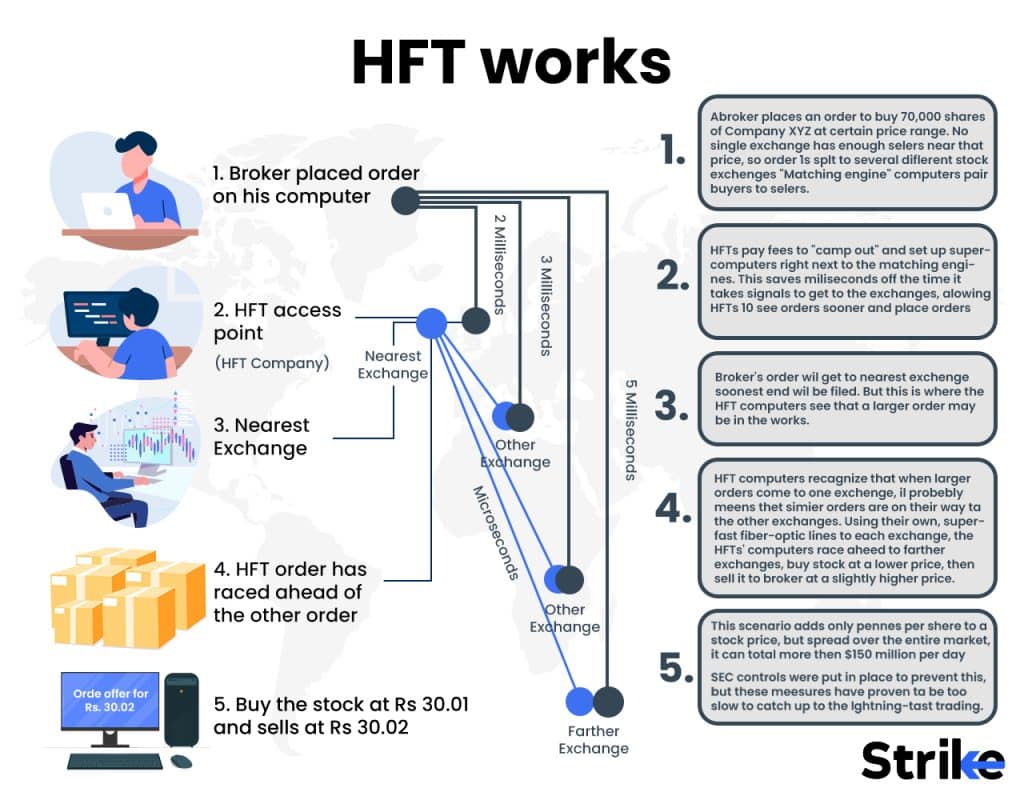
High latency means orders arrive late, executing at slipped levels. In arb, like ETF vs. basket, slow ping lets prices converge before you act. Missed opportunities pile up: HFT scans millions of pairs/sec, grabbing fleeting edges.
Profitability ties to speed. A 2016 TABB study found top HFT firms with <1 μs latency earn 2x returns. Slippage alone eats 0.1-1% per trade in liquid stocks.
Speed edge shines in auctions or news events. Slow algos watch fast ones sweep liquidity.
Does High Latency Lead to Lost Trades in Algo Strategies?
Yes, high latency causes lost trades in algo strategies with reasons like execution slippage, arb timeouts, and queue priority loss. Microsecond edges vanish.

Arbitrage fails classically: latency >50 μs misses cross-exchange spreads closing in 10 μs. Example: 2015 Citadel vs. slower bots lost $10M daily on tiny lags.
Slippage hits market orders post-news. Queue loss at CME pushes you back 100+ positions.
Benefits of low latency: consistent fills, lower adverse selection. Data from SEC shows HFT latency arbitrage captures 70% fleeting opps.
What Is the Relationship Between Latency and Market Efficiency?
Latency drives market efficiency by enabling faster price discovery, but high latency slows it with wider spreads and stale quotes. Quantitative alpha decays 50% per ms in HFT models.
:max_bytes(150000):strip_icc()/high-frequency-trading.asp-final-88956b5664b34a51936e613a61219b25.png)
Low latency tightens spreads: sub-μs quoting halves bid-ask from 2 to 1 tick. High latency leaves orphans, like 2010 where delays fueled crashes.
Alpha decay math: arb profit halves every 100 μs as signals fade. Studies from Aite show 1 ms edge boosts efficiency 20% via competition.
How Can You Measure Latency (Ping) in Algo Trading?
Measure latency with ping commands, traceroute, and tick-to-trade tools in three practical methods: basic network tests, packet capture, and full pipeline sims. To understand this better, start simple.
Ping tests RTT to gateways: `ping -i 0.1 cme-exchange.com` gives averages/jitter. Traceroute maps hops/delays. Specialized tools like Corvil or custom scripts clock real orders.
Group by scope: network ping baselines, Wireshark captures full paths, exchange APIs report order latencies.
Practical tip: Run from colocation server. Good ping: <50 μs local, <1 ms cross-zone.
What Tools Are Used to Test Trading Latency?
Key tools include ping for RTT, Wireshark for packet analysis, and custom tick-to-trade testers for end-to-end. Ping baselines networks fast.
Wireshark dissects delays per hop, spotting router queues. Custom tests replay ticks, time to ack, vital for algos.
For instance, iCDP from Vela times FIX orders. Ping suits daily checks; Wireshark debugs spikes.
Open-source like tcpdump logs μs precision. Firms use Arista RAW for nanosecond timestamps.
How Do Exchanges Report Official Latency Metrics?
Exchanges like CME and NYSE report standardized metrics: average RTT, 99th percentile order latency, and queue positions via portals. CME’s MDP stats show gateway pings; NYSE Pillar reports ack times.
Benchmark against peers: CME publishes daily <1 ms averages. Use for colo choice.
Standards ensure fairness, like ITC matching. Access via member logins or public dashboards.
Advanced Strategies and Comparisons for Ultra-Low Latency
Ultra-low latency strategies such as colocation, microwave networks, FPGAs, and arbitrage tactics push algo trading speeds below 1 microsecond, outpacing high-latency setups by orders of magnitude.
Furthermore, these methods target the micro-semantics of speed, contrasting ultra-low latency with traditional high-latency systems where delays exceed milliseconds.
What Is Colocation and How Does It Minimize Ping?
Colocation places a trader’s servers physically inside or next to an exchange’s data center, often just meters from the matching engine that processes orders. This setup cuts ping, or round-trip latency, from hundreds of milliseconds over public internet to under 100 microseconds. Exchanges like CME Group and NYSE offer colocation cages or racks for high-frequency trading firms. By minimizing physical distance, signals travel shorter paths, avoiding network hops that add delays. Firms pay premiums, around $10,000 to $50,000 monthly per rack, plus setup costs exceeding $1 million, but the edge justifies it in competitive markets.
You’ll notice how this beats remote trading, where even optimized VPS setups lag by 1-5 milliseconds. A study from the University of California found colocated systems reduce effective ping by 90% compared to cloud-based alternatives.
This proximity advantage extends to order execution speed.
- Direct access to matching engines shaves 50-200 microseconds off inbound and outbound messages.
- Shared infrastructure with exchanges ensures minimal queuing delays during peak volumes.
- Custom cooling and power redundancy prevent hardware-induced slowdowns.
How Do Microwave Networks Compare to Fiber Optics for Trading Speed?
Microwave networks transmit data via radio waves between towers in line-of-sight paths, achieving speeds closer to the speed of light in air at 99% of c, while fiber optics propagate at about 66-70% of c due to refractive index losses in glass cables. For routes like New York to Chicago, 1,200 km apart, microwave links save 100-500 microseconds per leg over fiber. Firms like McKay Brothers built such networks, relaying signals across hilltops to bypass underground cable bends that add propagation time.

Fiber remains reliable for longer distances or bad weather, but microwave dominates short, high-stakes arbitrage paths. Data from Anova Technologies shows microwave round-trips at 3,500 microseconds versus fiber’s 4,200 for the same route.
In particular, weather disruptions pose risks to microwave, yet redundancy with fiber hybrids mitigates this.
- Line-of-sight requires towers every 30-50 km, enabling straighter, faster paths than buried fiber.
- Setup costs hit $10-20 million but amortize quickly through repeated microsecond wins.
- Hybrid systems switch to fiber during rain fade, maintaining uptime above 99.99%.
What Role Do FPGAs Play in Reducing Algo Trading Latency?
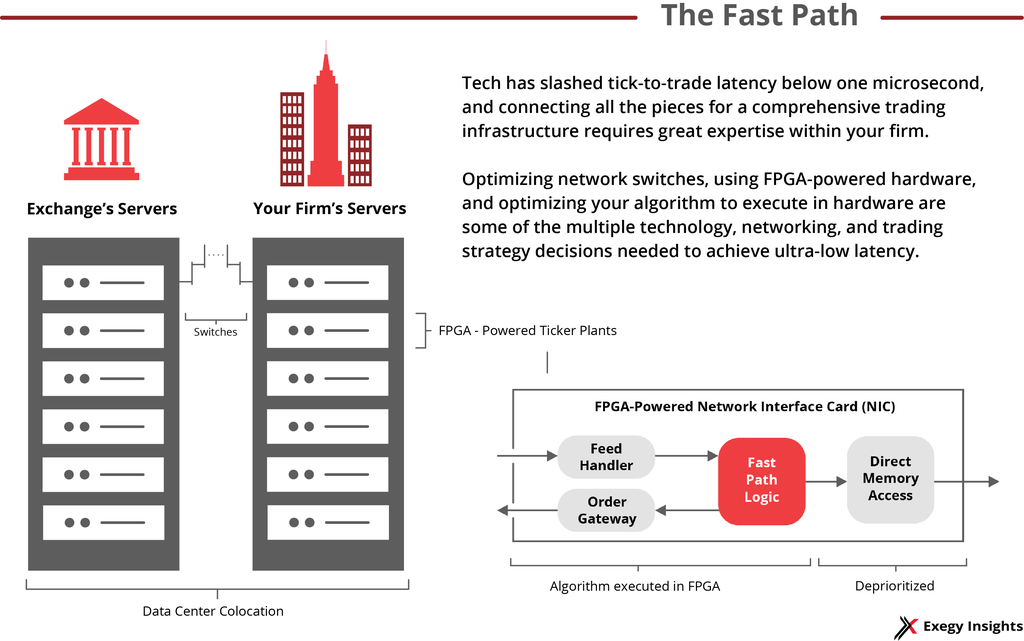
FPGAs, or Field Programmable Gate Arrays, act as customizable hardware chips that process trading logic at nanosecond speeds, bypassing slower CPU software loops. In algo trading, they handle parsing market data, risk checks, and order generation in parallel, cutting latency from 10-50 microseconds on CPUs to under 500 nanoseconds. Firms reprogram FPGAs for specific strategies, like direct market data feeds from NASDAQ, where software would bottleneck at instruction fetches.

Unlike GPUs for batch processing, FPGAs excel in deterministic, low-jitter tasks. Research from Solarflare reports FPGA-based systems achieve 10x latency reductions over x86 processors in high-throughput scenarios.
What’s more, integration with NICs creates end-to-end hardware pipelines.
- Parallel processing of multiple data streams avoids serial CPU overhead.
- Deterministic timing ensures sub-microsecond consistency, unlike variable software delays.
- Onboard memory reduces data movement latency by 80% compared to host RAM access.
Can Latency Arbitrage Still Exist in Modern Markets?
Yes, latency arbitrage persists through cross-exchange speed differentials, where firms exploit microseconds to front-run slower participants. For instance, a Chicago futures price update reaches NYSE traders via microwave in 350 microseconds, allowing preemptive equity trades before public feeds arrive at 1 millisecond. Regulators like the SEC monitor but cannot eliminate natural propagation variances. Cases involve firms like Citadel using FPGA-microwave combos to capture spreads on correlated assets, such as SPY ETF versus S&P futures.
Modern markets have tightened with exchange co-location mandates, yet inter-market gaps remain. A TABB Group report estimates $1-2 billion annual profits from such plays.
Besides that, detection tools evolve, but pure speed edges endure.
- Cross-border links, like London to New York, show 20-millisecond disparities exploitable by laser links.
- Retail brokers’ delays create opportunities against HFTs with direct feeds.
- Regulatory speed bumps, like minimum quote times, shift arbitrage to pre-trade analysis.
