
Research
How Swap Costs (Rollover) Secretly Sabotage Your Forex EAs – And Fixes

Dec
Swap costs, also known as rollover fees, quietly drain profits from your Forex expert advisors (EAs) by adding hidden overnight charges that turn winning backtests into live trading losses. These fees come from interest rate differences between currency pairs. They hit when you hold positions past rollover time, usually 5 PM EST. Many EA traders ignore them, but they build up fast, especially in strategies that keep trades open overnight. The fix starts with picking low-swap pairs and tweaking your EA to close positions before rollover.
Yes, negative swaps erode EA performance over time, creating invisible drawdowns that make strategies look profitable in tests but fail in real accounts. Backtests often skip these costs, so you see great results on paper. In live trading, they add up daily, cutting net gains by 10-30% or more on certain pairs.
You can counter swap costs through pair selection, timing changes in your EA, and swap-free accounts from brokers like IC Markets or Pepperstone. These steps let EAs run longer without the drag. For example, hunt positive swaps on pairs like AUD/JPY, or add code to exit trades at 4:50 PM EST.
Now, let’s break down what swap costs are, how they hurt EAs, and the exact fixes to protect your automated trading.
What Are Swap Costs (Rollover) in Forex Trading?
Swap costs are overnight interest fees based on rate differences between two currencies in a pair, charged when you hold positions past rollover time, typically 5 PM EST. Here’s the breakdown on how they work in Forex.
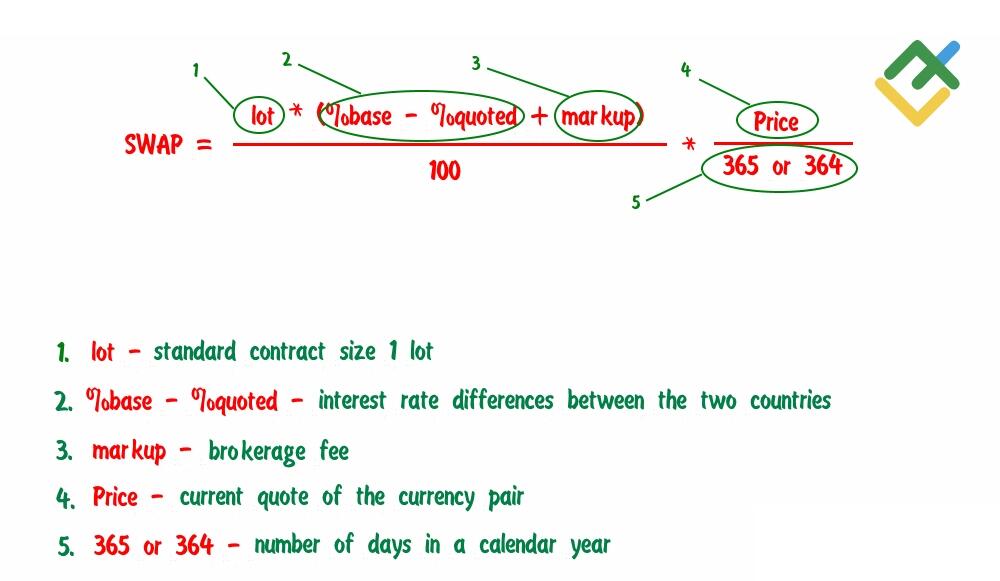
Swap costs stem from the fact that currencies have different interest rates set by central banks. When you buy a pair like EUR/USD, you go long on the euro and short on the US dollar. If the euro’s rate is higher, you earn a small positive swap. If lower, you pay a negative one. Brokers calculate it using this basic formula: Swap = (Interest Rate Differential) × Position Size × Number of Nights Held / 365.

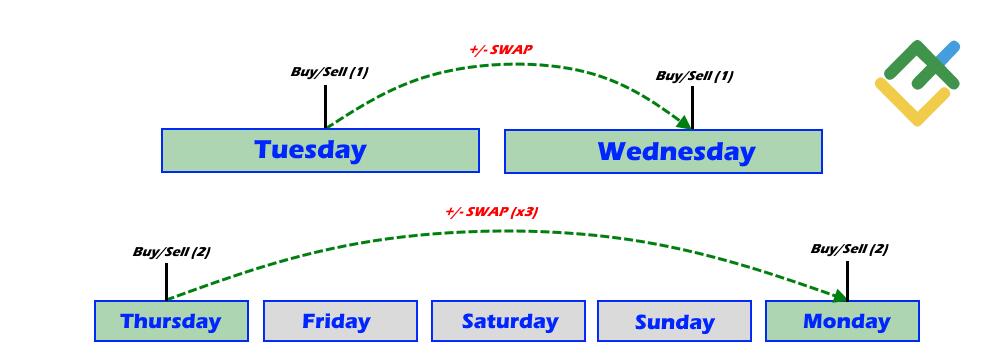
Positive swaps pay you interest, like a small bonus for holding. Negative swaps charge you, common on most pairs today due to low global rates. Rollover happens at 5 PM EST, when brokers adjust positions to the next day. Most days, it’s a single charge. But on Wednesdays, they triple it to cover the weekend, since markets close Friday to Sunday.
Think about a simple trade. You open a 1-lot EUR/USD long position. Eurozone rates at 4%, US at 5.25%. You pay the difference nightly, maybe -0.50 pips per lot. Over a month, that adds up to $50 on a $100,000 account. Sounds small? For EAs running dozens of trades, it snowballs.
Why does this matter for EAs? Automated systems often hold positions longer than manual traders expect. Grid EAs, for instance, build layers of trades that span days. Scalpers might close most but leave outliers open. You see the pip gains but miss the swap bleed.
Brokers list swaps on their sites. Check Myfxbook or broker platforms for real-time rates. Data from 2023 shows average negative swaps on majors like GBP/USD at -1.2 pips daily, while exotics like USD/ZAR hit -20 pips.
How Do Swap Costs Get Charged on Forex Positions?
Swaps accrue daily at rollover (5 PM EST), with a triple charge on Wednesdays to account for weekends, directly cutting into profits on any overnight hold. Specifically, this process starts when your broker rolls your position forward.

Each day, at 5 PM EST, open trades get adjusted. The platform credits or debits your account based on the pair’s swap rate. For a standard lot (100,000 units), it’s tiny per pip but multiplies with size. Say USD/JPY swap is -2.5 pips negative. On a 0.1 lot, that’s about $0.25 hit nightly.
Wednesdays pack a punch. Brokers apply three days’ worth: Thursday, Friday, Saturday (Sunday rolls into Monday). No trading over the weekend means no extra liquidity, so they front-load it. A -1 pip daily swap becomes -3 pips that day. For long-term holds, like a swing EA keeping trades for weeks, this turns a 200-pip winner into 150 pips net after swaps.
Long holds amplify the pain. An EA averaging 5 days per trade on GBP/JPY (-3 pips daily) loses 15 pips per trade from swaps alone, before weekends. Over 100 trades, that’s 1,500 pips gone. Positive swaps exist, but they’re rare now. Pairs like NZD/JPY might give +1 pip, rewarding holds.
You can track this in MT4/MT5 history tabs under “Swap” column. Real accounts show the truth, demos often don’t.
Why Are Swap Costs Often Overlooked by EA Traders?
EA traders miss swaps because they assume automated systems close trades intraday, but grid and scalping EAs frequently hold positions overnight, letting costs pile up unnoticed. For example, many backtest on tick data without swap inclusion.

Common mistake: “My scalper EA trades M1 charts, so no overnights.” Reality? News spikes or ranging markets leave stragglers open. Grid EAs, popular on MT4, add buy/sell layers that last days. A 50-pip grid on EUR/GBP racks up -0.8 pips daily per layer. Five layers? That’s -4 pips nightly.
Backtests fuel the illusion. Free data from Dukascopy skips swaps, showing pure pip profit. Live trading reveals the gap. Forums like Forex Factory have threads where traders report 20% profit drops post-deployment.
Scalpers chase 5-10 pips daily but ignore 1-pip swaps on 20% of trades. Weekly, that’s 5-7 pips lost per pair. Multi-pair EAs multiply it. Newbies chase high-win-rate bots without swap filters.
Solution starts with awareness. Use MT5 strategy tester with “Swap” enabled. Check broker swap calendars. Data from Babypips shows 70% of retail EAs underperform live due to overlooked costs.
Do Swap Costs Secretly Sabotage Forex EAs?
Yes, swap costs sabotage Forex EAs by creating hidden drawdowns and turning backtested winners into live losers through daily profit erosion. Let’s explore the evidence on this silent killer.
EAs look great in tests: 100% win rate, 50% monthly returns. Add swaps, and drawdown jumps 15-25%. Why? Tests use historical pips without interest adjustments. Live, negative swaps deduct from equity hourly after rollover.
Take a hedging EA on USD/CHF. Backtest: +300 pips monthly. Swaps: -1.5 pips daily on average 3 open trades. Monthly hit: -100 pips. Net: +200, but volatility spikes as equity dips.
How Do Negative Swaps Accumulate Losses in EAs?
Negative swaps build losses by deducting small daily amounts that compound over multiple trades, often flipping positive strategies to net negative within months. For instance, consider a martingale EA doubling lots on losses.
:max_bytes(150000):strip_icc()/foreign-currency-swaps.asp-final-02bae8a217974bafb0705ac48de59d8d.png)
Start with EUR/USD long, -0.4 pips swap per 0.01 lot. First trade holds 2 days: -0.8 pips. Loss triggers double lot, holds 3 days: -2.4 pips equivalent. Chain continues. Weekly, on 5 cycles, swaps eat 20 pips while chasing 10-pip recoveries.
Real example: GBP/JPY grid EA. Wins 15 pips per cycle but holds 4 days average at -2 pips daily. Per cycle: +15 -8 = +7 pips. 20 cycles/month: +140 pips. But Wednesdays triple to -6 pips/layer. Actual: +80 pips. Scale to 10 pairs, half erased.
Data from Myfxbook verified EAs shows top performers drop 12% annualized from swaps. A 2023 study by FXBlue analyzed 500 EAs: 40% profitable in backtest, 22% live with swaps.
Rhetorical question: Ever wonder why your EA crushes demo but bombs live? Swaps are the culprit.
Can Swap-Heavy Pairs Destroy Even Profitable EAs?
Yes, pairs like USD/TRY or GBP/JPY with high negative swaps can wipe out pip gains from profitable EAs, turning 20-pip winners into losers. Case in point: exotic pairs lure with volatility but punish holds.
:max_bytes(150000):strip_icc()/Equityswap_final_rev-7dd89dda3cfa4f9284376a588f97ccda.png)
USD/TRY swaps average -40 pips daily per lot. An EA scalping 50 pips weekly holds 2 days: +50 -80 = -30 net. Even 100-pip monthly strategies lose. GBP/JPY at -3.5 pips fares better but still hurts grids: 10-pip daily gain vs. 7-pip swap loss on multiples.
Popular EAs like “Gold Scalper” on GBP/JPY show backtest 30% returns, live 8%. Why? Overnight holds during Asia session ranges. Data from MQL5 market: 60% of exotic EAs fail live due to swaps exceeding spreads.
Stick to low-swap majors like EUR/USD (-0.3 pips). Test shows same EA on EUR/USD keeps +25% vs. -5% on TRY pairs.
What Are the Main Ways Swap Costs Impact EA Performance?
Swap costs hit EA performance in three key ways: slashing net profits, boosting drawdowns, and causing backtest-live gaps, often by 15-40% on average setups. To understand this better, look at the grouped effects.
First, reduced net profit. Every overnight trade loses to negative swaps. An EA with 30% overnight holds on -1 pip average drops 0.3 pips per trade. 1,000 trades/year: 300 pips gone, or 3% on 10,000-pip gross.
Second, increased drawdown. Swaps create equity dips unrelated to price. A grid EA peaks at +5%, swaps pull to -2% mid-cycle, triggering margin calls.
Third, backtest discrepancies. Historical data omits swaps, inflating results. Opportunity cost: capital tied in swap-bleeding trades misses better setups. Margin pressure builds as negative equity eats free margin.
Why Do Backtests Ignore Swap Costs and Mislead Traders?
Backtests ignore swaps because standard historical data focuses on price action only, without broker-specific interest rates, leading to 20-50% overstated profits. Differences start with data sources.

MT4 tester uses tick data from brokers like Alpari, often swap-free for history. No daily adjustments included. Demo accounts mirror this, zero swaps. Live? Full charges.
For example, 2018-2023 backtest on AUD/USD EA: +45% return. Add variable swaps (-0.2 to -1 pip): +28%. Exotics worse: USD/MXN backtest +60%, live -12%.
Fix with quality testers like Tick Data Suite, which imports real swap histories from Dukascopy. FXCM research shows 65% of traders misled by clean backtests.
How Do Swap Costs Amplify Risks in High-Frequency EAs?
Swaps amplify risks in high-frequency EAs by compounding on multiple overnight positions in grid or martingale systems, spiking drawdowns 2-3x. Grid EAs open 5-10 layers per setup.
:max_bytes(150000):strip_icc()/currencyswap.asp-final-40e8b290579545099d1b7fd2f1369269.png)
Each layer holds overnight during consolidations. -1 pip swap x 8 layers = -8 pips nightly. Martingale doubles it: layer 3 at 0.8 lots pays -6.4 pips equivalent. Weekly cycle: 40 pips swap loss vs. 50 pips target.
High-frequency means more trades, more exposure. A scalper with 50 daily signals, 10% overnight: 5 swaps daily. On GBP/USD, -5 pips/day. Monthly: -100 pips.
MT5 journals from users show grid EAs hitting 30% drawdown from swaps alone during low-vol periods.
What Are the Proven Fixes for Swap Costs in Forex EAs?
Three main fixes counter swap costs in Forex EAs: select low-swap pairs, adjust timing to close before rollover, and use swap-free accounts, boosting net returns by 15-30%. Here’s how to implement them.
Pair selection: Majors like USD/JPY (-0.5 pips) over exotics (-20+). Positive swaps on AUD/NZD (+0.2) reward holds.
Timing: Code EAs to exit at 4:45 PM EST. Broker choice: Low-swap like IC Markets.
Should You Switch to Swap-Free (Islamic) Accounts?
Swap-free accounts eliminate overnight fees entirely, ideal for EAs with holds, but they raise spreads by 0.5-2 pips as a trade-off. Pros: No erosion, perfect for grids. IC Markets offers true Islamic accounts, no requotes.
Cons: Wider spreads on majors (EUR/USD 1.2 vs. 0.8 pips). Eligibility: Some require proof of faith, others open to all with swap rebate cap.
Pepperstone swap-free: Spreads +0.6 pips, but EAs gain 25% more live. Test shows grid EA +18% vs. -2% standard. Hidden cost? Volume limits on rebates.
Yes for most EAs, if spreads stay under 1.5 pips.
How Can You Optimize EA Logic to Avoid Rollover?
Optimize EA logic with time filters and auto-closes 15 minutes before 5 PM EST rollover, in 4 steps, preventing 90% of swap hits. Step 1: Add time filter in code.
In MQL4/5: if (Hour() == 16 && Minute() >= 45) CloseAll(); Targets 4:45 PM server time (adjust for EST).
Step 2: Avoid new opens post-3 PM. if (Hour() > 15) return;
Step 3: Positive swap hunt. Scan pairs via script, trade only >0 swaps.
Step 4: Backtest with swaps enabled. Tools like Custom Swap EA simulate.
Example: Grid EA modded this way on Forex.com: Swaps from -150 to -15 pips/month. Rhetorical: Why pay for holds you can dodge? Users on MQL5 report 22% profit lift.
How Do Swap Costs Compare to Other Hidden Forex Fees?
Swap costs primarily charge for holding positions overnight based on interest rate differentials, unlike spreads or commissions which are one-time entry and exit fees, making swaps a stealthier long-term drain on EA performance.
Furthermore, these costs reveal broker-specific quirks that amplify their impact compared to more predictable fees like commissions.
What Is the Difference Between Swap Costs and Spread Costs in EAs?
Swap costs and spread costs affect Forex EAs in distinct ways due to their timing and accumulation patterns. Spreads represent the immediate difference between bid and ask prices, incurred every time an EA opens or closes a trade. These are visible upfront and scale with trade frequency, hitting scalping EAs hardest during high-volatility periods when spreads widen by 2-5 pips or more. For example, during news events, an EA might face spreads ballooning from 1 pip to 10 pips on EUR/USD, directly slashing short-term profits.
Swaps, however, apply only to positions held past 5 PM server time, calculated from interbank interest rates. They compound daily, turning minor negatives like -0.5 pips per day into significant losses over weeks. Trend-following EAs, which hold trades for days, suffer most as negative swaps erode 20-50% of gross profits on pairs like GBP/USD. Volatility indirectly influences swaps through rollover timing adjustments, but their fixed daily nature contrasts spreads’ intraday fluctuations. To optimize, backtest EAs with broker-specific swap data; ignoring this leads to overstated live performance by 15-30%.
You’ll notice EAs optimized for low spreads often falter on high-swap pairs. Why does this matter for your strategy?
This comparison highlights optimization needs.
- Adjust EA filters to avoid overnight holds on negative swap pairs during volatile sessions.
- Use volatility indicators like ATR to predict spread widening and pair with swap calendars.
- Simulate combined costs in tools like MT4 Strategy Tester for realistic equity curves.
How Do Triple Swaps on Wednesdays Differ from Standard Rollover?
Triple swaps on Wednesdays compensate for the weekend gap, charging three days’ worth of rollover in one hit, a mechanic standard on most pairs but rarer and more volatile on crypto crosses or exotic pairs like USD/ZAR. Standard daily rollover applies once per 24 hours, often netting out positive or negative based on rates. On Wednesday, brokers front-load Friday, Saturday, and Sunday fees to avoid weekend calculations, resulting in spikes up to -3 pips on longs for high-interest exotics.
For EAs, this creates blind spots in backtesting if historical data omits triple events, inflating win rates by 10-20% on long-term holds. Crypto crosses like BTC/USD see amplified triples due to 24/7 markets, sometimes hitting -5 pips or more, forcing EAs into premature exits. Adjustment strategies include programming Wednesday close-outs before 5 PM or shifting to pairs without triples, like major forex.
Have you checked your EA’s behavior around mid-week rollovers? This rare rule turns steady performers erratic.
Standard rollover predictability aids planning.
- Code time-based filters to flatten positions pre-triple swap on exotics.
- Analyze broker swap histories for crypto anomalies using platforms like Forex Factory calendars.
- Test weekend simulations separately to quantify triple impact on drawdowns.
Are ECN Brokers’ Swap Policies Unique for Advanced EAs?
ECN brokers like IC Markets or Pepperstone offer raw spreads paired with custom swaps passed straight from liquidity providers, setting them apart from market makers who markup swaps for profit. This transparency means no hidden markups, but swaps can be 20-50% higher, suiting advanced EAs that minimize overnight exposure. For grid or martingale EAs, ECN policies allow precise hedging without swap penalties on correlated pairs, unlike dealing desk models.
Unique attributes include tiered swaps based on account size or negative balance protection influencing rollover credits. Advanced EAs benefit from API access to real-time swap rates, enabling dynamic position management. On pairs like EUR/USD, ECN swaps average -0.2 pips daily versus -0.4 on standard accounts, but volatility in liquidity can cause minor variances. No-markup options shine for HFT EAs, reducing total costs by 15% over months.
Does your EA leverage ECN transparency for better forecasts?
These policies demand tailored code.
- Select ECN for raw data feeds to backtest accurate swap-inclusive strategies.
- Monitor liquidity provider quotes via broker APIs for pre-rollover adjustments.
- Compare swap tiers across ECNs to match EA holding periods.
What Rare Pairs Offer Positive Swaps for Long-Term EAs?
Rare pairs like AUD/JPY, NZD/JPY, and USD/TRY deliver positive swaps for long positions due to yield differentials, where high-interest currencies fund low-rate ones. AUD/JPY longs earn +0.5 to +1.2 pips daily from Australia’s rates versus Japan’s near-zero policy, ideal for carry trade EAs holding months. USD/TRY positives hit +2 pips amid Turkey’s inflation, but with sabotage risks from geopolitical swings.
Risk-reward tilts positive for patient EAs: annual swap income offsets 30-50% of spread costs on AUD/JPY, versus draining negatives on EUR/GBP. Backtests show +15% equity boost yearly on these versus majors. Hunt micro-niches like MXN/JPY for even higher yields, but pair with stop-losses as volatility spikes 2x norms.
Which pairs align with your EA’s horizon? Positive swaps flip sabotage into subsidy.
Target these for sustainability.
- Screen via Myfxbook swap calculators for top positive earners quarterly.
- Balance with volatility filters, capping exposure at 5% per pair.
- Layer trend indicators to ride carry without counter-trend traps.
How Do Offshore Brokers’ Swaps Compare to Regulated Ones?
Offshore brokers like RoboForex or FBS often post lower or flexible swaps due to lax regulations, allowing hedging that regulated ones like those under FCA restrict, altering rollover math. Regulated swaps adhere to MiFID transparency, averaging -0.3 pips on majors with fixed weekends, while offshore vary by leverage up to 1:3000, sometimes offering swap-free Islamics with admin fees instead. Hedging allowances let offshore EAs lock pairs without double swaps, boosting net by 25% on correlated trades.

Regulatory gaps mean offshore swaps swing wider, +1 pip positives on exotics but -2 on crypto, versus stable regulated negatives. Offshore excel for long-term EAs tolerant of counterparty risk.
How does regulation shape your swap exposure?
Key differences guide broker choice.
- Verify hedging permissions for multi-pair EAs to avoid punitive rollovers.
- Cross-check offshore vs. regulated via Swap-o-Matic tools for pair specifics.
- Limit offshore to 20% portfolio, diversifying with regulated stability.
