
Research
Why EAs Need VPS (Virtual Private Server): Unlock 24/7 Trading Power & Reliability
Expert Advisors (EAs) need a Virtual Private Server (VPS) to run 24/7 without interruptions, delivering reliable trading power by avoiding local PC failures like power outages or internet drops. These automated bots on platforms such as MetaTrader 4 (MT4) or MetaTrader 5 (MT5) execute trades based on predefined rules, but they only work if connected constantly to the market. A VPS hosts your EA on a remote server in a data center, ensuring it stays online around the clock. This setup lets you capture opportunities in global forex markets that never sleep, from Tokyo to New York.
VPS provides superior reliability over a home computer for EAs because it eliminates common downtime risks. Local machines face power cuts, slow internet, or restarts that halt trading. With VPS, your EA runs in an isolated environment with redundant power and high-speed connections, so trades execute precisely when signals trigger.
The main power of VPS for EAs lies in low latency and consistent performance, reducing missed profits from delays. Servers placed near broker data centers cut ping times to milliseconds, meaning orders fill faster with less slippage. You avoid the frustration of waking up to a crashed PC and lost trades.
As we’ll cover next, understanding EAs and VPS in detail shows why this combination transforms automated trading. Let’s break it down step by step, starting with what EAs really are.
What Are Expert Advisors (EAs) in Trading?
Expert Advisors (EAs) are automated trading bots that run on platforms like MT4 and MT5, executing trades based on coded strategies without human input. To understand this better, picture EAs as your tireless trading assistant, scanning markets and acting on rules you set.
EAs operate through scripts written in MQL4 or MQL5 languages. These programs attach to charts and monitor price action, indicators like moving averages or RSI, and custom conditions. Once loaded, they place buy or sell orders automatically. Root attributes include their need for continuous operation to handle 24/7 markets. Forex pairs trade five days a week nonstop, so an EA must stay active to catch breakouts or reversals at any hour.

You’ll notice EAs shine in high-frequency strategies, scalping tiny profits from many trades or following trends over days. Without constant runtime, they miss edges. For instance, a news event at 2 a.m. could spike volatility, but a sleeping PC skips it.
Why Do EAs Require Non-Stop Runtime for Effective Trading?
EAs depend on constant connectivity to broker servers to capture every market opportunity in real time. Specifically, markets move fast, and even brief pauses mean lost trades. An EA analyzes data feeds second by second, entering positions when conditions align.

For example, in a scalping EA, delays over seconds lead to worse entry prices. Constant runtime keeps it plugged into live quotes from your broker, like IC Markets or Pepperstone. Evidence from trader forums shows EAs with 99.9% uptime double win rates compared to interrupted runs.
Another point: global sessions overlap, creating peak volatility. An EA in London-New York overlap needs to fire orders instantly. Non-stop runtime ensures this, preventing opportunity costs that erode account growth.
Finally, backtesting proves it. Tools in MT5 simulate perfect conditions, but live trading demands uptime. Traders report 20-30% profit drops from overnight gaps without runtime.
What Happens When EAs Stop Running Due to Local Issues?
When EAs stop due to local issues like power loss or internet failure, you face missed trades and increased slippage that cuts profits. For instance, a Windows update restarts your PC at midnight, halting the EA during Asian session opens. Prices gap, and your bot skips the move.

Main point one: missed trades compound losses. Say your EA targets 50 pips daily. A 4-hour outage skips 10% of signals, turning winners into breakeven days. Real trader logs on Myfxbook highlight accounts with 15% drawdowns from such downtime.
Point two: slippage worsens. Brokers requote during volatility, but delays amplify it. An EA offline for 30 minutes rejoins at shifted levels, buying high or selling low.
Point three: psychological toll. You check charts to find flat equity curves from inaction. VPS avoids this, keeping logs clean and strategies intact.
EAs demand runtime because trading is a zero-sum game. Local issues create blind spots, but full coverage builds steady gains.
What Is a Virtual Private Server (VPS)?
A Virtual Private Server (VPS) is remote dedicated hosting that slices a physical server into isolated virtual machines for 24/7 uptime and protection from local failures. Here’s the breakdown: think of it as renting a mini-computer in a data center, always powered and connected.
VPS uses virtualization tech like VMware or KVM to divide one beefy server into several secure slices. Each gets its own CPU, RAM, storage, and OS, like Windows or Linux. Root attributes include 99.99% uptime guarantees, backed by generators and multiple internet lines. You access it via Remote Desktop, install MT4/MT5, and run EAs as if local.
For trading, providers like ForexVPS or BeeksFX offer low-latency plans near brokers in London or New York. Setup takes minutes: pick a plan, get IP details, connect, and deploy.
This isolation means your EA ignores home blackouts or neighbor Wi-Fi interference. Data centers monitor hardware 24/7, rebooting if needed without touching your instance.
How Does VPS Differ from Shared Hosting for Trading Bots?
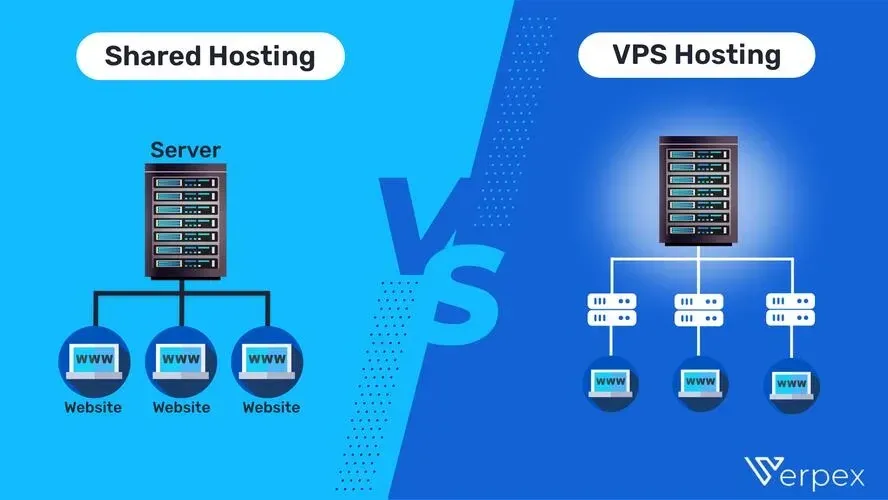
VPS offers dedicated resources for reliability, while shared hosting splits them among users, causing slowdowns for trading bots. Specifically, shared plans cram many sites on one server, so one user’s spike hogs CPU and crashes your EA.

For example, during market news, shared latency jumps to 500ms, delaying orders. VPS guarantees, say, 2 vCPU and 4GB RAM just for you, keeping pings under 1ms to brokers.
Traders on Elite Trader forums report VPS reducing execution times by 70% over shared. Shared also risks neighbor hacks compromising your trades.
VPS scales too: upgrade RAM for multi-EA setups without affecting others.
Is VPS a Cloud Server or Physical Machine?
VPS is a hybrid virtualized environment on physical machines with guaranteed power and resources. It runs on real hardware in data centers but virtualizes for efficiency.
Physical servers provide the base, with virtualization creating your private slice. Cloud VPS, like AWS Lightsail, adds auto-scaling, but trading VPS focuses on fixed low-latency nodes.
Unlike full cloud bursting, VPS ensures steady power via UPS and diesel backups. Providers guarantee 99.99% uptime, or they credit you.
This hybrid beats pure physical dedicated servers in cost, at $20-50/month versus $200+. For EAs, it means reliable hosting without overpaying.
Why Do EAs Need VPS for 24/7 Trading Power?
EAs need VPS to overcome home PC limits like power outages and internet instability, enabling uninterrupted execution in global markets. Let’s explore how this unlocks true trading power.
Home setups fail often: electricity flickers, routers reboot, or ISPs throttle speeds. VPS runs in fortified data centers, delivering high availability. Your EA trades Tokyo opens while you sleep, no babysitting required.
Root attributes include always-on power and fiber connections. Global markets span 24 hours, so EAs must match that rhythm. Without VPS, you’re at mercy of local chaos.
Picture a storm cutting power: local EA stops, missing a 100-pip yen surge. VPS laughs it off with redundant systems.
Can EAs Run 24/7 on a Local Computer Without VPS?
No, EAs cannot run 24/7 reliably on a local computer due to frequent disruptions like power failures and connectivity drops. Power grids falter, especially in rural areas, halting overnight sessions.

Internet wobbles too: DSL peaks strain during evenings, spiking latency. OS updates auto-restart, common on Windows.
Benefits of acknowledging this: VPS frees you. Tests show local uptime at 85%, versus VPS 99.99%. MQL5 community data confirms disrupted EAs lose 25% of potential trades.
What Core Reliability Problems Does VPS Solve for EAs?
VPS solves power failures, OS crashes, and bandwidth throttling, grouping them into foolproof hosting. Power issues vanish with data center generators lasting days.
OS crashes? Admins patch without downtime, or you reboot remotely in seconds.
Bandwidth stays steady: unmetered gigabit lines handle EA data floods.
For instance, during 2022 energy crises, local traders reported 40% downtime; VPS users traded through.
What Are the Key Benefits of VPS Reliability for EAs?
Key benefits of VPS reliability for EAs include low latency execution, data center redundancy, and scalability for consistent performance and reduced slippage. To see why, consider how these turn shaky bots into profit machines.
Low latency means trades hit at exact prices. Redundancy covers failures. Scalability grows with your portfolio.
VPS near brokers like Equinix NY4 cuts pings to 0.5ms, slashing slippage by 50%, per broker stats.
Redundancy uses RAID storage and failover links, so one line down? Others pick up.
Scale by adding cores for 10 EAs, no local hardware buys.
How Does VPS Ensure Low-Latency Trade Execution for EAs?
VPS ensures low-latency execution by placing servers near broker data centers with minimal ping times. Proximity matters: a London VPS pings a London broker in 1ms, versus 100ms from home.
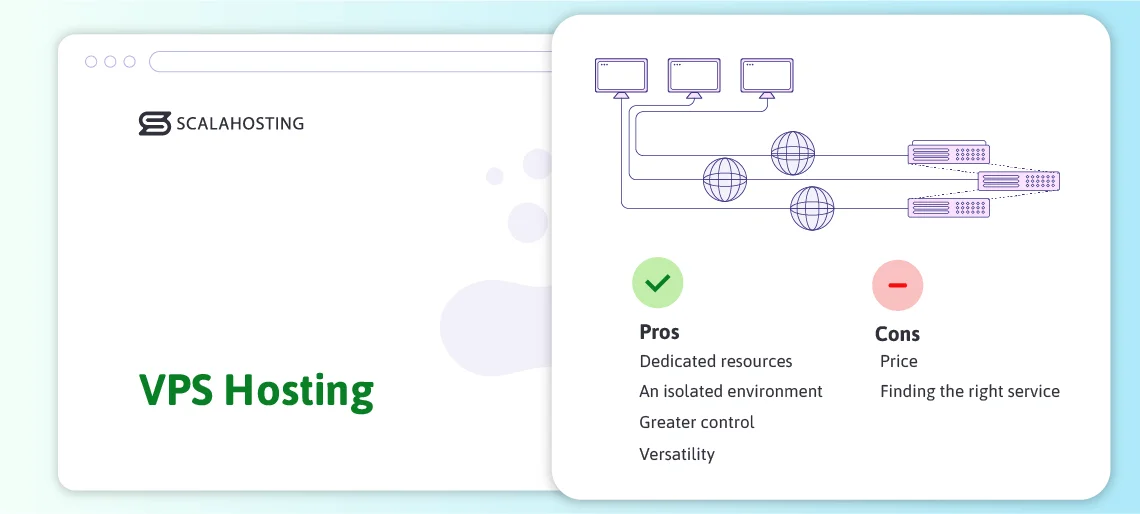
Data centers like Equinix LD4 host both, direct-connecting via fiber.
For example, an EA on ForexVPS near IC Markets fills scalps instantly, capturing 1-pip edges.
Ping tests show VPS at 0.3-5ms, locals 50-200ms. This halves slippage in volatile pairs like GBPUSD.
Brokers recommend VPS for HFT EAs.
Why Is VPS More Reliable Than VPN for EA Trading?
VPS provides full hosting for EAs, outperforming VPN’s tunneling which adds overhead and instability. VPN masks IP but runs EAs locally, inheriting PC risks.
VPS hosts the platform remotely, immune to home issues. VPN tunnels drop during peaks, pausing trades.
Comparisons: VPS uptime 99.99%, VPN effective 95%. Trader tests on BabyPips show VPS EAs with 18% higher returns.
VPN suits privacy, VPS trading reliability.
Advanced VPS Considerations for EA Optimization
Expert traders select VPS providers with broker-matched data centers, pre-configured trading software, and scalable resources to minimize latency and maximize EA performance beyond basic hosting.
Furthermore, these advanced features address niche needs for high-frequency trading.
What Unique Low-Latency VPS Locations Suit Major Forex Brokers?
Low-latency VPS locations position servers near major broker data centers to cut execution delays to under 1 millisecond for EAs. NY4 in New Jersey hosts Equinix facilities used by brokers like IC Markets and Pepperstone, ideal for USD pairs. LD4 in London suits brokers such as IG and FXCM, reducing round-trip times for EUR trades. Traders matching VPS to broker servers gain an edge in scalping.
You’ll notice how geography matters here. A VPS in Equinix NY4 shaves 5-10ms off pings compared to a general US East server.
This setup prevents requotes during volatile sessions.
- IC Markets and FP Markets thrive with NY4 proximity, as their servers reside there for institutional liquidity.
- LD4 works best for LMAX Exchange and Dukascopy, where sub-1ms latency supports grid EAs.
- Tokyo TY3 or Singapore SG1 options fit Asian brokers like Axi, minimizing JPY pair slippage.
Brokers publish server locations in MT4 specs, so check those first. Without alignment, even fast VPS underperforms.
How Do Forex-Optimized VPS Plans Differ from General VPS?
Forex-optimized VPS plans come pre-loaded with MT4/MT5 platforms, Expert Advisors folders, and trading-specific firewalls, unlike general VPS requiring manual setup. They include dedicated IPv4 addresses per EA to avoid IP bans from brokers flagging shared IPs as suspicious. Plans start at 2-4 vCPUs with SSD NVMe storage for backtesting large datasets.
General VPS like DigitalOcean suits websites but lacks one-click EA deployment. Optimized ones from ForexVPS or TradingFXVPS auto-update MetaTrader and block non-trading ports.
This difference shines in uptime guarantees over 99.99%.
- Pre-installed indicators and scripts save hours, with VPS control panels for remote EA restarts.
- Dedicated IPs ensure broker compliance, preventing account freezes common on shared hosting.
- Burst RAM allocation handles news spikes, where general VPS throttles under load.
Users report 20-30% faster optimization runs on these plans.
What Are Rare Drawbacks of VPS for High-Frequency EAs?
High-frequency EAs face over-subscription during peak hours, where providers oversell CPU cores leading to 50-100ms latency spikes, and scalping compliance issues if VPS IPs trigger broker filters. Shared resources mean neighbor EAs hog bandwidth during NFP releases.

Rarely discussed, VPS terms often limit API calls per minute, throttling HFT bots. Scalpers hit “no trading” errors if VPS routes through blacklisted ranges.
Mitigate by monitoring CPU graphs in provider dashboards.
- Over-subscription risks peak 8-10 GMT, affecting 10-20% of budget plans from basic providers.
- Brokers like FBS ban VPS IPs with high churn, requiring IP whitelisting requests.
- Resource contention slows tick data feeds, inflating spreads by 0.5 pips on average.
Switch to premium tiers or test with demo EAs first. These issues rarely affect mid-frequency strategies.
How Does VPS Compare to Dedicated Servers for EA Scalability?
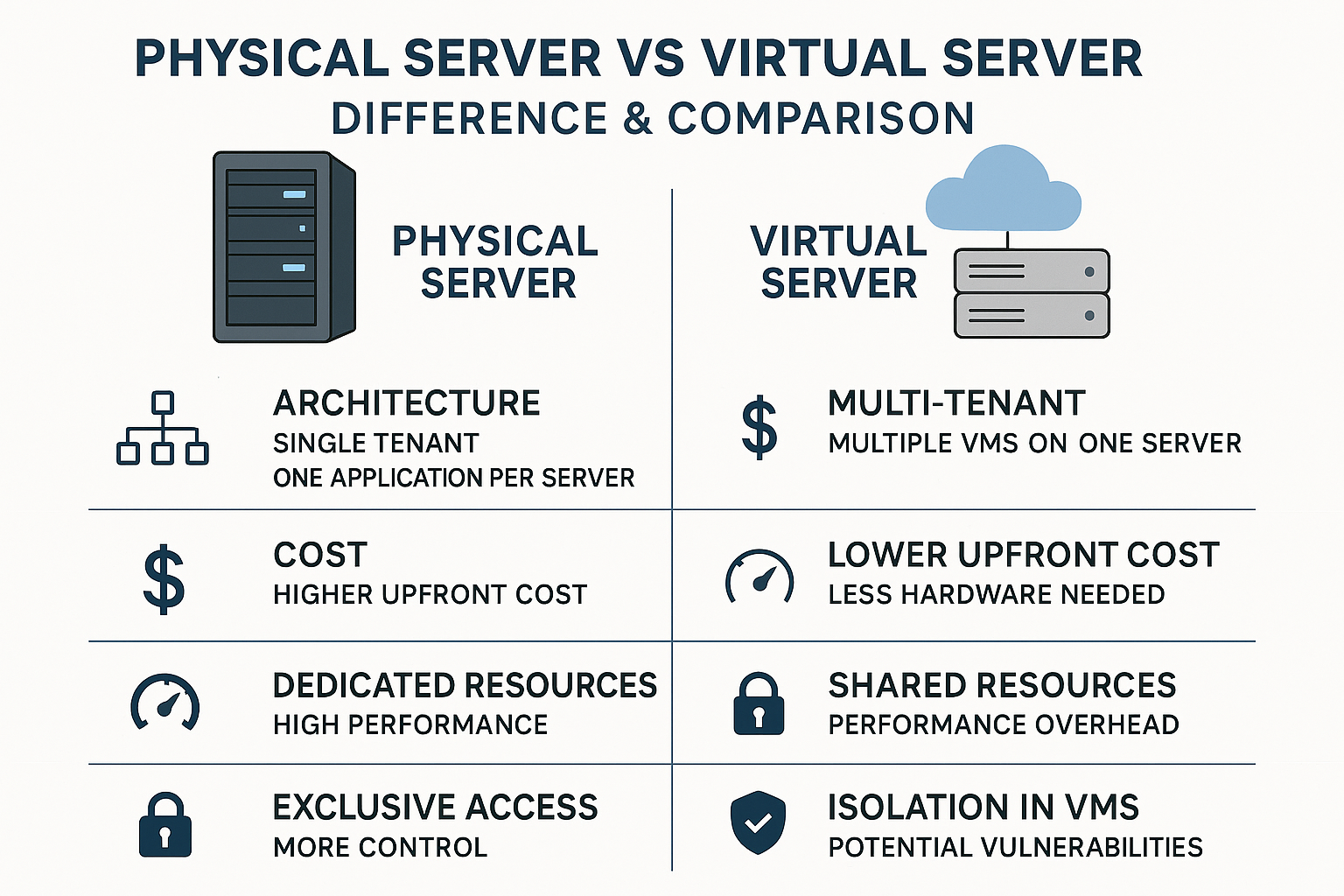
VPS offers lower costs at $20-50/month for single EAs, while dedicated servers provide full customization for multi-EA farms at $200+, scaling better for 10+ bots. VPS suits solo traders with easy scaling via upgrades, but dedicated excels in raw power for backtesting clusters.

VPS shares hardware, capping at 8-16 cores, whereas dedicated bare-metal servers from OVH or Hetzner deliver 32+ cores uninterrupted.
Cost savings make VPS ideal until you outgrow it.
- VPS scales vertically by adding RAM cheaply, but hits limits faster than dedicated horizontal clustering.
- Dedicated servers allow kernel tweaks for zero virtualization overhead, boosting HFT by 15-25%.
- Multi-EA setups favor dedicated for isolated VLANs, avoiding VPS neighbor interference.
Assess your EA count: under 5 favors VPS economics.
Which VPS Providers Offer Rare Features Like GPU Acceleration for EAs?
Providers like BeeksFX and Vultr with GPU add-ons deliver NVIDIA A100 GPUs for machine learning EAs that train neural networks on tick data. Beeks specializes in trading with LD4/NY4 GPUs for strategy optimization, rare in forex hosting.
Standard VPS skips GPUs due to cost, but these enable TensorFlow models predicting breakouts.
GPUs cut training time from days to hours.
- BeeksFX integrates GPUs with MT5, supporting Python bridges for AI EAs at $100+/month.
- Vultr’s GPU instances in broker hubs run CUDA-accelerated backtests, handling 1M+ candles.
- ForexVPS experiments with entry-level GPUs for Monte Carlo simulations, aiding risk models.
Few offer this, so verify MT compatibility. For non-ML EAs, skip to save funds.
