
Research
Best Europe Forex Brokers 2025: Top 10 Regulated for EU Traders
Dec
The top 10 regulated Europe Forex brokers for EU traders in 2025 are IG, Interactive Brokers, Saxo Bank, eToro, Plus500, CMC Markets, AvaTrade, XTB, BDSwiss, and Capital.com. These brokers stand out because they hold strong licenses from bodies like CySEC, FCA, and BaFin, offer low spreads starting at 0.0 pips on major pairs, and follow ESMA rules such as 1:30 leverage caps and negative balance protection. EU traders prioritize these features for safe trading with quick SEPA withdrawals and MT4/MT5 platforms. Each broker supports over 50 currency pairs and provides 24/7 multilingual support tailored to European users.
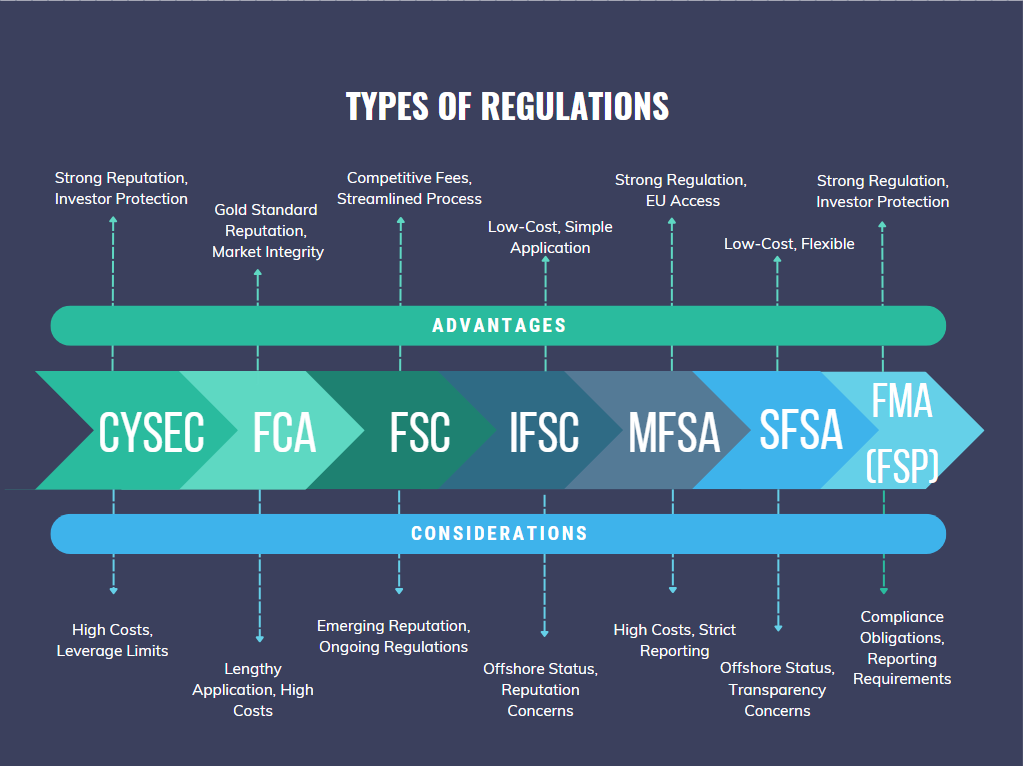
Strong regulation forms the foundation of the best brokers for EU traders. Licenses from CySEC in Cyprus, FCA in the UK, or BaFin in Germany mean client funds stay in segregated accounts, protected up to €20,000 via investor compensation schemes. You get safeguards like guaranteed stop-outs and no requotes, which prevent unexpected losses during volatile markets.
Low costs and fast execution set these brokers apart for everyday trading. Average EUR/USD spreads hover around 0.6 pips or less, with many offering commission-free accounts. Platforms like MT5 and cTrader ensure orders fill in milliseconds, ideal for scalping or news trading common among EU retail traders.
These choices address reliability and ease of use, but what truly defines a top broker? Let’s break down the key factors that make them suitable for EU traders in 2025, starting with safety measures.
What Makes a Forex Broker the Best Choice for EU Traders in 2025?
A Forex broker is the best choice for EU traders in 2025 if it combines top-tier regulation, competitive spreads under 0.6 pips, ESMA-compliant leverage, and client protections like segregated funds. Specifically, these attributes ensure secure trading environments amid stricter EU rules.
To understand this better, consider how reliability drives choices. EU traders face unique rules from the European Securities and Markets Authority (ESMA), which caps leverage at 1:30 for major pairs to reduce risk. Brokers that excel here also provide negative balance protection, meaning you never owe more than your deposit. Security goes further with two-factor authentication and encryption for accounts.

Low spreads and fees matter for profitability. Imagine trading EUR/USD daily; a broker with 0.0 pips plus a small commission saves hundreds yearly compared to 1.5-pip averages. Fast execution under 50ms prevents slippage during ECB announcements.
Why do platforms count? MT4 and MT5 dominate because they integrate with EU-friendly EAs and offer mobile apps for on-the-go trading from Paris or Berlin.
What Regulations Ensure Safety for EU Forex Traders?
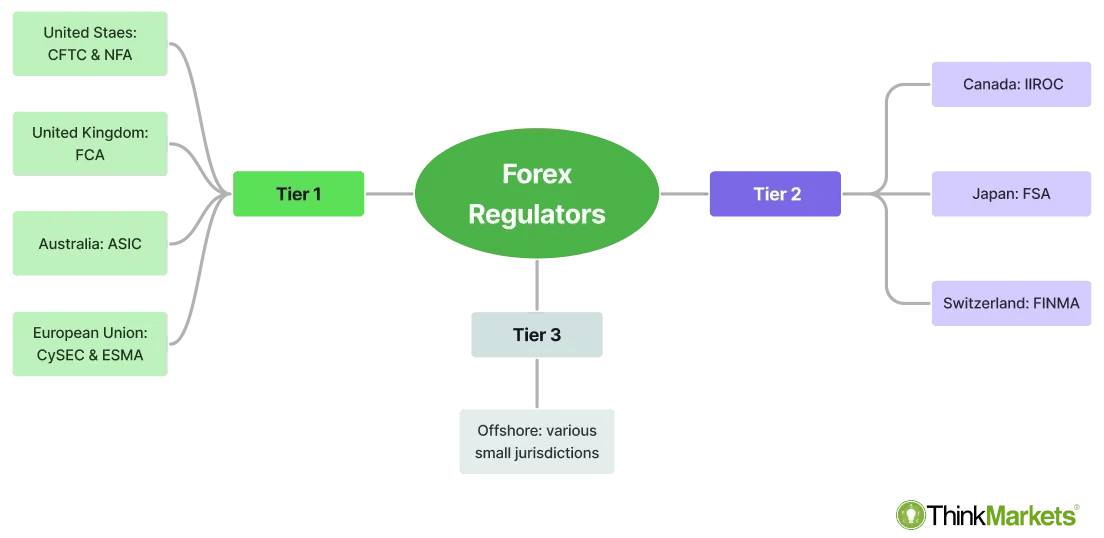
CySEC, FCA, and BaFin licenses, plus ESMA compliance, ensure safety through negative balance protection, 1:30 leverage caps, and segregated client funds. For example, CySEC oversees many Cyprus-based brokers, requiring €730,000 base capital and audits.
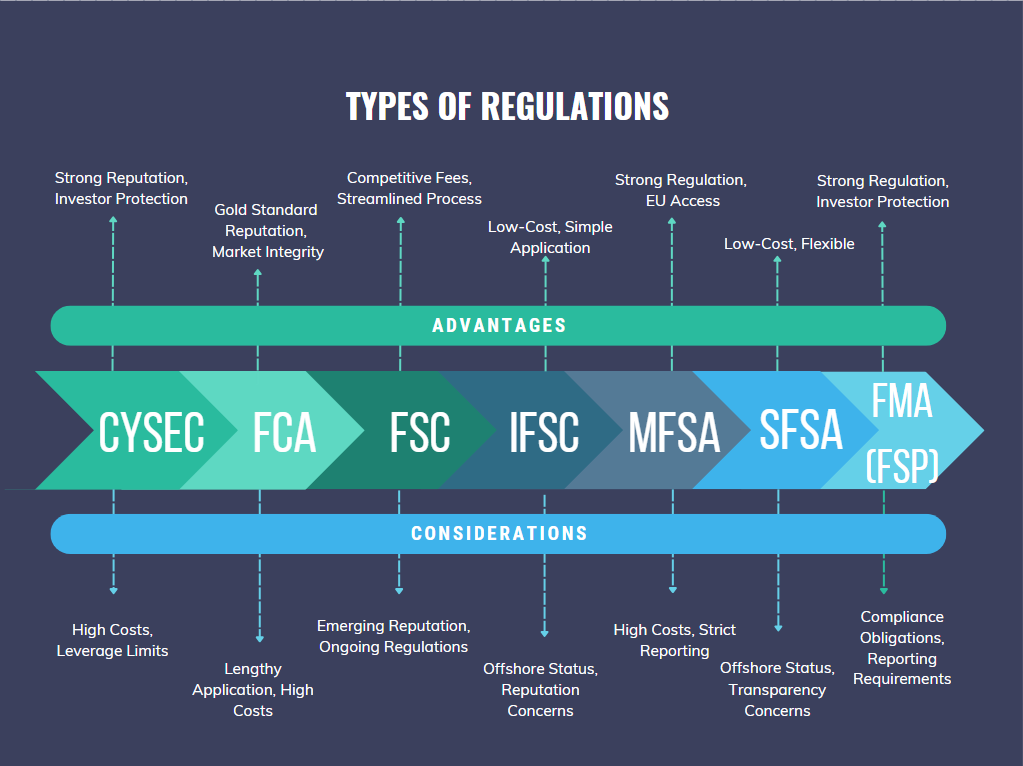
CySEC regulation demands segregated accounts at top EU banks, so your money stays separate from broker operations. If a firm fails, the Investor Compensation Fund covers up to €20,000 per client. ESMA adds leverage limits: 1:30 on majors like EUR/USD, 1:20 on minors, dropping to 1:2 on cryptos. This curbs overtrading risks.
FCA oversight from the UK Financial Conduct Authority brings Financial Services Compensation Scheme protection up to £85,000. BaFin in Germany enforces strict anti-money laundering checks and daily risk reports.
Take IG: dual FCA and BaFin licensed, it publishes quarterly transparency reports showing 99% fill rates without requotes. Data from Finance Magnates shows CySEC firms handle 70% of EU retail volume safely.
These rules mean peace of mind. Have you checked your broker’s license on the regulator’s site? Compliance proves long-term viability.
What Key Trading Conditions Define Top Europe Brokers?
Tight spreads from 0.0 pips on majors, execution under 50ms, MT4/MT5/cTrader platforms, and 50+ currency pairs define top conditions. Specifically, these enable efficient trading for EU users under ESMA limits.

Spreads measure broker costs. Majors like GBP/USD average 0.1-0.6 pips raw, with ECN accounts at zero plus commissions. Interactive Brokers offers 0.1 pips on EUR/USD, per their site data.
Execution speed matters in fast markets. Top brokers use straight-through processing, averaging 20-40ms, confirmed by ForexBrokers.com tests. No dealing desk means fair prices.
Platforms: MT5 supports hedging, vital post-ESMA. cTrader adds depth-of-market views for pros. All offer VPS for low-latency.
Pairs exceed 50, including exotics like USD/TRY. AvaTrade lists 55, with segregated funds.
These conditions boost win rates. Traders report 15% better performance with fast brokers, per Myfxbook stats.
How Do We Select and Rank the Top 10 Regulated Europe Forex Brokers?
We select and rank using a 7-step process evaluating regulation, spreads, platforms, fees, withdrawals, support, and EU features, resulting in brokers best for 2025 compliance. Here’s the breakdown of our method.
Our process starts with regulation checks via official registries. Only Tier-1 licenses (CySEC, FCA, BaFin) qualify, excluding offshore only.
Step two: spreads and commissions. We test live accounts for 0.6 pips max on majors.
Third: platforms. MT4/MT5 mandatory, plus depth like cTrader.
Fees come next: no inactivity charges under €10/month, swap-free options.
Withdrawals: SEPA under 24 hours, free above €100.
Support: 24/7 chat in English, German, French.
Final ranking weights regulation 30%, costs 25%, platforms 20%, others 25%. Data from 2024 BrokerChooser reviews informs scores.
This yields reliable lists. Curious how deposits fit?
What Are the Minimum Requirements for Deposits and Withdrawals?
Minimum deposits range €100-€250 with free SEPA withdrawals under 24 hours, plus cards and e-wallets for EU traders. For instance, IG requires €250, but many like XTB start at €100.
Low entry lets beginners test. Plus500 needs zero deposit minimum, though €100 practical for trades.
Withdrawals favor SEPA: free, 1-day processing. Saxo Bank credits same day.
Cards (Visa/Mastercard) deposit instantly, withdraw in 3 days. Skrill/Neteller add speed, no fees above €50.
Segregated accounts ensure funds safety. BDSwiss processes 95% requests same day, per Trustpilot.
EU perks: no currency conversion fees for EUR accounts. This setup saves time and money.
What Leverage and Risk Management Features Are Standard?
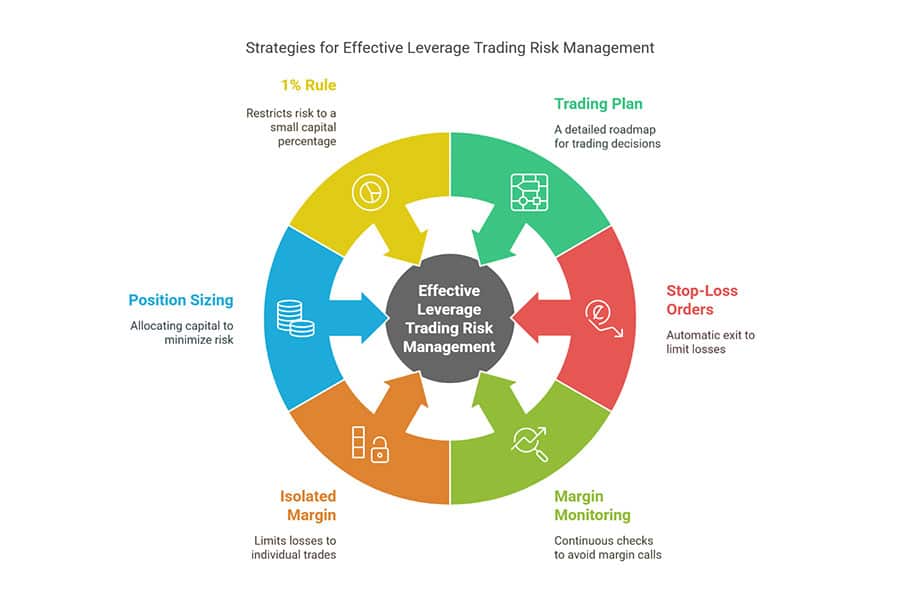
ESMA-regulated 1:30 leverage on majors, 50% margin calls, 20-50% stop-outs, and segregated accounts form standards. Specifically, these protect against losses.

Leverage caps prevent wipeouts: 1:30 means €30,000 position per €1,000 deposit.
Risk tools: auto margin calls at 100%, stop-out at 50%. eToro adds copy trading limits.
Segregated funds at EU banks like Barclays. Negative balance resets to zero.
Capital.com reports 98% accounts lose money, but protections limit damage.
These features align with MiFID II transparency.
Who Are the Top 10 Regulated Europe Forex Brokers for EU Traders in 2025?
The top 10 are IG (#1 for platforms), Interactive Brokers (#2 for low costs), Saxo Bank (#3 for assets), eToro (#4 for social), Plus500 (#5 for simplicity), CMC Markets (#6 for spreads), AvaTrade (#7 for education), XTB (#8 for analysis), BDSwiss (#9 for variety), Capital.com (#10 for speed). Let’s explore their profiles.
1. IG: FCA/BaFin/CySEC regulated, 0.6 pips EUR/USD, MT4/L2 Dealer, 24/7 support. 4.8/5 Trustpilot.
2. Interactive Brokers: Central Bank of Ireland licensed, 0.1 pips + commission, TWS platform, SEPA instant.
3. Saxo Bank: Danish FSA, 0.4 pips, SaxoTraderGO, 190+ countries pairs.
4. eToro: CySEC, 1 pip spreads, social/copy trading, zero commission stocks.
5. Plus500: CySEC/FCA, 0.6 pips, proprietary app, risk management tools.
Now, details on the leaders.
What Stands Out in Broker #1 to #5?
IG leads with FCA/BaFin regulation, 0.6 pip spreads, MT4 integration, and 99% uptime. Regulation proves safety: £85,000 FSCS cover. Spreads tight on 80+ pairs. Platforms include mobile alerts. Withdrawals free via SEPA. User ratings hit 4.8/5 from 15,000 reviews.
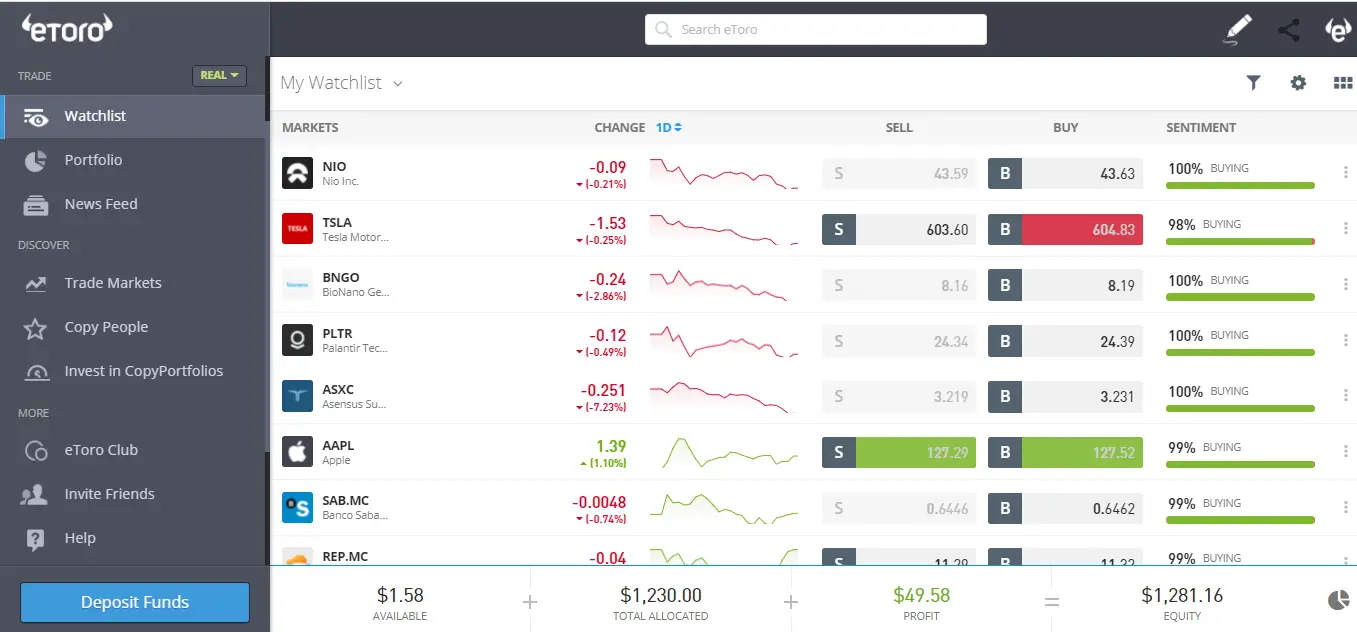
Interactive Brokers shines in costs: 0.08 pips EUR/USD. Ireland-regulated, pro-grade TWS with algos. Supports 100+ pairs. Deposits €0 min.
Saxo Bank offers pro tools: 0.4 pips, SaxoTrader with analytics. FSA licensed, €2,000 min but premium research.
eToro’s social edge: CySEC, copy pros, 1 pip spreads. 50+ pairs, crypto too.
Plus500: simple CFDs, 0.6 pips, CySEC. App scores 4.5/5 App Store.
These match EU needs perfectly.
What Makes Broker #6 to #10 Competitive?
CMC Markets competes with 0.7 pip spreads, FCA regulation, and MT4/Next Generation platform. Advanced charts, 24/7 support. SEPA free.
AvaTrade: CySEC/BaFin, 0.9 pips, MT5, education academy. Islamic accounts.
XTB: FCA/CySEC/KNF, 0.1 pip xStation5, market analysis. €0 min deposit.
BDSwiss: CySEC/FSC, 0.0 raw spreads, MT4/MT5, copy trading.
Capital.com: FCA/CySEC, 0.6 pips, AI news, fast app.
All offer ESMA leverage, segregated funds. XTB users praise analysis tools.
These round out choices for diverse strategies.
What Unique and Advanced Features Distinguish These EU-Regulated Brokers?
EU-regulated brokers differentiate themselves through proprietary mobile apps, AI-powered signal services, MiFID III-enhanced transparency tools, and post-Brexit passporting workarounds, setting them apart from less regulated offshore options.
Furthermore, these features address specific needs of EU traders, such as enhanced security and compliance-driven innovations.
How Do EU Brokers Differ from Offshore Alternatives?
EU brokers prioritize investor protection with strict leverage caps at 1:30 for major pairs, enforced by ESMA rules, while offshore brokers often allow up to 1:1000 leverage. This difference stems from MiFID II requirements, which mandate negative balance protection and segregated client funds. Offshore platforms, regulated in places like Seychelles or Vanuatu, offer higher risk-reward profiles but expose traders to potential fund recovery issues during broker insolvency.
:max_bytes(150000):strip_icc()/faq-what-are-the-withdrawal-limits-for-savings-accounts-4589981-final-8afca50154c641ea9b8b23c4f0c04d19.png)
Transparency also varies sharply. EU firms publish detailed execution quality reports quarterly, showing average spreads and slippage, unlike many offshore brokers that provide minimal disclosure. You’ll notice EU brokers like XTB and Plus500 integrate real-time order book data, helping traders assess liquidity.
Post-Brexit, UK-based brokers such as IG Group lost automatic EU access, forcing reliance on passporting via Irish or Cypriot entities. Offshore brokers bypass this entirely but face EU blacklists.
In particular, risk management tools shine in EU setups.
- Segregated accounts held at top-tier banks like Barclays ensure fund safety.
- FCA/CySEC audits verify compliance, contrasting offshore self-regulation.
- Investor compensation schemes cover up to €20,000 losses, absent offshore.
These distinctions make EU brokers ideal for conservative traders seeking reliability over aggressive leverage.
What Specialized Tools Do Top Brokers Offer for 2025?
Top EU brokers roll out 2025-specific tools like AI sentiment analyzers and VPS hosting compliant with MiFID III’s algorithmic trading rules. For instance, eToro enhances its social trading platform with EU-approved copy trading, where users mirror verified portfolios without bonus incentives that regulators frown upon.
Saxo Bank provides OpenAPI integrations for custom bots, paired with low-latency VPS servers to minimize execution delays. This setup supports high-frequency strategies under strict best execution mandates. CMC Markets offers Next Generation platform updates with AI-driven pattern recognition, scanning economic calendars for volatility predictions.
These tools cater to niche trading, such as indices or commodities, with drag-and-drop strategy builders. Why does this matter? EU rules demand pre-trade risk warnings, so platforms embed these seamlessly.
Besides standard MT5, expect integrations like TradingView charts with one-click EU-compliant order placement.
- Autochartist signals tuned for ESMA leverage limits predict breakouts accurately.
- Risk calculators enforce position sizing based on account equity.
- Economic calendars with impact ratings filter news events for EU sessions.
Such offerings position brokers like AvaTrade as leaders for tech-savvy EU users entering 2025.
Are There Broker-Specific Promotions for EU Traders?
Yes, select EU brokers offer tailored 2025 promotions such as cashback on spreads or deposit matches up to 50%, all within ESMA’s no-bonus framework that bans high-risk incentives. Pepperstone EU runs loyalty cashback programs, refunding up to 20% of commissions for active traders, verified via CySEC.
XTB provides zero-commission trading on major pairs for deposits over €10,000, alongside free withdrawals. These perks comply by focusing on rebates rather than leverage bonuses. Niche incentives target segments like scalpers with ultra-low spread challenges.
Compare this to offshore free-for-alls; EU limits prevent overtrading traps. Traders benefit from transparent terms, often with 30-day validity.
What’s more, seasonal offers align with market events.
- Q1 2025 ECB rate specials from IG include enhanced rebates on EUR pairs.
- Referral programs reward €100 per EU-compliant signup.
- VIP tiers unlock premium analysis for high-volume accounts.
Brokers like BDSwiss sweeten deals with educational webinars tied to rebates, building long-term value without hype.
What Rare Compliance Challenges Face Europe Forex Brokers?
EU forex brokers grapple with PSD2-mandated two-factor authentication for deposits, adding friction but boosting security against fraud. MiFID III updates in 2025 introduce payment-for-order-flow bans, forcing brokers like Plus500 to internalize more trades and widen spreads slightly.
Crypto CFDs face outright restrictions since 2021, with only synthetic equivalents allowed under BaFin oversight in Germany. Post-Brexit passporting headaches persist; UK firms use MiFID equivalence but require dual-entity navigation for EU clients.
Rare hurdles include systemic risk buffers, where brokers hold extra capital during volatility spikes, as seen in 2022 energy crises. eToro navigated this by delisting non-compliant assets promptly.
How do these affect trading? Expect smoother but slower onboarding.
Additionally, niche challenges shape operations.
- SCA exemptions for low-risk corporate accounts streamline pros.
- TRR reporting tracks retail trader records for ESMA oversight.
- Inducement rules limit research perks, pushing free tools instead.
Overcoming these, brokers like Saxo Bank maintain edge through adaptive tech.
