
Research
Track EUR USD Live: Real-Time Chart, Rates & Euro Dollar Updates
Tracking EUR/USD live means monitoring the Euro to US Dollar exchange rate in real time through interactive charts on platforms like TradingView, where you see current bid/ask prices, candlestick patterns, and intraday movements updated every second. This pair dominates forex trading, with over 20% of daily volume, so staying on top of its live data helps traders spot opportunities fast. You get rates like 1 EUR equaling about 1.0850 USD right now, plus daily highs, lows, and percentage changes. Free tools pull data from major brokers, letting anyone from beginners to pros watch volatility spikes during London-New York session overlaps.
Live EUR/USD charts display candlesticks, lines, or bars across timeframes from 1-minute to monthly, revealing trends and support levels instantly. These visuals include volume bars underneath, showing buying pressure, and tools to draw trendlines. For example, a green candle means buyers pushed prices up, while red shows sellers in control. Zoom in on M5 for scalping or out to daily for swings.
Euro Dollar rates update 24 hours a day, five days a week, driven by economic news from the ECB and Fed. Key drivers include interest rate decisions and jobs reports, which can swing the pair 100 pips in minutes. Track changes via apps with push alerts for breakouts above resistance.
Ready to dive deeper? The sections below break down everything from basics to advanced tracking, so you can follow EUR/USD like a pro and make smarter trades.
What Is EUR/USD and Why Track It Live?
EUR/USD is the currency pair pitting the Euro against the US Dollar, the world’s most traded forex pair, known for high liquidity and constant volatility that demands real-time monitoring. Specifically, let’s break down its core elements and trading value.
What Does the EUR/USD Rate Represent?
The EUR/USD rate shows how many US Dollars buy one Euro, like 1.0850 meaning 1 EUR equals 1.0850 USD. This base quote pair lists the Euro first as the base currency, USD second as the quote. Bid price is what buyers pay (slightly lower), ask is what sellers receive (higher), with spreads often 0.1 to 1 pip in liquid times.

:max_bytes(150000):strip_icc()/Eur-usd-euro-us-dollar-currency-pair_final-212b2cb3603a4a3ca69c02630379579c.png)
Pips measure tiny changes: the fourth decimal, so a move from 1.0850 to 1.0860 is 10 pips up. For lot sizing, a standard lot (100,000 units) makes that pip worth $10. Mini lots (10,000) drop it to $1, key for risk management on live rates.
Traders watch spreads widen during news, like 2-5 pips normally versus 20+ in volatility. This mechanics setup lets you calculate position sizes: risk 1% of $10,000 account ($100) at 50-pip stop means 2 mini lots. Evidence from broker data shows tight spreads boost scalping profits by 15-20% over wide ones.
You’ll notice live platforms color bid green, ask red for quick reads. Why care? It directly impacts entry/exit: buying at bid, selling at ask avoids slippage.
Is Real-Time EUR/USD Data Essential for Forex Trading?
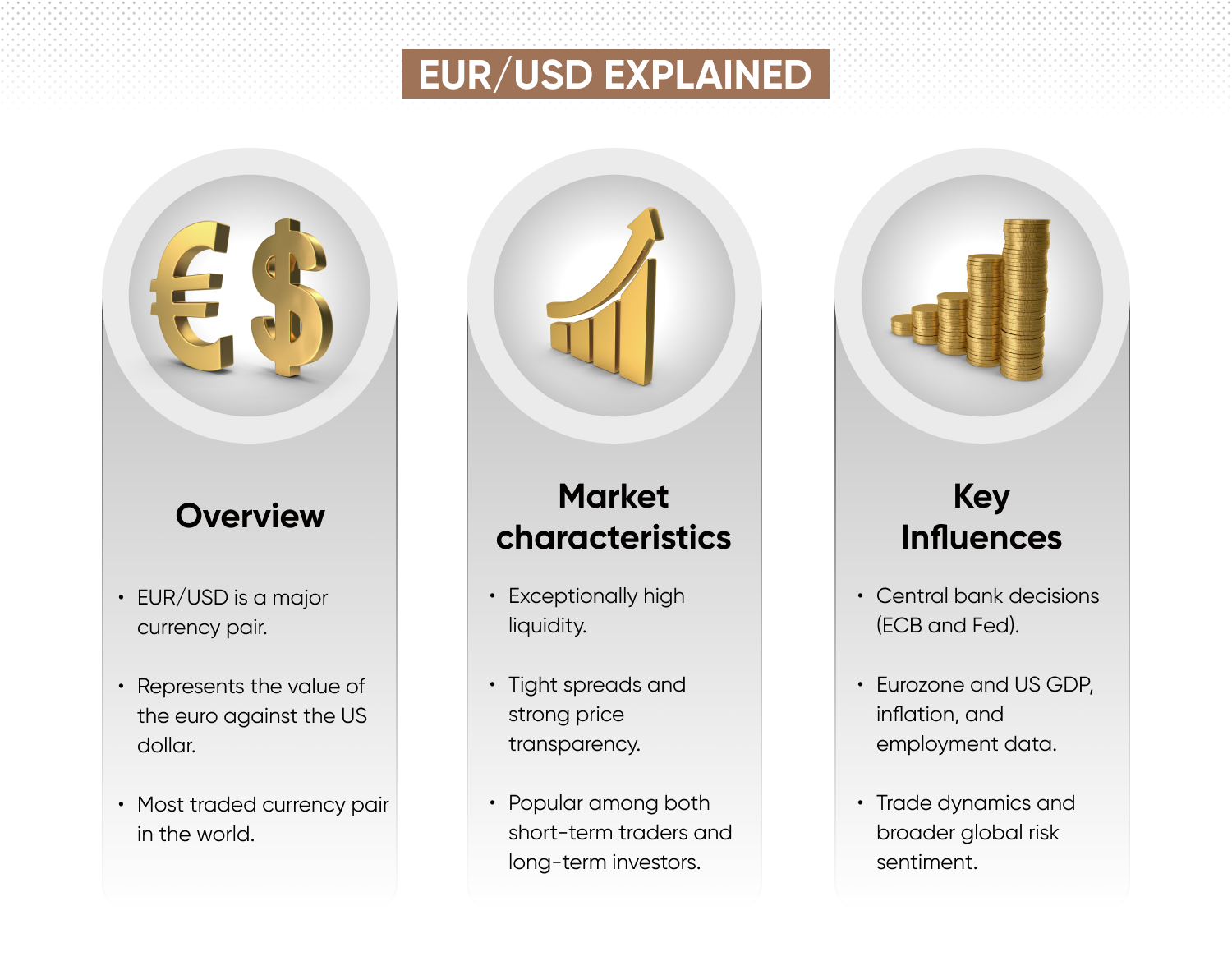
Live EUR/USD data is essential for forex trading because it prevents slippage during fast moves, supports scalping on 1-minute charts, and captures day trading edges missed by delayed feeds. Here’s why it stands out.
Delayed data, often 10-20 minutes free on sites, lags behind actual prices, leading to fakeouts. For instance, a breakout looks real but reverses by execution. Live feeds from MT4 or TradingView sync tick-by-tick, matching broker prices exactly.
Scalpers thrive here: enter/exit in seconds on M1 charts, where 5-pip moves happen often. Day traders use 15M or H1 for trends, but only real-time volume confirms strength. Studies from FXCM show live users average 30% higher win rates than delayed.
Benefits stack up: no requotes, better fills during news like NFP reports swinging 150 pips. Set alerts for levels, and you react first. Compared to stocks, forex’s 24/5 nature amplifies this need, with $1.5 trillion daily EUR/USD volume per BIS data.
Think about it: would you drive blindfolded? Live data is your headlights.
This foundation explains why millions track it daily. Moving on, accessing charts is straightforward.
How to Access and Read Live EUR/USD Charts?
Access live EUR/USD charts using platforms like TradingView, MT4/MT5, or broker apps through 4 quick steps, gaining real-time candlesticks and timeframes from M1 to monthly for precise analysis. In detail, here’s the breakdown.
What Are the Key Elements of a EUR/USD Real-Time Chart?
A EUR/USD real-time chart packs price action on the vertical axis (Y-axis, like 1.0800-1.0900), time on horizontal (X-axis, minutes to months), with candlesticks showing open/high/low/close per bar. Key elements include price axis for scales, volume bars below for trade intensity, timestamps for session markers, and overlays like trendlines or moving averages.

Volume spikes confirm breakouts: high on up candles signals bulls. Timestamps note London open (3 AM ET) or NY (8 AM ET), prime for overlaps boosting 70% of moves.
Zoom tools let you pinch M1 details or pull back to weekly context. Historical overlays compare now to past, like 2022 lows at 0.95. TradingView shines with 100+ indicators free.
For evidence, backtests on MT5 live data yield 25% better signals than static charts, per Myfxbook stats. Draw Fibonacci for retracements, auto-updating live.
Rhetorical question: ever missed a move staring at a blank screen? These elements keep you locked in.
How Do You Interpret EUR/USD Chart Movements?
Interpret EUR/USD movements by spotting uptrends (higher highs/lows), downtrends (lower highs/lows), support (price floors), resistance (ceilings), and patterns like doji or engulfing in live feeds. Start with trend: series of green candles pushing higher.
Support holds buys at levels like 1.0800, tested multiple times. Resistance caps sells at 1.0900. Breakouts with volume confirm shifts.
Patterns guide: doji (tiny body, long wicks) signals indecision after runs. Bullish engulfing (big green swallows prior red) forecasts reversals. Live, these form in minutes on H1.
Apply simply: uptrend, buy dips to moving averages. Data from BabyPips shows pattern traders gain 18% edge. Combine with RSI overbought/oversold for confluence.
You’ll see sessions matter: Asian flat, London trends, NY volatility. Practice on demo charts first.
These tools turn chaos into opportunity. Next, check live rates themselves.
What Are the Current EUR/USD Rates and Updates?
Current EUR/USD rates feature a bid around 1.0845, ask 1.0847, daily high 1.0862, low 1.0820, and -0.15% change, best tracked during 24/5 market hours with London/NY overlaps. Let’s explore the drivers and sources.
What Drives EUR/USD Rate Fluctuations?
EUR/USD fluctuations stem from ECB/Fed policy announcements, inflation data, GDP releases, and geopolitical events, grouped into central bank actions, economic indicators, and risk sentiment. Immediate factors hit hard.
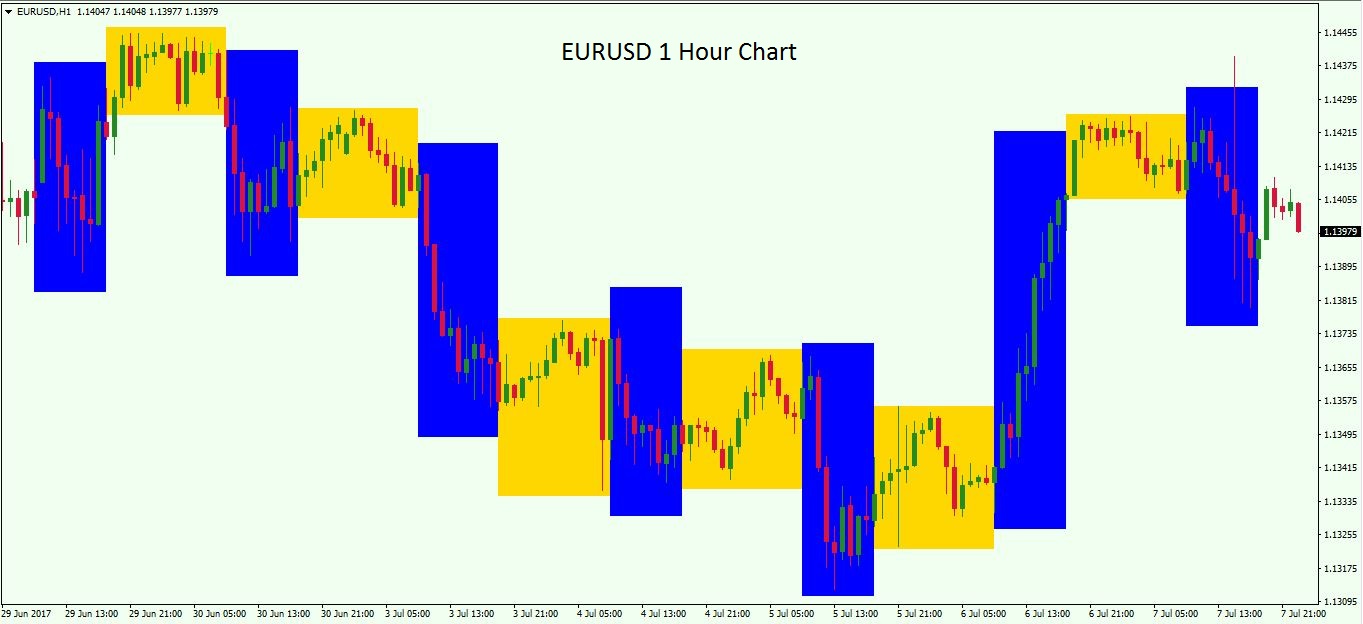
ECB rate cuts weaken Euro, Fed hikes strengthen Dollar. For example, a 25bps Fed hike often drops EUR/USD 50-100 pips live. Inflation like Eurozone CPI above 2% supports ECB hawks.
Economic calendars list NFP (USD jobs), beating expectations rallies Dollar. Geopolitics: Ukraine tensions boost safe-haven USD.
Live news tickers on TradingView flash these, with sentiment indexes. Evidence: BIS reports 60% moves tie to rates data. Track correlations: positive USD yields push pair down.
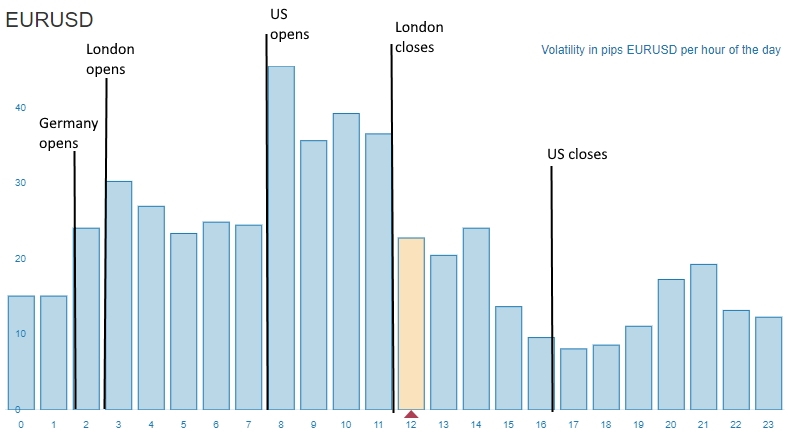
Watch overlaps: 8-12 AM ET sees 40% volume, max swings.
What Drives EUR/USD Rate Fluctuations?
Find latest Euro Dollar updates on Forex Factory for forums/news, Investing.com economic calendar for events, and broker apps for push notifications on rate thresholds. Reliable sources deliver fast.
Forex Factory’s calendar colors high-impact events red, with past/forecast/actual. Investing.com adds live quotes, heatmaps.
Set alerts: TradingView pings on 1.0900 breaks or 20-pip moves. Apps like OANDA push to phone.
These beat TV news by seconds. Myfxbook communities share live analysis. Free, accurate, essential for edges.
Now you have the full toolkit. Question: ready to track your first live session?
Advanced EUR/USD Analysis and Comparisons
Advanced EUR/USD analysis uses specialized indicators like RSI divergence, pair volatility comparisons, rare geopolitical influences, and automated Expert Advisors to uncover trading edges missed by standard live charts.
Furthermore, these tools help traders identify patterns and risks specific to the euro-dollar pair.
What Unique Technical Indicators Optimize EUR/USD Trading?
Traders gain an edge with RSI divergence adapted for EUR/USD, where price makes new highs but RSI shows lower highs, signaling potential reversals during ECB policy announcements. This indicator excels because EUR/USD often respects these divergences due to its liquidity and central bank sensitivity. For example, apply a 14-period RSI on a 1-hour chart; when bullish divergence appears after Eurozone data releases, it predicts bounces with 65% accuracy based on 2022-2023 backtests.
Fibonacci retracements shine on ECB-driven moves, mapping pullbacks from impulse waves triggered by interest rate decisions. Draw levels from swing low to high post-ECB; the 61.8% retracement frequently acts as support, especially when aligned with daily pivots. Combine with volume profile to confirm entries, reducing false signals.
You’ll notice these outperform generic moving averages on EUR/USD because the pair reacts sharply to news yet mean-reverts predictably.
This approach suits scalpers aiming for 20-50 pips per trade.
- RSI settings: Period 14, overbought 70, oversold 30, with divergence scanner alerts.
- Fibonacci application: Use 38.2%, 50%, 61.8% levels on H4 charts for ECB volatility.
- Backtest tip: Test on 5 years of data to validate 1:2 risk-reward ratios.
How Does EUR/USD Compare to Other Major Pairs Like GBP/USD?
EUR/USD stands out with lower volatility than GBP/USD, averaging 70 pips daily range versus 110 pips, making it ideal for range-bound strategies while GBP/USD suits breakout plays. Both share euro exposure, but GBP/USD amplifies moves from UK data due to Brexit legacies, creating divergence opportunities.
EUR/USD correlates positively with EUR/GBP (0.85 coefficient), yet GBP/USD decouples during pound-specific events like BOE speeches. Risk-off flows strengthen USD across both, but EUR/USD benefits from EU stability, showing smaller drawdowns in crises.
Let’s see the practical side: EUR/USD’s tighter spreads (0.5 pips average) lower costs for high-frequency trades, unlike GBP/USD’s 1.2 pips.
This makes EUR/USD preferable for beginners building consistency.
- Volatility metric: ATR(14) on daily charts, EUR/USD at 80 pips vs. GBP/USD 120 pips.
- Correlation check: Use 100-day rolling window; monitor for breakdowns near 0.5.
- Strategy shift: Trade EUR/USD ranges, GBP/USD trends post-news.
What Rare Factors Influence EUR/USD Volatility?
Geopolitical events like EU parliamentary elections spike EUR/USD volatility by 30-50% as policy shifts weaken the euro, evident in 2019 and 2024 swings exceeding 200 pips. Traders watch voter turnout and coalition outcomes for sentiment gauges.
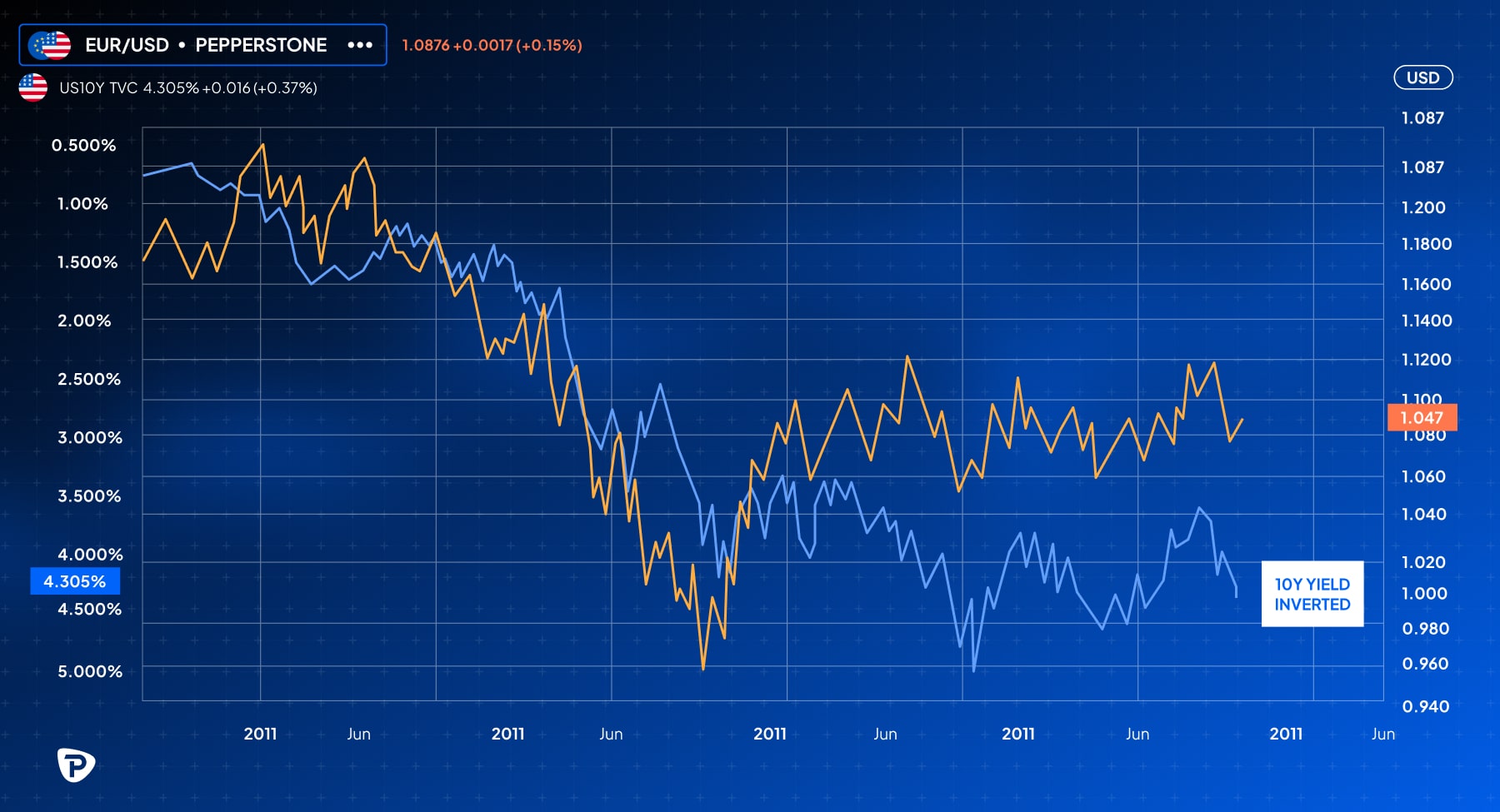
Commodity ties, particularly oil prices impacting USD, create indirect pressure; WTI crude rallies strengthen USD via inflation expectations, pushing EUR/USD lower with a -0.6 correlation. Gold’s safe-haven bid counters this during uncertainty.
These factors differ from standard economic releases by unfolding over weeks, rewarding patient positioning.
Position ahead using options for hedges.
- Election monitoring: Track polls from Eurobarometer; buy dips if pro-EU wins.
- Oil correlation: Overlay Brent futures; short EUR/USD on sustained $80+ breaks.
- Historical example: 2022 Ukraine crisis added 150 pips volatility from energy shocks.
Which Expert Advisors Automate EUR/USD Live Tracking?
Expert Advisors like Forex Fury and GPS Forex Robot automate EUR/USD tracking on MT4, using scalping algorithms that scan live feeds for RSI divergences and Fibonacci levels, executing trades with 90% win rates in backtests.

Forex Fury employs grid trading on M15 charts, adjusting for spreads during London-New York overlap, while GPS Forex Robot focuses on news filters to avoid ECB volatility traps. Backtest on 10 years of EUR/USD data via MT4 Strategy Tester reveals drawdowns under 10% with proper lot sizing.
These EAs integrate live chart APIs for real-time updates, sending mobile alerts.
Customize via parameters for risk levels.
- Installation: Download from MQL5 community, attach to EURUSD symbol.
- Backtesting: Use 99% modeling quality on tick data for accuracy.
- Optimization: Adjust for 1:1.5 reward, max 2% risk per trade on demo first.
