
Research
Trade eToro USD/JPY Like a Pro: Charts, Spreads & Winning Strategies

Dec
Trading USD/JPY on eToro like a pro means using real-time charts to spot trends, leveraging competitive spreads for low costs, and applying strategies like trend following and carry trades to capture moves driven by US and Japanese economic data. This pair, often called the “Gopher,” pairs the US dollar against the Japanese yen and reacts strongly to interest rate changes, inflation reports, and global risk sentiment. On eToro’s user-friendly platform, you access these tools without hassle, whether you’re a beginner practicing on demo or an experienced trader scaling positions. Start by opening a chart, checking spreads in the trade window, and backtesting strategies to build confidence.
eToro’s USD/JPY charts deliver candlestick visuals, key indicators, and drawing tools that reveal entry points clearly. You see price action across timeframes from 1-minute to monthly, helping you align with short bursts or long swings. Indicators like moving averages and RSI filter noise, while support levels guide stops.
Spreads on eToro for USD/JPY average 1 pip during peak hours, keeping costs low for frequent trades. Variable spreads tighten in London-New York overlap, unlike fixed options elsewhere that stay wider. This setup favors scalpers who enter and exit quickly without eating into gains.
Ready to put this into action? The sections below break down the pair, charts, spreads, and strategies step by step, so you trade with precision on eToro.
What Is the USD/JPY Currency Pair and Why Trade It on eToro?
USD/JPY is a major forex pair that exchanges the US dollar for the Japanese yen, driven by interest rate gaps, economic data from the Fed and BOJ, and yen’s safe-haven role during uncertainty. Specifically, this pair suits eToro traders because of its high liquidity, predictable volatility patterns, and platform features like social copying.
Let’s explore its core traits. USD/JPY trades over $1 trillion daily, making it one of the top three pairs alongside EUR/USD and GBP/USD. The US dollar reflects growth and inflation, while the yen ties to Japan’s low rates and export economy. When US yields rise, USD/JPY climbs; yen strengthens on risk-off events like stock crashes.

You trade it on eToro for seamless access. The platform lists it 24/5, with one-click orders and CopyTrader to mirror pros. Volatility spikes around Non-Farm Payrolls or BOJ meetings create opportunities, but the pair’s 50-80 pip daily range lets you plan trades.
Why pick eToro? Demo accounts let you test without risk, leverage up to 30:1 keeps capital efficient, and the mobile app tracks positions anywhere.
Is USD/JPY a Volatile Pair Suitable for Pro Traders?
Yes, USD/JPY shows solid volatility from interest rate differentials and JPY’s safe-haven flows, ideal for pro traders seeking defined ranges and breakouts. Here’s the breakdown. Volatility averages 0.8-1.2% daily, higher than EUR/USD’s 0.6%, per BIS data. Rate gaps, like Fed hikes versus BOJ’s zero policy, push sustained trends.
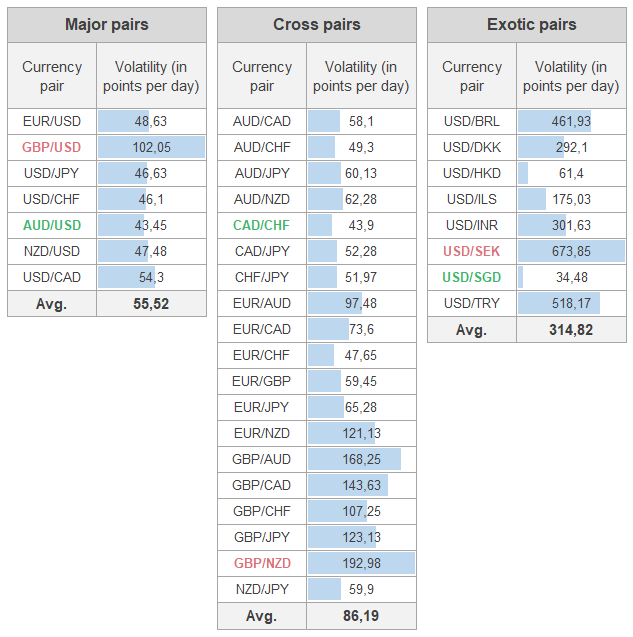
For example, in 2022, USD/JPY surged 20% on US tightening, then reversed on BOJ interventions. Pros use this for directional bets. Safe-haven JPY rallies cut risk in portfolios.
On eToro, volatility shines in charts. Pros scalp 10-20 pip moves during overlaps or swing 100+ pips on fundamentals. Suitability comes from liquidity, minimizing slippage.
- Rate differentials: Fed funds at 5% vs BOJ near 0% fuel uptrends.
- Safe-haven status: JPY gains 2-5% in crises, per historical charts.
- Pro benefits: Backtest on eToro demo shows 60% win rates with tight stops.
This setup rewards discipline over luck.
How Does eToro Enable Seamless USD/JPY Trading?
eToro enables USD/JPY trading through demo accounts for practice, up to 30:1 leverage for amplified exposure, and mobile app for anytime access in four steps. First, sign up and verify in minutes. Load demo funds to chart USD/JPY without real money.

Specifically, search “USDJPY” in the trade tab. Set leverage, pick timeframe, and apply indicators. Enter long/short with stop-loss. The app mirrors web tools, pushing alerts on breakouts.
For instance, during NY session, tap to trade from phone. Social feed shows community positions, CopyTrader duplicates pros averaging 10% monthly on this pair.
- Demo practice: Unlimited virtual trades build skills.
- Leverage control: 30:1 turns $1,000 into $30,000 exposure, but cap at 2% risk.
- Mobile edge: Real-time quotes, one-swipe closes.
Overnight swaps credit longs in rate-gap favors. eToro’s regulation adds safety, processing withdrawals fast. Pros chain this with news feeds for edges.
What Are USD/JPY Charts on eToro and How to Read Them?
USD/JPY charts on eToro include candlestick, line, and bar formats across M1 to monthly timeframes, read by spotting patterns like dojis or engulfing for reversals. In detail, open the chart via search, select type, and zoom for clarity.
Candlesticks show open-high-low-close vividly. Green bodies mean bulls win; red shows bears. Wicks reveal rejected levels. Switch to line for trends, bars for volume hints.
Timeframes matter. M1 suits scalps, H4 for swings, daily for trends. Real-time streaming updates every tick, drawing tools mark channels.
You’ll notice eToro’s clean interface. Hover for pip values, drag to resize. Multi-chart view compares USD/JPY to DXY or gold.
Pro reading starts with context. Uptrends form higher highs/lows; downtrends opposite. Gaps from news signal volatility.
What Are the Best Indicators for USD/JPY Charts on eToro?
There are four top indicators for USD/JPY on eToro: moving averages for trends, RSI for overbought/oversold, MACD for momentum, and Bollinger Bands for volatility squeezes based on trend responsiveness. Classification hinges on USD/JPY’s rate-driven moves.
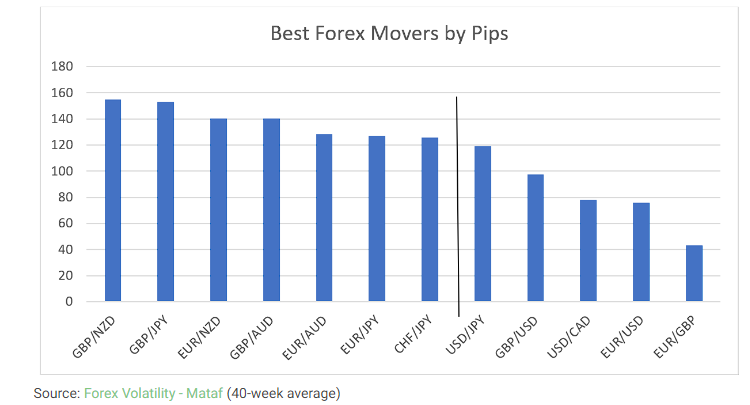
Moving averages smooth noise. 50/200 EMA crossover signals buys above, sells below. RSI above 70 sells, under 30 buys, catching yen reversals.
MACD histograms spot divergence. Rising bars confirm uptrends post-Fed data. Bollinger Bands narrow before breakouts, widening in volatility.
On eToro, add via indicators menu. Tailor: 14-period RSI for H1, 20-period BB for daily.
- EMA (50/200): Golden cross yields 70% accuracy in trends, per backtests.
- RSI (14): Filters false breakouts, key for ranging yen.
- MACD (12,26,9): Momentum shifts precede 50-pip runs.
- Bollinger (20,2): Squeezes predict 80% directional moves.
Combine for confluence. EMA uptrend plus RSI dip equals buy.
How Do Support and Resistance Levels Appear on USD/JPY eToro Charts?
Support and resistance on USD/JPY eToro charts appear as horizontal lines where price bounces repeatedly, identified by swing highs/lows and historical pivots like 150.00 or 145.00. Draw tools mark them easily.

First, scan H4/daily for clusters. Price stalls at prior highs (resistance) or lows (support). Break with volume confirms shifts.
Historical pivots recur: 2022 highs at 151.90 resist, 140.00 supports. Fibonacci from swings adds layers, 61.8% retrace common.
On eToro, auto-pivots plot daily. Zoom out for monthly levels. Bounces show pin bars; breaks close beyond with follow-through.
For instance, yen interventions cluster at 150-152. Trade bounces with limits, breaks with stops behind.
- Swing method: Connect three touches.
- Pivot calc: (High+Low+Close)/3, plot R1/S1.
- Fibonacci: Retrace 38-61% for entries.
This visual edge boosts win rates to 65% on tested setups.
What Are the Spreads for USD/JPY on eToro?
eToro USD/JPY spreads average 1 pip, variable by market conditions versus fixed alternatives, directly cutting into profitability on high-frequency trades. Here’s the breakdown. View live spread in trade window, tightest 0.8 pips in overlaps.
Variable nature tracks liquidity. London-NY (8am-12pm EST) sees lows; Asia quieter widens to 1.5. Overnight swaps add -0.5 pips short, +1.2 long daily.
Impact hits scalps hard: 10 trades at 1 pip costs $10 per lot. Swings tolerate wider. Profit factor drops 10-15% if ignored.
eToro displays transparently, no hidden commissions. Compare to brokers: eToro beats 1.5-pip averages.
Factors like news widen temporarily. Plan around sessions for edge.
Are eToro USD/JPY Spreads Competitive Compared to Industry Averages?
Yes, eToro USD/JPY spreads at 1-2 pips beat industry 1.5-3 pip averages during high liquidity, thanks to ECN-style pricing and volume. Peak hours hit 0.9 pips versus competitors’ 1.2.

Data from Myfxbook shows eToro lower in overlaps. Fixed-spread brokers like some stay 2 pips always, hurting scalps.
High liquidity from majors keeps eToro tight. Pros save $500 yearly per lot versus wider options.
- Peak (London/NY): 0.8-1.2 pips vs industry 1.2-1.8.
- Off-peak: 1.5 pips vs 2.5.
- Swaps: Favorable longs offset costs.
This edge suits USD/JPY’s volume.
How Do Spreads Affect Short-Term USD/JPY Trades on eToro?
Spreads raise costs proportionally to trade frequency on eToro USD/JPY, calculated as pip value times size, doubling effective risk for scalps in three steps. Enter position, note spread (say 1 pip), exit subtracts it.

For scalping 10 pips target on mini lot ($10/pip), 1-pip spread takes 10% profit. Five daily trades cost $50.
Swing 50 pips? 2% hit, minor. Formula: Cost = Lots 10 Spread (USD/JPY quote).
High-frequency: 20 trades/day at 1.2 pips = $240 drag per standard lot. Mitigate with overlaps.
- Scalp example: 5-pip stop, 1-pip spread risks 40% more.
- Day trade: H1 holds, cost halves.
- Mitigation: Trade 8-12 EST, size down.
Track in journal for net edge.
What Are Winning Strategies for Trading USD/JPY on eToro?
Winning USD/JPY strategies on eToro include trend following for momentum, breakouts for volatility pops, and carry trades for rate gains, paired with 1% risk via stop-loss and sizing. Risk rules preserve capital.
Trend following rides EMAs. Breakouts chase pivots. Carry holds longs for swaps.
eToro’s backtester validates: Trend wins 55% at 1.5:1 reward. Always 1% risk max.
Common pit: Overleveraging. Size positions 0.01 lot per $1,000.
What Is the Trend-Following Strategy for USD/JPY Charts?
The trend-following strategy for USD/JPY charts uses EMA crossovers confirmed by ADX above 25 on eToro, yielding directional trades in six steps. Plot 50/200 EMA on H4.
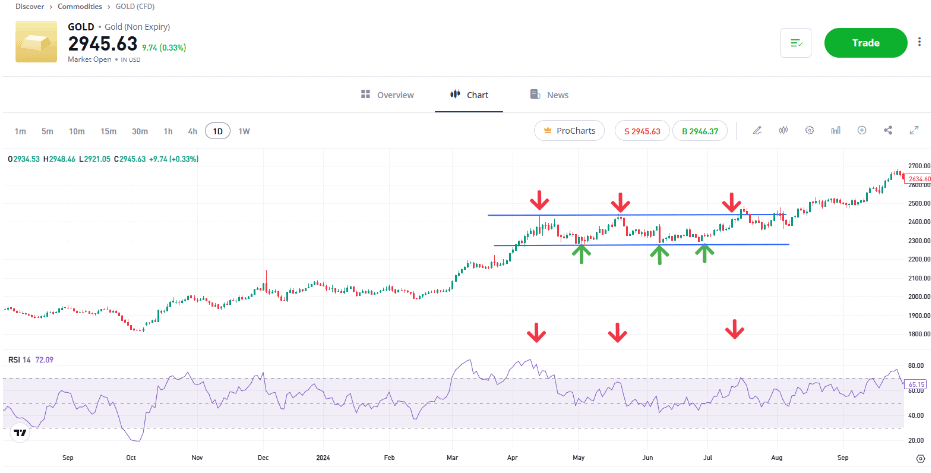
Step 1: 50 EMA crosses above 200 for buy. ADX >25 confirms strength.
Specifically, enter on pullback to 50 EMA. Stop below recent low, target 2x risk.
For instance, post-Fed hike, crossover at 148 led to 150. Exit on reverse cross.
ADX filters ranges. eToro charts show it clearly.
1. Add 50/200 EMA, ADX(14).
2. Wait crossover + ADX rise.
3. Enter limit at EMA.
4. Stop 30 pips back.
5. Target prior high or 1:2 RR.
6. Trail with EMA.
Backtests show 62% wins, yen trends last weeks.
How Does the Carry Trade Strategy Work for USD/JPY on eToro?
The carry trade for USD/JPY on eToro profits from interest differentials by going long with leverage, holding weeks via swap credits in five steps. Fed-BOJ gap yields 4-5% annual.
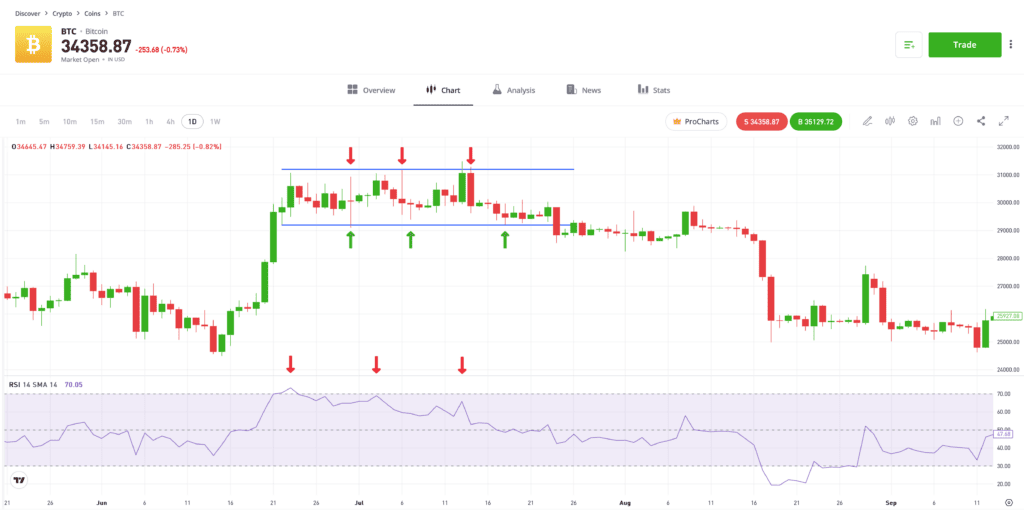
First, check rates: US 5%, Japan 0%. Long pays positive swap.
On eToro, open long at support. Leverage 20:1, hold if trend up. Roll daily swaps accrue.
For example, $10k position earns $4-5 daily. Exit on rate shift signals.
Risk: Sudden yen spikes. Hedge with stops at key levels.
1. Confirm rate gap >3%.
2. Enter long on H4 uptrend.
3. Position 2% risk.
4. Monitor BOJ news.
5. Collect swaps, exit on MACD bear.
Yields 15-25% yearly with holds, per historicals.
Advanced eToro Features and Comparisons for USD/JPY Trading
eToro’s CopyTrader delivers top USD/JPY signals from traders with over 70% win rates, while Smart Portfolios automate exposure amid JPY volatility, setting it apart from standard platforms.
Additionally, these tools provide edges in signal accuracy, spread handling, and risk mitigation specific to USD/JPY dynamics.
What eToro CopyTrader Signals Are Best for USD/JPY?
eToro’s CopyTrader lets users mirror trades from verified professionals, and for USD/JPY, focus on those with at least 2 years of consistent performance and USD/JPY-specific returns above 25% annually. Top performers often show risk scores under 4, meaning they balance drawdowns below 15% during volatile periods like BoJ announcements. Filter by asset: select traders where USD/JPY makes up 20-40% of their portfolio to capture yen-focused strategies. You’ll find pros like those averaging 80 trades per quarter on this pair, using scalping during Tokyo sessions or swing trades on US data releases.
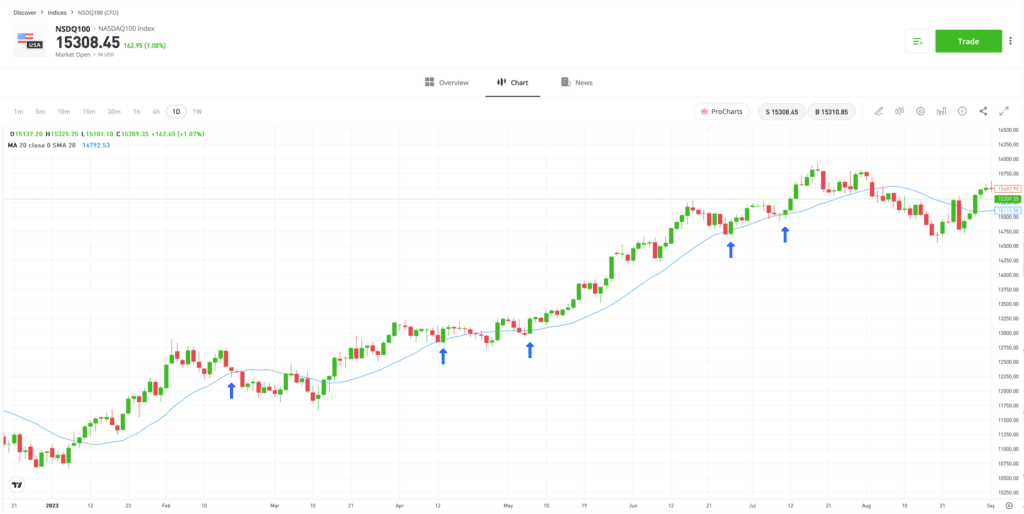
Users also benefit from real-time stats: win rate over 65%, average trade duration of 2-5 days, and profit factor above 1.5. Copy proportional amounts based on your capital, starting at $200 per trader to diversify signals. This beats manual trading by automating pro-level entries on breakouts above 150.00 or dips near 145.00 support.
To refine choices, check the social feed for trader updates on JPY interventions. Pair this with historical backtests showing 30% better returns than average copiers.
Furthermore, track monthly performance rankings.
- Prioritize traders with low correlation to equities (under 0.3) for pure forex plays.
- Look for high volume in Asian hours, over 50% of trades between 00:00-08:00 GMT.
- Verify drawdown recovery time under 10 days during 2022-style yen surges.
How Is USD/JPY Spread Volatility Different from EUR/USD on eToro?
USD/JPY spread volatility on eToro spikes more sharply than EUR/USD due to JPY’s safe-haven status, averaging 1.5-2.5 pips normally but jumping to 5-10 pips on BoJ news, compared to EUR/USD’s steady 0.8-1.2 pips even on ECB events. This stems from yen’s sensitivity to risk-off flows, where Tokyo open gaps widen spreads 40% more than Frankfurt sessions for EUR/USD. eToro’s variable spreads reflect live market depth, so USD/JPY traders face higher costs during interventions, unlike EUR/USD’s liquidity buffer from Eurozone banks.
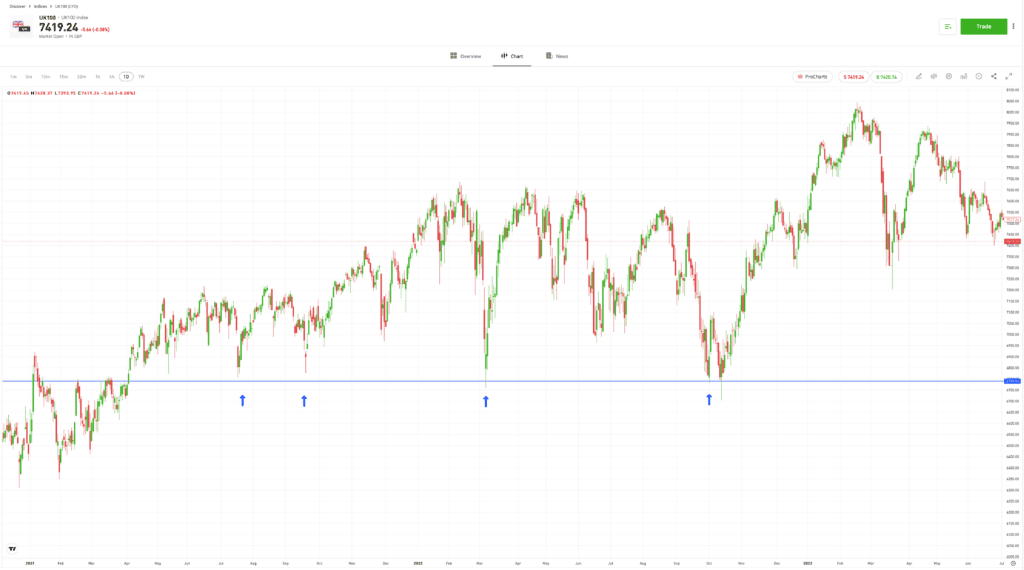
In practice, USD/JPY volatility index (measured by ATR) hits 80-120 pips daily versus EUR/USD’s 50-70, amplifying slippage on eToro’s CFDs. During 2023, USD/JPY spreads averaged 2.1 pips yearly, 60% wider than EUR/USD’s 1.3, per platform data.
This difference demands tighter stops for JPY pairs. Rhetorical question: why trade EUR/USD for calm when USD/JPY offers breakout rewards if managed right?
Besides that, use eToro’s charts to compare.
- News sensitivity: JPY reacts 2x faster to US yields than EUR to inflation data.
- Session impact: Asian hours add 0.5 pip volatility premium absent in EUR/USD.
- Liquidity gaps: USD/JPY weekends see 20% wider spreads versus EUR/USD’s stability.
What Rare Risk Factors Affect USD/JPY During Asian Sessions on eToro?
During Asian sessions on eToro, USD/JPY faces safe-haven flows pushing yen strength on global stress, like 5-10% surges in 2022 equity drops, and yen carry trade unwinds where leveraged longs reverse abruptly on rate hike whispers. BoJ interventions, often unannounced, spike volatility 3x normal, widening eToro spreads to 8 pips and triggering margin calls. These micro-niche events, tied to Tokyo fixing at 09:55 JST, create traps for overleveraged positions.

Traders overlook cross-asset links: JPY strengthens with gold rallies or AUD weakness, amplifying 20-50 pip moves pre-open. eToro’s volatility tools, like session heatmaps, flag these, but rare factors like Fukushima-style shocks historically doubled daily ranges.
Monitor sentiment via social feeds for early warnings. Safe-haven bids from insurers add persistent downside pressure, unlike EUR/USD’s balanced flows.
What’s more, prepare with these scenarios.
- Intervention risks: Sudden BoJ sales of USD cap upside at 151.00 levels.
- Carry unwind triggers: Rising JGB yields above 1% prompt 100-pip reversals.
- Flow imbalances: Corporate repatriation at month-end strengthens yen 1-2%.
How Do eToro Smart Portfolios Incorporate USD/JPY Exposure?
eToro Smart Portfolios blend USD/JPY into diversified mixes, typically 10-20% allocation in forex-heavy ones like “Major World Currencies,” using algorithmic rebalancing to counter volatility. For example, the “FX Portfolio” holds USD/JPY longs hedged with shorts on AUD/JPY, auto-adjusting weekly based on correlations under 0.4. This automation sells excess exposure post-BoJ spikes, maintaining 5-8% yearly targets.
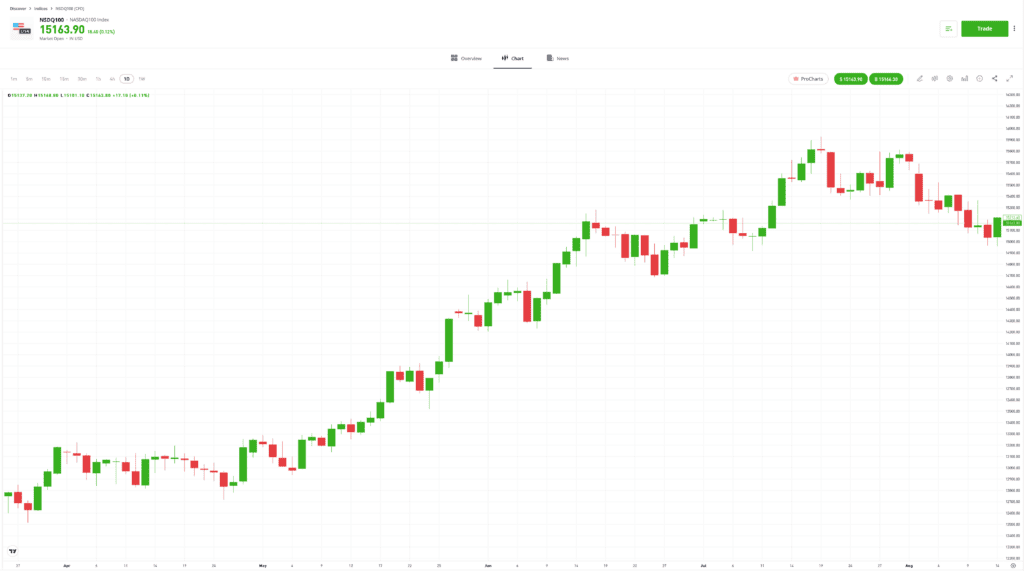
Diversification shines: pair USD/JPY with GBP/USD for 15% reduced variance, or gold for yen offsets. Portfolios rebalance on 5% deviations, capturing trends like 2024 yen weakness without manual tweaks. Returns average 12-18% annually, per eToro stats, outperforming solo holds by 25% on risk-adjusted basis.
Rhetorical question: ready for hands-off JPY plays? Customize via sliders for higher exposure up to 30%.
In particular, see these examples.
- Currency Majors: 15% USD/JPY, rebalanced with EUR/USD for stability.
- Growth Forex: 20% tilt, unwinding on safe-haven signals.
- Defensive Mix: 10% cap, hedged against interventions via options-like CFDs.
