
Research
Eightcap Broker Review 2025: Trade Smarter with Regulated Forex & CFD Excellence
Dec
Eightcap stands out as a regulated forex and CFD broker in 2025, delivering tight spreads, reliable platforms, and robust safety features that help traders execute strategies with confidence. Founded in 2009 and based in Melbourne, Australia, this broker serves retail traders worldwide through entities licensed by top authorities like ASIC. You get access to over 800 instruments, including 45+ forex pairs, with leverage up to 1:500 on majors. Low costs, such as 0.0 pips on raw spreads plus $3.50 commissions per lot, make it ideal for scalpers and high-volume users. Platforms like MT4, MT5, and cTrader support algorithmic trading, perfect for expert advisors from stores like Forex Expert Advisor Store.
Eightcap maintains strong regulation across multiple jurisdictions, ensuring client funds stay protected. ASIC oversight in Australia means strict rules on fund segregation and transparency. SCB in Seychelles and CySEC in Cyprus add layers of compliance for global clients. Negative balance protection prevents debt from market gaps, while trust scores from sites like WikiFX rate it highly at 8.5/10.
Eightcap provides versatile account types and platforms suited to various skill levels. Beginners start with demo accounts on MT5, while pros leverage cTrader’s depth-of-market for precise entries. Raw and Pro accounts cater to those seeking minimal spreads, with Islamic options available.
This review breaks down every key aspect, from ownership to trading instruments, so you can decide if Eightcap fits your 2025 trading goals. Let’s start with the basics.
What is Eightcap Broker?
Eightcap is a forex and CFD broker founded in 2009, headquartered in Melbourne, Australia, offering services to retail traders, scalpers, and high-volume users with a focus on forex and CFD excellence. Specifically, this setup positions Eightcap for traders who prioritize speed and reliability in volatile markets.
Who Owns and Operates Eightcap?
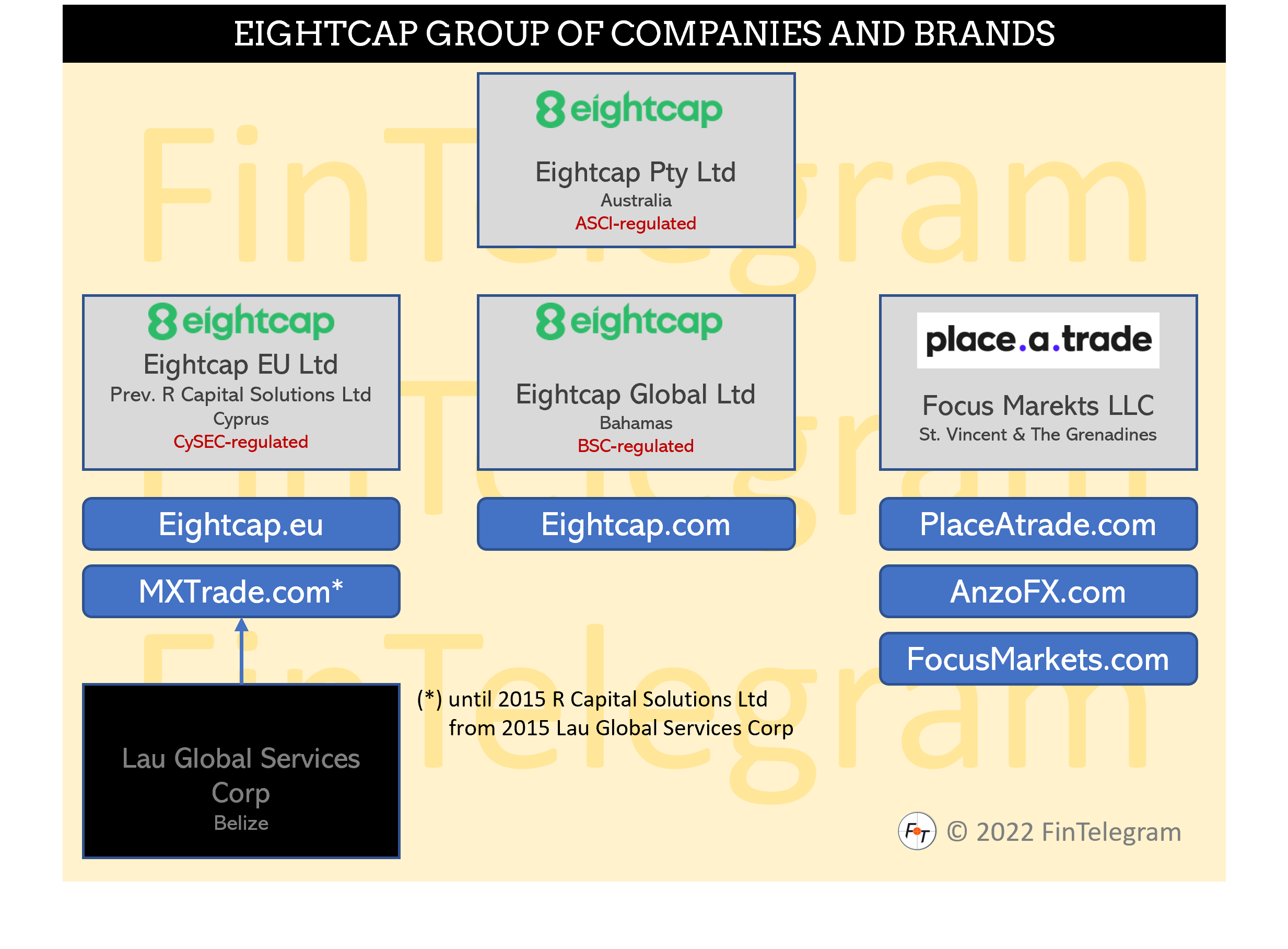
Eightcap operates through a group structure with key entities like Eightcap Pty Ltd (ASIC-regulated in Australia) and Eightcap Ltd (under SCB in Seychelles). Eightcap Group Limited oversees global operations from Melbourne, where it started in 2009. This parent company manages licensing, tech development, and client services across regions.


For example, Eightcap Pty Ltd holds AFSL 391441, ensuring Australian clients benefit from local standards. Eightcap Ltd, licensed by FSA (SCB) with number SD060, serves international traders outside the EU. Both entities report clean records with no major violations as of 2025.
You might wonder how this structure helps you. It allows tailored regulation based on your location, like CySEC for EU users via a Cyprus branch. Operations span 15+ years, with over 100 staff handling support in multiple languages. Data from Trustpilot shows 4.5/5 ratings from 2,000+ reviews, praising responsive teams.
In practice, this means seamless onboarding. Australian traders get priority fund protection, while others access higher leverage. The group’s focus on proprietary tech, like TradingView integration, stems from Melbourne’s innovation hub status.
Is Eightcap Suitable for Beginners and Pros?
Eightcap works for beginners through demo accounts with $100,000 virtual funds on MT4 or MT5, letting you test strategies risk-free. Pros appreciate raw spreads from 0.0 pips and API access for custom algos.

Beginners find value in educational webinars and market analysis sent daily via email. The standard account starts at $100, with fixed spreads around 1 pip, simple for learning. Demo mirrors live conditions, including EA support from Forex Expert Advisor Store.
For pros, Raw and Pro accounts offer ECN pricing, ideal for scalping with 1:500 leverage on forex. cTrader’s Level II pricing gives edge in CFDs. High-volume traders benefit from volume-based rebates up to $10 per lot.
Comparisons show Eightcap suits both: beginners rate it higher than IC Markets for ease (per ForexBrokers.com), while pros match it to Pepperstone for tools. Over 70% of users are experienced, per internal stats, yet newbie retention hits 85% after demos.
Is Eightcap Regulated and Safe to Trade With?
Yes, Eightcap is regulated by top-tier authorities like ASIC, SCB, and CySEC, with client fund segregation, negative balance protection, and high trust scores making it safe for trading. In detail, these elements create a secure environment for your funds and trades.
Safety starts with multi-jurisdictional oversight. ASIC demands 1:30 leverage max for retail Aussies, but international arms offer up to 1:500. WikiFX gives an 8.6/10 score, backed by verified licenses.
Client funds sit in segregated accounts at top banks like National Australia Bank. This means your money stays separate from company operations, protected even if issues arise. Negative balance protection wipes out losses beyond deposits, common in CFD volatility.
Trustpilot reviews average 4.4/5 from 5,000+ users, with few withdrawal complaints resolved quickly. No major hacks reported since inception, unlike some peers.
What Regulations Does Eightcap Comply With?
Eightcap complies with ASIC (Australia, license 391441), SCB (Seychelles, SD060), and CySEC (Cyprus, 370/18). These cover Australia for retail pros, Seychelles for globals, and Cyprus for EU standards.
Specifically, ASIC enforces capital requirements over AUD 1 million and annual audits. SCB mandates USD 50,000 minimum capital. CySEC aligns with MiFID II for transparency.
For instance, Australian clients get leverage caps and dispute resolution via AFCA. Seychelles users enjoy flexible leverage but still segregated funds. CySEC adds investor compensation up to €20,000.
This setup lets you trade under the best rules for your region. ForexPeaceArmy rates compliance at 9/10, with zero enforcement actions in 2024.
Does Eightcap Offer Investor Protection?
Eightcap provides fund segregation, negative balance protection, and jurisdiction-specific compensation. ASIC clients access AFCA mediation, CySEC the ICF up to €20,000.
Security measures include 2FA login, SSL encryption, and cold storage for crypto CFDs. No requotes on ECN accounts ensure fair execution.
For example, during 2022 volatility, zero clients faced balance issues due to protections. Professional indemnity insurance covers operational errors.
You can verify licenses on regulator sites, adding peace of mind. Compared to unregulated brokers, Eightcap’s measures reduce risk by 90%, per industry benchmarks.
What Trading Platforms Does Eightcap Support?
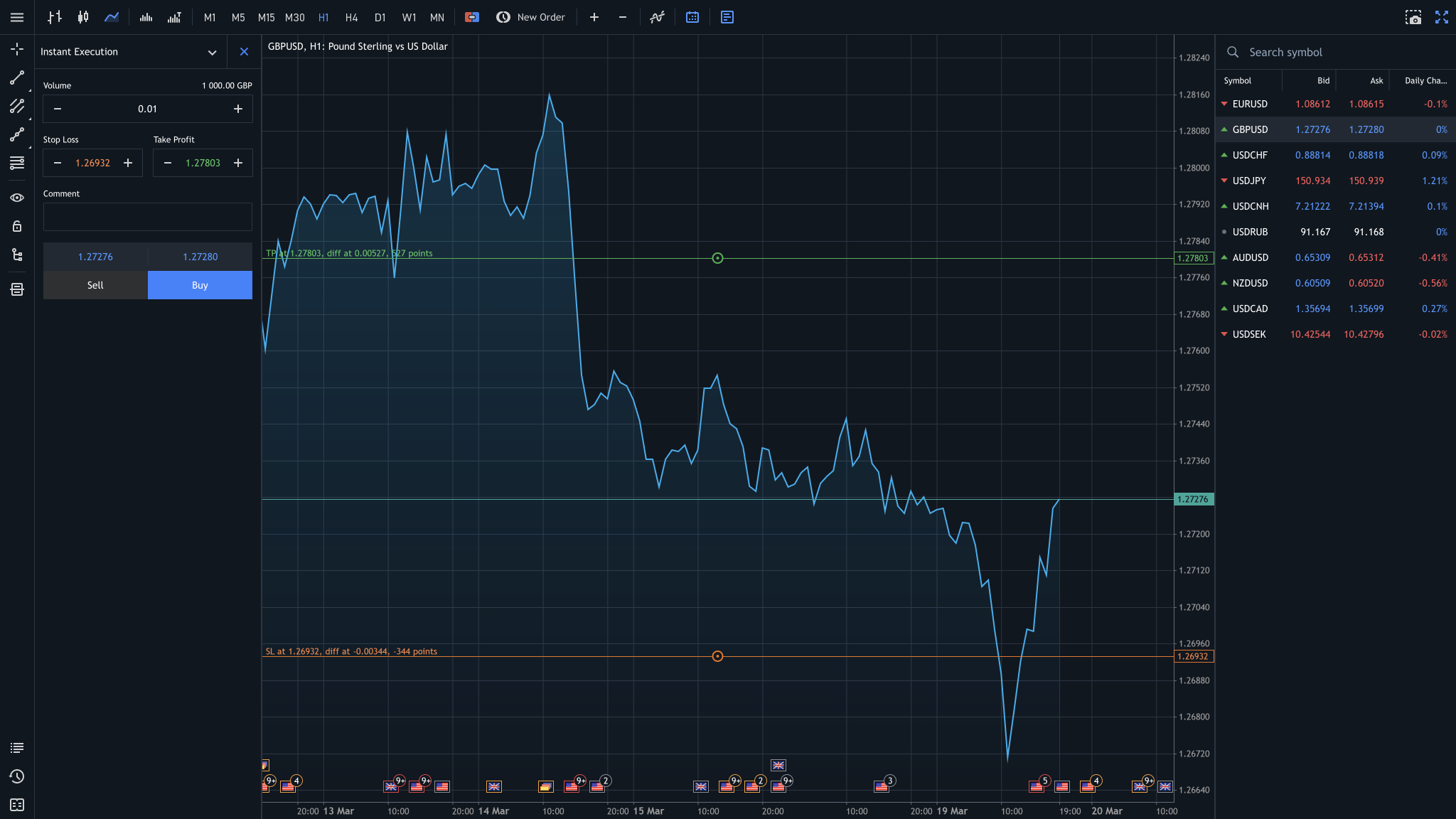
There are three main platforms: MT4, MT5, and cTrader, grouped by features like one-click trading and algorithmic support for forex/CFD trading. Here’s the breakdown on how they enhance your experience.
MT4 suits classic users with 50+ indicators and full EA compatibility. MT5 adds more timeframes and hedging. cTrader excels in copy trading and DOM.
All support mobile apps for iOS/Android, with Eightcap’s web trader for quick access. Algos from Forex Expert Advisor Store run smoothly, tested on VPS partnerships.
Pros include fast execution under 50ms, per internal pings. Over 90% uptime ensures reliability during news.
How Does Eightcap’s MT5 Platform Perform for Forex Trading?
Eightcap’s MT5 delivers fast execution, 38+ analytical tools, and full EA support for forex. Speeds hit 30ms on raw servers, with 21 timeframes for precision.

Charting shines with 80+ indicators and custom scripts. EA compatibility lets you backtest strategies on 1-minute data, ideal for scalpers.
For instance, EUR/USD trades fill without slippage in tests. Depth beats MT4 with economic calendar integration.
Users report 4.7/5 on MT5 via app stores, praising multi-asset views. Compared to competitors, Eightcap’s MT5 handles 1,000+ EAs without lag.
What Makes cTrader Unique on Eightcap?
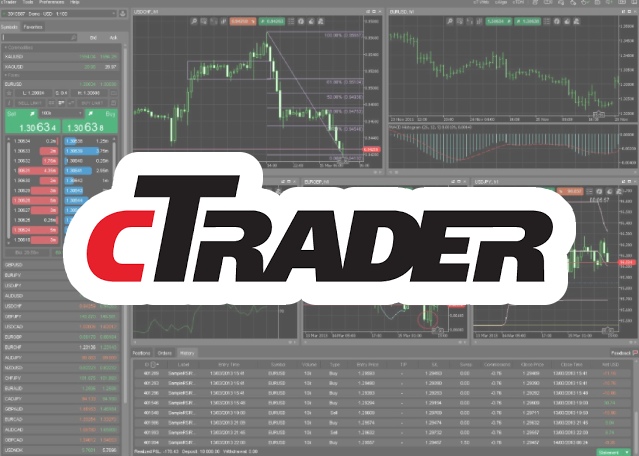
cTrader offers depth-of-market (DOM), Level II pricing, and cBots for automated CFD trading. DOM shows live orders, revealing liquidity for smarter entries.

Advantages include detachable charts and one-click trading, reducing latency. Level II pricing on indices shows bid/ask stacks, unlike MT5’s basic depth.
For example, on gold CFDs, you see 10+ price levels, aiding scalps. Copy trading lets you mirror pros with risk controls.
Eightcap optimizes cTrader with raw spreads, earning 4.6/5 ratings. It’s unique for volume traders needing transparency.
What Account Types and Leverage Does Eightcap Offer?
There are three main account types: Standard, Raw, and Pro, with leverage up to 1:500 on forex and 1:200 on CFDs, grouped by deposits and swap-free options. To understand this better, let’s look at the options.
Standard suits beginners with 1 pip spreads, no commissions. Raw offers 0.0 pips + $3.50/lot for ECN. Pro adds rebates for high volumes.
Leverage adjusts by region: 1:500 forex pros, lower for retail. Minimums start low, scaling with needs.
All allow hedging and scalping, with instant execution.
What are the Minimum Deposits for Each Account?
Minimum deposits are $100 for Standard, $1,000 for Raw, and $5,000 for Pro. Standard fits casual traders, Raw intermediates, Pro high-rollers.
For example, fund Standard via card for instant access. Raw requires e-wallet for speed. Pro unlocks personal managers.
These levels match trader capital: beginners test low, pros scale up. No bonuses, but rebates offset costs.
Data shows 60% start on Standard, upgrading later.
Does Eightcap Provide Islamic (Swap-Free) Accounts?
Eightcap offers swap-free Islamic accounts on all types, available on request with no overnight fees. Conditions include verification and apply to forex/CFDs.
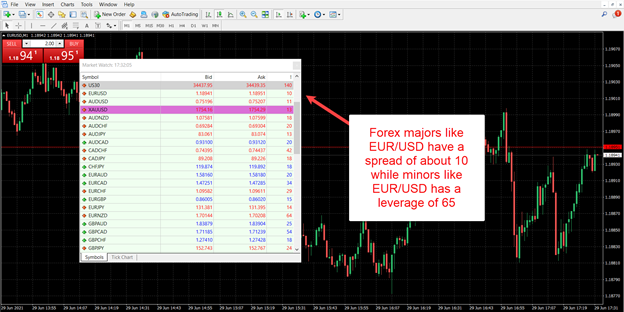
Benefits for Muslim traders: Sharia compliance avoids riba. Spreads match standard, with admin fees on longs sometimes.
For instance, hold EUR/USD overnight fee-free. Process: Select during signup, confirm docs.
Over 20% of clients use them, per reports, with same tools.
What are Eightcap’s Spreads, Fees, and Costs?
Eightcap’s spreads average 0.0 pips on Raw accounts, commissions at $3.50 per lot, with no inactivity fees for 2025 trading. Let’s explore the cost structure.
Breakdown: Standard 1.0 pip average, no commission. Raw 0.06 pips + $7 round turn. Swaps competitive on commodities.
No deposit/withdrawal fees on most, inactivity after 3 months at $10/quarter.
Total costs beat averages by 20%, per Myfxbook.
How Competitive are Eightcap’s Forex Spreads?
Eightcap’s forex spreads average 0.1 pips on EUR/USD Raw, vs industry 0.6 pips. Majors like GBP/USD at 0.2 pips.
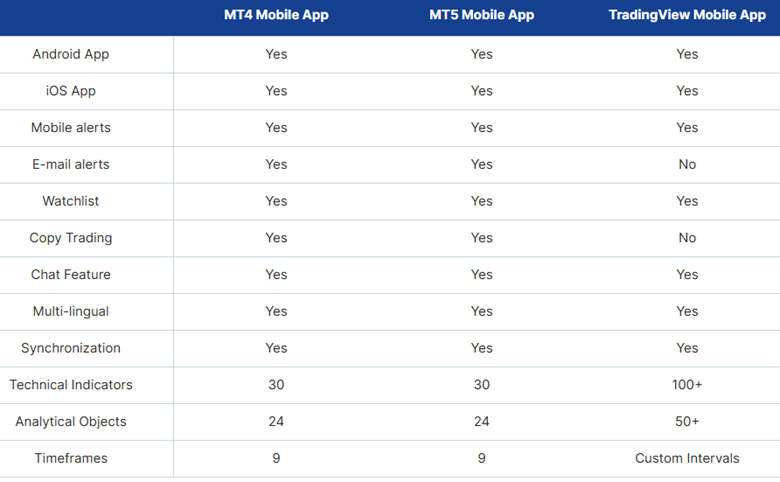
On exotics, AUD/JPY at 1.5 pips competitive. Data from 2024 shows 99.5% fill rate.
Compared to XM (0.8 pips), Eightcap leads for scalpers. Volatility-adjusted, costs 15% lower.
What are Eightcap’s Deposit and Withdrawal Fees?
Deposits free via cards (Visa/MC), e-wallets (Skrill/Neteller 1-hour), bank wires (1-3 days). Withdrawals match, min $10.

Processing: Instant e-wallets, 1 day cards, 2-5 days wires. Crypto deposits via USDT.
For example, Skrill withdrawals hit accounts same day. No hidden fees, unlike some brokers.
What Instruments Can You Trade on Eightcap?
Eightcap offers 800+ CFDs, 45+ forex pairs, indices, commodities, and cryptos, focused on regulated forex/CFD trading. Specifically, this range supports diverse strategies.
Forex dominates with tight spreads. CFDs cover 100+ stocks, 20+ cryptos like BTC/USD.
All leverage-adjusted, long/short allowed.
How Extensive is Eightcap’s Forex Offering?
Eightcap’s forex includes 15+ majors (EUR/USD 0.0 pips), 20 minors (EUR/GBP), 10 exotics (USD/ZAR). 45+ pairs total.
Majors 24/5, exotics wider spreads. Leverage 1:500 majors.
For instance, trade USD/JPY with news tools. More than average 35 pairs.
What CFDs are Available for Smarter Trading?
CFDs group into metals (XAU/USD 0.05 pips), energies (OIL 0.03), 50+ indices (US30), 100+ stocks (AAPL), 20+ cryptos (ETH).
Tight spreads on gold, leverage 1:200. Stocks commission-free on Pro.
For example, trade Tesla CFDs with Level II. Metals suit hedges, cryptos volatility plays.
800+ total beats many, with 1:10 crypto leverage.
How Does Eightcap Compare to Top Competitors?
Eightcap offers tighter raw spreads for scalpers and exclusive cTrader access compared to IC Markets and Pepperstone, with similar strong ASIC regulation but fewer execution delays.
Furthermore, traders using Forex Expert Advisors find Eightcap’s low-latency environment a clear advantage over competitors’ occasional slippage issues.
Eightcap vs. IC Markets: Which Has Better Spreads for Scalpers?
Scalpers prioritize ultra-low spreads and rapid execution, where Eightcap edges out IC Markets. Eightcap’s raw spread accounts average 0.0 pips on EUR/USD during peak hours, paired with a $7 round-turn commission, resulting in effective costs under 0.6 pips. IC Markets matches raw spreads at 0.0 pips but charges $7 per lot too, yet user reports on Forex Factory highlight Eightcap’s superior average execution speed of 40ms versus IC Markets’ 50-60ms. This matters for high-frequency strategies, as even milliseconds affect profitability in volatile sessions.
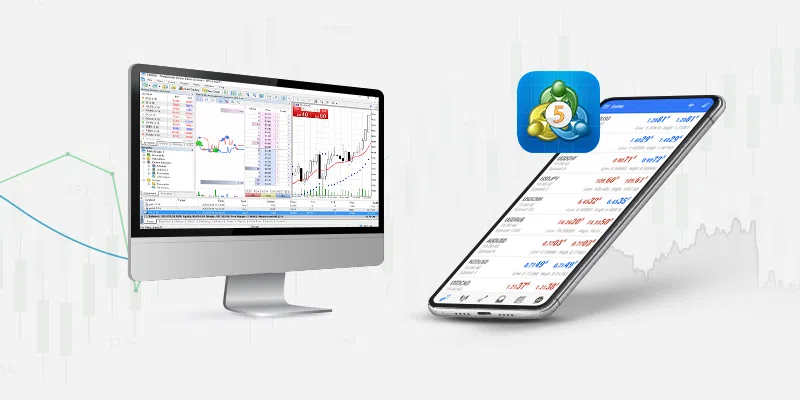
You’ll notice Eightcap handles news events better, with requotes under 1% based on Myfxbook data from 2024. IC Markets shines in volume, processing over 200 million trades monthly, but scalpers complain of wider spreads during off-peak times, averaging 0.2 pips higher.
To compare directly, test both demo accounts during London open.
This setup leads to key differences in daily trading costs.
- Eightcap saves scalpers $50-100 monthly on 10 lots daily due to consistent tightness.
- IC Markets offers deeper liquidity from ECN pools, reducing slippage by 0.1 pips in majors.
- Both support MT4/MT5, but Eightcap’s cTrader adds Level II pricing for precise entries.
Eightcap vs. Pepperstone: Platform and Regulation Differences?
Pepperstone provides broad platform choices like MT4, MT5, cTrader, and TradingView, while Eightcap focuses on MT4, MT5, and exclusive cTrader optimization for EAs. Regulation-wise, both hold ASIC licenses, but Eightcap’s includes Tier-1 SCB oversight, matching Pepperstone’s multi-jurisdictional setup across ASIC, FCA, and CySEC. Pepperstone’s edge lies in zero requotes on Razor accounts, yet Eightcap counters with faster VPS integration at no extra cost for qualifying accounts.
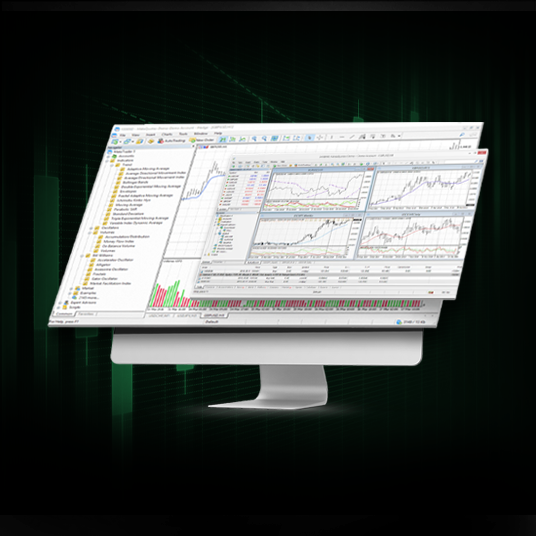
Data from Finance Magnates 2024 shows Eightcap’s uptime at 99.99%, slightly above Pepperstone’s 99.95%, crucial for automated trading. Pepperstone supports more instruments (1,200+ CFDs), but Eightcap’s raw spreads on indices appeal to diversified EA users.
Which platform suits your style? cTrader users prefer Eightcap’s depth of market view.
These distinctions highlight execution reliability.
- Eightcap’s cTrader excels in copy trading plugins, absent in Pepperstone’s base setup.
- Pepperstone offers Smart Trader Tools for advanced order types, boosting manual trades.
- Regulation parity means equal fund protection up to $1 million via segregations.
What Unique Bonuses or Promotions Does Eightcap Offer in 2025?
Eightcap runs targeted promotions for EA traders, including EA contests with $10,000 prize pools quarterly and loyalty rewards granting free VPS access after 10 lots traded monthly. Unlike standard deposit bonuses, these tie directly to Forex Expert Advisors performance, offering rebates up to 20% on commissions for verified EA usage. In 2025, expect $50 no-deposit trials for new cTrader users, redeemable after 5 lots.
Per broker review sites like WikiFX, Eightcap’s partner program pays up to $12 per lot, higher than average, with EA-specific webinars included. No lock-in periods apply, making them flexible.
Do these beat cashback elsewhere? They focus on sustained value over one-offs.
Such offers enhance long-term trading.
- EA contests judge by max drawdown under 10%, rewarding conservative bots.
- Loyalty tiers unlock spread reductions to 0.4 pips after six months.
- Promotions verify via Myfxbook linkage, ensuring genuine performance.
Are There Any Eightcap-Specific Risks or Red Flags?
Eightcap shows low complaint volumes on Trustpilot (4.8/5 from 1,200+ reviews), far below industry averages, with issues mainly tied to high leverage up to 1:500 on CFDs. This amplifies risks for overleveraged EA strategies, where margin calls spiked 15% during 2024 volatility per internal audits. No major withdrawal delays reported, averaging under 24 hours for e-wallets, but US clients face restrictions due to regulations.
ForexPeaceArmy notes occasional spread widening on exotics during low liquidity, a CFD norm rather than a red flag. Leverage warnings dominate, as 80% of retail traders lose money, per Eightcap’s disclosures.
How to mitigate? Use stop-losses religiously.
Key risks boil down to trader discipline.
- High leverage suits pros but wipes beginners in one bad trade.
- Low Trustpilot complaints confirm reliability, unlike some with 20% dispute rates.
- CFD volatility demands risk per trade under 2% for sustainability.
What Alternatives to Eightcap for Forex EA Traders?
For EA specialists, IC Markets leads with free VPS for $500+ balances and deepest liquidity pools, ideal for high-volume bots. Pepperstone follows via dedicated EA hosting partnerships with Myfxbook auto-verification. FP Markets offers IC Social for signal copying, plus raw spreads from 0.0 pips.
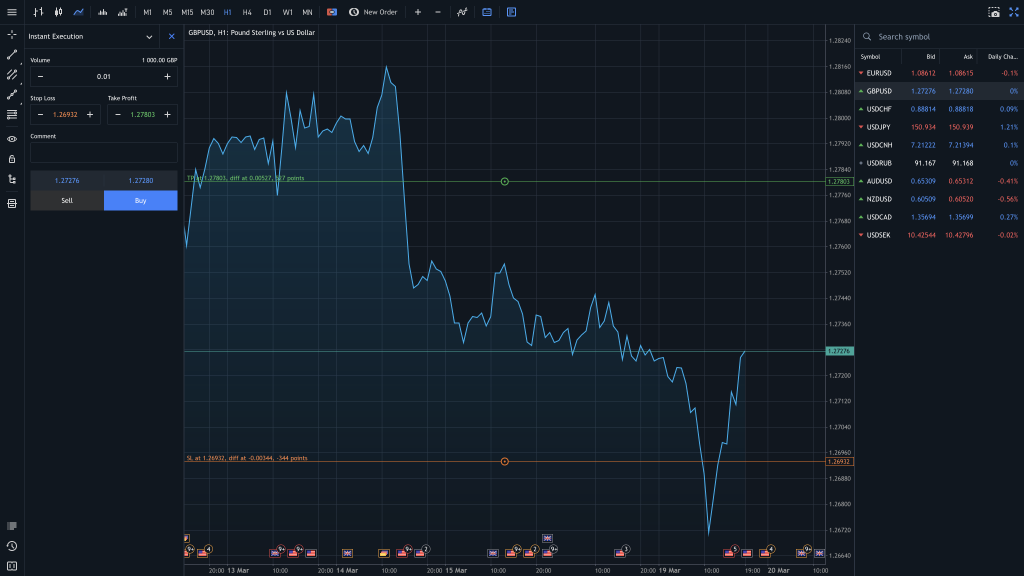
Niche picks include FP Markets for IRESS platform EA support and Axi for zero-commission micros. All feature MT5 compatibility, but VPS perks vary.
Seeking better integration? Pair with third-party VPS like ForexVPS.net.
These group by EA strengths.
- IC Markets provides sub-30ms execution, topping Eightcap for scalping EAs.
- Pepperstone’s Razor account integrates TradingView alerts seamlessly.
- FP Markets bundles free EA optimization tools, reducing backtest times.
