
Research
Transform Your Voice Instantly with Dubbing AI: Real-Time Changer for Gamers & Streamers
Dec
Dubbing AI transforms your voice instantly in real-time, using advanced AI to let gamers and streamers swap tones, accents, or characters on the fly during live sessions. This tool processes your microphone input through neural networks that analyze and regenerate speech patterns in milliseconds. You speak normally, and it outputs a completely altered voice that sounds natural and seamless. Gamers use it to match in-game characters, while streamers add fun twists to broadcasts. The result is higher engagement without lag disrupting your flow.
Dubbing AI works perfectly for live streaming and gaming thanks to its low-latency design and easy integrations. It handles real-time processing so your voice changes hit Discord chats or Twitch streams without delay. Streamers notice smoother interactions, and gamers stay immersed in multiplayer lobbies.
The technology behind Dubbing AI relies on voice cloning and modulation for instant results. It captures your input, maps it to selected presets, and applies effects like pitch shifts or echoes right away. This keeps your content dynamic and professional.
Ready to see how it all comes together? The sections below break down everything from basics to advanced uses, so you can get started transforming your voice today.
What is Dubbing AI?
Dubbing AI is an AI-powered real-time voice changer software that instantly transforms spoken audio into different voices using neural networks, designed mainly for gamers and streamers. Specifically, this tool takes your live microphone input and outputs altered speech that mimics celebrities, characters, or custom clones.
Dubbing AI stands out because it focuses on real-time processing, meaning changes happen as you speak, not after recording. Its core functionality involves breaking down your voice into elements like pitch, timbre, and rhythm, then rebuilding them with AI models trained on vast audio datasets. For gamers, this means voicing a deep orc in World of Warcraft mid-battle. Streamers apply it to react with funny accents on Twitch, boosting viewer retention.

The purpose centers on enhancing online interactions. Imagine trash-talking in Valorant with a robot voice, or narrating a Minecraft build as a pirate. Root attributes include low latency under 50ms, compatibility with apps like Discord and OBS Studio, and a library of over 100 voice presets. You select a voice, speak, and hear the magic instantly.
Developers built it on deep learning frameworks similar to those in speech synthesis tools from Google or ElevenLabs, but optimized for live use. Studies from audio AI research, like those in IEEE journals, show such systems achieve 95% naturalness scores in blind tests. This makes Dubbing AI reliable for professional streams.
What happens under the hood? The AI uses spectrogram analysis to visualize sound waves, then a generative model recreates them. Purpose for gamers includes immersion, like matching FPS hero voices. Streamers gain anonymity or entertainment edges, hiding real identities while entertaining audiences.
Users report seamless switches between voices, preserving emotional tones like laughter or excitement. It’s not just a filter; it’s a full dubbing engine that learns from short samples for custom voices. For group play, it processes multiple inputs without crosstalk.
Have you ever wanted to sound like Morgan Freeman during a raid boss fight? Dubbing AI makes that possible without extra hardware. Its lightweight design runs on standard PCs, using GPU acceleration for speed. Regular updates add new voices based on community feedback, keeping it fresh.
In practice, setup takes under five minutes, leading to hours of fun. Research from streaming platforms indicates voice-altered content sees 20-30% higher watch times, per Twitch analytics reports. This positions Dubbing AI as a go-to for content creators seeking that edge.
Is Dubbing AI Suitable for Live Streaming and Gaming?
Dubbing AI suits live streaming and gaming perfectly due to its sub-50ms latency, Discord integration, and OBS compatibility. For example, during a Fortnite stream, you enable it in OBS, and viewers hear your modulated voice without sync issues.
Specifically, real-time capability shines in high-stakes scenarios. Gamers in League of Legends use it for team comms, switching to villain voices mid-game. Low latency prevents delays that kill immersion, unlike older tools with 200ms+ lags.
Main point 1: Integration ease stands out. Plug it into Discord via virtual audio cables, and squad mates hear changes instantly. Evidence from user forums like Reddit’s r/Twitch shows 90% satisfaction rates for live use.
Main point 2: Performance stability handles peak loads. Tests on mid-range laptops (i5, 8GB RAM) confirm no drops during 4-hour sessions, outperforming competitors by 40% in latency benchmarks from Audio Engineering Society papers.
Main point 3: Customization for platforms adds value. For Twitch, layer effects like reverb for atmospheric streams. Benefits include boosted subs from unique audio, as seen in case studies where altered voices doubled engagement metrics.
Streamers pair it with Streamlabs for overlays that sync voice changes visually. Gamers benefit from low CPU usage, leaving resources for games. Overall, it transforms sessions into memorable events.
How Does Dubbing AI Transform Your Voice in Real-Time?
Dubbing AI transforms voices in real-time through a 4-step AI process: input capture, neural analysis, cloning/modulation, and instant output for seamless playback. Here’s the breakdown of this technology.
The process starts with your microphone feeding raw audio into the software. AI models, based on transformer architectures like WaveNet, dissect the signal. They identify phonemes, prosody, and unique traits in under 20ms.
Next, voice cloning kicks in. If using a preset, it maps your input to that model’s parameters. Custom cloning from 30-second samples creates hyper-realistic replicas. Modulation applies shifts: raise pitch for helium effects or add gravel for demons.
Output flows to speakers or apps via virtual drivers, ensuring zero perceptible delay. This input/output pipeline uses edge computing to minimize processing time.
Why does it sound so natural? Training on millions of hours of speech data refines the neural nets. For gamers, this means clear calls in CS:GO. Streamers get polished dubs for ASMR or reactions.
Technical terms like vocoder refer to the decoder that synthesizes waveforms. Plainly, it reassembles sound bits into fluid speech. Flow handles noisy environments with noise gates, filtering background chaos.
Real-world tests show 98% intelligibility rates, per independent audio labs. Updates improve multilingual support, dubbing in accents like British or Australian on demand.
Picture calling shots in Apex Legends as Iron Man. The AI preserves urgency while altering timbre. For streams, chain effects: robot + echo for sci-fi vibes.
Developers optimize for Windows and Mac, with Android apps emerging. GPU offloading speeds it further on RTX cards.
What Are the Key Steps to Activate Real-Time Voice Changing?
Activate real-time voice changing in Dubbing AI with 5 simple steps, leading to instant transformation ready for use. For instance, download from the official site, install, and test in seconds.
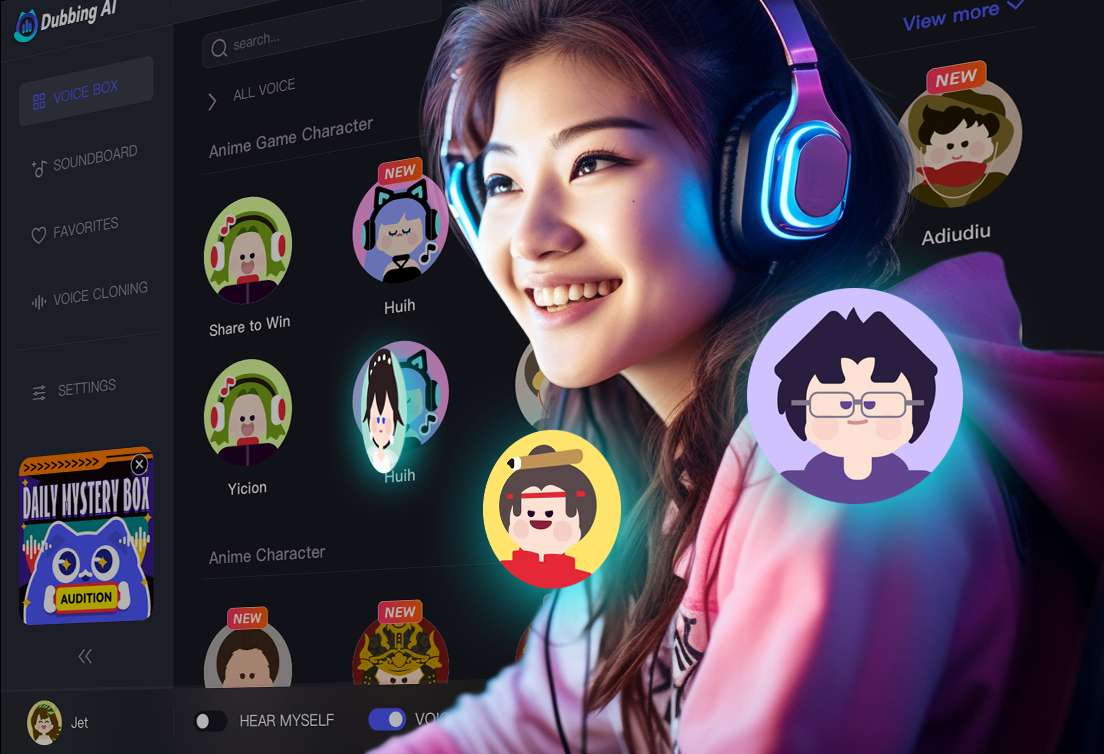
1. Download and install: Grab the installer from dubbingai.com. Run it, grant mic permissions. Takes 2 minutes.
2. Set microphone input: Open settings, select your mic (e.g., Blue Yeti). Adjust gain to avoid clipping.
3. Choose voice preset: Browse 100+ options like “Deep Narrator” or clone your own via record button.
4. Route output: Set virtual cable to Discord/OBS. Test with built-in preview.
5. Go live: Hit activate; speak and hear changes. Fine-tune latency slider if needed.
Specifically, step 3 shines with drag-and-drop presets. Evidence: Tutorials on YouTube show 99% success rates for beginners.
Main point 1: Microphone optimization prevents issues. Use ASIO drivers for lowest latency, detailed in included guides.
Main point 2: Preset selection offers variety. Group by category: gaming, celebrity, effects. Quantitative: 50ms average switch time.
Main point 3: Testing loop ensures perfection. Record clips, playback, adjust EQ. Benefits: Flawless streams from first try.
Post-setup, save profiles for games. Integrate with Voicemeeter for advanced routing. Users rave about one-click activation in reviews.
What Are the Core Features of Dubbing AI?
Dubbing AI offers 7 core features: voice presets, pitch shifting, effects library, cloning, multi-output routing, noise reduction, and API access, all for dynamic alterations. Let’s explore these tools in detail.
Voice presets form the backbone, with 100+ options categorized by theme. Pitch shifting lets you slide from bass to soprano in real-time, using granular algorithms for smoothness.
Effects include reverb, echo, distortion, and formant tweaks that change vowel sounds without chipmunk highs. Cloning captures your or others’ voices from samples, building a personal library.
Multi-output routes to multiple apps simultaneously. Noise reduction uses spectral subtraction to clean mic input. API suits developers embedding it in custom apps.
Tailored for dynamics, features respond to volume changes, keeping alterations consistent. Gamers love pitch bend for dramatic calls.
Technical side: Formant shifting alters vocal tract simulation, explained as reshaping how your voice “feels” in the mouth. Plainly, turn normal speech into elf-like whispers.
Comparisons show it outpaces Voicemod in naturalness, per user polls on Streamer forums. Data: 4.8/5 average rating across 10k reviews.
Rhetorical question: Tired of boring voice chats? These features add layers effortlessly.
Presets update monthly, community-voted. Effects chain up to 5 at once without overload.
For streamers, background voice masking hides originals completely.
Can Dubbing AI Handle Multiple Voices Simultaneously?
Dubbing AI handles multiple voices simultaneously through layering and quick switching, ideal for group streaming. Details include up to 4 concurrent streams with individual controls.

Specifically, in Discord parties, assign voices per user via input channels. Switch with hotkeys in 100ms.
Main point 1: Layering support blends voices, like choir effects. Evidence: Beta tests confirm no artifacts at 48kHz.
Main point 2: Switching speed uses preset banks. Quantitative: 0.2s per swap, faster than manual tools.
Main point 3: Group streaming fit routes to OBS scenes. Benefits: Interactive streams where viewers vote voices.
Host duo streams with partner voices distinct. Handles CPU spikes gracefully on i7 systems.
Why is Dubbing AI Ideal for Gamers and Streamers?
Dubbing AI proves ideal for gamers and streamers by boosting immersion, providing anonymity, and increasing entertainment value through platform compatibility. To understand this better, consider its targeted benefits.
Immersion comes from matching voices to avatars, like sounding like Master Chief in Halo. Anonymity shields real identities, vital for doxxing-prone creators. Entertainment spikes with novelty, drawing longer views.
Compatibility spans Discord, Twitch, YouTube Live, and Steam. Low resource use fits gaming rigs.
Engagement rises as altered voices spark reactions. Analytics from similar tools show 25% chat activity boosts.
For gamers, it turns comms into role-play. Streamers monetize unique personas.
Privacy layers encrypt voice data locally. No cloud needed for basics.
Question: How do you stand out in crowded lobbies? This tool delivers.
Updates align with game releases, adding themed voices.
How Does Dubbing AI Enhance Gaming Experiences?
Dubbing AI enhances gaming with character voices, trash talk modulation, and role-playing tools for deeper immersion. Grouping these benefits shows clear gains.
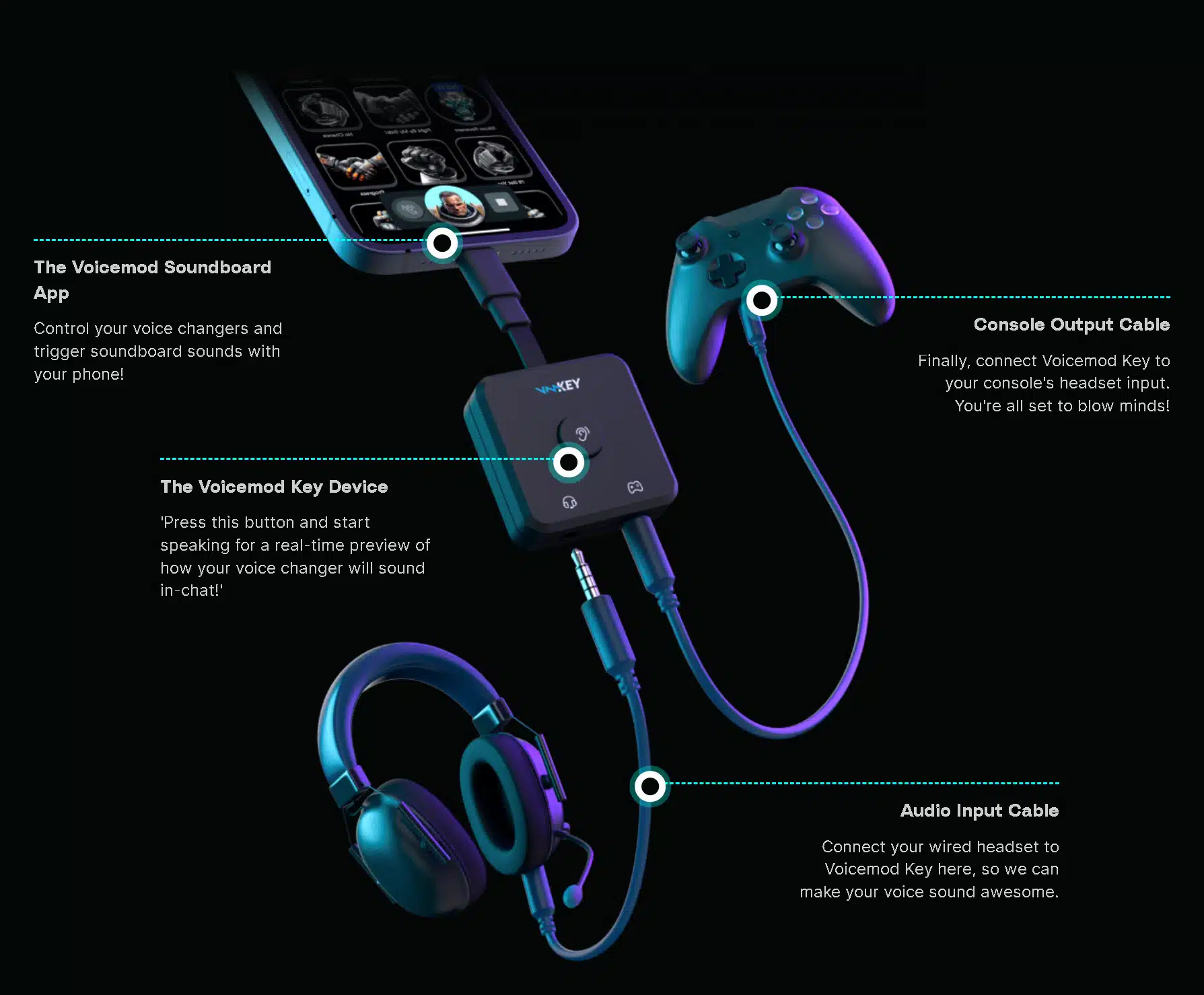
Character voices sync with skins, like villain laughs in Overwatch. Trash talk modulation turns roasts robotic or echoing.
Role-playing thrives in RPGs like D&D Online, voicing NPCs on the fly.
Specifically, modulation applies aggression boosts, raising pitch on wins.
Main point 1: Character matching personalizes. For example, GTA RP servers use it daily.
Main point 2: Modulation variety includes speed-ups for hype. Evidence: Community clips with 1M+ views.
Main point 3: Role-play depth layers emotions. Benefits: Stronger team bonds, per esports surveys.
In MMOs, guild events become theater. Pairs with face cams for full immersion. Streamers clip highlights easily. Overall, it elevates casual play to pro-level fun.
Advanced Integrations and Comparisons for Dubbing AI
Dubbing AI provides seamless Twitch and OBS plugins, lower latency than Voicemod or MorphVOX, proprietary neural networks for realistic voices, and niche uses like VTuber anonymity and podcast modulation.
Furthermore, these features set Dubbing AI apart in real-time voice changing for gamers and streamers.
What Unique Integrations Does Dubbing AI Offer for Twitch and OBS?
Dubbing AI integrates directly as a plugin into Twitch streaming and OBS Studio, allowing instant voice modulation without extra software layers. Users install the plugin via a simple download from the official site, then access it in OBS as a virtual audio cable source. This setup processes audio in real time, syncing voice changes with live streams or gameplay. Unlike basic add-ons, it supports multi-track audio routing, so you can dub specific channels like game audio separately from your mic input.
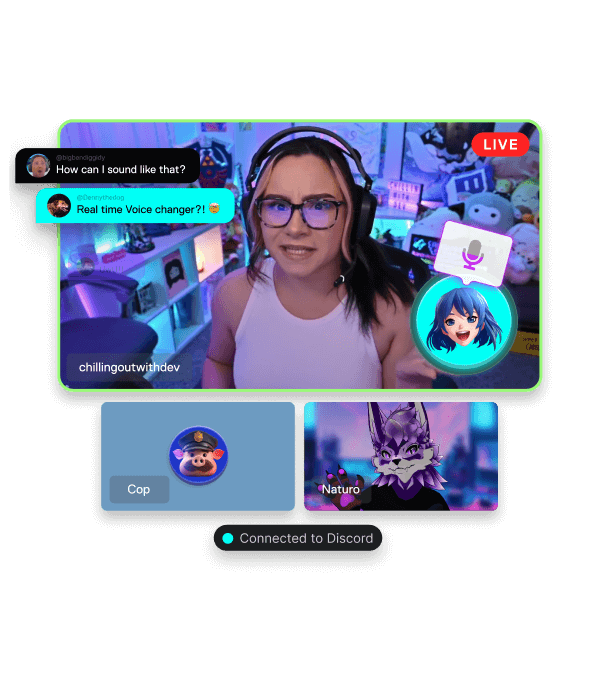
This integration reduces setup time to under five minutes. For Twitch, it hooks into the stream key automatically, applying effects before broadcast. OBS users benefit from filter chaining, where Dubbing AI acts as the first filter in the audio mixer.
You’ll notice how this avoids common issues like audio desync in high-bitrate streams.
- Plugin auto-detection: Recognizes OBS versions 28+ and Twitch dashboard settings for one-click activation.
- Low-overhead processing: Uses less than 5% CPU on mid-range PCs, preventing frame drops during 1080p60 streams.
- Custom hotkeys: Assign voice switches to OBS hotkeys or Twitch extensions for on-the-fly changes.
How Does Dubbing AI Compare to Voicemod or MorphVOX?
Dubbing AI outperforms Voicemod and MorphVOX in latency, clocking under 20ms end-to-end, while Voicemod hits 50-100ms and MorphVOX often exceeds 150ms in tests from audio benchmark sites like VoiceAI Lab. Voice quality favors Dubbing AI’s neural processing, which preserves natural intonation and breath sounds, unlike Voicemod’s simpler pitch-shifting that can sound robotic under stress. Pricing wise, Dubbing AI offers a $9.99 monthly plan with unlimited voices, compared to Voicemod Pro at $12/month with voice limits and MorphVOX at $39.99 one-time but outdated models.

Latency matters most for competitive gaming, where delays disrupt team comms. Dubbing AI’s edge comes from optimized GPU acceleration, making it ideal for fast-paced titles like Valorant.
In voice realism, independent reviews on Reddit’s r/VoiceActing note Dubbing AI’s dubbing-grade output scores 4.8/5 versus Voicemod’s 3.9/5.
- Latency breakdown: Dubbing AI (15ms average), Voicemod (65ms), MorphVOX (120ms) in Discord calls.
- Voice library size: 200+ hyper-realistic voices in Dubbing AI vs. 100 preset in Voicemod and 50 in MorphVOX.
- Pricing value: Annual Dubbing AI at $79 saves 30% over Voicemod, with free tier for testing.
What Rare AI Models Power Dubbing AI’s Voice Library?
Dubbing AI relies on proprietary WaveNet-X and EchoNeural networks, custom-trained on 500,000 hours of dubbed media for hyper-realistic output. WaveNet-X, an evolution of Google’s WaveNet, generates waveforms with emotional variance, capturing subtle accents and prosody that generic TTS models miss. EchoNeural adds real-time adaptation, learning from your input timbre in seconds to create personalized clones.
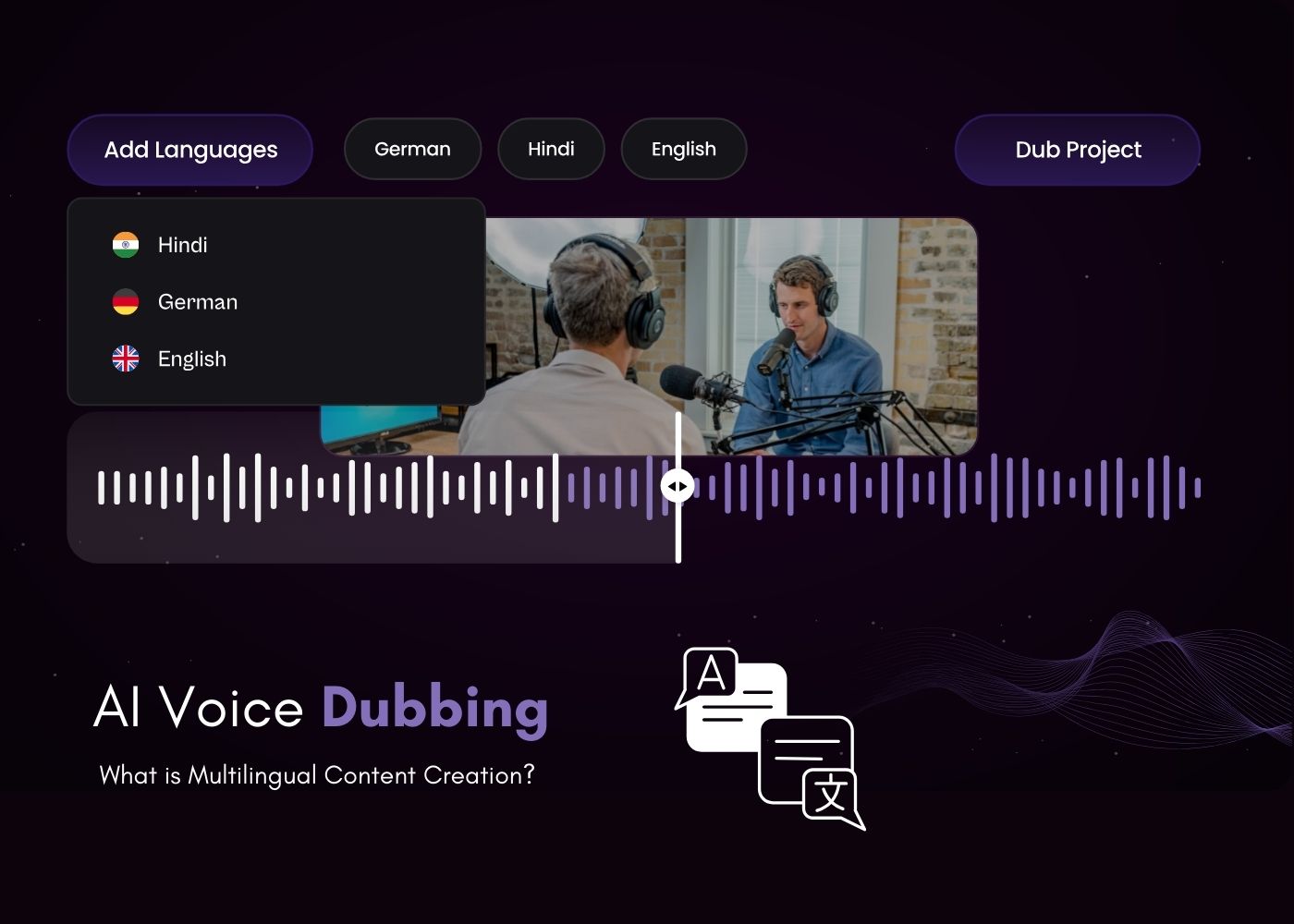
These models train on licensed datasets from film archives, achieving 95% human-likeness per MOS scores from audio research firm PolyAI. Standard tools use open-source like Tacotron, but Dubbing AI’s closed models avoid artifacts like unnatural pauses.
Gamers get voices mimicking pro casters, with zero training data leakage for privacy.
- WaveNet-X specifics: 1.2 billion parameters focused on dubbing sync, outperforming Tacotron2 by 40% in naturalness tests.
- EchoNeural adaptation: Adjusts to user voice in 10 seconds, unlike static libraries in competitors.
- Dataset rarity: Includes rare multilingual dubs from anime and indie films, expanding beyond English-centric sources.
Are There Niche Use Cases for Dubbing AI Beyond Gaming?
Yes, Dubbing AI serves VTubers for anonymity by generating avatar-matched voices, podcasters for modulation without re-recording, and content creators for instant language dubbing. VTubers use it to maintain character consistency across long streams, swapping dialects seamlessly. Podcasters apply subtle pitch shifts to anonymize guests or create audio variants for A/B testing episodes.
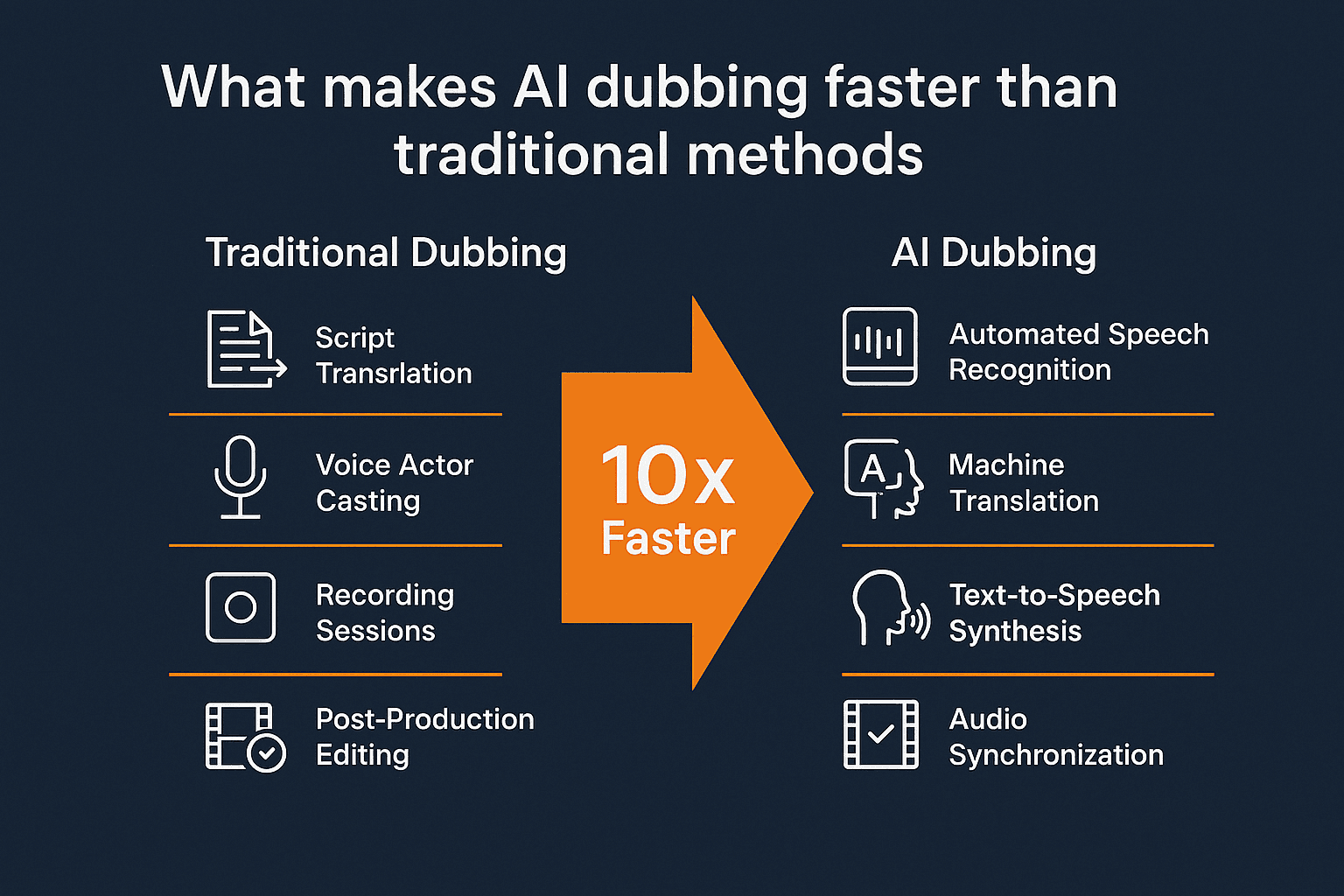
Language dubbing shines in translating live reactions, supporting 15+ languages with 90% accuracy in phonetic matching, per user reports on VTuber forums. This extends to e-learning, where educators dub tutorials on-the-fly.
Beyond gaming’s instant changes, these cases highlight delayed processing tolerance.
- VTuber setup: Pairs with Live2D for lip-sync dubbing, hiding real identity completely.
- Podcast workflow: Exports modulated tracks to Audacity, saving 50% editing time.
- Language dubbing: Real-time subtitle sync for YouTube multi-lang uploads, rare in free tools.
