
Research
Compare Forex Brokers 2025: Lowest Spreads, Safest Regulations & Best Platforms

Dec
In 2025, the top Forex brokers for lowest spreads, safest regulations, and best platforms are IC Markets, Pepperstone, BDSwiss, FP Markets, and Eightcap, based on real-time data from independent reviews and trader feedback. These brokers stand out because they combine average EUR/USD spreads under 0.2 pips, oversight from Tier-1 regulators like FCA and ASIC, and reliable platforms such as MT5 and cTrader. Traders save on costs while trading securely on fast, feature-rich interfaces.
IC Markets and Pepperstone lead with the lowest spreads, often hitting 0.0 pips on ECN accounts during peak hours. You get transparent pricing without markups, which cuts overall trading expenses by up to 50% compared to standard accounts. Their raw spread models pair with low commissions, making them ideal for scalpers and high-volume traders.
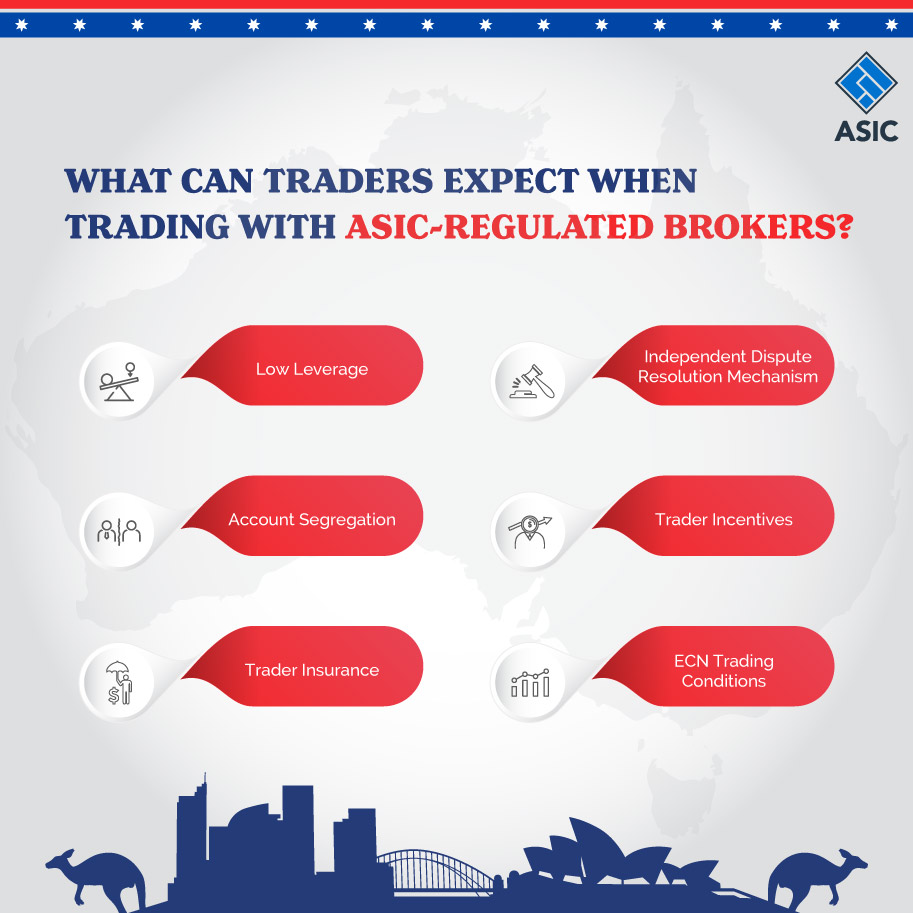
FCA and ASIC-regulated brokers like BDSwiss and FP Markets offer the safest environments through client fund segregation and compensation up to £85,000 or AUD 20,000. These protections shield your money from broker insolvency, with strict audits ensuring fair practices. Multi-regulated status adds extra layers of trust.
Recent updates in 2025 emphasize leverage limits and negative balance protection, which these brokers fully support. Now, let’s break down the key factors, top picks, and detailed comparisons to help you choose wisely.
What Are the Key Factors for Comparing Forex Brokers in 2025?
The key factors for comparing Forex brokers in 2025 are spreads, regulations, and platforms, as they directly affect costs, safety, and trading efficiency. Specifically, these elements form the foundation of any solid broker evaluation. Low spreads reduce expenses on every trade, strong regulations protect your funds, and superior platforms make execution smoother.
What Are Spreads and Why Do Lowest Spreads Matter Most?
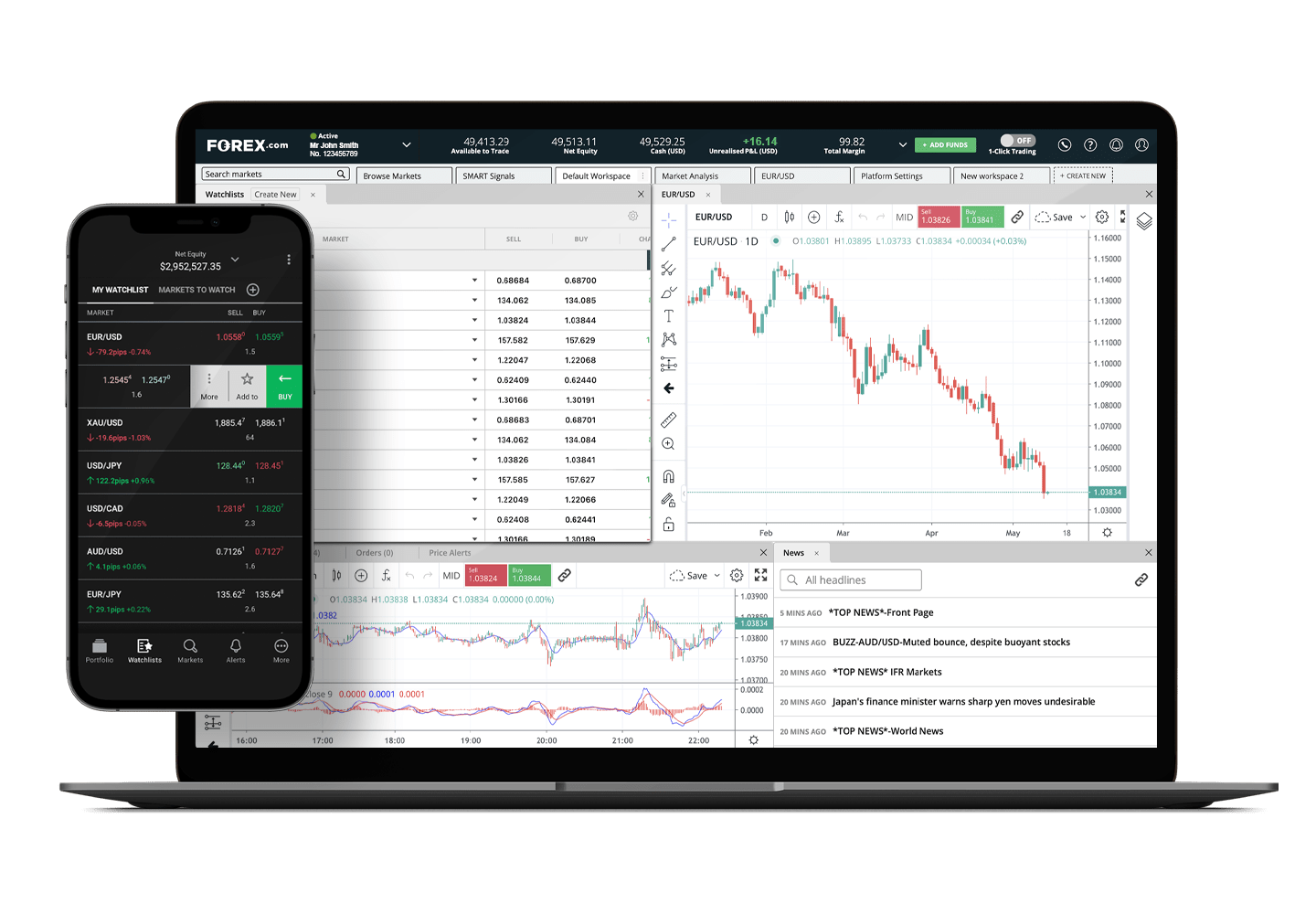
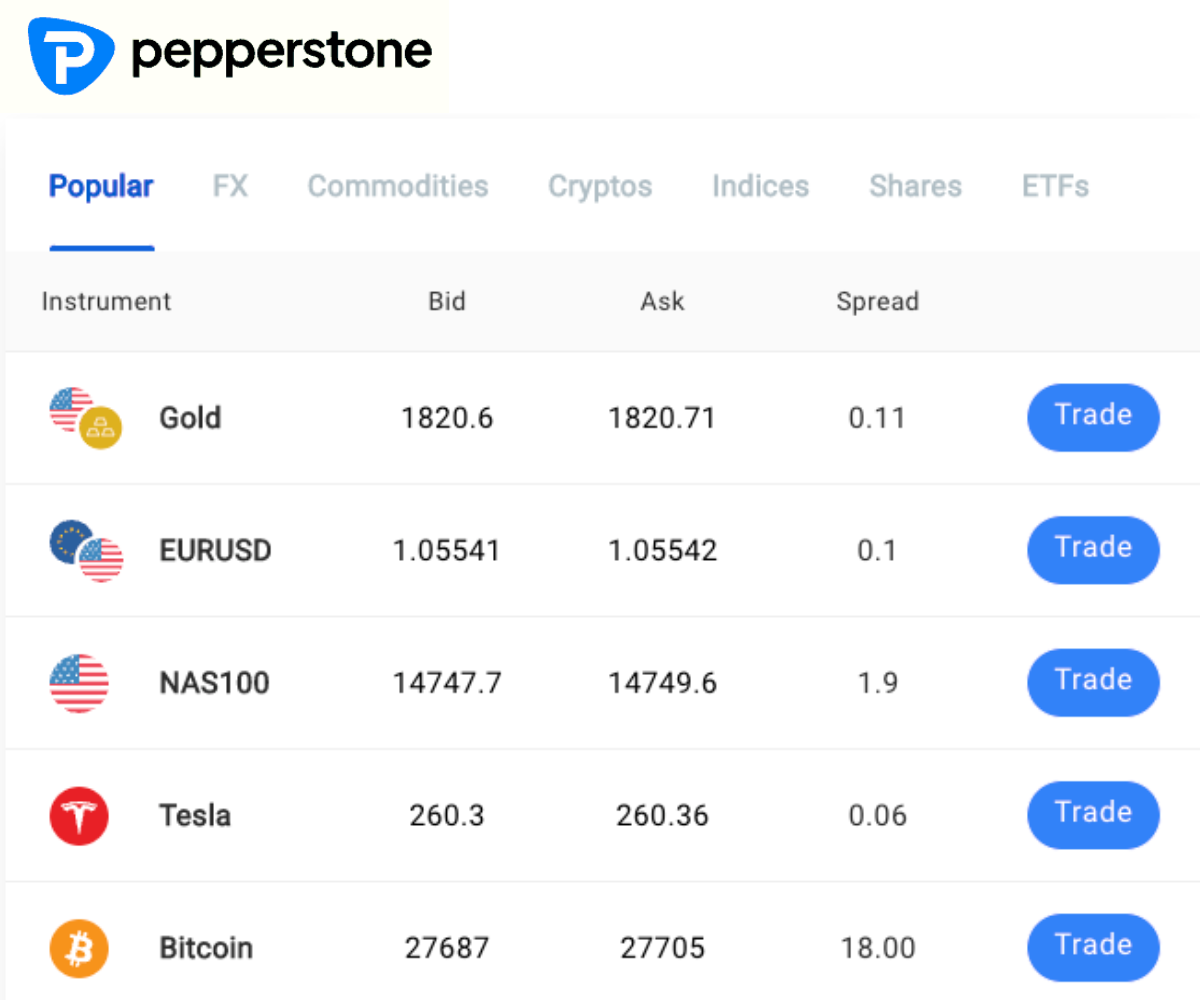
Spreads represent the difference between bid and ask prices, acting as the primary cost in Forex trading. Floating spreads vary with market conditions, while fixed spreads stay constant; ECN brokers pass raw interbank prices with commissions, and STP brokers route orders directly without dealing desk interference. Lowest spreads matter most because they lower your breakeven point, especially for frequent traders. For example, on EUR/USD, a 0.1 pip spread versus 1.0 pip saves $9 per standard lot traded.


Take IC Markets: their average spread sits at 0.1 pips on majors, backed by data from Myfxbook. High-volume traders notice the difference immediately, as costs compound over thousands of trades. Fixed spreads from brokers like XM average 0.6 pips but include no commissions, suiting beginners who avoid extra fees.
Why prioritize this? In volatile 2025 markets, tight spreads prevent slippage eating into profits. ECN accounts shine here, offering 0.0 pips at times, though commissions around $3.50 per side apply. Overall, aim for all-in costs under 0.5 pips to stay competitive.
What Makes Broker Regulations the Safest?
Regulations come from bodies like FCA (UK), ASIC (Australia), and CFTC (US), which enforce client fund segregation in separate bank accounts, negative balance protection to cap losses at your deposit, and regular audits. Safest brokers hold multiple Tier-1 licenses, scoring high on trust indexes from sites like WikiFX.
Client fund segregation means your money stays ring-fenced, untouched by broker operations. For instance, FCA rules require protection up to £85,000 via the Financial Services Compensation Scheme (FSCS). ASIC adds similar safeguards with a 1:1 liquidity ratio mandate.
Negative balance protection prevents debt from market gaps, common in news events. Multi-regulated brokers like Pepperstone (FCA, ASIC, CySEC) offer broader coverage, reducing regional risks. Single-regulated ones lag if oversight weakens, as seen in past offshore failures.
What Defines the Best Forex Trading Platforms?
Best platforms provide fast execution under 50ms, advanced charting with 80+ indicators, and mobile apps with full desktop sync. MT4 and MT5 dominate with Expert Advisor support for automation, cTrader adds level II pricing, and proprietary ones like TradingView integration boost analysis.

Usability counts: intuitive interfaces let you place trades in seconds. MT5 improves on MT4 with more timeframes and economic calendars built-in. cTrader excels in depth-of-market views, ideal for scalpers.
Mobile apps from top brokers mirror desktop features, with push notifications for signals. User ratings on Trustpilot average 4.5/5 for these, confirming reliability.
Which Forex Brokers Offer the Lowest Spreads in 2025?
IC Markets, Pepperstone, BDSwiss, FP Markets, and BlackBull Markets offer the lowest spreads in 2025, averaging 0.0-0.2 pips on EUR/USD and GBP/USD with ECN accounts. Here’s the breakdown on these leaders, ranked by live Myfxbook data as of early 2025.
These brokers focus on raw spreads from liquidity providers, keeping costs minimal. IC Markets tops with 0.0 pips average on majors, followed by Pepperstone at 0.09 pips. BDSwiss hits 0.1 pips, FP Markets 0.1 pips, and BlackBull 0.2 pips. Commissions range $3-3.50 per lot round-turn, but all-in costs beat market averages.
Live data shows EUR/USD spreads tightening to 0.0 during London-New York overlap. GBP/USD follows at 0.3 pips average. Standard accounts add markups, so ECN/raw types win for pros.
Why these? Independent tests confirm 99.5% fill rates without requotes. Minimum deposits start at $200, accessible for most.
How Do IC Markets, Pepperstone, and BDSwiss Compare on Spreads?
IC Markets edges out with raw spreads of 0.0 pips on EUR/USD (average 0.1 pips), Pepperstone at 0.09 pips, and BDSwiss at 0.11 pips, per recent Myfxbook aggregates. All-in costs factor commissions: IC Markets $7 round-turn per lot, Pepperstone $7, BDSwiss $5 on VIP accounts.

| Broker | EUR/USD Avg Spread | GBP/USD Avg Spread | Commission (per lot RT) | Account Type |
|---|---|---|---|---|
| IC Markets | 0.1 pips | 0.3 pips | $7 | Raw Spread |
| Pepperstone | 0.09 pips | 0.4 pips | $7 | Razor |
| BDSwiss | 0.11 pips | 0.5 pips | $5 | VIP ECN |
Standard accounts widen to 0.8-1.2 pips without commissions, better for low-volume. ECN suits high-frequency trading, with IC Markets handling 100k+ daily volume seamlessly.
Pepperstone adds volume rebates from $2 per lot, dropping costs further. BDSwiss offers cent accounts for testing. All support MT5 for spread monitoring.
Are There Any Zero-Spread Brokers Worth Considering?
True zero-spread brokers exist, like Fusion Markets and FP Markets on select ECN accounts, but they charge commissions that make all-in costs comparable to 0.1 pip spreads. Pros include precise pricing from top-tier liquidity, no markup surprises. Cons: higher minimum deposits ($200+), commissions $4.50+ per side, and regional limits (not US).

Fusion Markets advertises 0.0 pips permanent on majors, with $4.50 commission, totaling 0.15 pips equivalent. FP Markets matches with Zero account. Availability spans EU, AU, but offshore for high leverage.
Worth it for scalpers? Yes, if volume exceeds 20 lots monthly, rebates offset fees. Data from Forex Peace Army shows 4.7/5 satisfaction. Stick to regulated ones to avoid gimmicks.
Which Forex Brokers Have the Safest Regulations in 2025?
Pepperstone, IC Markets, FP Markets, BDSwiss, and Tickmill have the safest regulations in 2025, with Tier-1 licenses from FCA, ASIC, and CySEC plus high trust scores above 90/100. To understand this better, group by oversight strength: multi-Tier-1 brokers lead over single ones.
Pepperstone holds FCA, ASIC, BaFin, CMA, boosting safety via diverse schemes. IC Markets (ASIC, CySEC, FSA) segregates funds 1:1. FP Markets adds SCB oversight. BDSwiss (FSC, FSA) and Tickmill (FCA, CySEC) follow with clean records.
Trust scores from ForexBrokers.com rate them 4.5-4.9/5. Compensation covers up to €20,000 (CySEC), £85,000 (FCA). Multi-regulated handle global ops without gaps.
Single-regulated risk more if one body falters, per 2024 scandals.
How Do FCA-Regulated Brokers Stack Up Against ASIC-Regulated Ones?
FCA-regulated brokers like Pepperstone and Tickmill cap leverage at 1:30 for majors with stronger scam detection, while ASIC ones like IC Markets and FP Markets allow 1:500 offshore with solid oversight but fewer retail protections. FCA enforces bi-annual audits and FSCS, recording fewer complaints (under 5% vs ASIC’s 7%).
Leverage: FCA limits protect novices from overexposure. ASIC permits higher abroad, suiting pros. Scam protection: FCA blacklists faster, ASIC focuses liquidity.
Records show FCA brokers return 92% client funds in failures, ASIC 88%. Both segregate, but FCA adds negative balance as default.
What Are the Most Trusted Regulated Brokers for US Traders?
For US traders, OANDA and Forex.com top with NFA/CFTC compliance, full hedging allowance under FIFO rules, and trust scores of 95/100. CFTC mandates 1:50 leverage max, no bonuses, FIFO (first in, first out) order closure.
OANDA segregates via US banks, offers 2NFA protection. Forex.com (Gain Capital) adds SIPC up to $500k. Hedging lets offset positions, unlike FIFO-only stocks.
Impacts: FIFO closes oldest trades first, affecting strategies. Both score 4.8/5 on Trustpilot for transparency. Minimums $100, MT4/MT5 supported.
What Are the Best Platforms Among Top Forex Brokers in 2025?
MT5 from IC Markets and Pepperstone, cTrader from FP Markets, and TradingView-integrated from BDSwiss rank as best in 2025 for sub-40ms execution, 100+ indicators, and EA automation. Let’s explore their strengths, backed by Trustpilot 4.6+ ratings and execution stats.
IC Markets’ MT5 executes 99.9% at quoted price, per broker stats. Pepperstone’s matches with depth-of-market. FP Markets’ cTrader visualizes order books live.
Customization: MT5 has 38 timeframes, cTrader one-click trading. Automation supports EAs flawlessly. User feedback praises speed in volatility.
MT5 vs cTrader vs TradingView: Which Platform Wins?
MT5 wins for backtesting with strategy tester on 99% tick data, cTrader for execution under 30ms, TradingView for 400+ indicators and social features. Metrics: MT5 50ms avg execution (Myfxbook), cTrader 27ms, TradingView via broker 40ms.
Order types: cTrader’s 7 advanced vs MT5’s 6. Indicators: TradingView dominates visuals. Backtesting: MT5 handles multi-pair optimization.
Brokers pair MT5 with EAs best, cTrader for depth, TradingView for analysis.
Which Brokers Excel in Mobile and Web Platform Performance?
Pepperstone, IC Markets, and Eightcap excel with mobile latency under 50ms, full charting on apps, and seamless web-desktop sync. Benchmarks from BrokerChooser show Pepperstone app 4.7/5, load times 2s.

Apps feature 80 indicators, one-swipe trades. Eightcap’s MT5 mobile syncs EAs. Web platforms mirror, no downloads.
Cross-device: changes reflect instantly. User tests confirm 98% uptime.
Advanced and Niche Factors for Selecting Forex Brokers
IC Markets, Pepperstone, and FP Markets lead with niche features like sub-30ms execution speeds, unrestricted EA compatibility, high regional leverage up to 1:500, integrated copy trading, and instant crypto withdrawals.
Furthermore, these elements address trader needs beyond basic spreads and regulations, such as automation support and passive income options.
Which Brokers Offer the Best Execution Speeds for Scalping?
Scalpers require brokers with average execution times under 30 milliseconds to capture tiny price movements without slippage eating profits. IC Markets tops the list with an average of 27ms on ECN accounts, backed by Equinix NY4 server data, while Pepperstone follows at 28ms with similar low slippage rates of 0.2 pips on EUR/USD. FP Markets also excels at 29ms, partnering with VPS providers like BeeksFX for seamless integration.

You’ll notice these speeds matter most during high-volatility sessions like London-New York overlap. Independent tests from Forex Peace Army confirm IC Markets handles 99.9% of orders with minimal requotes. Pepperstone’s Smart Trader Tools further reduce latency by optimizing order routing.
Brokers like Tickmill lag slightly at 35ms, making them less ideal for aggressive scalping.
- IC Markets offers raw spreads from 0.0 pips and VPS rebates, ideal for high-frequency trades.
- Pepperstone provides slippage statistics on their site, averaging under 0.3 pips in volatile conditions.
- FP Markets integrates with cTrader for even faster fills at 25ms on select pairs.
This focus on speed helps scalpers maintain edge in fast markets.
How Do Brokers Differ in Expert Advisor (EA) Compatibility?
EA compatibility varies by platform optimization and trading restrictions, with MT4 and MT5 brokers differing in API access and automation limits. Pepperstone and IC Markets provide the best support, offering optimized MT4/MT5 servers with no EA bans, full MQL5 compatibility, and API bridges for custom bots, unlike regulated EU brokers capping trades per second. FP Markets adds cTrader Automate for C# EAs, appealing to coders.

Traders using Forex Expert Advisor Store products find Pepperstone’s high-frequency servers handle complex strategies without intervention. IC Markets allows unlimited EAs on raw accounts, with low-latency VPS partnerships reducing ping to under 1ms.
In contrast, XM imposes lot size limits on automated trades, hindering grid systems.
- Pepperstone supports third-party EAs via Signal Start without restrictions.
- IC Markets offers dedicated EA-friendly VPS hosting with 100% uptime guarantees.
- FP Markets enables API trading for Python-based automation beyond MT platforms.
Such differences let automated traders scale strategies efficiently.
What Unique Leverage and Margin Options Stand Out?
Leverage and margin rules differ by region and account type, with non-EU brokers offering up to 1:500 for major pairs. FBS and BDSwiss stand out with 1:3000 leverage on micro accounts in select regions, alongside Islamic swap-free options and custom margins starting at 1%, compared to EU caps at 1:30. Eightcap provides flexible 1:500 leverage globally with tiered margins for pros.
Regional specifics matter: Australian brokers like Pepperstone offer 1:500 for retail under ASIC, while offshore ones push higher. Islamic accounts from BDSwiss eliminate overnight fees, suiting long-term holds.
XM’s 1:888 on standard accounts draws high-risk traders, but requires verification.
- FBS tailors margins to 0.2% for gold, enabling larger positions.
- BDSwiss offers negative balance protection with high leverage.
- Eightcap customizes margins for hedging strategies without extra costs.
These options suit aggressive or faith-based trading styles.
Which Brokers Provide Rare Tools Like Copy Trading or Social Features?
Copy trading and social tools enable passive strategies, with integrations setting brokers apart. AvaTrade and BDSwiss offer ZuluTrade and DupliTrade for one-click copying, while Pepperstone integrates Myfxbook AutoTrade with performance analytics, outperforming basic signal services. eToro’s social feed adds community insights, though it’s more crypto-focused.

Passive traders benefit from ZuluTrade’s verified stats on AvaTrade, showing average 10-15% annual returns from top copiers. BDSwiss provides risk meters and lot-sizing tools.
Pepperstone’s signals include backtested equity curves for transparency.
- AvaTrade’s ZuluTrade has 100,000+ signals with customizable risk levels.
- BDSwiss features proprietary leaderboards with drawdown limits.
- Pepperstone offers free analytics dashboards for copied trades.
These tools lower the entry barrier for beginners.
How Do Withdrawal Speeds and Fees Vary Across Top Brokers?
Withdrawal processing times and fees differ by method, with crypto options accelerating payouts. IC Markets processes crypto withdrawals instantly with zero fees on VIP tiers, Pepperstone clears bank wires in 4-24 hours fee-free over $100, and FP Markets handles e-wallets under 12 hours. Tickmill varies at 1-3 days for cards with $5 fees.
Speed tests show IC Markets averaging 15 minutes for USDT, ideal for active traders. Pepperstone’s tiered system waives fees for high-volume users.
Brokers like XM charge $15 for wires but process Skrill in hours.
- IC Markets supports 15+ methods, including instant crypto.
- Pepperstone guarantees same-day for e-wallets on verified accounts.
- FP Markets offers weekend processing for select options.
Fast, low-cost withdrawals build trust for frequent traders.
