
Research
Master CFD Leverage: Amplify Trades with Margin Power for Smart Traders
Dec
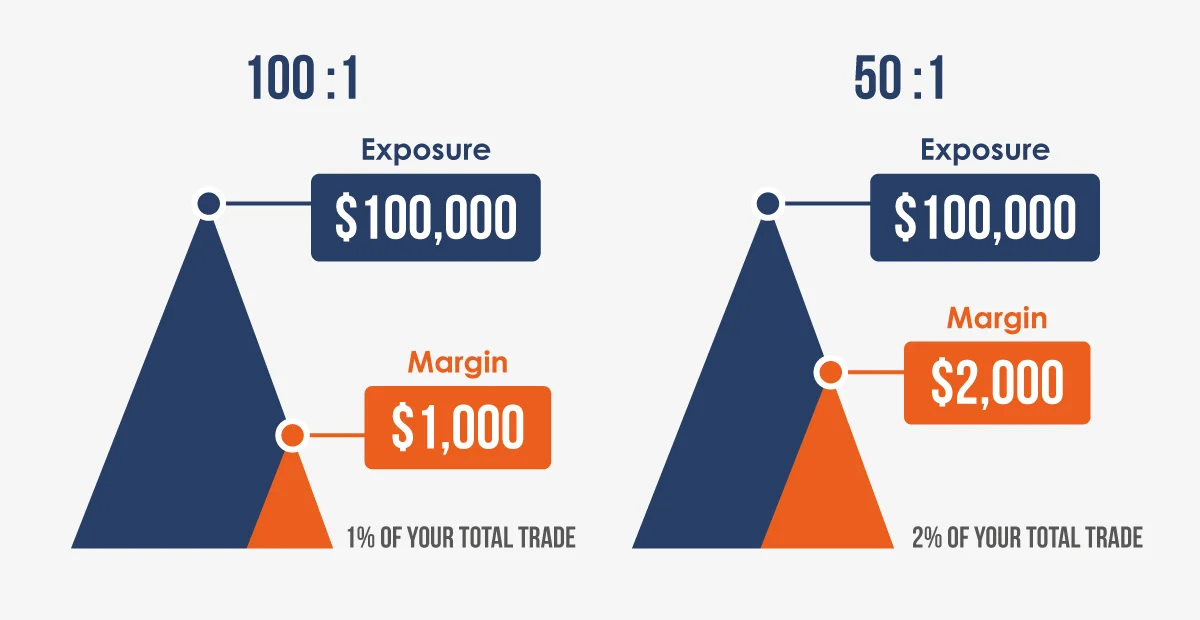
CFD leverage lets smart traders control large positions with small amounts of capital through margin, turning modest deposits into powerful market exposure. This setup means you put down a fraction of the trade’s value, and your broker lends the rest. Gains and losses scale up based on the leverage ratio, so a 1:10 ratio controls $10 for every $1 you deposit. Mastering this boosts your trading potential, but it demands solid risk controls to avoid big setbacks.
Margin acts as the fuel for leverage, requiring an initial deposit to open positions and ongoing levels to keep them active. You deposit this as a good-faith amount, not the full trade value. It frees up capital for multiple trades, letting you spread risk across assets like forex pairs or indices.
High leverage amplifies both profits and losses, so smart traders pair it with strategies like tight stop-losses. Without discipline, small market moves wipe out accounts fast. Regulations cap ratios in many regions to protect retail traders.
Ready to build skills? The sections below break down leverage mechanics, margin details, benefits, and risks. You’ll learn how to use this power wisely for better trades.
What Is CFD Leverage?
CFD leverage is a tool that lets traders control large positions with small capital deposits using margin, amplifying both gains and losses through ratios like 1:10. Here’s the breakdown on how it works in practice.
How Does Leverage Differ from Standard Trading?
Leverage sets CFDs apart from standard trading by using margin to multiply your buying power. In unleveraged stock trading, you need the full amount to buy shares, say $10,000 for 100 shares at $100 each. With 1:10 leverage in CFDs, you control that same $10,000 position with just $1,000 margin. If the asset rises 5%, unleveraged gives $500 profit on your full investment. Leveraged, that same move yields $500 on your $1,000, a 50% return.

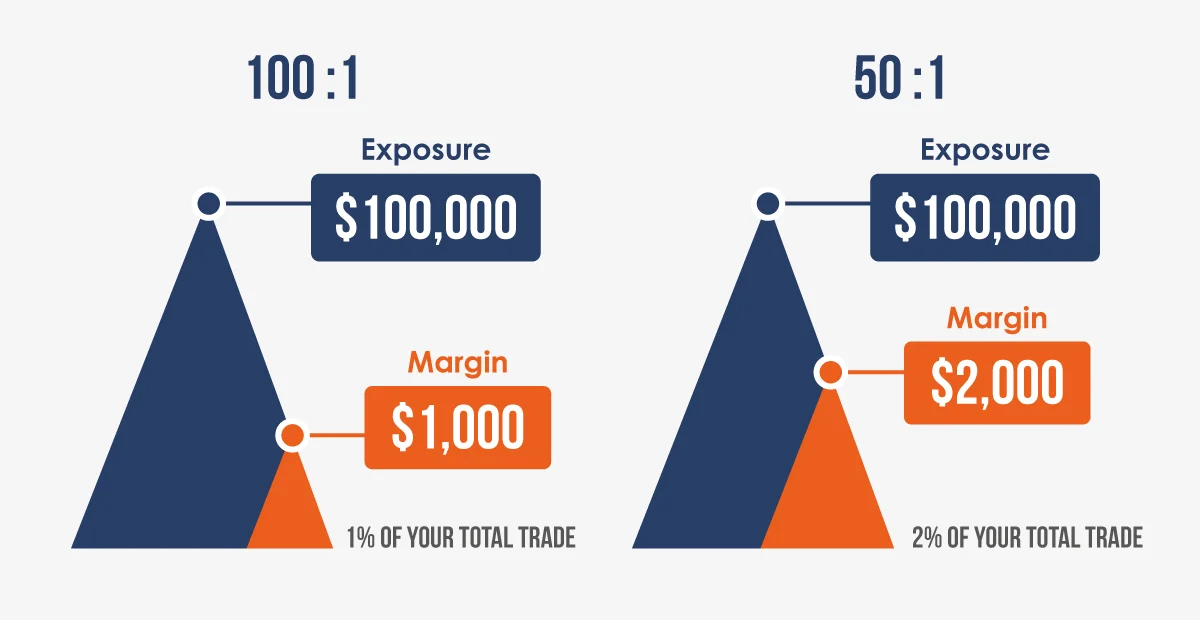
Margin is the key difference, acting as collateral. Brokers require it to cover potential losses, lending the rest. This opens doors to big markets without tying up all your funds. For instance, trading gold CFDs at 1:20 means $500 controls $10,000 worth. A 2% price jump nets $200 profit, or 40% on your margin.
Without leverage, you’d need huge capital for meaningful exposure. CFDs change that, but the flip side is risk. A 5% drop in the leveraged gold trade loses $500, half your margin. Standard trading limits losses to the asset’s value, while leverage can exceed your deposit if unchecked.
Traders often overlook how this shifts mindset. You trade like a big player with retail capital. Always calculate: position size equals margin times leverage ratio.
Is CFD Leverage Suitable for All Traders?
CFD leverage fits experienced traders with strong risk plans, not beginners prone to emotional decisions. Newbies chase high ratios without stops, leading to quick wipeouts. Data from brokers shows 70-80% of retail CFD accounts lose money, often from overleveraging.

It demands discipline. You need rules like risking 1% per trade max. Beginners skip this, treating leverage as free money. Markets move fast, say a forex pair drops 1% in minutes, turning a small position into a big loss at 1:100.
Smart traders thrive by starting low, like 1:5 ratios, building habits. Test on demos first. Pitfalls include ignoring volatility, say on crypto CFDs swinging 10% daily. Margin calls hit unaware traders hard.
How Does Margin Power Work in CFD Leverage?
Margin power in CFD leverage requires an initial deposit to open positions and maintenance levels to hold them, with formulas like free margin = equity – used margin controlling position sizes. Let’s explore the details step by step.
Initial margin is the upfront deposit, often 3-10% of position value based on leverage. For a $100,000 forex trade at 1:30, you deposit about $3,333. Maintenance margin keeps it open, typically 50-100% of initial. Drop below, and brokers issue calls.
Free margin shows trading room: free margin = account equity – used margin. Equity is balance plus unrealized profit/loss. Say you have $10,000 balance, open a $50,000 position using $5,000 margin at 1:10. Free margin is $5,000. A winning trade boosts equity, freeing more.
Position sizing formula: size = capital x leverage / asset price. With $2,000 at 1:20 on EUR/USD at 1.10, you control about 36,363 units. Brokers set requirements per asset, higher for volatiles like stocks.
Track margin level: (equity / used margin) x 100%. Above 100% is safe; below triggers action.
What Are Common Leverage Ratios in CFD Trading?
Common ratios group by asset and region: 1:30 for forex majors, 1:20 commodities, 1:5 indices, and 1:2 cryptos under ESMA rules. Calculate position size as capital x leverage.

Forex majors like EUR/USD often cap at 1:30 in Europe, letting $1,000 control $30,000. Minors or exotics drop to 1:20. Indices like S&P 500 use 1:5, so $10,000 margin handles $50,000 exposure. Gold at 1:20 means tight control on swings.
US rules limit to 1:50 forex, 1:2 others. Offshore brokers offer 1:500, riskier. Always check: position size = (account size x risk %) / stop-loss distance x leverage adjustment.
For example, $10,000 account, 1% risk ($100), 50-pip stop on GBP/USD at 1:30. Size fits about 0.6 lots. Ratios match volatility, protecting from wild moves.
How Is Margin Call Triggered in Leveraged CFDs?
Margin calls trigger when margin level falls below 100%, often at 50-80% stop-out. Brokers close positions to prevent debt. Negative balance protection, standard in regulated firms, caps losses at your deposit.

Say equity drops to $4,000 on $5,000 used margin: level is 80%, warning issued. Hits 50%, auto-close. Volatility spikes this, like news events moving indices 2%.
Steps: monitor level daily, use stops at 1-2% risk. Example: 1:100 oil CFD, $1,000 margin for $100,000. 1% drop loses $1,000, triggering call. Protection ensures no owes.
What Are the Benefits of Mastering CFD Leverage?
Mastering CFD leverage offers profit amplification, capital efficiency, and large market access, like turning $1,000 into $10,000 exposure. To understand this better, look at real scenarios.
Leverage multiplies small moves. A 1% index rise on 1:20 position gives 20% return on margin. Capital efficiency lets you trade multiple assets. With $5,000, split across forex and stocks unleveraged is tiny; leveraged covers real sizes.
Access grows: trade global markets without millions. Short-selling shines, profiting falls same as rises.
Discipline pays: consistent 1% daily on leveraged capital compounds fast.
Can Leverage Help Smart Traders Amplify Returns?
Leverage amplifies returns for traders with strategies, like scaling winners. Take $5,000 at 1:10 on forex. 50-pip move profits $500, 10% gain. Chain five trades, portfolio doubles.
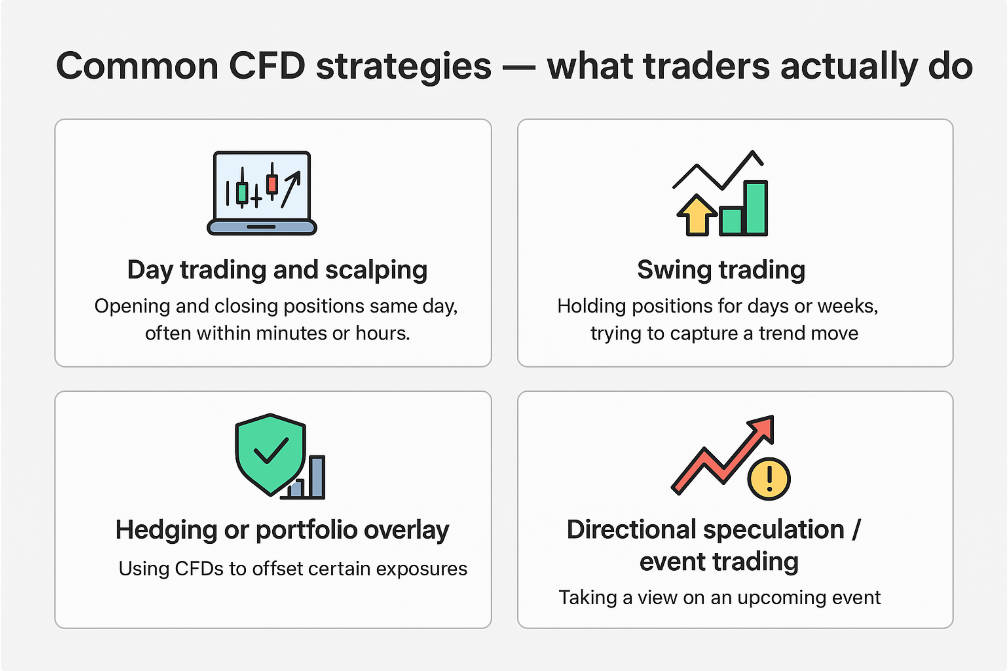
Scenarios: calm trend, 1:30 EUR/USD yields steady 2-3% weekly. Volatile breakout, 1:50 crypto nets 50% in days with tight exits.
Pair with analysis. Support bounce at 1:20 indices doubles small stakes. Track win rate over 100 trades.
What Strategies Maximize Leverage Safely?
Strategies group by risk rules: 1-2% per trade, position sizing via account risk, and scaling out profits. Limit exposure.
Risk 1%: $10,000 account risks $100 max. 20-pip stop, 1:30 forex sizes 0.5 lots.
Position rules: never over 5% total open. Scale: enter half size, add on confirmation.
Hedging pairs high leverage assets. Trail stops lock gains. Backtest: 60% win rate at 1:2 risk-reward turns 1:50 safe.
What Are the Risks of CFD Leverage and Margin?
CFD leverage risks include magnified losses, volatility hits, and overtrading temptations, demanding emotional control from smart traders. Specifically, let’s break down the dangers.
Losses scale fast. Small capital tempts big bets, wiping accounts. Volatility exposes leveraged spots: news drops assets 5%, leveraged loss is 500%.
Overtrading creeps in: easy entries lead to revenge trades. Emotional discipline counters this, sticking to plans.
Margin ties capital; calls force exits at lows.
How Do Losses Amplify with High Leverage?
Losses amplify more at high ratios: 1:100 turns 1% move into 100% margin loss, vs. 10% at 1:10. Compare scenarios.

1:10 gold, $1,000 margin, $10,000 position. 2% drop loses $200, 20% hit. Survivable.
1:100 same, $10,000 position still $1,000 margin. 2% drop loses $200? Wait, no: controls $100,000, loses $2,000, full wipeout.
Market drop: indices fall 3% on data. 1:10 loses 30%; 1:100, 300%. Recovery harder post-wipe.
Is There Regulation on CFD Leverage?
Regulations cap leverage: ESMA at 1:30 majors, ASIC similar, US CFTC 1:50 forex. Global variations protect traders.
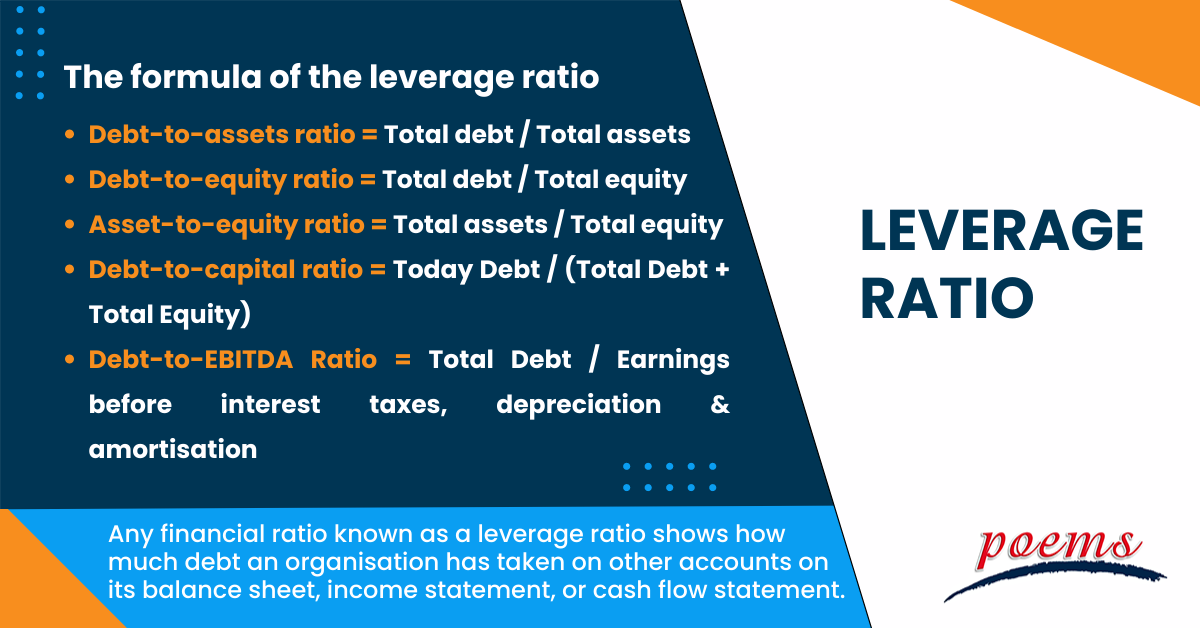
Europe: 1:30 forex, 1:20 metals, 1:2 crypto. UK FCA matches. Australia: 1:30 retail. US: strict 1:50 max.
Offshore like Seychelles allow 1:1000, but less protection. Check broker license. Caps cut retail losses 20-30% per studies.
Advanced Comparisons and Unique CFD Leverage Tactics
CFD leverage provides broker-tailored margins, asset-specific ratios up to 1:500, and tools like dynamic adjustments, setting it apart from forex through broader asset coverage including stocks and cryptos.
Furthermore, these tactics allow traders to fine-tune positions across diverse markets.
How Does CFD Leverage Compare to Forex Leverage?
CFD leverage mirrors forex in its core mechanic of controlling large positions with small margin deposits, but stands out with exposure to a wider asset range like individual stocks, indices, and cryptocurrencies. In forex, leverage typically focuses on currency pairs with uniform high ratios such as 1:500, driven by liquid spot markets. CFDs extend this to non-forex assets, where leverage drops for volatility, say 1:20 for stocks versus 1:30 in forex majors. This diversity means CFD traders manage varied risk profiles, while forex stays consistent.

You’ll notice the identical debt-based amplification in both, where profit or loss scales with leverage multiple. Yet CFDs introduce asset-specific regulations, like ESMA caps in Europe limiting retail leverage to 1:30 for forex majors but 1:2 for cryptos in CFDs.
What draws traders to CFDs? The flexibility to pivot between markets without separate accounts.
- Forex offers tighter spreads on pairs but lacks stock granularity.
- CFDs enable shorting any asset directionally, unlike forex’s pair-relative moves.
- Risk metrics like margin calls hit similarly, yet CFD volatility spikes demand lower leverage.
What Are Broker-Specific Margin Requirements?
Broker-specific margin requirements shape CFD trading by varying deposit needs per platform, often tied to regulation and asset class. For instance, IC Markets demands 3.33% margin on major forex CFDs (equating to 1:30 leverage under ESMA), while gold CFDs require 5%. Pepperstone aligns closely at 3.33% for majors but offers 1% for indices. XM pushes higher leverage up to 1:888 outside Europe, dropping margin to 0.11% on select pairs.

These differences stem from jurisdiction: ASIC-regulated brokers cap at 1:30 for retail, while offshore ones like those in Seychelles allow 1:500. Traders pick based on strategy; scalpers favor low margins.
How do you select? Compare via broker calculators.
- IC Markets: 3.33% majors, 50% cryptos (1:2).
- Pepperstone: 2% indices, flexible for pros.
- FP Markets: 1% gold, competitive for commodities.
- Always verify live accounts, as pros get lower margins.
Can Leverage Vary by CFD Asset Type?
Yes, leverage varies sharply by CFD asset type due to volatility and regulatory grouping, with commodities often at 1:10 versus cryptos at 1:2. Regulators like ASIC group majors (forex, indices) at 1:30, commodities at 1:10, and exotics like cryptos or single stocks at 1:5 or lower to curb retail losses. Futures CFDs might hit 1:20, contrasting spot CFDs.
This grouping protects against whipsaws; cryptos swing 10% daily, justifying tight margins. Commodities like oil stay at 1:10 for steady demand.
Why does this matter for portfolios? It forces allocation shifts.
- Commodities (1:10): Lower risk, suits trend followers.
- Cryptos (1:2): High caution, for short-term plays only.
- Stocks (1:5): Balances equity exposure without full capital tie-up.
- Indices (1:20-30): Bridges forex stability with market breadth.
What Rare Margin Tools Boost Smart Trading?
Rare margin tools like dynamic margin and EA-driven hedging elevate CFD strategies by adapting requirements in real-time. Dynamic margin from brokers like IC Markets adjusts calls based on volatility, say increasing 20% during news without closing positions. Hedging via Expert Advisors (EAs) from Forex Expert Advisor Store counters losses, pairing opposing CFDs to lock margins.

These tools suit advanced users; standard static margins ignore intraday shifts.
Have you tried automating? EAs scan for margin efficiency.
- Dynamic margin: Scales with volatility index, frees capital 15-30%.
- EA hedging: Opens offsets on correlated assets, like gold vs. USD pairs.
- Portfolio margining: Nets positions across CFDs, rare but cuts total outlay 40%.
- Backtest via MT4 stores for Forex EAs tailored to leverage swings.
