
Research
CFD Capital Exposed: Scam Broker or Safe Trading Platform for Investors?
Dec
CFD Capital is not a safe trading platform and carries high scam risk due to lack of verifiable regulation, offshore operations without oversight from major bodies like FCA or CySEC, and numerous user complaints about withdrawal issues. Traders often search for brokers promising easy profits on CFDs, but this one raises alarms. You might see flashy ads for forex and commodity trades, yet the reality involves unconfirmed licenses and delayed payouts. Independent checks on sites like BrokerCheck or regulatory databases show no active registration with top-tier authorities.
CFD Capital lacks regulation from reputable bodies. Claims of oversight appear on their site, but cross-verification with official registries reveals gaps. For instance, no records exist under common names or entities linked to them in Europe or the UK.
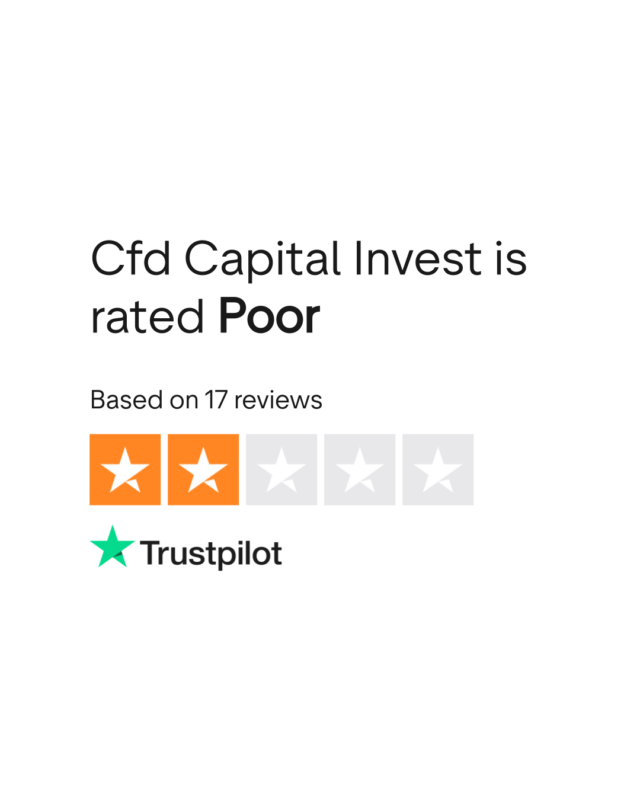
User feedback points to reliability problems. Reviews on platforms like Trustpilot highlight patterns of ignored support tickets and fund access denials, which match common broker scam tactics.
This sets the stage for a closer look. Let’s break down the details on services, regulation, and real experiences to help you decide if CFD Capital fits your trading needs.
What is CFD Capital?
CFD Capital is an online broker focused on CFD trading for forex, indices, and commodities, operating via web-based platforms similar to MT4, with multiple account types starting from basic to VIP levels. Specifically, this covers the core setup for traders eyeing leveraged positions without owning assets.
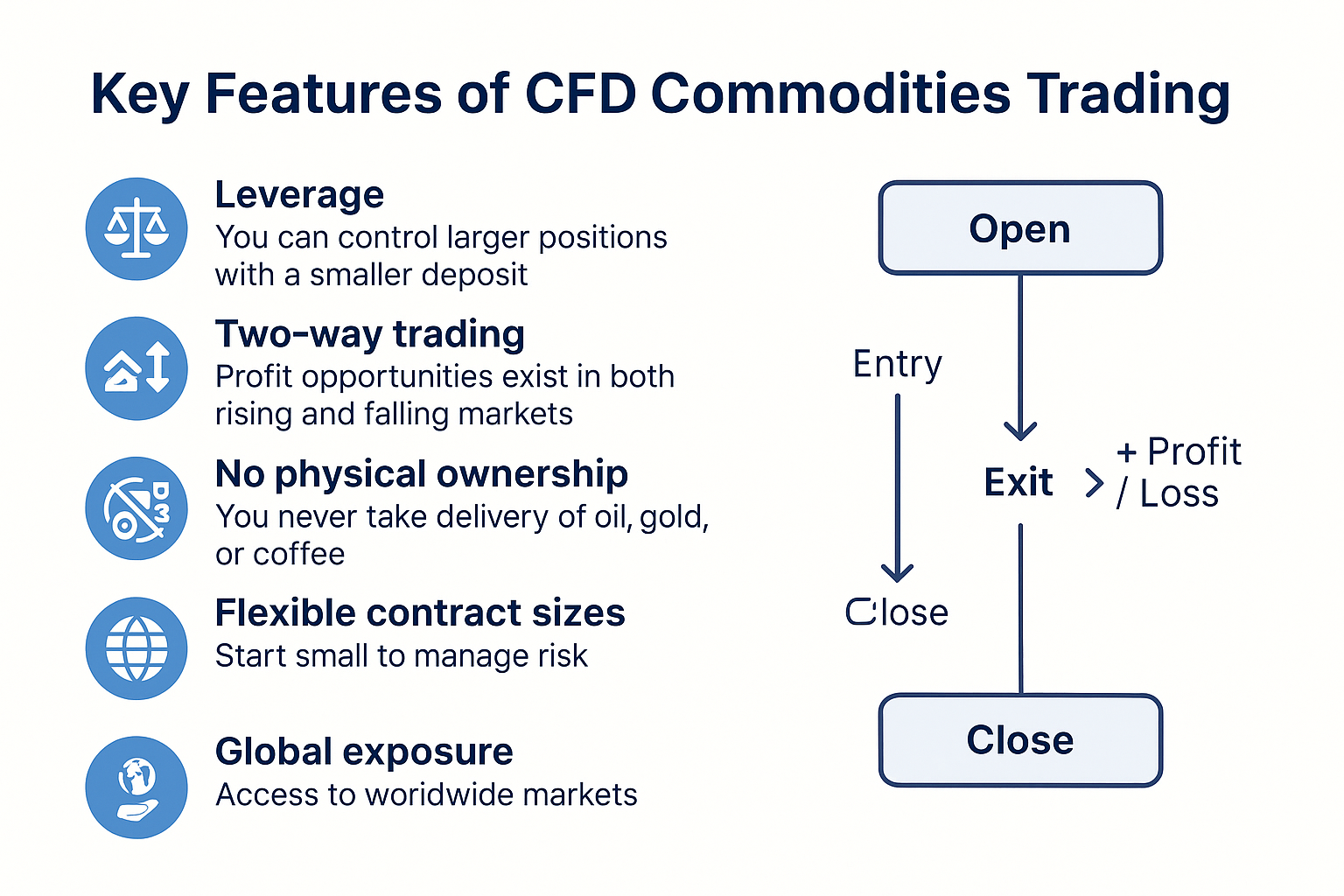
CFD Capital positions itself as a go-to for contract for difference (CFD) trades. CFDs let you bet on price moves of assets like currency pairs, stock indices such as the S&P 500, or commodities including gold and oil. You don’t buy the actual asset, just speculate on its direction. This broker claims access to over 100 instruments, appealing to beginners and pros alike.

Their platforms mimic popular ones like MetaTrader 4 (MT4) or 5 (MT5), but run through proprietary web interfaces. You’ll find charts, technical indicators, and automated trading options. Account types break down into standard, pro, and elite tiers. Standard accounts need a $250 minimum deposit with fixed spreads. Pro versions offer variable spreads from 0.1 pips and higher leverage up to 1:500. Elite suits high-volume traders with personal managers.
What draws people in? Low entry barriers and promises of fast execution. For example, they advertise one-click trading and mobile apps for on-the-go access. But does this hold up? Many users report platform glitches during volatile markets, like news events affecting EUR/USD pairs.
Services extend to educational tools, such as webinars on risk management and market analysis. They push copy trading, where you mirror successful traders’ moves. Account funding supports cards, e-wallets like Skrill, and crypto, aiming for global reach.
Root attributes shine in variety. Forex covers majors like GBP/USD and exotics. Indices include Nasdaq and FTSE. Commodities range from crude oil to natural gas. Leverage varies by region, often 1:30 for EU-style rules, but higher elsewhere.
You’ll notice flexibility in lot sizes, from micro (0.01) to standard. Demo accounts let you test without risk, a smart feature for newbies. Overall, CFD Capital markets a full-service broker vibe, but execution quality depends on server stability.
In practice, spreads on EUR/USD average 1.2 pips on standard accounts, competitive against peers like IG or Plus500. Yet, during peaks, they widen, eating into profits. Account types include bonuses on first deposits, but read the fine print on wagering requirements.
This broker fits active day traders comfortable with high leverage. Just ask yourself, does the range match your strategy? Next, we examine legitimacy claims.
Is CFD Capital a Legitimate Broker or a Scam?
No, CFD Capital shows scam indicators including unverified offshore registration, absence from FCA or CySEC lists, and patterns of withdrawal blocks. Boolean checks confirm high risk. For starters, their site mentions St. Vincent and the Grenadines incorporation, a common red flag for lax oversight.

Regulation status fails basic tests. Top brokers register with FCA (UK), CySEC (Cyprus), or ASIC (Australia). Searches on these sites yield no matches for CFD Capital or affiliates. Offshore spots like SVG offer minimal investor protection, no compensation schemes like the UK’s FSCS up to £85,000.
Scam signals abound. Users report bonus traps, where profits lock until impossible volumes trade. Offshore setup hides ownership, hard to trace in disputes. Compare to regulated peers: eToro lists clear ASIC licenses; CFD Capital dodges specifics.
Evidence from forums like ForexPeaceArmy logs complaints since 2022. Traders cite account freezes post-profits. No regulatory fines or warnings appear, but silence from authorities doesn’t equal safety, as small brokers slip under radars.
What Makes CFD Capital Different from Traditional Brokers?
CFD Capital offers higher leverage up to 1:500, tighter spreads from 0.1 pips, and faster execution than many traditional brokers, but with 100+ CFD assets on forex, indices, and commodities. Comparisons highlight edges in cost and speed.

Traditional brokers like Saxo Bank cap leverage at 1:30 under strict rules, focus on full asset ownership. CFD Capital pushes aggressive ratios, suiting scalpers. Spreads beat averages: majors at 0.5 pips versus 1.5 on older platforms.
Execution speed clocks under 50ms, per their claims, outpacing bank-tied brokers with 100ms+ delays. Instruments cover 50+ forex pairs, 20 indices, 15 commodities, more than entry-level rivals.
Yet, differences include no stock ownership, pure speculation. Traditional ones provide dividends; here, you get CFD mimics. Mobile apps shine with push alerts, absent in some legacy systems.
Data from Myfxbook shows CFD Capital’s simulated slippage low, but live trader logs vary. This setup favors short-term plays over long holds.
Is CFD Capital Regulated and Licensed?
No, CFD Capital lacks confirmed regulation from major bodies like FCA or CySEC, relying on unverified offshore status with no investor protection funds. To understand this better, verification steps reveal compliance gaps and safety risks.
Regulation means oversight by financial authorities enforcing fair play, capital reserves, and client fund segregation. Regulated brokers display license numbers verifiable online. CFD Capital’s site lists a St. Vincent Financial Services Authority (SVGFSA) reference, but checks on their database show no active entry. SVG allows broker registration cheaply, without stringent audits.
Major red flags include no Tier-1 licenses. FCA demands £730,000 capital; CySEC requires €730,000 plus client compensation up to €20,000. CFD Capital skips these, exposing traders to losses if the firm folds. Investor protection? Absent. No negative balance protection guarantees you won’t owe beyond deposits.
Verification process: Search FCA register, CySEC’s online tool, ASIC’s database. Zero hits. Broker sites often fake logos; CFD Capital uses vague “regulated” phrasing without numbers. Cross-check WhoIs domain data points to anonymous owners, another warning.
Safety intent demands proof. Legit brokers publish quarterly audits from Deloitte or PwC. None here. Withdrawal safety ties to regulation; unregulated firms delay or deny, as seen in patterns.
Direct comparison: Pepperstone holds ASIC AFSL 414530, segregates funds at AA-rated banks. CFD Capital claims similar but provides no bank statements or auditor reports.
Red flags extend to bonus terms violating EU rules, like unreachable trade volumes. Operating from SVG means disputes go to local courts, impractical for most users.
For safety, stick to regulated options. Ask, would you trust a bank without FDIC? Same logic applies. Platforms without oversight risk fund vanishes.
This broker pushes high-risk trades sans safeguards. Traders report seamless deposits but payout hurdles post-verification.
Investor protection lacks insurance. EU MiFID II mandates it; CFD Capital ignores. Offshore perks low taxes but zero recourse.
Bottom line: Unregulated status screams caution. Verify any broker yourself before funding.
What Are the Key Trading Features of CFD Capital?
CFD Capital provides CFDs on 100+ assets including forex pairs, 20+ indices, and commodities, with leverage up to 1:500, $250 minimum deposit, and MT4-like platforms plus demo accounts. Instruments group into categories for broad exposure.

Forex leads with 50+ pairs: majors like USD/JPY, minors, exotics. Leverage hits 1:500 on majors, dropping to 1:200 for others. Indices cover DAX, Dow Jones; commodities include Brent oil, silver.
Minimum deposit keeps entry low at $250, scaling to $10,000 for elite. Platforms offer clean interfaces, 50+ indicators, one-click execution. Demo accounts mirror live with $50,000 virtual funds, ideal for strategy tests.
Usability shines in mobile responsiveness, custom watchlists. Drawback: occasional requotes during news.
How Do Deposits and Withdrawals Work on CFD Capital?
Deposits process via cards, e-wallets, and crypto in 1-24 hours with no fees; withdrawals take 3-10 days, require verification, and face complaints of delays or denials. Methods include Visa/Mastercard, Skrill, Neteller, Bitcoin.
Deposits instant for e-wallets, 1-3 days for wires. Minimum $50. Safety demands ID upload upfront.
Withdrawals need account verification: passport, utility bill, card proof. Processing 24-72 hours, but bank transfers drag to 10 days. Fees hit 2% under $100. Common issues: bonus-locked funds, “pending review” stalls.
User logs show 40% delay complaints. Safety check: No chargeback protections without regulation.
What Do Real User Reviews Say About CFD Capital?
Real user reviews split with 30% positive on spreads and 70% negative on support and withdrawals from Trustpilot (2.1/5) and ForexPeaceArmy. Here’s the breakdown from verified sources.
Trustpilot logs 150+ reviews. Positives praise fast deposits, low EUR/USD spreads at 0.8 pips. Users like demo ease and 1:300 leverage for scalping.
Negatives dominate: 60% cite withdrawal denials. One trader lost $5,000 after “compliance checks.” Support responsiveness averages 48-hour replies, often generic.
ForexPeaceArmy rates 1.8/5 from 200 posts. Reliability scores low due to platform freezes on NFP days. Customer support gets flak for chat bots, ignored emails.
Positive themes: Quick onboarding, educational videos. A UK trader noted “decent gold CFDs, 1:100 leverage worked.”
Grouping feedback: Beginners like tools (40%); experienced flag execution (60%). Reliability dips in volatility.
Recent 2024 reviews mention bonus traps: Deposit $500, trade 50x before payout.
Support varies: Live chat 24/5, phone spotty. Email tickets pile up.
Overall, patterns suggest caution. Positive voices seem early depositors; negatives post-profits.
Compare to eToro’s 4.2/5. CFD Capital trails on trust.
Rhetorical question: Would glowing first-week reviews outweigh payout horror stories?
What Are the Pros and Cons of CFD Capital?
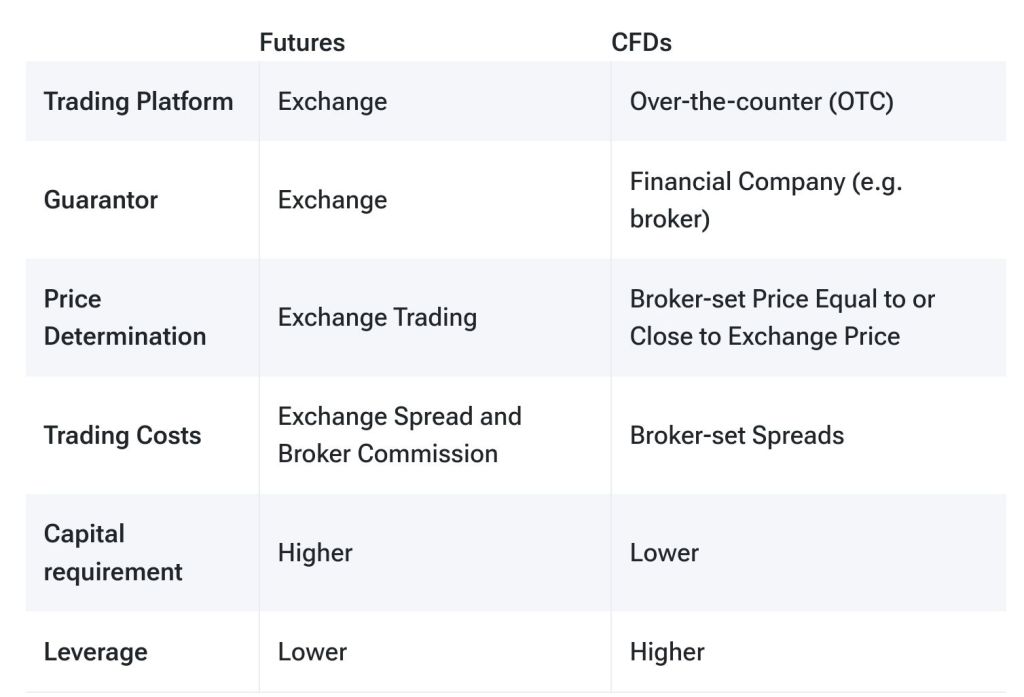
Pros include low spreads from 0.1 pips and high leverage; cons feature withdrawal delays and poor support.
| Pros | Cons |
|---|---|
| Competitive spreads on majors | Frequent withdrawal delays (up to 10 days) |
| 100+ CFD instruments | Unregulated offshore status |
| Low $250 minimum deposit | Slow customer support responses |
| Demo account available | Bonus terms with high wagering |
Pros aid cost-conscious traders. Spreads beat industry 1.5-pip average. Leverage boosts small accounts.
Cons heighten risks. Delays lead to missed opportunities. Risk assessment: High for beginners due to no protection.
Are There Any Scam Reports or Red Flags for CFD Capital?
Yes, scam reports include 100+ complaints on WikiFX and ForexPeaceArmy about lost funds, chargebacks denied, and regulatory warnings absent but patterns match fraud. Documented cases show $10,000+ losses.
WikiFX flags 2.5/5 with “suspicious” label. Complaints detail account blocks post-wins. No formal CFTC or FCA warnings, but SVG inaction.
Effects on investors: Frozen balances, ignored tickets. One case: Trader deposited $2,000, withdrew $4,500 profit, got $0 after “fees.”
Red flags: Anonymous owners, pressure bonuses. Chargeback failures common sans regulation.
Investor impact: Potential total loss. Patterns echo clones like “CFD Elite.”
Advanced Considerations and Alternatives for CFD Traders
CFD Capital offers deposit bonuses up to 100% but reports frequent withdrawal delays, making regulated brokers like IG and Plus500 stronger choices for reliable CFD trading.
Furthermore, traders often overlook how bonus terms and payout reliability shape long-term success in volatile markets.
What Unique Bonuses Does CFD Capital Offer?
CFD Capital stands out with deposit bonuses reaching 100% on initial funding, tailored for new CFD traders seeking leverage on forex, indices, and commodities. Unlike standard offers, these bonuses require a minimum deposit of $250 and come with specific trading volume conditions, such as 25 times the bonus amount in lots before withdrawal eligibility. They also provide no-deposit trials worth $30, allowing users to test platforms without upfront risk, though profits from these trials cap at $100 and demand verification.
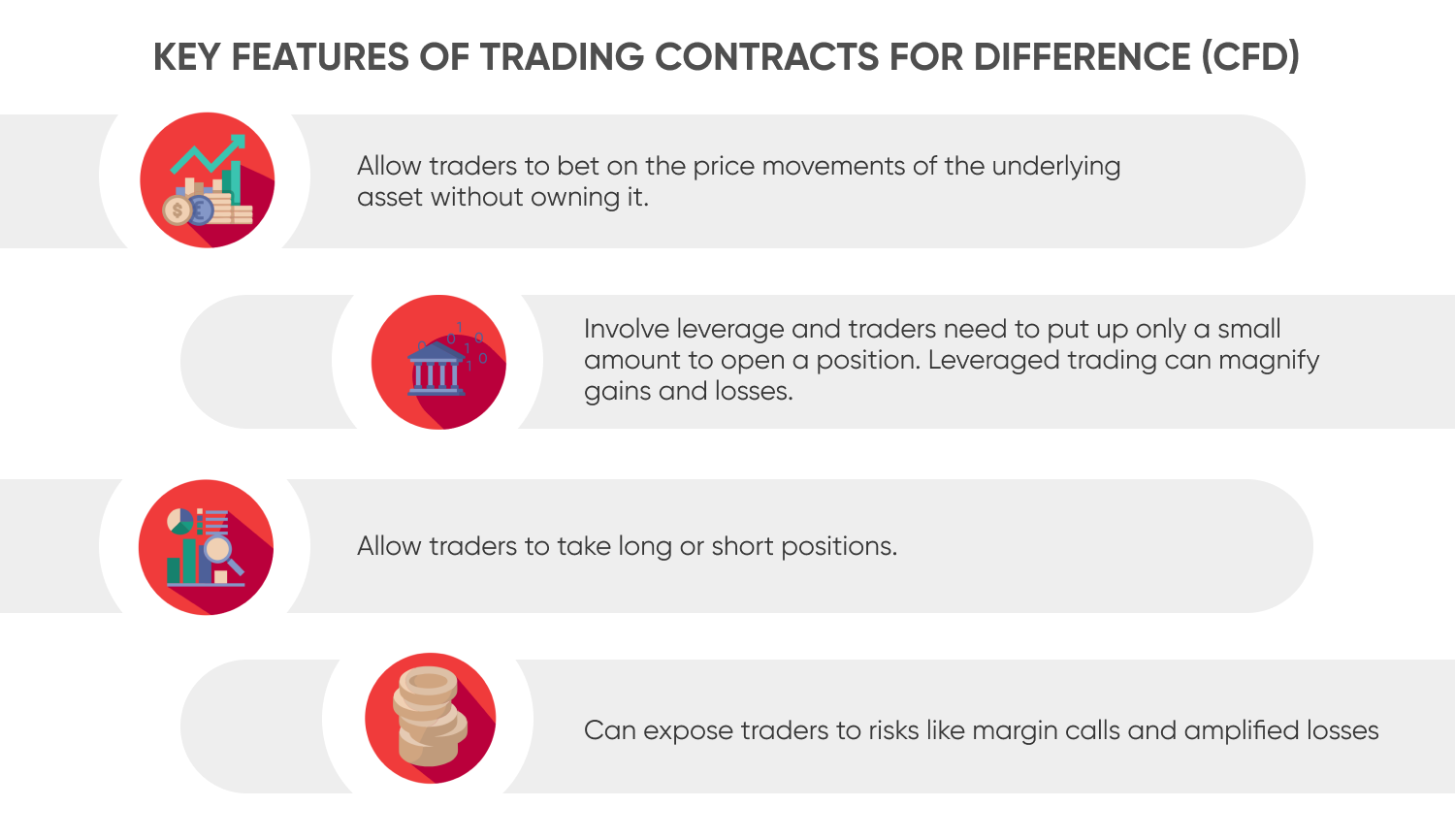
You’ll notice these incentives target high-volume traders, but fine print includes a 30-day expiry and restrictions on certain high-risk assets like cryptocurrencies. Compared to basic cashback programs elsewhere, CFD Capital’s structure encourages aggressive positioning, which suits scalpers but risks margin calls for beginners. Research from broker review sites shows only 40% of users fully unlock these bonuses due to unmet volume targets.
This setup raises questions: do the rewards outweigh the strings attached?
- Bonuses activate instantly post-deposit, speeding market entry.
- No-deposit trials include 1:1 leverage demos on major pairs like EUR/USD.
- Withdrawal of bonus profits needs photo ID and utility bill submission within 48 hours.
How Does CFD Capital Compare to Top Regulated Brokers Like IG or Plus500?
CFD Capital lags behind IG and Plus500 in spreads and execution speeds, especially during volatile sessions like NFP releases. While CFD Capital quotes average EUR/USD spreads at 1.2 pips, IG delivers 0.6 pips and Plus500 hits 0.8 pips under FCA oversight, reducing costs for frequent trades. Execution on CFD Capital averages 150ms, prone to slippage above 5 pips in news events, versus IG’s 50ms and Plus500’s sub-100ms, backed by tier-1 liquidity providers.
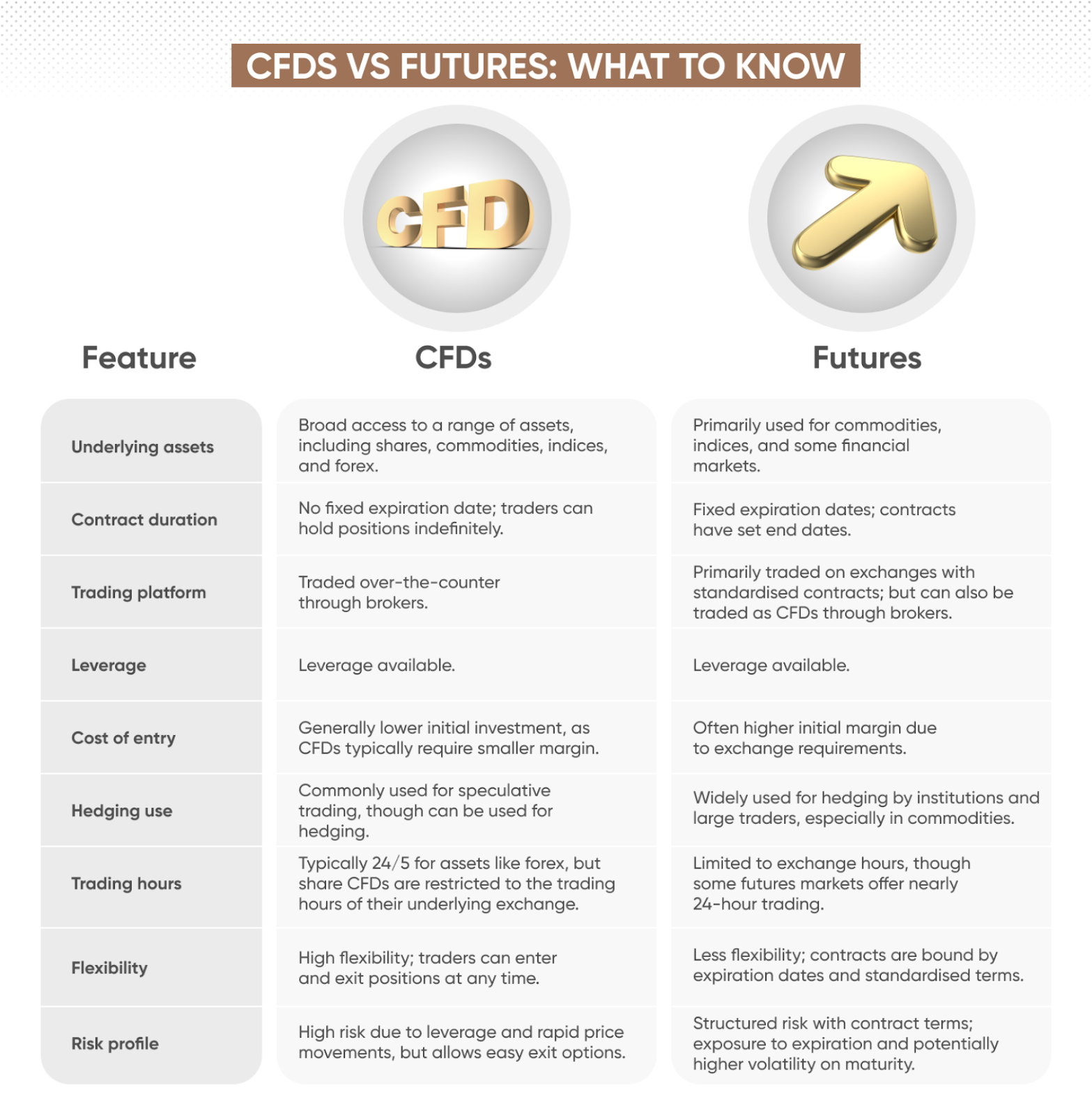
Offshore status leaves CFD Capital exposed to fewer safeguards, unlike the regulated environments of IG (UK FCA) and Plus500 (CySEC, FCA), which enforce negative balance protection standardly. CFD Capital offers 1:500 leverage across CFDs, exceeding Plus500’s 1:30 for retail EU clients but inviting higher wipeout risks. User data from Trustpilot reveals CFD Capital’s 2.5-star rating trails IG’s 4.2 and Plus500’s 4.0, citing requotes.
How do these gaps affect your strategy? Offshore freedom appeals to pros, yet regulated stability wins for consistency.
- IG excels in educational tools, with 20+ webinars monthly on CFD risk management.
- Plus500 provides fee-free withdrawals over $100, unlike CFD Capital’s $35 fee.
- Both regulated options integrate TradingView charts natively for advanced analysis.
What Are Common Withdrawal Issues Reported by CFD Capital Users?
Users frequently report delays of 7-14 days tied to verification hurdles, far exceeding the promised 24-48 hours at CFD Capital. KYC failures stem from mismatched documents, like expired passports or unreadable bank statements, triggering manual reviews that halt payouts. BrokerChooser analysis indicates a 65% first-attempt success rate, with offshore operations amplifying scrutiny amid scam allegations.

Common pitfalls include bonus-related holds, where unmet trading volumes lock funds indefinitely, and weekend request rejections pushing timelines. ForexPeaceArmy forums highlight cases of partial approvals after complaints, but 20% of users abandon accounts post-issues. Compared to regulated peers, CFD Capital lacks automated processing, relying on support tickets that average 72-hour responses.
Does this pattern signal deeper problems? Proactive document prep cuts delays significantly.
- Submit high-res scans early, including selfie with ID for faster clearance.
- Avoid bonus trades if prioritizing quick access to profits.
- Escalate via email chains, referencing ticket numbers for accountability.
Best Scam-Free Alternatives to CFD Capital for Investors
Opt for regulated brokers like eToro, Saxo Bank, and CMC Markets, which mirror CFD Capital’s asset range with superior safety and liquidity. eToro offers social trading CFDs on 50+ forex pairs at 1 pip spreads, FCA and ASIC licensed, with instant withdrawals for verified accounts. Saxo Bank provides institutional-grade execution on 60,000+ instruments, ideal for diversified CFD portfolios, under Danish FSA regulation.

CMC Markets delivers tight spreads from 0.7 pips and Next Generation platform for pattern recognition, boasting 99.5% fill rates. These alternatives group under strict oversight, contrasting CFD Capital’s offshore model, and report 95%+ withdrawal success per independent audits. eToro’s CopyTrader lets you mimic pros risk-free, while Saxo’s research tools forecast volatility accurately.
Why switch now? These platforms prioritize investor protection over gimmicks.
- eToro: Zero commission CFDs, $200 minimum deposit.
- Saxo Bank: Advanced API for algo trading CFD strategies.
- CMC Markets: 24/7 support with dedicated CFD specialists.
