
Research
Currency Market Trading Explained: Forex Basics and How to Start for Beginners
Dec
Forex trading lets beginners exchange currencies in a global market to profit from rate changes, starting with free education, a demo account, and a regulated broker. This approach works because the market runs 24 hours a day, five days a week, giving you flexibility to learn at your pace. You exchange one currency for another, like turning dollars into euros, betting on which strengthens. No need for a stock certificate or company analysis, just rate movements driven by world events. With low startup costs, often under $100, anyone with internet access can try it.
Key basics cover pips for measuring gains, leverage to control big positions with small funds, and major pairs like EUR/USD that dominate trades. These build your foundation so you read quotes and manage risks right away. Pips track tiny price shifts, while leverage amplifies results, good or bad. Focus here first to avoid confusion in live trading.
Major pairs make up 80% of volume, letting beginners stick to liquid options like GBP/USD for steady moves. Minors and exotics add variety later, but majors offer tight spreads and predictable patterns. Base and quote currencies show value simply, like EUR/USD at 1.10 means one euro buys 1.10 dollars.
These elements set you up for success. Now, let’s break down each part step by step, from market basics to your first trade.
What Is Forex Trading and the Currency Market?
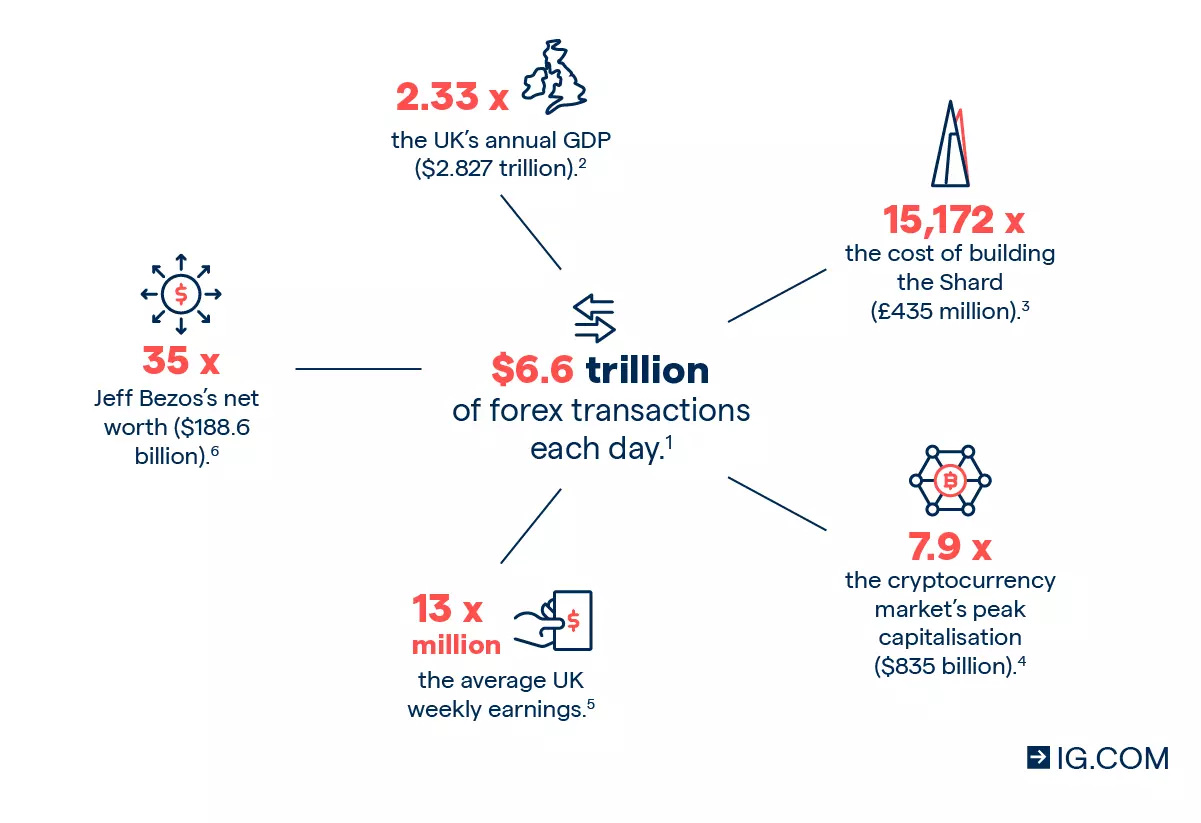
Forex trading is a decentralized global marketplace for exchanging national currencies, originating from international trade needs, featuring 24/5 operation and over $7 trillion in daily volume. Specifically, this covers how it runs and why it suits newcomers.
How Does the Forex Market Operate?
The Forex market, short for foreign exchange, functions through spot trading where currencies swap instantly at current rates, alongside forwards for future dates and swaps combining both. Spot trades settle in two business days, making up most activity. Bid prices show what buyers pay, ask prices what sellers want, with the spread as their gap.

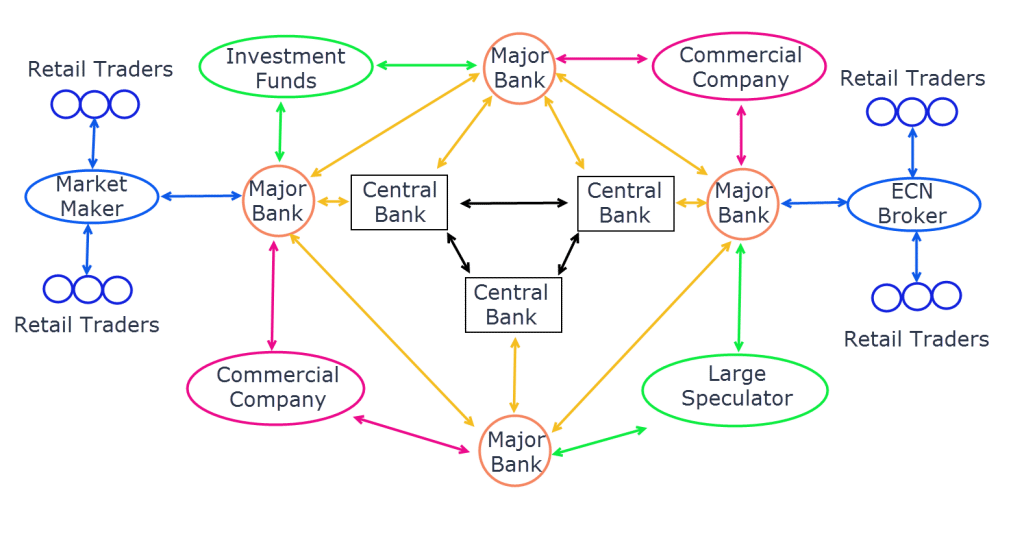
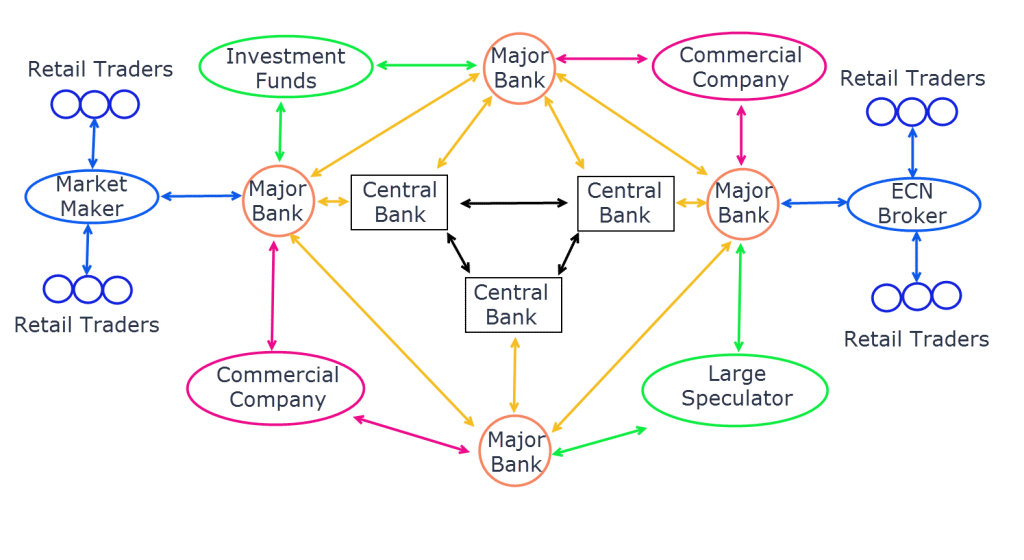
Core mechanics rely on exchange rates shifting via supply and demand, like rising U.S. dollar demand pushing USD stronger. Banks trade huge blocks for clients, institutions hedge risks, retail traders speculate via brokers. No single building hosts it, networks link worldwide via electronic platforms.
For example, if Europe news boosts the euro, traders buy EUR/USD, bid climbs from 1.1000 to 1.1020. Daily volume tops $7 trillion per Bank for International Settlements data, dwarfing stocks. This liquidity means quick entries and exits without big price swings.
You’ll notice sessions overlap: London-New York from 8 AM to noon EST sees peak action. Geopolitics or data releases spike volume. Forwards lock rates ahead, useful for importers. Swaps let you hold positions overnight cheaply. Beginners watch these to grasp flow.
Why Trade Forex as a Beginner?
Forex draws newcomers with high liquidity ensuring fast trades at fair prices, low entry like $100 minimums, and no central exchange for round-the-clock access. Unlike stocks closed weekends, it fits any schedule.
Accessibility shines: Brokers offer MetaTrader 4 or 5 platforms, free charts, and mobile apps. No commissions on many, just spreads. Leverage up to 50:1 boosts small accounts, though risks grow too.
High volume from banks like JPMorgan keeps spreads tight, say 1 pip on EUR/USD. Retail share hits 5-10%, per industry reports. Practice demos build skills without loss.
Ever thought why no gatekeepers? Decentralization cuts fees, speeds execution. Pair this with education sites, and you ramp up fast. Drawbacks like volatility teach discipline early.
This market’s scale means patterns repeat, aiding analysis. Banks dominate 50% volume, corporations 30%, giving stability.
What Are the Essential Forex Basics for Beginners?
Essential Forex basics group into pips, lots, leverage, margin, and spreads, key concepts for reading quotes and handling positions. In detail, here’s the breakdown starting with core measurements.
What Is a Pip and How Is It Calculated?
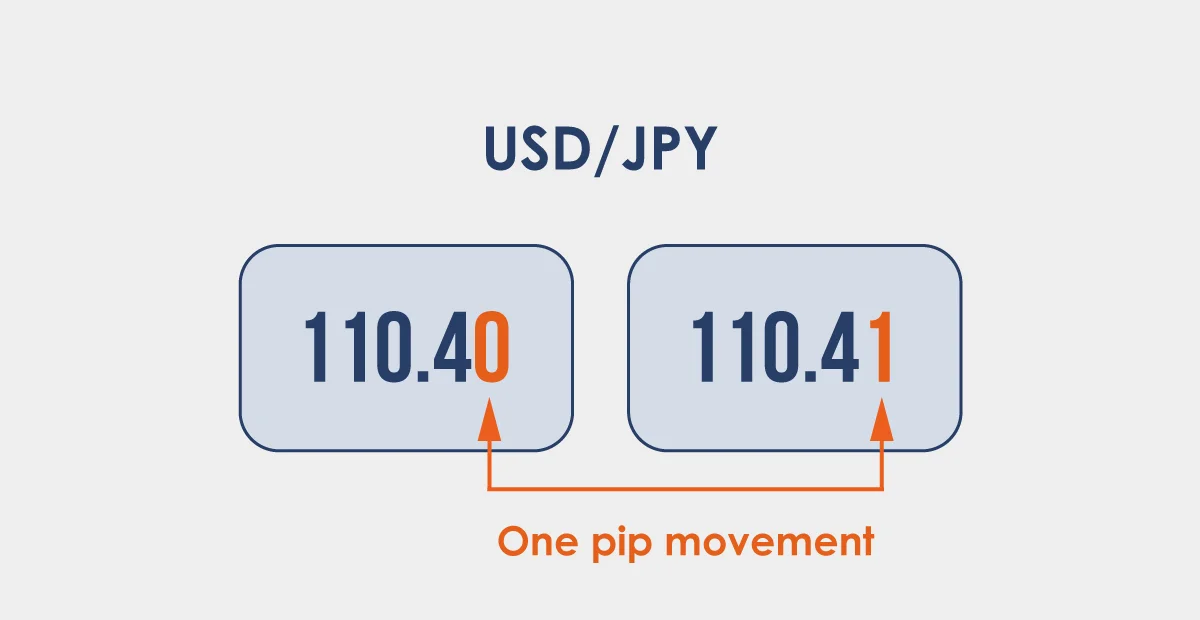
A pip is the smallest price move in a currency pair, usually 0.0001 for most pairs, measuring profit or loss on trades. For JPY pairs, it’s 0.01. Calculation: multiply pip value by lot size and rate change.
Take EUR/USD at 1.1050. A move to 1.1055 is 5 pips up. On a standard lot (100,000 units), one pip equals $10. Profit formula: (pips gained) x (pip value) x lots. For 10 pips on mini lot (10,000 units), that’s $1 per pip, so $10 total.
Why track pips? They standardize gains across pairs. Brokers quote four decimals, fifth for precision. Example: GBP/USD from 1.3050 to 1.3060, 10 pips, $100 on standard lot.
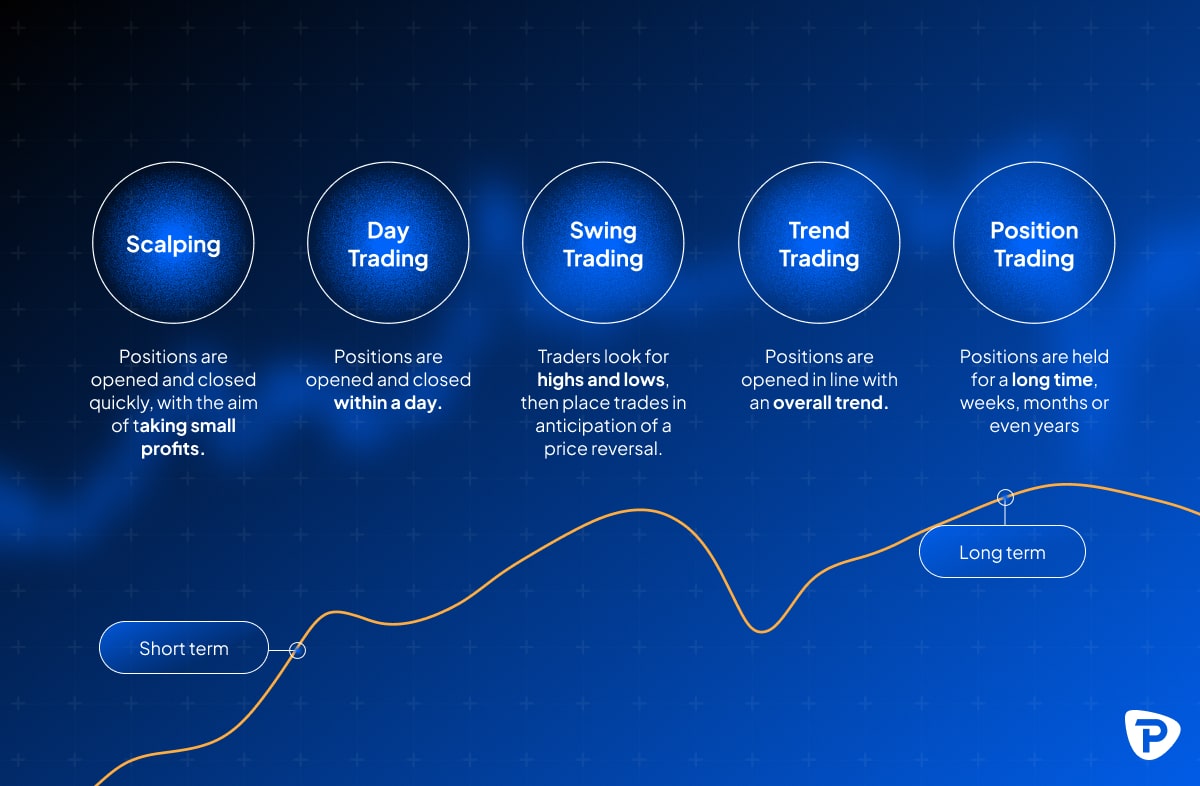
You’ll see pips in strategies: Scalpers chase 5-10 daily, swing traders 50+. Calculate via (end rate – start rate) / pip size x units. Tools like calculators simplify.
This builds confidence in position sizing.
What Is Leverage and Margin in Forex?
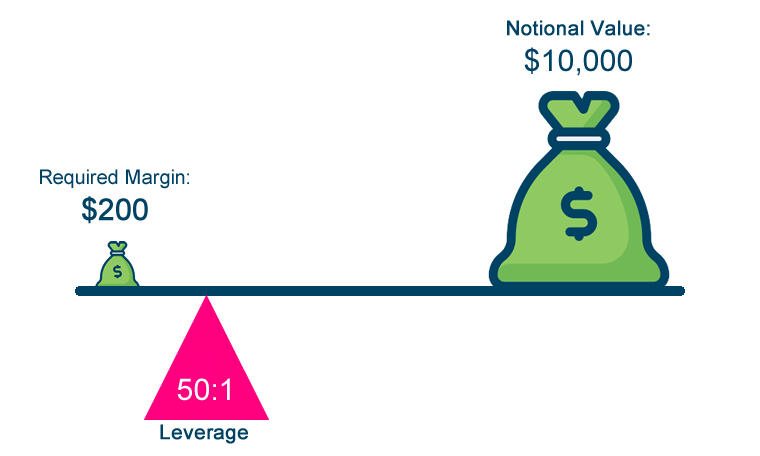
Leverage lets you control large positions with small deposits, like 100:1 meaning $1,000 controls $100,000, while margin is the required deposit. Risks amplify losses equally.
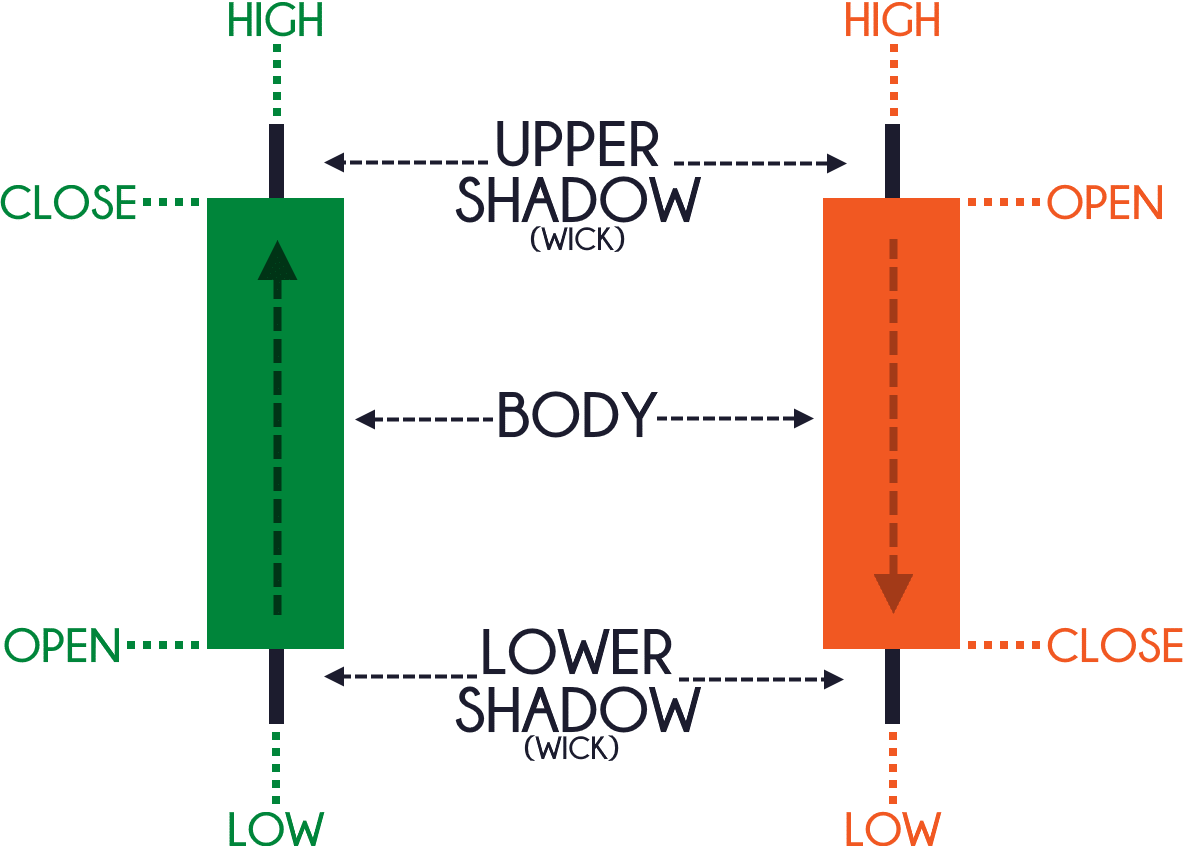
Margin works as collateral. At 1% margin (100:1 leverage), $1,000 margin trades $100,000 EUR/USD. Buy at 1.1000, sell 1.1010, 10 pips profit $1,000 minus spread.
But drop to 1.0990, $1,000 loss wipes margin, triggering margin call. Brokers set levels, say 50% forces adds or close.
Beginners example: $500 account, 50:1 leverage, $25,000 position. 20 pips against equals $200 loss, 40% account hit. Use 1-2% risk per trade.
Regulators cap leverage, EU at 30:1 for majors. Free margin tracks available funds.
Master these to avoid overexposure. Rhetorical question: Ready to size trades safely?
Lots tie in: Micro (1,000 units) suits tiny accounts. Spreads, broker fee as bid-ask gap, add costs, tighter better for frequent trades.
These basics prevent rookie errors, letting you focus on charts.
What Are the Major Currency Pairs in Forex?
Major currency pairs include EUR/USD, GBP/USD, USD/JPY, USD/CHF, AUD/USD, USD/CAD, and NZD/USD, with minors lacking USD and exotics from emerging markets, majors handling 80% volume. Let’s explore quotes and drivers next.
How Do Currency Pair Quotes Work?
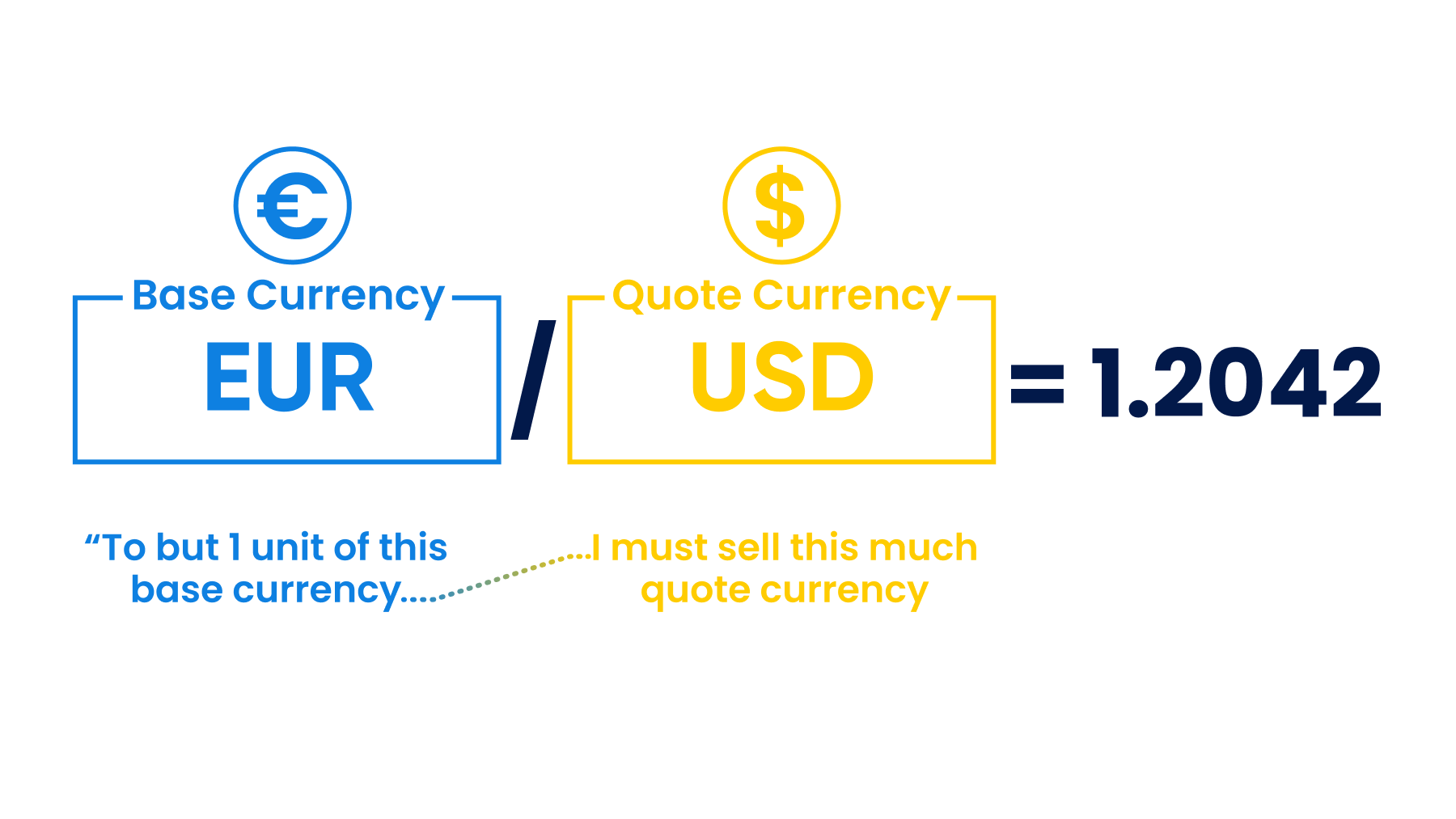
Currency pair quotes show base currency value in quote currency terms, like EUR/USD 1.1000 meaning 1 euro equals 1.1000 dollars; go long to buy base, short to sell. Base left, quote right.
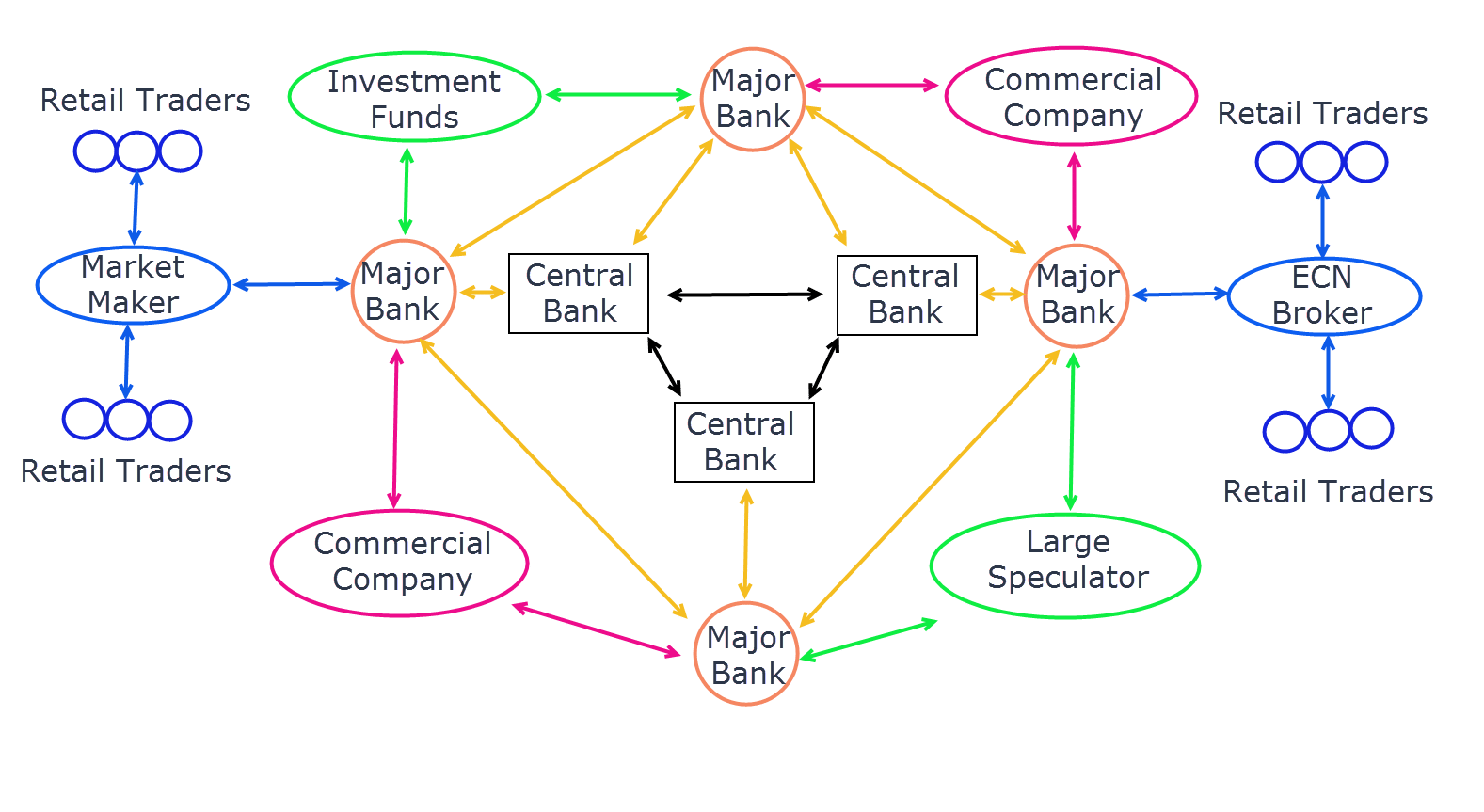
EUR/USD above 1.1000, buy euros expecting euro strength. Profit if rises to 1.1050. Short USD/JPY at 150.00 bets yen weakens.
Pips from fourth decimal, except JPY second. Brokers show live bids/asks. Long position profits from base up, short from down.
For instance, AUD/USD 0.6500 to 0.6550, 50 pips gain. Use stops to limit losses.
You’ll trade majors for liquidity, low spreads under 1 pip.
What Influences Currency Exchange Rates?
Exchange rates move from economic data like GDP or jobs reports, central bank interest rates, and geopolitical events. Strong U.S. jobs lift USD.
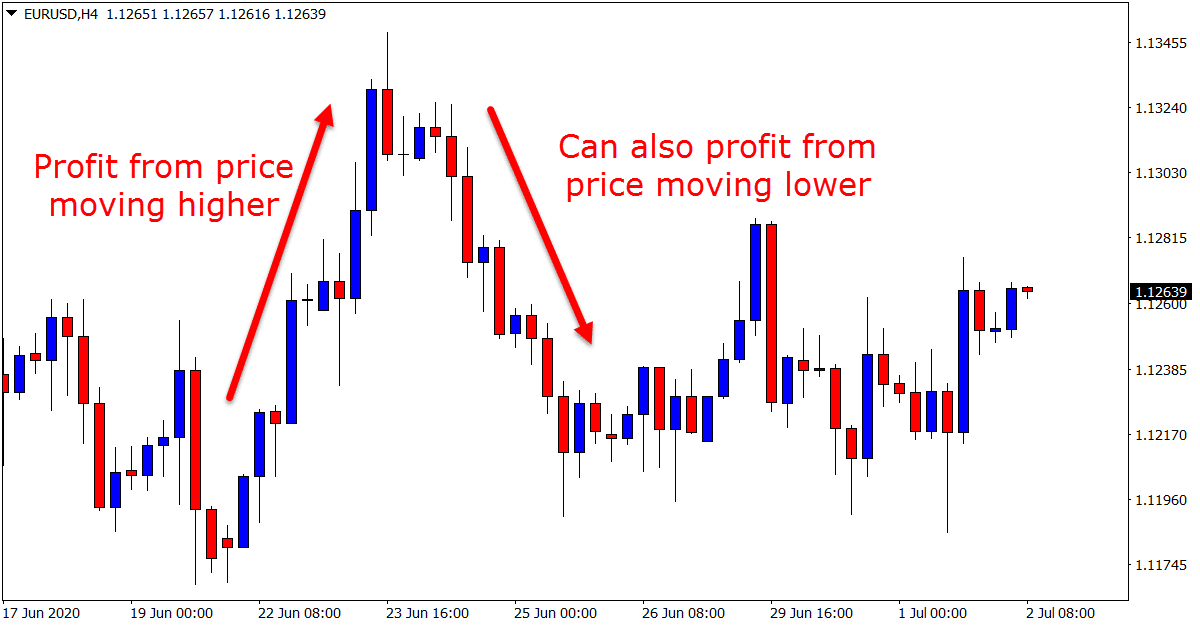
Interest rates matter: Fed hikes attract capital, strengthening dollar. Eurozone cuts weaken euro.
Indicators: CPI inflation, trade balances. Non-farm payrolls swing USD pairs 50-100 pips.
Geopolitics: Wars boost safe havens like CHF. Elections add uncertainty.
Data from Forex Factory calendars predict moves. Correlation: Oil rises help CAD.
Beginners watch these for entries.
How Do You Start Forex Trading as a Beginner?
Start Forex trading through education, broker choice, demo practice, and small live trades in four steps for risk-managed entry. To understand this better, check broker picks and practice.
What Should Beginners Look for in a Forex Broker?
Seek regulated brokers with low spreads, MT4/MT5 platforms, and fast execution from bodies like FCA or CFTC. Regulation protects funds.
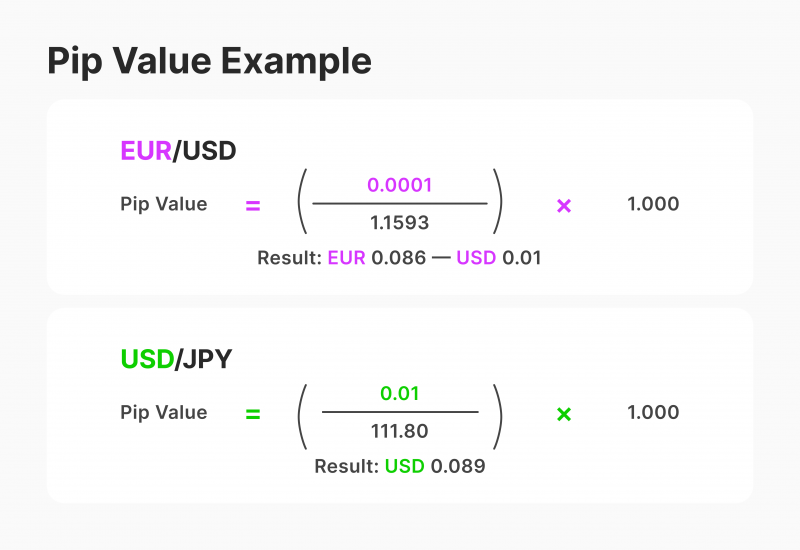
Low spreads, under 1 pip majors, cut costs. MT4 offers EAs, custom indicators; MT5 adds more assets.
Check minimum deposit $100-500, leverage options, customer support 24/5. Reviews on Trustpilot help.
Examples: IG Group FCA-regulated, tight spreads; OANDA CFTC, great education.
Avoid high commissions, slow withdrawals.
How to Practice Forex Trading Risk-Free?
Practice with demo accounts mirroring live conditions and paper trading by logging manual trades. Demos use virtual $10,000-100,000.
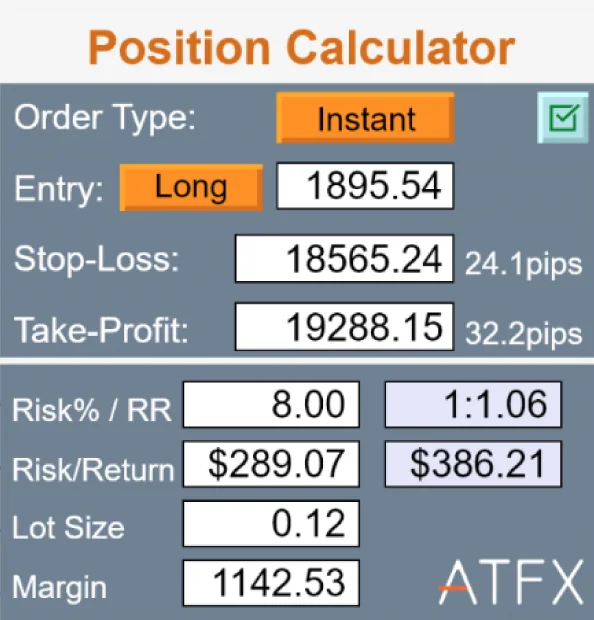
Sign up free, download MT4, test strategies like moving average crossovers. Track win rate over 100 trades.
Paper trading notebooks entries/exits, reasons. Builds discipline.
Shift live after 3 months profitable demo. Risk 1% per trade.
Rhetorical: Feel the market without stress? Tools like TradingView aid.
This path turns knowledge into skill.
What Advanced Tools and Comparisons Help Forex Beginners Progress?
Expert Advisors (EAs), demo-to-live transitions, market comparisons to stocks and crypto, and awareness of pitfalls like over-leveraging provide beginners with structured ways to advance beyond basics.
Furthermore, these elements build skills through automation, realistic practice, and broader context.
What Are Forex Expert Advisors and How Do They Automate Trading?
Forex Expert Advisors (EAs) are automated software programs that run on platforms like MetaTrader 4 (MT4) or MetaTrader 5 (MT5). They execute trades based on predefined rules, such as technical indicators or price patterns, without constant human input. For beginners, EAs remove emotional decisions and allow testing strategies on historical data through backtesting. You load an EA into MT4/MT5, set parameters like lot size or stop-loss, and it scans markets 24/5 for opportunities.
Backtesting shows how an EA would perform in past conditions. For example, you replay currency pair data from the last year to measure win rate and drawdown. This helps beginners learn without risking money. EAs use algorithms for scalping, trend following, or grid trading. A simple moving average crossover EA buys when a short-term average crosses above a long-term one.
You’ll notice EAs speed up learning by handling repetitive tasks. However, they need optimization for current markets, as past results do not guarantee future profits.
To get started, download MT4 from a broker, install an EA via the Navigator panel, and run backtests in the Strategy Tester.
- Select EAs with verified backtests on sites like Myfxbook to confirm realistic performance.
- Adjust risk settings like maximum drawdown to under 20% for safety.
- Combine with manual oversight initially to understand signals.
What Is the Difference Between Demo and Live Forex Trading?
Demo trading uses virtual funds on a broker’s platform to mimic real conditions, while live trading involves actual money with brokers like ECN or STP types. Demos lack slippage (price gaps during execution) and spreads widen less under stress. Live accounts face these, plus funding fees and overnight swaps.
The biggest gap is psychology. On demo, you risk nothing, so trades feel casual. Live trading triggers fear or greed, leading to hesitation on good setups or holding losers too long. Studies from broker data show 70-80% of demo profits vanish in live accounts due to this shift.
Transition challenges include smaller lot sizes on live starts and broker execution speeds. STP brokers pass orders directly, reducing manipulation risks compared to market makers.
Have you felt invincible on demo but frozen live? Practice scaling position sizes gradually.
- Build emotional discipline by trading demo with “live rules,” like fixed risk per trade at 1-2%.
- Track slippage logs from live micro accounts to compare broker performance.
- Use journaling apps to note feelings during trades for pattern recognition.
How Does Forex Trading Compare to Stock or Crypto Markets?
Forex stands out with higher liquidity than stocks or crypto, averaging $7.5 trillion daily volume per BIS data. Stocks trade on exchanges like NYSE with set hours (9:30 AM-4 PM ET), while forex runs 24/5 across Sydney to New York sessions. Crypto offers 24/7 but suffers flash crashes from lower liquidity.

Volatility differs too. Forex pairs like EUR/USD move 50-100 pips daily, predictable via news like NFP reports. Stocks swing on earnings, often 1-5%. Crypto like Bitcoin jumps 10%+ hourly from tweets or regulations, amplifying risks.
Forex uses leverage up to 1:500 safely on ECN brokers, unlike stocks’ 1:2 or crypto’s spot trading. No central exchange means decentralized brokers, contrasting stock clearinghouses.
Why choose forex over others? Its stability suits beginners scaling from demo.
- Liquidity edge: Enter/exit large positions without price impact, unlike illiquid altcoins.
- Predictable hours: Overlap London-New York for peak volume, avoiding crypto’s constant watch.
- Lower barriers: Micro lots start at $100, versus stock minimums or crypto volatility taxes.
What Are Common Pitfalls for New Forex Traders?
New traders often fall into over-leveraging, using 1:100+ ratios that wipe accounts on 100-pip moves. Emotional trading follows, chasing wins or revenge trading after losses by doubling sizes. This cycle stems from no plan.

Another trap is ignoring broker types. Market makers may hunt stops, while ECN/STP offer transparent pricing. Beginners skip backtesting EAs, deploying unproven ones live.
News trading pitfalls include fading central bank announcements without calendars. Overtrading from FOMO fills journals with noise, not edges.
What if you spot these early? Risk 1% per trade max and demo first.
- Avoid revenge trades by stepping away after two losses, reviewing charts later.
- Cap leverage at 1:50 even on high-margin accounts to survive drawdowns.
- Set daily loss limits like $50 to prevent tilt from emotional spirals.
Where Can Beginners Find Reliable Forex Expert Advisors?
Beginners should source EAs from trusted stores like the Forex Expert Advisor Store, which vets for MT4/MT5 compatibility and provides performance stats. Look for selection criteria like live Myfxbook verification, drawdown under 15%, and profit factor above 1.5.
Avoid free forums with untested code. Reputable stores offer rentals ($30/month) or buys ($200+), with support. Check user reviews for real drawdown experiences.
Criteria include customizable parameters and broker-agnostic design for ECN/STP. Test on demo post-purchase.
Reliable EAs like scalpers or trend followers save time. Start with one matching your style.
- Prioritize verified signals via third-party audits, not vendor screenshots.
- Read refund policies from stores allowing 30-day tests.
- Join communities like MQL5 forums for EA updates and tweaks.
