
Research
Master Currency Market Timing: Optimal Forex Hours & Sessions
Dec
The optimal times to trade Forex fall during the London-New York session overlap from 13:00 to 17:00 GMT, when liquidity peaks and volatility creates the most reliable opportunities for profits. This period captures about 70% of daily trading volume, as major financial centers align and institutional traders drive sharp price movements. You can time your entries around economic releases from Europe and the US during these hours to catch trends early. Traders who focus here often see tighter spreads and faster execution, reducing slippage on large positions.
Four major sessions structure the Forex market: Sydney, Tokyo, London, and New York, each tied to key geographic hubs. These sessions reflect where banks and funds operate most actively, with volume percentages varying by time. Sydney handles around 5% of daily trades, Tokyo about 15%, London roughly 35%, and New York near 20%. Understanding this split helps you pick hours that match your strategy, whether scalping or swing trading.
Session overlaps boost activity far beyond solo periods, especially London-New York. When two sessions run together, order flow surges, leading to breakouts from ranges. This matters because solo sessions like Sydney often stay flat, while overlaps deliver momentum you can ride for pips.
To master timing, let’s break down the sessions, their exact hours in GMT, overlaps, and which ones suit your style. You’ll find tools like Forex Expert Advisor Store’s session indicators useful for visualizing these on your charts.
What Are the Major Forex Trading Sessions?
There are four major Forex trading sessions: Sydney, Tokyo, London, and New York, grouped by their primary geographic financial centers and daily volume shares. Specifically, here’s the breakdown of how they shape the 24-hour market.
The Forex market runs 24 hours a day, five days a week, but activity clusters around these sessions. Each one starts when local markets open, pulling in regional traders, banks, and corporations. Sydney kicks off the week on Sunday evening GMT, setting a quiet tone. Tokyo follows with focus on yen pairs. London then dominates with European data, and New York closes with US firepower. Volume percentages come from data by the Bank for International Settlements, showing how capital flows concentrate in these hubs.

Why group them this way? Geographic centers determine participation. Australia and New Zealand drive Sydney’s modest 5% share, mostly commodity pairs like AUD/USD. Asia-Pacific news fuels Tokyo’s 15%, emphasizing exporters. London’s 35% reflects the EU’s trade weight, while New York’s 20% ties to Wall Street.
What Is the Sydney Session?
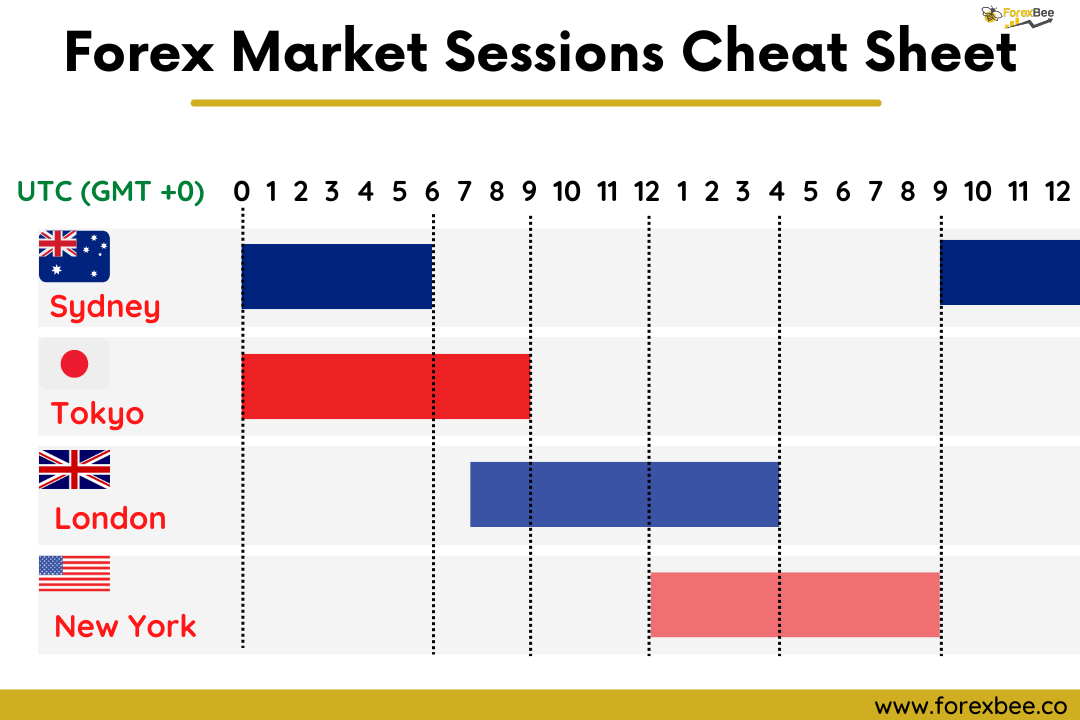
The Sydney session is the first Forex trading window, opening at 22:00 GMT and closing at 07:00 GMT, marked by low volatility and thin liquidity from Oceania traders. For example, it suits patient traders watching for early trends.
This session starts the global cycle, often on Sunday 22:00 GMT. Characteristics include narrow ranges, as volume hovers low without major overlaps. Pairs like AUD/USD and NZD/USD see gentle moves from commodity reports, but spreads widen outside these.
Evidence from broker data shows average daily range here at 30-50 pips on majors, versus 100+ later. Traders use it for position builds, avoiding news until Asia wakes. Specifically, RBA announcements can spark AUD shifts, but overall, it’s range-bound.
You’ll notice fewer reversals here, making it ideal for mean-reversion setups. Low participation means algorithms dominate, creating predictable bounces.
What Is the Tokyo (Asian) Session?
The Tokyo session, or Asian session, runs from 00:00 to 09:00 GMT, centered on Japan with focus on USD/JPY, AUD/USD, and Pacific news events. In detail, it builds on Sydney with rising volume.
Key pairs react to BOJ policies and Chinese data, even though Shanghai stays closed. Volatility picks up around 02:00 GMT on risk appetite flows. For instance, safe-haven yen strengthens on uncertainty.
BIS reports peg Tokyo volume at 15-17%, driven by export giants. AUD/USD often trends from commodity sentiment, while USD/JPY mirrors Nikkei moves.
Traders favor it for carry trades, holding positions into London. Ranges average 50-70 pips, with breakouts rare until overlap.
London and New York sessions follow similar patterns but with higher stakes. London opens at 08:00 GMT, commanding 35% volume through sterling and euro pairs on ECB news. New York from 13:00 GMT adds 20%, fueled by Fed decisions and non-farm payrolls. Together, they account for over half the market, per daily turnover stats.
Rhetorical question: Ever wonder why most EAs perform best in London? It’s the liquidity depth. Sydney and Tokyo prepare the ground, but these powerhouses deliver action.
What Are the Exact Opening and Closing Times for Forex Sessions?
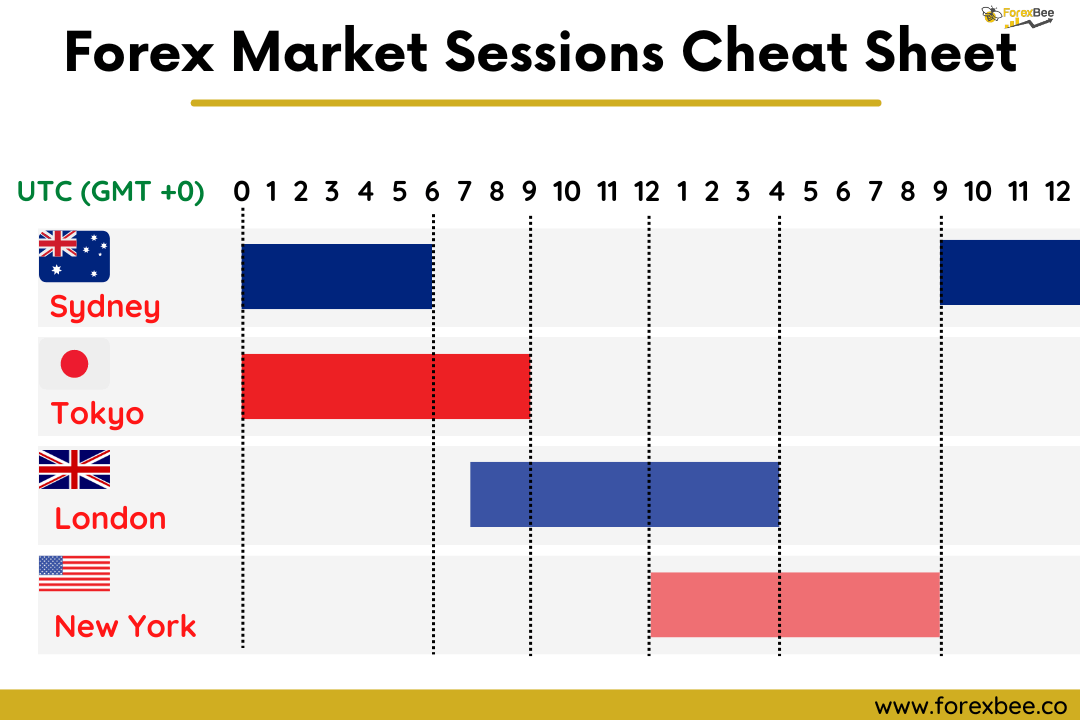
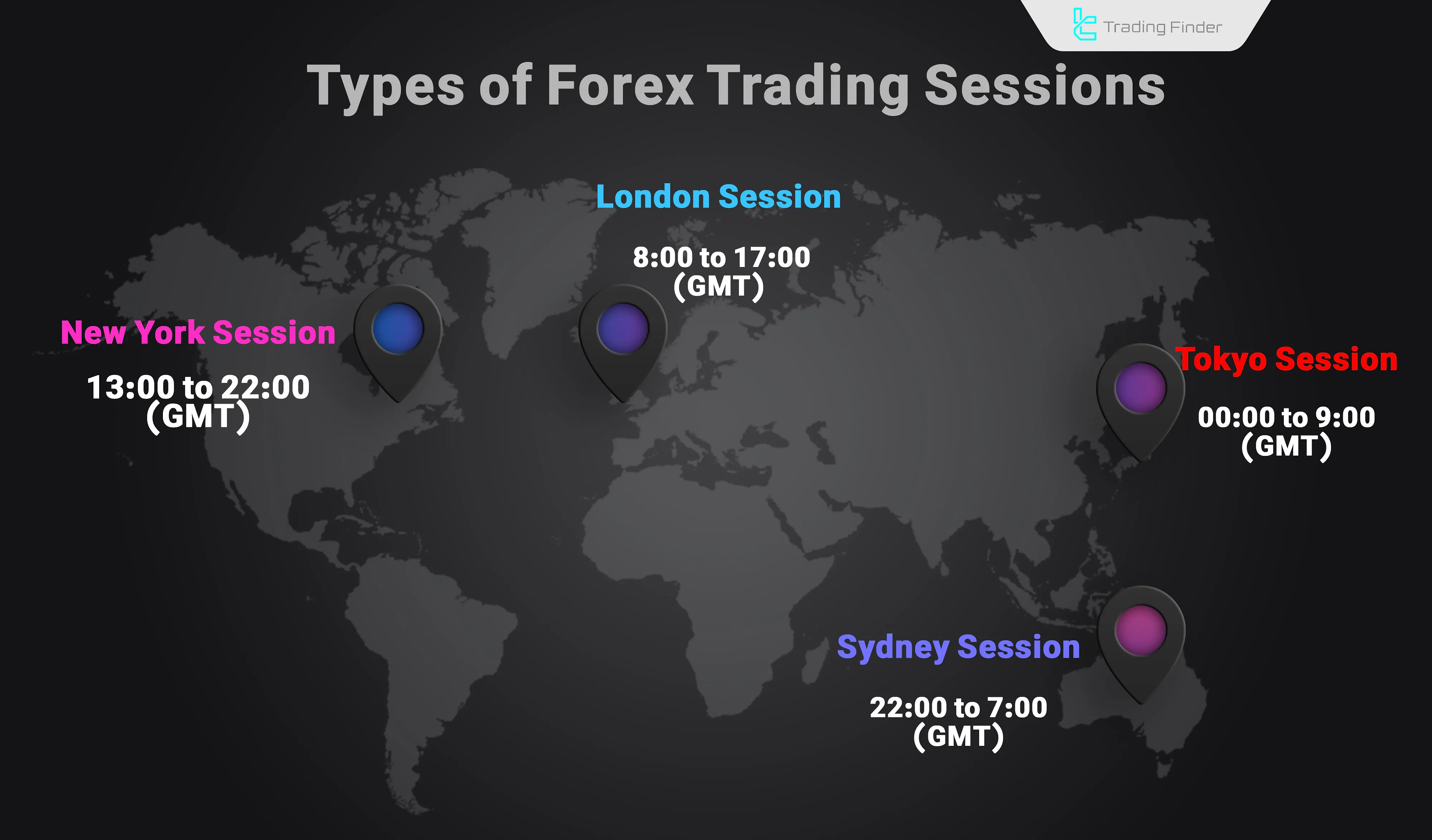
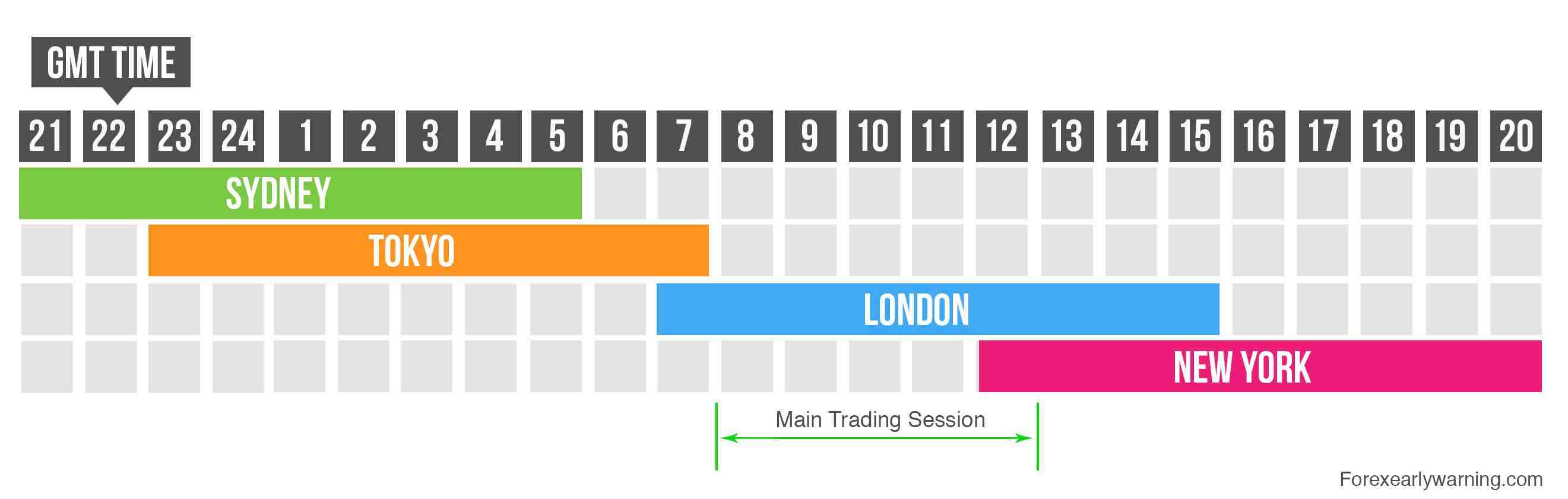
Forex sessions follow fixed GMT hours: Sydney 22:00-07:00, Tokyo 00:00-09:00, London 08:00-17:00, and New York 13:00-22:00, adjusted for UTC in a 24/5 market. Let’s explore these timings in detail.
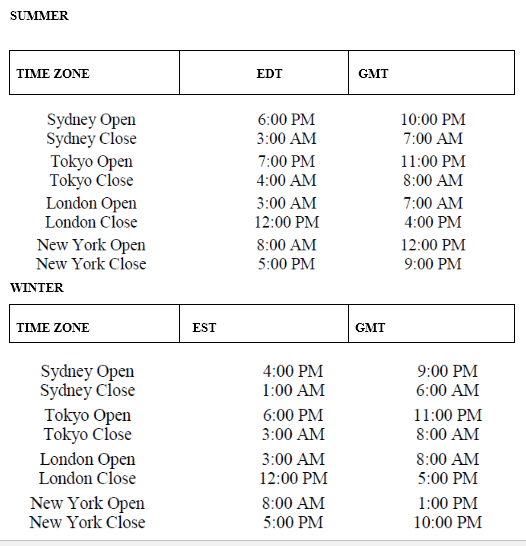
These standards stem from local market opens, converted to GMT for global use. No daylight saving shifts in listings here; always check brokers for DST tweaks. The market’s 24/5 nature means seamless handoffs, but peaks align with sessions.
Sydney launches at 22:00 GMT (10:00 Monday Sydney time), fading by 07:00. Tokyo overlaps slightly, ramping from 00:00 to 09:00. London surges 08:00-17:00, then New York 13:00-22:00 caps the day.
When Does the London Session Open and Close?
The London session opens at 08:00 GMT and closes at 17:00 GMT, delivering the highest liquidity as Europe’s banks flood in. Specifically, this window processes massive orders.
It starts with early equity opens, peaking mid-morning on data like UK GDP. Volume triples from Asia, tightening spreads to 0.5 pips on EUR/USD.
For example, 10:00 GMT often sees volatility from BoE speeches. Traders mark 08:00-12:00 for trends, 13:00+ for US prep.
Data from Myfxbook shows London averaging 40% of moves, with 80-120 pip ranges. Benefits include deep books for scalps.
When Does the New York Session Open and Close?
The New York session spans 13:00 GMT to 22:00 GMT, overlapping London for explosive action before tapering. Here’s the breakdown.

It ignites at 13:30 GMT with NYSE, but Forex heats from 13:00 on futures. Key until 17:00 overlap, then solo till 22:00 on after-hours.
US data like CPI at 13:30 GMT drives spikes; evenings quiet on crosses. Ranges hit 90-150 pips, per Dukascopy ticks.
Overlaps make 13:00-17:00 prime, with 50% volume surge. Late hours suit news fades.
Full list confirms patterns: Use a session map EA to highlight. GMT anchors strategies across brokers.
What Are Forex Session Overlaps and Why Do They Matter?
Forex session overlaps occur when two sessions run concurrently, like London-New York from 13:00-17:00 GMT, spiking liquidity and volatility. To understand this better, consider the mechanics.
Overlaps merge trader pools, slashing spreads and amping moves. Major one: London-NY, minor Tokyo-London (08:00-09:00 GMT), Sydney-Tokyo (22:00-07:00, but thin).
Why matter? Liquidity cuts costs; volatility yields pips. BIS data: overlaps claim 50-70% volume.
Is the London-New York Overlap the Best Time to Trade?
Yes, the London-New York overlap from 13:00-17:00 GMT stands as the best trading window, due to peak liquidity, 70% daily volume, and trend strength. Most important reason: Institutional overlap.
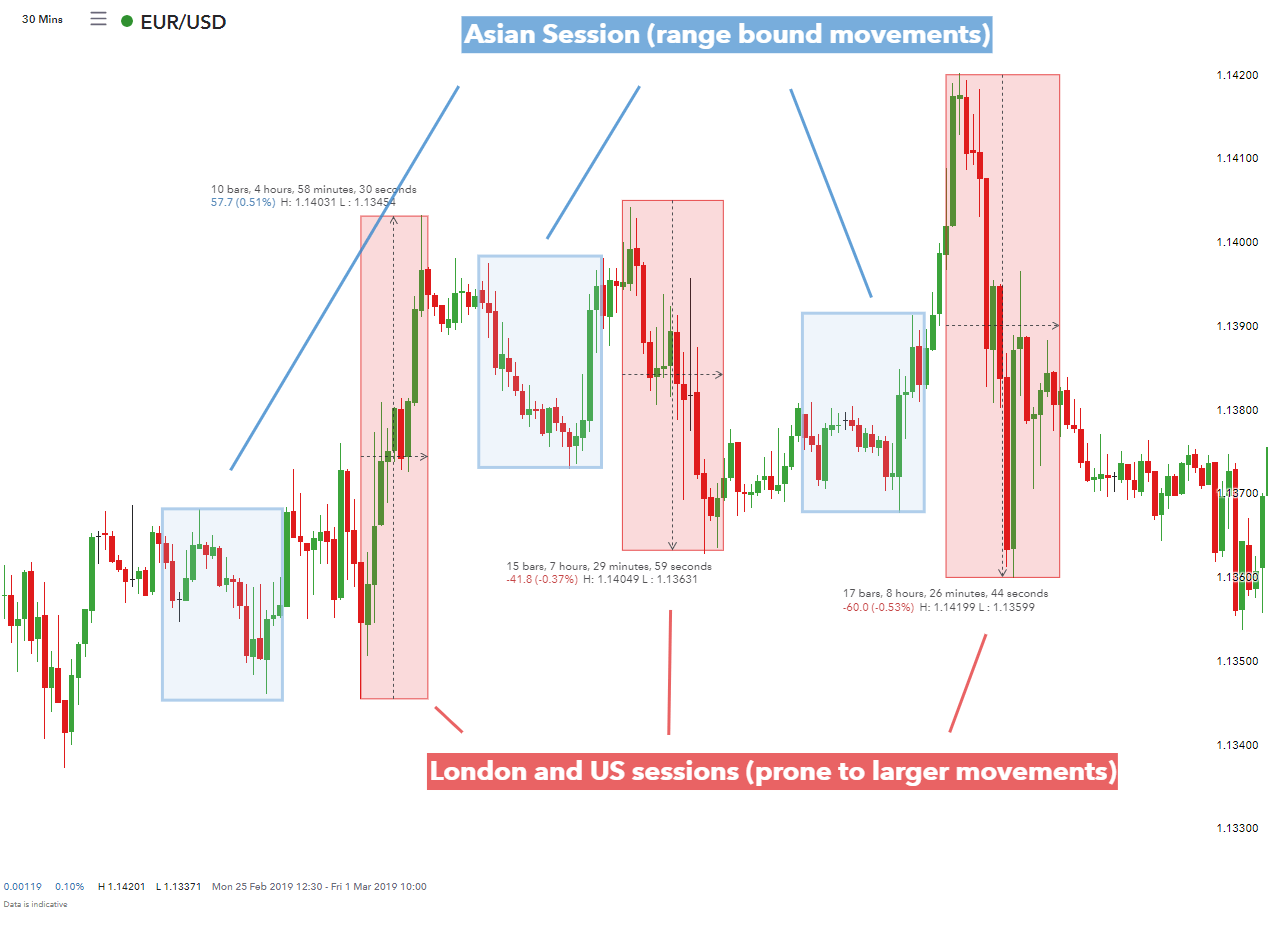
Details show EUR/USD, GBP/USD exploding on dual news. Spreads drop to 0.2 pips; breakouts sustain.
Benefits: Higher win rates for momentum strategies, per backtests. Data from FXCM logs 2x volatility here.
How Does Tokyo-London Overlap Compare?
Tokyo-London overlap from 08:00-09:00 GMT offers moderate activity with building volume, lagging London-NY’s intensity but beating solo Asia. Key criteria: Liquidity lower at 20% volume versus 70%.

Tokyo fades as London ramps; yen pairs volatile on handoff. Advantages: Early EU data setups.
Comparative research from DailyFX: 40-60 pip ranges vs. 100+ in London-NY. Tokyo-London suits JPY scalps; NY trumps overall.
Sydney-Tokyo minimal. Overlaps define edges: Trade them for confluence.
Which Sessions Provide Optimal Trading Conditions?
London excels in trending moves, New York in breakouts, and Asian sessions in range-bound trades, based on volatility and liquidity profiles. In detail, match your style to each.
London’s high liquidity fosters clean trends on majors. NY’s overlap power sparks breakouts post-range. Asia’s low vol suits oscillators.
Volatility data: London 1.2% ATR daily, NY 1.5%, Asia 0.6%. Liquidity: London deepest.
London (08:00-17:00 GMT) trends on news; use MAs. Ranges 80-120 pips.
New York (13:00-22:00) breaks via US data; RSI divergences shine. Overlap unbeatable.
Asian (Sydney/Tokyo) ranges tight; Bollinger works. Low risk for beginners.
Rhetorical: Which fits you? Trend follower? London. Scalper? NY overlap.
Strategies: London for swings, NY for day trades, Asia for farms. Backtest per session.
Optimal: Prioritize London-NY, secondary London solo, avoid Sydney lulls.
Advanced Session-Specific Trading Insights
Traders gain a competitive edge by matching currency pairs to session strengths, anticipating economic data spikes, and leveraging tools like Expert Advisors for precise timing.
Furthermore, understanding these dynamics allows for tailored strategies that exploit peak liquidity and volatility across global sessions.
What Are the Best Currency Pairs for Each Session?
Major sessions align with regional economic hubs, making certain pairs more active and predictable during specific hours. For instance, the London session favors EUR/USD and GBP/USD due to high European liquidity, where over 30% of daily forex volume occurs. These pairs see tight spreads and strong trends driven by UK and EU data releases. The Tokyo session suits USD/JPY, as Japanese yen flows dominate with safe-haven demand during Asian hours. Volatility here stems from Bank of Japan policies affecting carry trades. Meanwhile, the Sydney session highlights AUD/USD and NZD/USD, tied to commodity prices and risk sentiment from Australia and New Zealand.
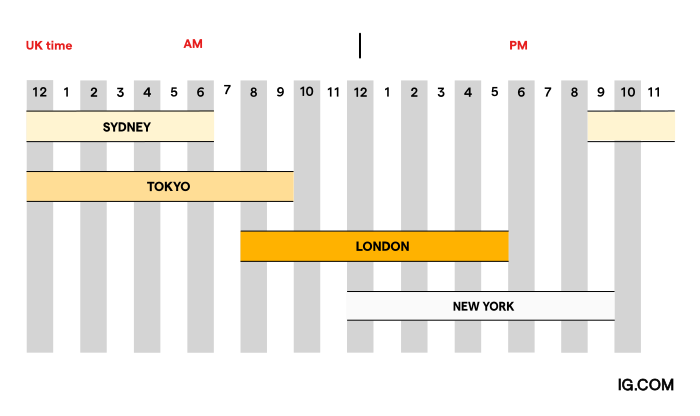
You’ll notice how pair-session matching reduces slippage and boosts win rates. Why trade GBP/USD during Tokyo quiet? It leads to false signals from low volume.
To refine your approach:
- Analyze historical volatility using platforms like TradingView to confirm pair-session fits.
- Backtest strategies on demo accounts during target sessions for realistic results.
- Combine pairs like EUR/JPY for overlaps, capturing cross-session momentum.
How Do Economic Releases Impact Session Volatility?
Economic announcements create sharp price swings by shifting trader expectations on interest rates and growth. The US Non-Farm Payrolls (NFP) during the New York session, released first Friday at 8:30 AM ET, often spikes volatility in USD pairs by 50-100 pips within minutes. Traders position ahead, amplifying moves. In Tokyo, Bank of Japan (BOJ) statements around 11:00 PM GMT trigger yen volatility, especially if hinting at policy shifts.

These events differ from routine data, as they draw institutional flows. How does timing matter? Releases outside peak hours fizzle out quickly.
Key impacts include:
- Pre-release positioning builds order imbalances, leading to breakouts.
- Post-release reversals occur if data misses forecasts, ideal for scalping.
- Use economic calendars from Forex Factory to filter high-impact events per session.
How Do Forex Sessions Compare to Stock Market Hours?
Forex operates 24 hours from Monday 5 PM ET to Friday 5 PM ET, unlike stock markets limited to exchange hours like NYSE’s 9:30 AM to 4 PM ET. Stocks halt on weekends and holidays, while forex rolls continuously across sessions. This 24/5 structure offers flexibility but exposes traders to off-hour gaps from news.
Stock trading clusters volume in openings and closes, similar to forex overlaps, yet forex lacks centralized exchanges, reducing manipulation risks. Ever wonder why stocks crash on open but forex trends smoothly? Forex’s decentralization spreads risk.
Main differences appear in:
- Accessibility, with forex anytime versus stock pre-market limits.
- Weekend exposure, none for forex majors but possible via CFDs for stocks.
- Leverage levels, higher in forex amplifying session-based swings.
What Role Do Broker Time Zones Play in Session Timing?
Brokers display charts in server time, often GMT+2 or GMT+3 for MT4/MT5 platforms, requiring offsets for accurate session alignment. London opens at 8 AM GMT, but a GMT+2 broker shows 10 AM. Daylight Saving Time (DST) shifts add confusion, as US DST starts mid-March, moving New York open from 1 PM GMT to 12 PM GMT.
Accurate timing prevents missed overlaps. Check your broker’s specifications page for offsets.
Practical steps involve:
- Setting custom indicators in MT4/MT5 for GMT session lines.
- Adjusting alerts for DST changes twice yearly.
- Choosing brokers like IC Markets with GMT+2/3 for standard forex timing.
How Can Expert Advisors Optimize Session-Based Trading?
Expert Advisors (EAs) automate session strategies by filtering trades to high-liquidity windows and applying volatility thresholds. Program EAs to trade only London-New York overlap (1-5 PM GMT) for EUR/USD, using ATR filters above 50 pips to avoid flats.
From the Forex Expert Advisor Store, EAs like session scalpers incorporate pair-matching logic. Why manual when EAs backtest overlaps for 20% higher Sharpe ratios?
Optimization techniques include:
- Configuring magic numbers per session to segregate trades.
- Integrating news filters to pause during NFP-like events.
- Running multi-EA setups for Tokyo yen trades alongside Sydney aud pairs.
