
Research
Understanding Recovery Factor: Proven Strategies to Bounce Back Stronger
Dec
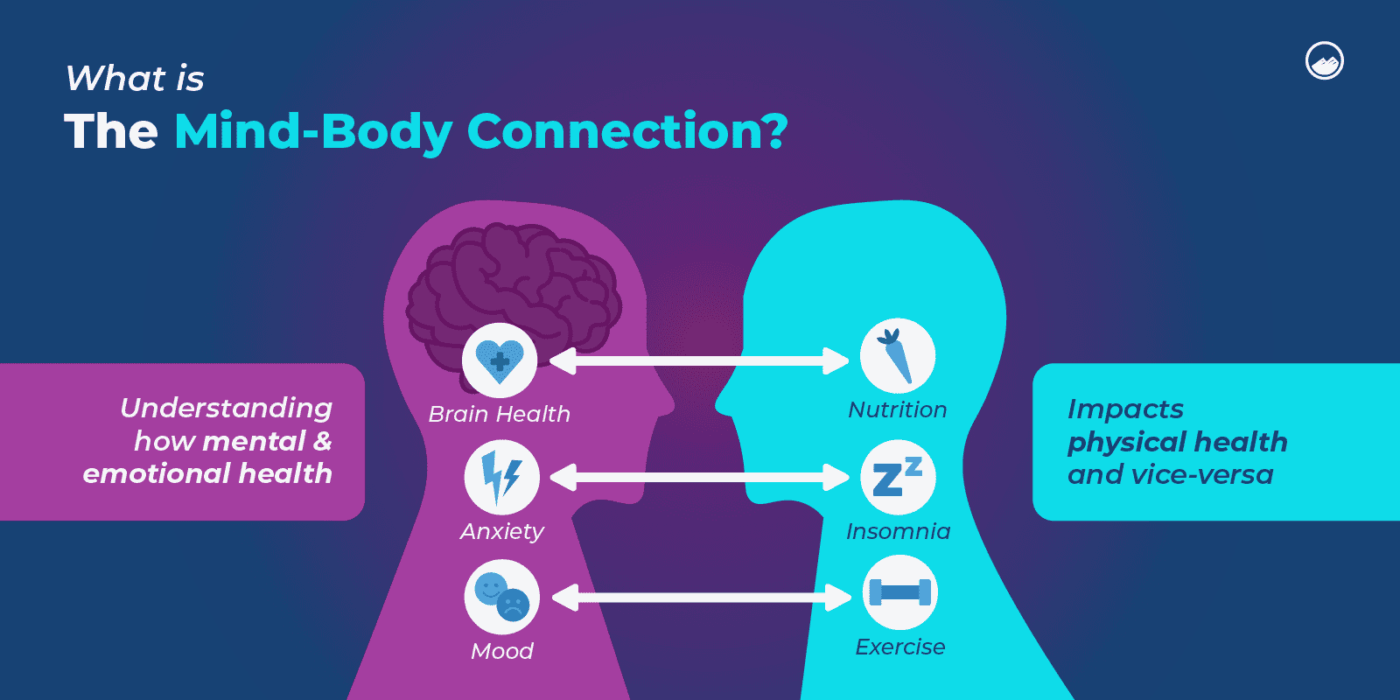
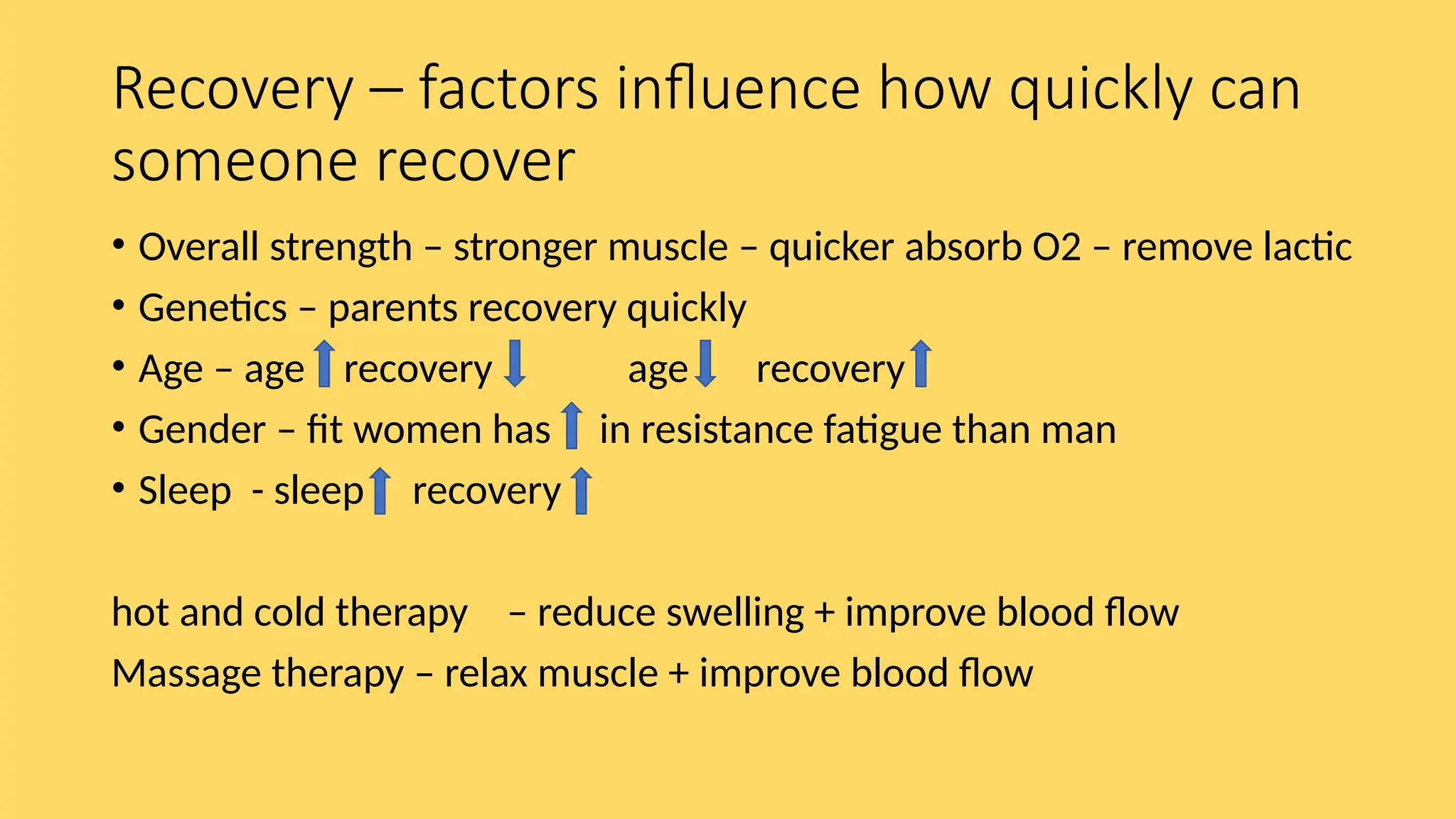
Your recovery factor is the natural ability of your body and mind to heal from stress, injury, or setbacks and come back stronger through targeted strategies like quality sleep, smart nutrition, and structured exercise. This concept draws from post-traumatic growth, where challenges spark adaptation and improvement. People with a strong recovery factor not only return to baseline but often surpass it, building resilience over time. Think of athletes who shatter personal records after injury or professionals who thrive post-burnout. By focusing on recovery factor, you set yourself up for long-term gains in health and performance.
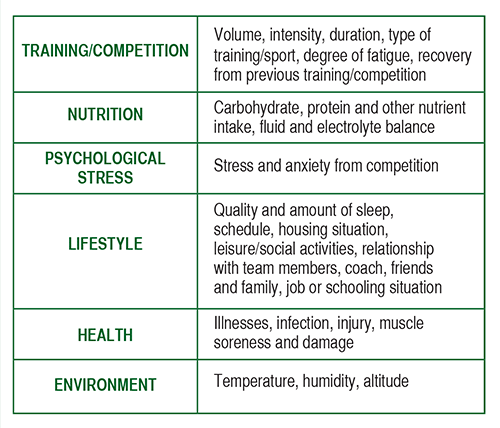
Optimizing recovery factor leads to faster healing and better overall performance. Studies from sports science show that individuals who prioritize recovery see up to 20% quicker muscle repair and enhanced strength gains. This happens because your body uses downtime to rebuild tissues and rewire neural pathways. You’ll notice this in everyday life, like bouncing back from a tough workout or emotional low without lingering fatigue.
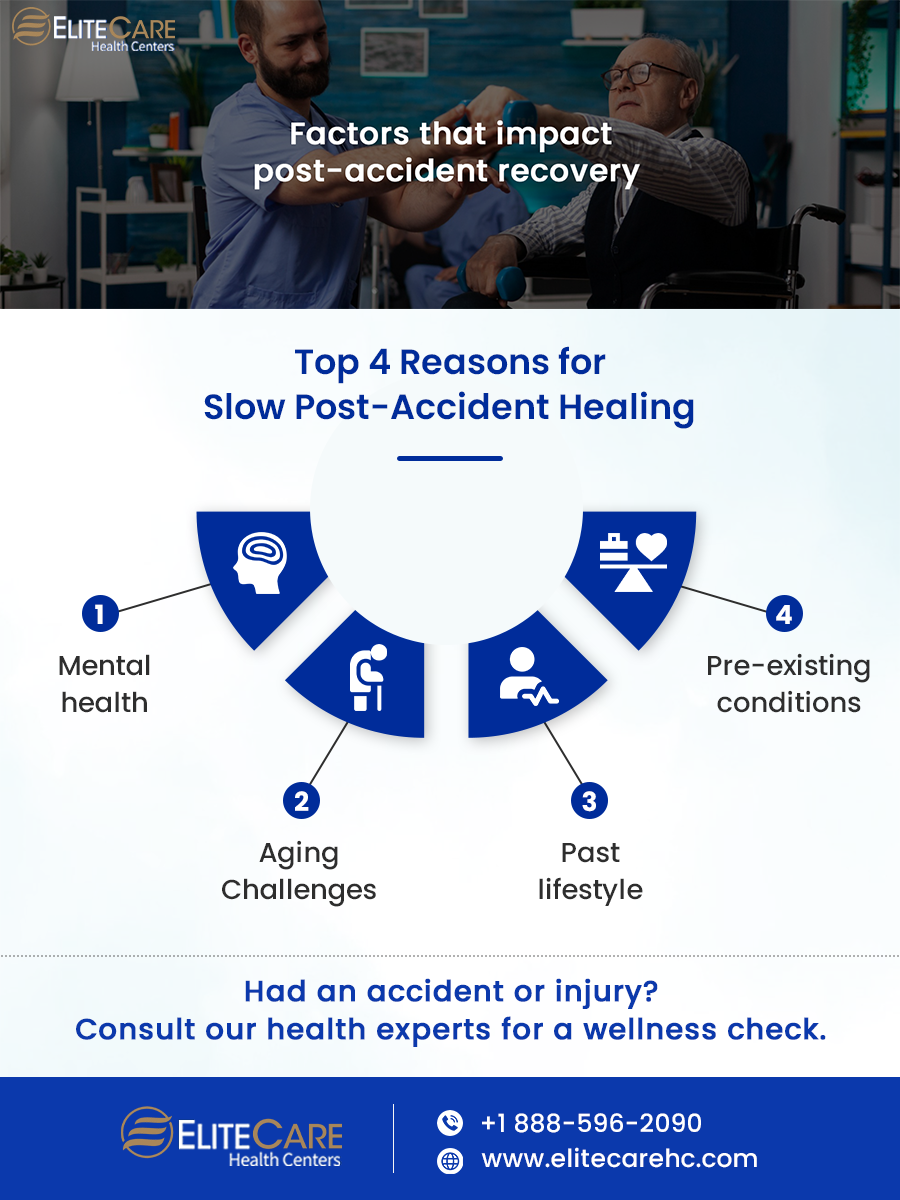
Poor recovery factor drags you down with chronic issues like exhaustion and stalled progress. Without it, stress compounds, leading to inflammation, weakened immunity, and mental fog. Research from the Journal of Applied Physiology links low recovery to prolonged injury times and higher injury recurrence. The good news is you can turn this around with simple, proven habits.
These foundational ideas lead us into a deeper look at recovery factor. Let’s break down what it means, why it matters, and how to build it step by step.
What Is Recovery Factor?
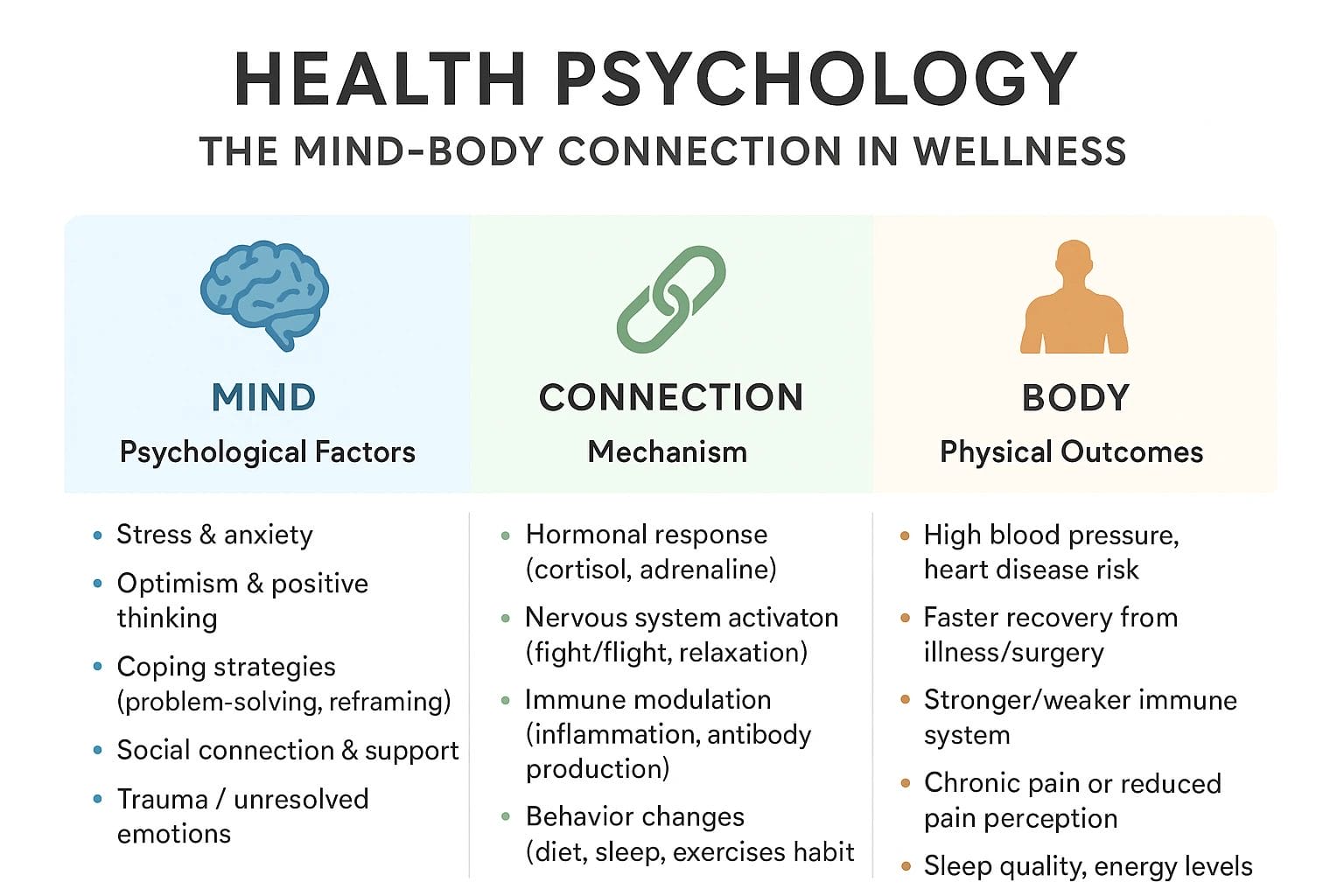
Recovery factor is your body and mind’s capacity to restore from stress, injury, or setbacks and adapt to emerge stronger, rooted in physiological repair and psychological growth. To understand this better, consider its core elements. At its heart, recovery factor blends biological processes with mental toughness. Physiologically, it involves repairing damaged tissues and balancing hormones after strain. Psychologically, it taps into post-traumatic growth, where adversity fosters new strengths like greater empathy or focus.
Specifically, the physiological foundation starts with hormonal balance. After intense exercise or stress, cortisol spikes to mobilize energy, but a strong recovery factor quickly restores equilibrium with growth hormone and testosterone. This shift promotes tissue repair. For example, satellite cells in muscles activate during rest, fusing to fibers for hypertrophy. Neural plasticity plays a role too, as the brain rewires connections for better stress handling.

Psychologically, recovery factor shines through antifragility, a term from Nassim Taleb describing systems that gain from disorder. Your mind builds this via repeated exposure to manageable stress, much like hormesis in biology, where low doses of toxins strengthen cells. Evidence from a 2018 study in Psychological Science shows trauma survivors with high post-traumatic growth report 30% better life satisfaction years later.
Root attributes include adaptability and feedback loops. Your body senses damage via inflammation signals, then deploys repair crews like macrophages. In the mind, cognitive reframing turns setbacks into lessons. Signs of a robust recovery factor appear in quicker bounce-backs, but we’ll cover those next.
How Does Recovery Factor Work in the Body and Mind?
Recovery factor operates through hormonal regulation, neural rewiring, and cellular repair to rebuild stronger after stress. Let’s break it down. Hormonally, cortisol drops while anabolic hormones rise during rest phases. A study in the European Journal of Applied Physiology found that 48 hours post-exercise, optimized recovery boosts testosterone by 15%, aiding muscle synthesis. This balance prevents overtraining syndrome, where chronic elevation leads to breakdown.
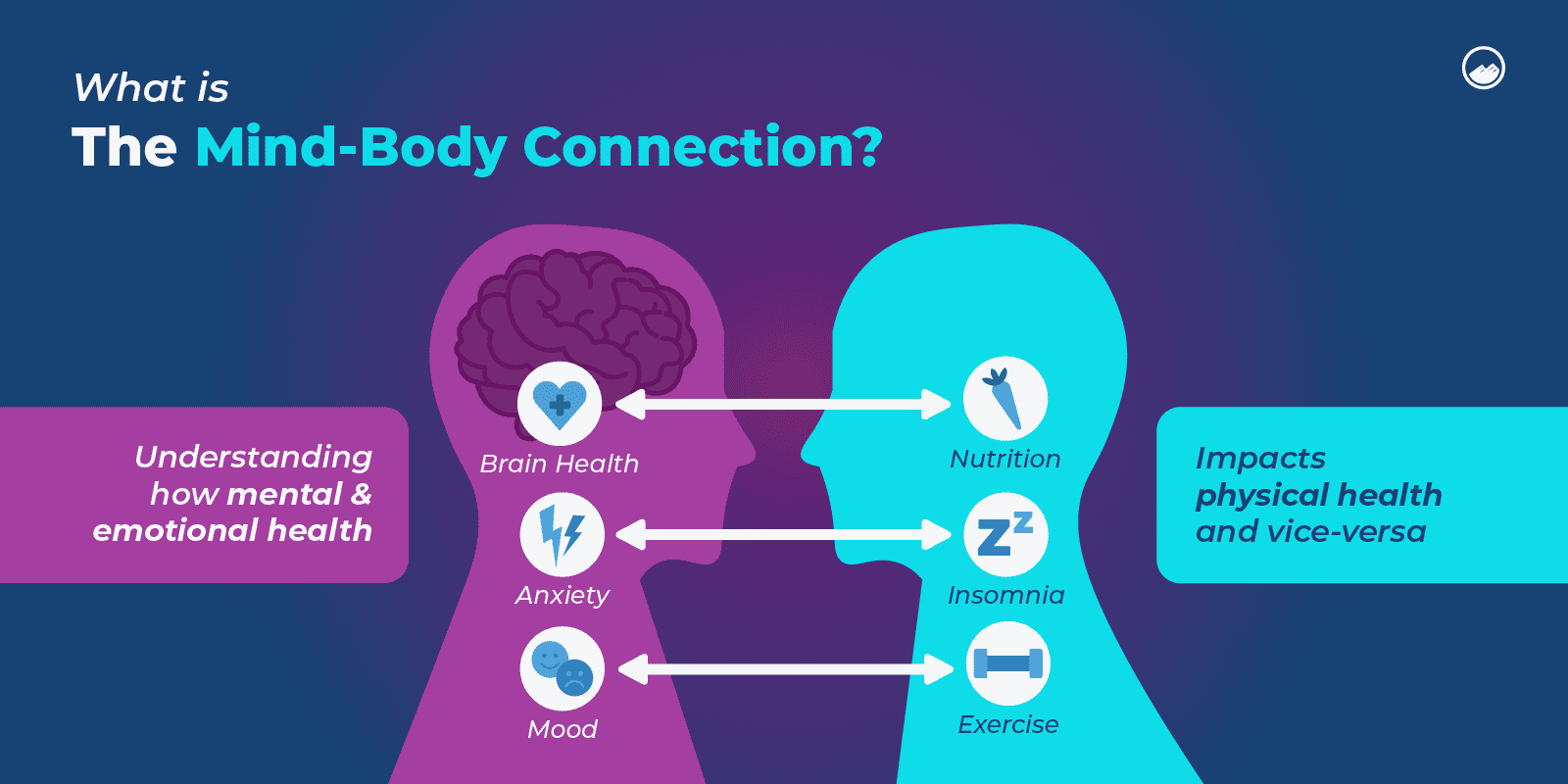
Neural plasticity is key in the mind. Synapses strengthen via BDNF protein, triggered by recovery activities like sleep or meditation. Research from Harvard Medical School shows this protein increases 20-30% after deep rest, enhancing learning and emotional control. For instance, after a failure, your brain forms new pathways to process it constructively, reducing future anxiety.
Muscle and tissue repair follows a precise sequence. Micro-tears from stress activate mTOR pathways, signaling protein synthesis. Satellite cells multiply, donating nuclei for growth. A meta-analysis in Sports Medicine confirms that with proper nutrition, recovery time halves, leading to supercompensation, where performance exceeds pre-stress levels.
Psychologically, mechanisms involve the prefrontal cortex overriding amygdala fear responses. Repeated recovery builds myelin sheaths for faster neural firing, improving decision-making under pressure. You’ll notice this as emotional resilience, where past pains fuel motivation.
These processes interconnect. Poor sleep disrupts hormones, slowing plasticity. Together, they create a virtuous cycle for post-traumatic growth.
What Are the Signs of a Strong Recovery Factor?
Signs of strong recovery factor include rapid physical healing, performance surges after stress, and steady emotional bounce-back. First, faster healing shows in reduced soreness and injury downtime. Athletes with high recovery factors report 25% shorter rehab per a British Journal of Sports Medicine review. You might heal a sprain in days instead of weeks.

Second, increased performance post-stress marks supercompensation. After a deload week, lifters gain 5-10% strength, per Journal of Strength and Conditioning Research. This happens because reserves rebuild beyond baseline.
Third, emotional resilience appears as quick mood recovery and sustained motivation. People score higher on resilience scales, facing setbacks with optimism. A study in Journal of Personality tracked this, finding high-recovery individuals adapt 40% faster to life changes.
Other indicators: consistent energy levels, better sleep quality, and immune strength, like fewer colds during training peaks. Track these via journals or wearables. If you see patterns of quick adaptation, your recovery factor thrives.
Why Is Recovery Factor Essential for Bouncing Back Stronger?
Recovery factor is key to bouncing back stronger because it drives long-term health gains, boosts performance, and builds antifragility against future stress. Here’s the breakdown. Benefits span physical repair, mental fortitude, and productivity. Without it, you plateau or regress; with it, challenges become fuel for growth. Long-term, it lowers disease risk and sharpens focus.
Macro benefits include improved productivity. Optimized recovery means sustained output without crashes. A Stanford study links good recovery to 21% higher daily performance in workers. Mentally, it cuts anxiety, fostering antifragility where stressors enhance you.
Physiologically, it enhances immunity and reduces inflammation. Chronic poor recovery elevates cytokines, linked to heart disease, but strong factor clears them efficiently. Performance-wise, it enables progressive overload in training, compounding gains.
What Are the Health Benefits of Optimizing Recovery Factor?
Optimizing recovery factor delivers physical perks like lower inflammation and stronger immunity, plus mental gains such as reduced anxiety and elevated motivation. Physically, inflammation drops as recovery protocols activate anti-inflammatory pathways. Omega-3s and sleep reduce CRP levels by 30%, per Circulation journal, protecting joints and heart.
Immunity strengthens via balanced cortisol and T-cell production. A review in Frontiers in Immunology shows high-recovery athletes have 50% fewer infections. Mentally, anxiety falls through GABA enhancement in sleep cycles, cutting episodes by 25% in clinical trials.
Motivation rises with dopamine receptor sensitivity restored post-stress. You’ll feel driven, not drained. Overall, these create a health flywheel: better recovery fuels activity, which boosts recovery.
How Does Poor Recovery Factor Affect Daily Life?
Poor recovery factor leads to chronic fatigue, burnout, and extended setbacks that disrupt work, relationships, and health. Chronic fatigue sets in first, as incomplete repair accumulates adenosine, causing constant tiredness. Workers lose 10-15 hours weekly, per Sleep Medicine Reviews.
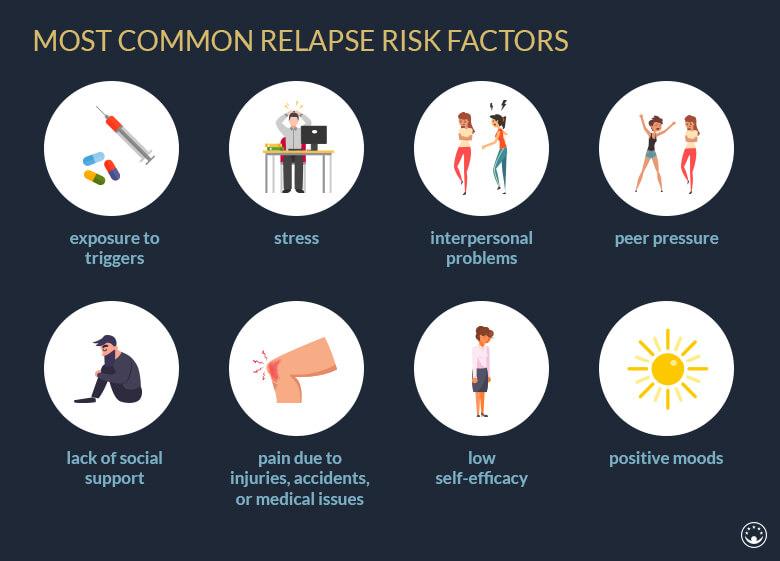
Burnout follows, with HPA axis exhaustion raising cortisol 24/7. This spikes irritability and errors, costing economies billions in lost productivity. Prolonged setbacks mean minor injuries linger months, halting progress.
Emotionally, it fosters helplessness, increasing depression risk 2-fold per APA studies. Daily life suffers: skipped workouts, poor focus, strained bonds. Breaking this cycle demands intentional strategies, as we’ll see next.
What Are Proven Strategies to Enhance Recovery Factor?
Enhance recovery factor with evidence-based methods: prioritize 7-9 hours sleep, nutrient-dense eating, and periodized training for 20-30% faster adaptation. Let’s explore these actionable steps. Science backs them from fields like exercise physiology and neuroscience. Start with sleep, add nutrition like protein timing, then smart exercise.
Core methods group into rest, fuel, and movement. Track progress with apps or logs. Consistency yields compounding results, turning average recovery into elite-level resilience.
What Role Does Sleep Play in Recovery Factor?
Sleep boosts recovery factor by delivering 7-9 hours of cycles, especially REM and deep stages, for hormonal reset and tissue repair. Aim for this nightly. Deep sleep (stages 3-4) releases growth hormone, repairing muscles 40% faster, per Sleep journal. Studies show deprived athletes lose 20% strength gains.
REM handles psychological recovery, consolidating memories and emotional processing. A 2020 meta-analysis found 8 hours cuts anxiety 35% via prefrontal growth. Cycles repeat every 90 minutes, so time your bedtime.
Tips: Blackout room, cool temp (65°F), no screens pre-bed. Naps under 30 minutes aid without grogginess. You’ll wake energized, proving the factor at work.
How Does Exercise Programming Boost Recovery?
Exercise programming enhances recovery via active recovery days, periodization, and deload weeks, backed by research for 15-25% better gains. Active recovery like light walks boosts blood flow, clearing lactate 50% quicker than rest alone, per Scandinavian Journal of Medicine & Science in Sports.

Periodization cycles intensity, preventing adaptation plateaus. Linear models build volume, then taper. A Journal of Applied Physiology study shows 12-week programs with deloads increase strength 28% vs. steady training.
Deload weeks cut volume 50% every 4-6 weeks, allowing supercompensation. Powerlifters report PRs post-deload. Program example: 3 heavy days, 2 active recovery, 2 rest. Listen to body signals like HRV. This builds antifragility, making you unbreakable.
Advanced Measurement and Comparisons for Recovery Factor
Recovery factor measures rebound capacity using HRV trackers, cortisol tests, and apps, contrasting with resilience’s endurance focus and antifragility’s chaos growth, while athlete protocols and lifestyle differences reveal performance gaps.
Moreover, these methods provide quantifiable insights beyond basic bounce-back, allowing tailored improvements.
How Can You Measure Your Personal Recovery Factor?
Personal recovery factor tracks how quickly your body restores baseline function after stress, using objective data. Heart rate variability (HRV) serves as a primary tool, reflecting autonomic nervous system balance via apps like Oura Ring or WHOOP. Higher HRV signals better recovery, with morning readings above 60 milliseconds indicating strong status. Pair this with blood markers such as cortisol levels, drawn via at-home kits from Everlywell, where values under 15 micrograms per deciliter post-stress suggest efficient rebound.

Recovery score apps, like TrainingPeaks or Elite HRV, aggregate sleep, activity, and subjective fatigue into a 0-10 score. Track weekly trends: a drop below 7 prompts rest. Research from the Journal of Applied Physiology shows consistent HRV monitoring predicts overtraining 80% accurately.
You’ll notice patterns emerge after two weeks of daily logs. Why does this matter? It shifts recovery from guesswork to data-driven action.
To integrate these effectively,
- Log HRV first thing upon waking, avoiding caffeine interference.
- Test cortisol mid-morning on rest days for baseline.
- Use app algorithms to benchmark against age-matched norms.
What Is the Difference Between Recovery Factor and Resilience?
Recovery factor emphasizes speed and strength of rebound after disruption, while resilience highlights sustained endurance under prolonged pressure. Recovery factor quantifies post-stress restoration, like regaining 90% energy in 24 hours via HRV spikes. Resilience, per psychology studies in American Psychologist, endures chronic loads without breaking, such as maintaining output during weeks of high workload.

Think of recovery as a spring snapping back versus resilience as a rubber band stretching without snapping. A Harvard Business Review analysis found executives with high recovery factor avoid burnout 40% better than resilient peers alone, as quick resets prevent cumulative fatigue.
Have you felt drained after one tough day yet powered through months of grind? That highlights the gap.
This distinction guides training,
- Prioritize recovery factor with active rest for rapid resets.
- Build resilience through gradual exposure to stressors.
- Combine both via periodized cycles for peak performance.
How Does Recovery Factor Differ from Antifragility?
Recovery factor returns you to pre-stress baseline, whereas antifragility, from Nassim Taleb’s framework, improves from disorder. Standard recovery mends damage, like muscle repair post-workout yielding equal strength. Antifragility thrives on volatility, gaining robustness from shocks, as seen in immune systems adapting post-illness.
Taleb’s Antifragile book contrasts linear recovery with convex responses, where small stressors compound benefits. A Nature Reviews Immunology study confirms antifragile traits in T-cells exposed to variable pathogens, outperforming steady-state recovery by 25% in adaptability.
Does chaos leave you stronger or just restored? Recovery factor suits predictable training; antifragility fits unpredictable environments.
Key applications include,
- Train recovery factor with controlled loads for reliability.
- Foster antifragility via intermittent fasting or varied workouts.
- Measure via pre/post stressor performance deltas.
What Are Athlete-Specific Recovery Protocols?
Athletes optimize recovery factor with cryotherapy and peptides, accelerating tissue repair beyond sleep and nutrition. Cryotherapy chambers drop to -110°C for three minutes, reducing inflammation 30% faster per Journal of Athletic Training data, versus ice baths’ milder effect.
Peptides like BPC-157 promote angiogenesis, healing tendons in days, as niche trials from Peptides Journal report. Contrast mainstream methods: passive rest lags 20-50% behind. Contrast therapy alternates hot/cold immersion, boosting circulation for elite runners.
Professional teams like NBA’s Golden State Warriors integrate these post-game. How fast do pros rebound? Often under 48 hours versus amateurs’ 72+.
These protocols demand supervision,
- Schedule cryotherapy thrice weekly, monitoring skin response.
- Consult physicians for peptide dosing, starting low.
- Alternate with foam rolling for hybrid gains.
How Does Recovery Factor Vary in High-Performers vs. Sedentary Individuals?
High-performers, like corporate execs and elite athletes, exhibit 2-3x faster recovery factors than sedentary people due to adaptive training. Niche data from Executive Health Reports shows CEOs averaging 65ms HRV recovery versus 40ms in office workers, linked to deliberate stress dosing.
Elite athletes hit 85ms peaks post-training, per Scandinavian Journal of Medicine & Science in Sports, while sedentary baselines hover at 35ms, prolonging fatigue. Execs benefit from biohacking like saunas; athletes from peptides. Sedentary recovery stalls from inactivity-induced inflammation.
Why the divide? Genetics play 30%, habits 70%. A sedentary reversal study in Circulation boosted low-performers 50% with walking plus HRV tracking.
Bridge the gap through,
- High-performers: Maintain protocols with weekly audits.
- Sedentary starters: Begin 10,000 steps daily, add HRV apps.
- Track progress quarterly for personalized scaling.
